REVIEW · DARJEELING
Singalila Ridge Trek from Darjeeling – 6 Days
Book on Viator →Operated by Ashmita Trek & Tours · Bookable on Viator
Ridge walking with Himalaya views is addictive. This 6-day Singalila Ridge trek feels remote in the best way, since you’re hopping ridge to ridge rather than walking through a single valley. The payoff is Sandakphu (3,636 m), the highest point in West Bengal, where the sky seems close enough to touch.
I especially like two things: the trek’s rhythm of early sunrise viewpoints and the way the trip blends big scenery with small village life. You’ll see that in the human side too, with guides named Pemba, Tenzi, and Rupesh mentioned for making the days feel organized and safe.
One drawback to plan around: this route demands real hiking fitness, and there’s no porter/horse included. If you’re the type who hates carrying your own weight for hours, you’ll want to pack light and be ready for steady climbs at high elevation.
In This Review
- Key things that make this trek worth your time
- How the Singalila Ridge trek actually feels (Darjeeling to Rimbeek)
- Price and what you’re really paying for (US$460 per person)
- Day-by-day route breakdown: what each leg gives you
- Day 1: Gurdum, the early climb, and getting your legs ready
- Day 2: the steep push to Sandakphu—where the peaks start dominating
- Day 3: sunrise viewpoints and Singalila National Park frontier scenery
- Day 4: Phalut sunrise cloudscape and the quieter village of Gorkhey
- Day 5: Samandin to Ramam, two-stream junction, then Timburey
- Day 6: Timburey to Rimbeek with a more forgiving walking day
- Lodging and meals: why this trek eats well for the effort level
- Guides, safety, and the human side of the ridge
- What to pack and how to handle the “no porter” reality
- Who this trek is best for (and who should choose differently)
- Should you book the Singalila Ridge Trek with Ashmita?
- FAQ
- What’s included in the Singalila Ridge Trek from Darjeeling?
- Do I need a passport for this trek?
- Is the national park entry permit included?
- How physically demanding is the trek?
- Is a porter or horse included to carry luggage?
- What kind of lodging will I get?
- Is pickup from Darjeeling included?
- Can I get a full refund if I cancel?
Key things that make this trek worth your time
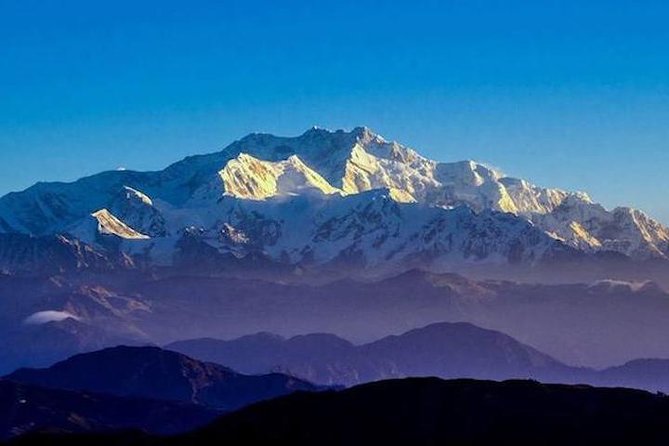
- Sandakphu at 3,636 m: the top highlight with jaw-dropping big-peak views from the Singalila Ridge
- Tea houses and homestays: you get lodged where locals actually live and eat, not just generic lodges
- Park permits included: Singalila National Park entry permits are handled for you (with the foreign-client fee noted)
- Qualified local guides: the trek runs with an experienced mountain guide who knows this exact area
- Village-to-ridge trekking: you’re not just chasing views; you also pass through places like Gurdum, Gorkhey, and Timburey
How the Singalila Ridge trek actually feels (Darjeeling to Rimbeek)
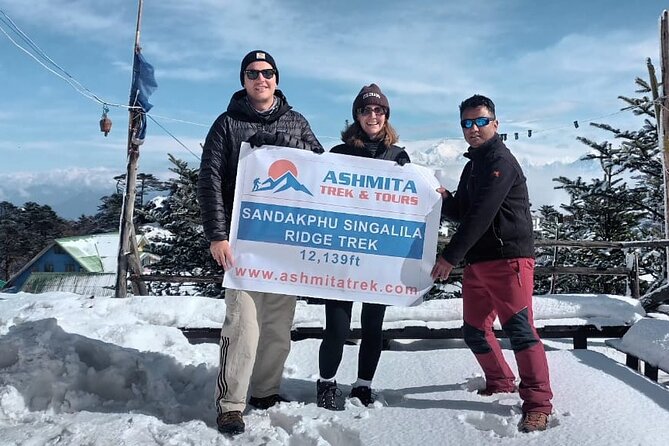
This trek starts with a short drive and then quickly turns into walking that feels wild. You’re close to Darjeeling—about two hours by road—but once you’re on the ridgeline, it’s easy to forget you’re in India’s hills and not out on an isolated Himalayan trail. That’s the magic of Singalila. The ridge acts like a natural spine, and the scenery changes hour by hour.
The walking is “ridge to ridge,” not just one long corridor trail. That matters. It means you’ll keep getting fresh sightlines—often with valleys dropping away below you—rather than repeating the same view for day after day.
You’ll also be at meaningful altitude. Sandakphu sits at 3,636 m, and the trek description includes big altitude gains early on. Even if you’re a fit hiker, plan your pacing for thin air. The guides can’t erase altitude. But a sensible pace and good day planning make a huge difference in how you feel at the end of each day.
You can also read our reviews of more tours and experiences in Darjeeling.
Price and what you’re really paying for (US$460 per person)
The listed price is $460 per person for a roughly 6-day trek. On paper, that’s not the cheapest option in the region. In practice, it’s more about what’s bundled than the number itself.
What’s included:
- All meals (breakfast, lunch, dinner), all veg, plus hot tea and coffee during trekking
- An excellent mountaineering-qualified trekking guide
- Shared jeep transport between Darjeeling and the trek route
- Singalila National Park entry permits (the foreign-client fee is specified as INR 500 per day per person)
- Tea-house/lodge accommodations during the trek
- A basic medical and first aid kit carried by the guide
What’s not included:
- Drinks like soda/alcohol, plus snacks, mineral water, and battery recharge
- Your own insurance (not included)
- Personal gear
- A porter/horse to carry your backpack (not included)
So the value question becomes simple: can you hike with a light pack, and will you use the included meals and lodging rather than trying to buy everything on the trail? If you can, this price starts to look fair. If you need lots of bottled drinks, frequent snacks, and porter support, the total cost will creep up.
Day-by-day route breakdown: what each leg gives you
Day 1: Gurdum, the early climb, and getting your legs ready
You’ll meet at the trek office in Darjeeling very early and then drive out toward the trail area. The program notes a meet time at the office around 6:00 am and also lists 9:00 am as the start time. It’s worth clarifying the exact timing with your operator so you don’t end up stressed before you even start walking.
Day 1 is described as about 10 km with roughly 5.6 hours of trekking and a significant climb (around 2,286 m to 2,438 m). The stop is Gurdum, a small village at the foot of the Himalayas. This is your “settling in” day: greenery, quiet surroundings, and the feeling that you’re moving into a place where daily life continues on without much tourism noise.
Practical tip: start slow. Ridge treks tend to feel tougher because you’re not only climbing—you’re also balancing and adjusting steps as the ground changes.
Day 2: the steep push to Sandakphu—where the peaks start dominating
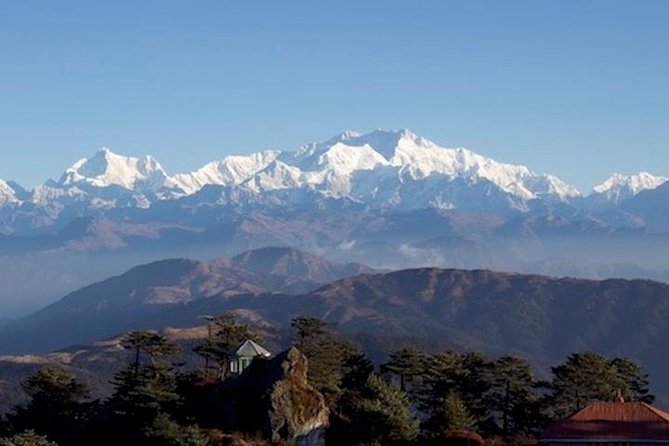
Today is your big height day. You take a steep climb to Sandakphu, and the reward is the ridge-top view. Sandakphu lies on the India–Nepal boundary and is the highest point in West Bengal. The trek description calls out the chance to see four out of five of the world’s highest peaks from this ridge.
Even if you don’t know all the peak names by heart, you’ll understand what’s happening the moment you get the clear views. The scale changes. Mountains stop looking like hills and start looking like geography.
One thing to be aware of: this is a longer, more demanding day. The trek schedule pairs serious walking time with the expectation you’ll still want to enjoy the viewpoints. If you’re prone to rushing when you’re excited, resist it. Save energy for the top and for the return to your lodging after sunset.
Day 3: sunrise viewpoints and Singalila National Park frontier scenery
Day 3 leans into the sunrise rhythm again. You wake up early, climb a bit to a viewpoint, and look out as the morning light spreads over the Himalaya. The schedule notes a short hike to the viewpoint (about 1 hour for that specific segment).
Then the trek includes Singalila National Park time, with Phalut referenced as the second tallest summit in West Bengal and as part of the frontier zone between West Bengal, Sikkim, and Nepal. Even when you’re not climbing to a summit every hour, the “borderland” feeling comes through: you get a sense of crossing from one region’s identity to another, just by what you see around you.
The benefit of this day: it breaks up the intensity. You’re still hiking, but you’re not only grinding uphill. There’s time for morning magic and for experiencing the park environment.
Day 4: Phalut sunrise cloudscape and the quieter village of Gorkhey
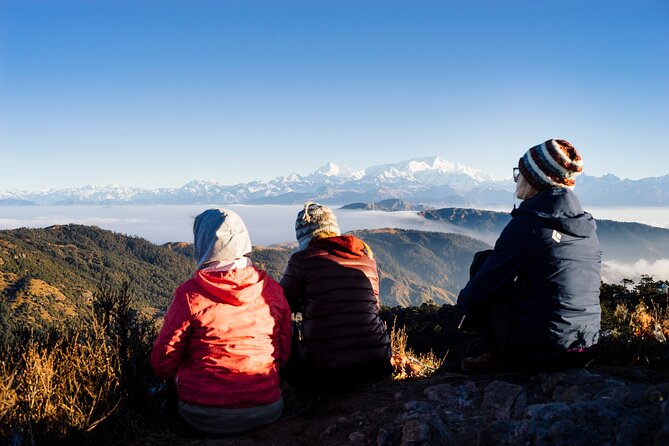
Day 4 begins with a sunrise moment from higher ground. The description specifically mentions the valley below filled with clouds while peaks shine in the distance. That cloud layer can turn the view into something almost cinematic—layers of fog acting like a backdrop for sharp, distant mountains.
After that, you head toward Gorkhey, a village that’s described as not on the usual tourist radar. It’s surrounded by pine forests and a river (Gorkhey Khola), and the trek notes it as a boundary marker region between areas of Sikkim and nearby territories.
If you like treks that feel like you’re moving through actual places—not just scenic spots—Gorkhey is where you’ll feel it. Less crowd pressure. More stillness.
Day 5: Samandin to Ramam, two-stream junction, then Timburey
Day 5 starts with another village-to-trail transition. You hike through Samandin and after about 5 hours reach Ramam. Then the trail leads to a junction of two streams described as Gorkhey Khola, and the schedule highlights the visual of where water divides and meets again.
Later, you move to Timburey Swayambhu Home Stay. Timburey is described at about 6,550 feet and surrounded by forests plus the Srola River. Home stay stops are where you get more than food—you get a sense of daily routines. It also tends to mean you’ll have a calmer evening, since many home stays are set up for local life first.
Practical tip: treat the last third of the day as “steady finishing.” If you blow your energy early chasing photos, you’ll pay for it on the last hike into the home stay.
Day 6: Timburey to Rimbeek with a more forgiving walking day
On the final day, you breakfast in Timburey and then hike toward Rimbeek. The trek description calls this stretch relatively flat for about 10 km, and it’s listed around 6 hours.
You pass through Srikhola village and make a stop along the way before reaching Rimbeek. The best way to think about the last day: it’s your chance to enjoy the trail without the same pressure of steep climbing.
When a trek ends with a more manageable walking day, it’s easier to finish strong and enjoy the last meals rather than feeling empty and wiped out.
Lodging and meals: why this trek eats well for the effort level
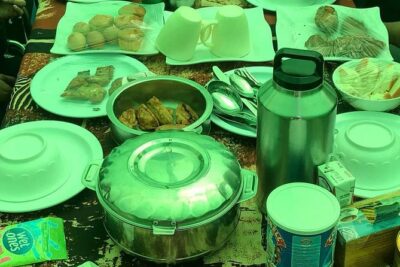
You’ll sleep in tea houses, lodges, and a home stay across the route. The meals are included and veg, with hot tea and coffee as part of the trekking setup.
From the accounts you’ve been given, the food and lodging choices are often praised as a highlight—especially the quality of the stops. That matters on this trek because you’re working up an appetite in cold mountain air, and a lukewarm meal can be the difference between a good night and an miserable one.
If you’re picky, plan to go with the flow. The included meals are veg, and you should expect simple, practical trekking-food fare rather than anything fancy.
Guides, safety, and the human side of the ridge
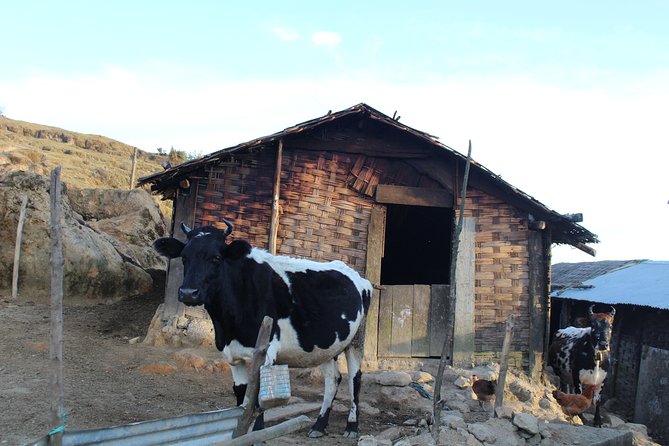
This trek is led by a qualified local trekking guide, and the included first aid kit adds a basic layer of preparedness.
The names mentioned in connection with the experience—Pemba, Subash/Subhas, Rupesh, Tenzi, and team members like Sangay and Lila—show a common theme: good organization and personal care. You can also read between the lines on why that matters on the ridge.
Ridge treks punish bad pacing and poor timing. A strong guide helps you:
- keep your effort steady on climbs
- get you to key viewpoints when visibility is best
- manage the day so you aren’t exhausted long before the views
One extra detail worth noting: one guide (Pemba) reportedly shared context about local events such as the 100-mile Himalayan run. That kind of local knowledge doesn’t change the weather, but it does make the trek feel more anchored in the region’s culture and calendar.
What to pack and how to handle the “no porter” reality
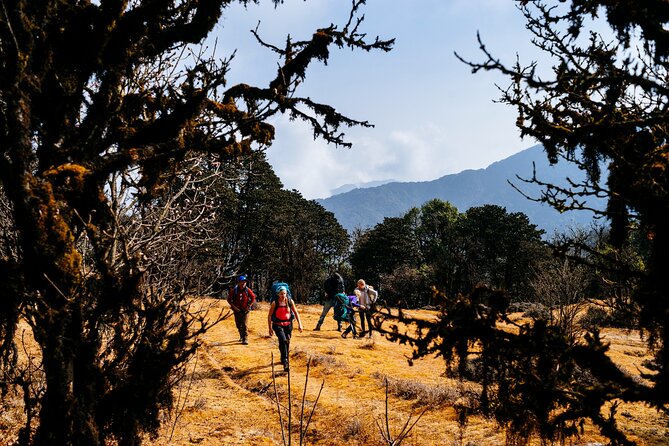
Because porter or horse support isn’t included, you carry your own backpack. That single fact shapes everything:
- pack light enough that you can hike 5–6 hours at a time
- use a day pack system (and keep only what you need on trail accessible)
- protect your gear from moisture if fog or mist rolls in
Also pay attention to the trek’s rules. You’re required to have a current valid passport on travel day. And there’s a restriction stated for carrying satellite phones or GPRS into protected and restricted areas in parts of Sikkim and the Darjeeling Himalayan zone. If you use any communication device beyond standard phone networks, double-check it before you go.
Finally, this is not a “show up and float” trip. The operator stresses fitness for Darjeeling and Sikkim treks. If you have any pre-existing medical condition or disability, you should inform the operator before traveling, since it could affect whether you’re at higher risk of needing medical attention.
Who this trek is best for (and who should choose differently)
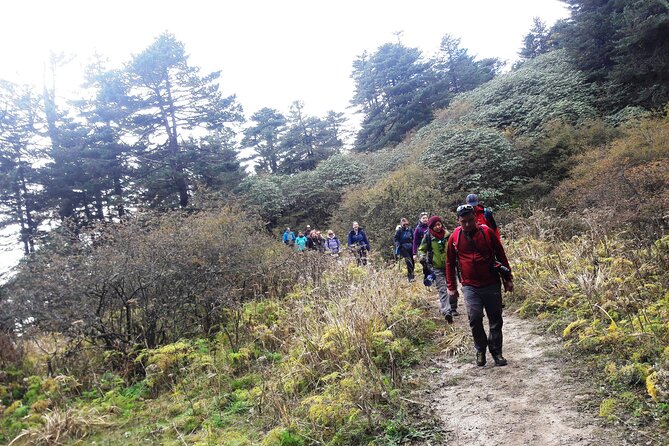
This trek fits best if you:
- want strong ridge views rather than a classic valley stroll
- enjoy walking as the main activity, with village life as the bonus
- can hike steadily for half-days to full hiking days
- don’t mind carrying your own pack for the entire trip
You might think twice if you:
- hate steep climbs and long days
- want frequent comfort stops or lots of cushioning (this is a trekking route, not a resort)
- need porter support for your whole load
That said, many people find Singalila mentally addictive once the ridgeline opens up. The route gives you a steady stream of scenery changes, not one big moment and then boredom.
Should you book the Singalila Ridge Trek with Ashmita?
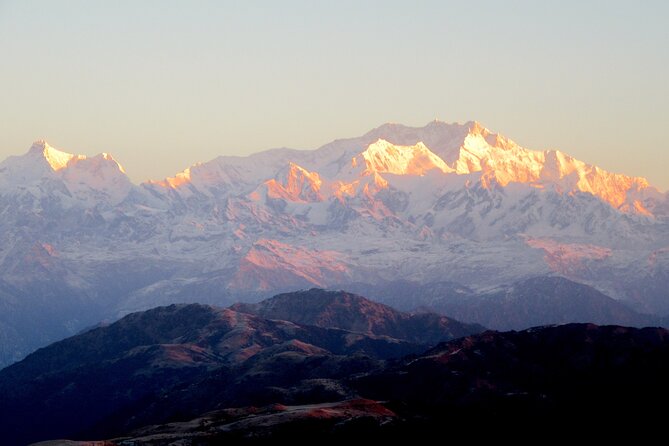
Book it if you want a serious ridge trek that’s still well-run—meals, lodging, permits, and transport are handled, and the guide team is described as attentive and safety-minded. The mix of Sandakphu plus quieter village legs like Gorkhey and Timburey is a strong combo: you get both drama and calm.
Skip it (or choose a different format) if you’re not ready to carry your own pack or if you’re struggling with altitude and long hikes. At 3,636 m near Sandakphu and with steep climbing early on, comfort depends on effort.
If you’re on the fence, my advice is simple: be honest about your hiking days at home. If you can handle steady uphill walking without needing frequent breaks, you’ll likely love this trek’s rhythm and payoff.
FAQ
What’s included in the Singalila Ridge Trek from Darjeeling?
Meals are included (veg breakfast, lunch, dinner) along with hot tea and coffee during trekking, plus an experienced local trekking guide, accommodations in tea houses/lodges/home stays, shared jeep transportation to and from Darjeeling, Singalila National Park entry permits, and a basic medical and first aid kit carried by the guide.
Do I need a passport for this trek?
Yes. A current valid passport is required on the day of travel.
Is the national park entry permit included?
Yes. Singalila National Park entry permits are included, with the foreign-client fee listed as INR 500 per day per person.
How physically demanding is the trek?
You should have at least a moderate physical fitness level. The route includes long trekking days and significant altitude changes, including a steep climb to Sandakphu.
Is a porter or horse included to carry luggage?
No. Porter/horse service to carry your backpack is not included.
What kind of lodging will I get?
You’ll stay in tea houses and lodges during the trek, plus a home stay at Timburey Swayambhu Home Stay.
Is pickup from Darjeeling included?
Transportation to and from Darjeeling is included by shared jeep, and the trek is near public transportation. The meeting point is the Ashmita Trek & Tours shop near Singalila Market.
Can I get a full refund if I cancel?
You can cancel up to 6 days in advance for a full refund. If you cancel less than 6 full days before the start time, the refund amount is reduced, and if you cancel less than 2 full days before the start time, the amount paid is not refunded.