REVIEW · KYRGYZSTAN
Loop trek of Sary Mogol
Book on Viator →Operated by Alay Travel Guide · Bookable on Viator
Two big passes and Kyrgyz sky.
This Sary Mogol loop trek is a serious mountain hike that brings you up to 4,280 m on the Sary-Mogol Pass and back down through gorges and summer pastures. I like the way the day structure fits an active pace (usually 5–6 hours walking), and I also like that the trip includes your guesthouse/yurt nights plus full meals. The main drawback is altitude: the region starts already high (around 2,500 m) and the route quickly puts you under thin air, so if you have altitude issues, you’ll want to think twice.
I also appreciate the practical setup: you start at 8:00 am from Alay travel house near Sary Mogul, and it’s a private group experience led by an English- or Russian-speaking guide. The route includes two headline passes—Sary-Mogol (4,280 m) and Jiptik (4,185 m)—plus the Sary-Bel crossing on day 3, so your legs get a full workout. Plan for acclimatization in advance because you’re not just hiking high—you’re starting from high and climbing to the pass area quickly (the trail rises roughly 900 m to reach the round route high point).
In This Review
- Key highlights
- Loop trek of Sary Mogol: the big idea
- Altitude and passes: where the challenge really is
- Day 1: Kichik-Alay and the Sary-Mogol Pass day
- Day 2: the river path into Kosh-Moynok Gorge
- Day 3: Cretaceous mountains, Sary-Bel, and Kozho-Kelen
- Day 4: Jiptik Pass and the view toward Lenin Peak
- Food, sleep, and vegetarian meals that actually work on a trek
- Guide quality: what to expect from the people running the plan
- The walking schedule: pacing, fitness, and what moderate really means
- Price and value: is $450 worth it?
- Getting there and how the trip starts on time
- What to pack (and what to plan for) without overthinking it
- Should you book the Loop Trek of Sary Mogol?
- FAQ
- How long is the Loop trek of Sary Mogol?
- How much does it cost per person?
- Where do I meet the tour and what time does it start?
- What’s included in the price?
- What’s not included?
- How much hiking will I do each day?
- What altitude will I reach, and what passes are involved?
- Can I see Lenin Peak from this trek?
Key highlights
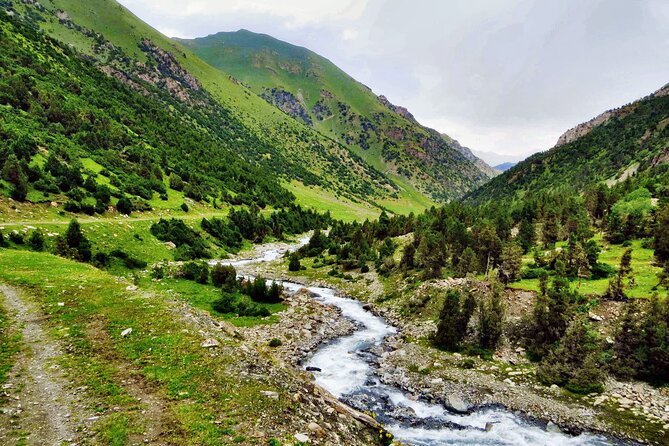
- Two high passes on a loop route: Sary-Mogol (4,280 m) and Jiptik (4,185 m), with daily walking in between
- Guesthouse + yurt camps, meals included: 4 nights total (1 guesthouse, 3 yurt camps) with vegetarian breakfasts, lunches, and dinners
- Canyon and pasture nights: Kosh-Moynok Gorge is a standout stop on the overnights
- Big views if the sky is clear: from Jiptik you can see Pamir-Alay valley and Lenin Peak (7,134 m), weather depending
- Guide support that matters on rough days: guides are noted for keeping the plan on track and helping with navigation and communication
- Private trip feel: it’s only your group, not a mixed crowd
Loop trek of Sary Mogol: the big idea
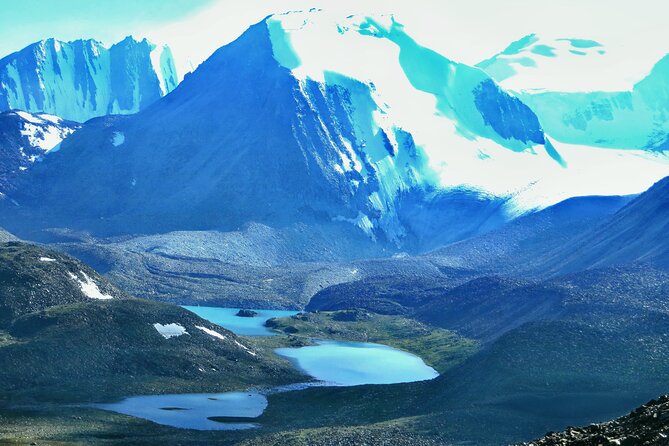
This is one of those Kyrgyz treks where the point isn’t “collecting photos.” It’s spending days inside the Alai Valley world—moving along rivers, crossing mountain saddles, and staying in places the local herders recognize. You’ll start and end back at Sary Mogol, and you’ll work your way through the Kichik-Alay / Trans-Alay region with two major pass days doing the heavy lifting.
From a comfort-and-value angle, the best part is that you’re not paying extra line items for your sleeping plan and most meals. For $450 per person, you’re getting a guide, multiple meals (vegetarian included), and 4 nights of accommodation split between one guesthouse and yurt camps. That’s the kind of structure that keeps your day focused on walking and views, not logistics.
Altitude and passes: where the challenge really is
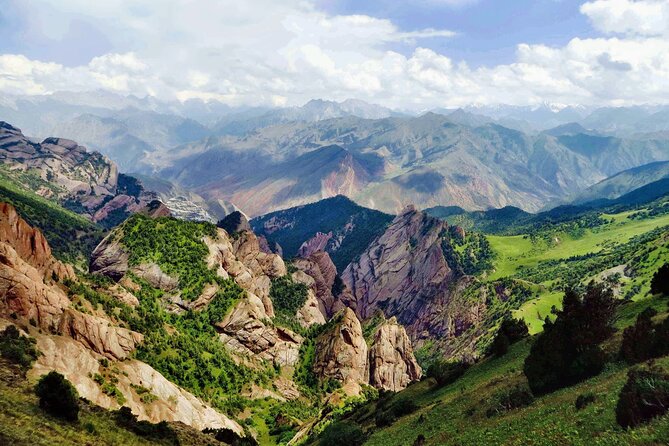
Let’s talk altitude honestly. In the Alai Valley area, the minimum altitude begins around 2,500 m, and then the route rises quickly. The trek is recommended for people with moderate fitness who have no altitude-related health problems. That matters because this hike isn’t gentle “nature strolling.” You’re walking uphill at elevations where even steady effort can feel harder than expected.
You’ll also feel the pass rhythm. The headline passes are:
- Sary-Mogol Pass (4,280 m)
- Jiptik Pass (4,185 m)
Then there’s Sary-Bel (3,150 m) on day 3, which acts like a bonus crossing that keeps the hiking varied rather than repeating the same climb style.
One key detail: the route is described as starting from the Sary-Mogol Pass area in the overall round-hike concept, and the trail leading up to that pass area rises roughly 900 m. Translation for your planning: if you arrive feeling fresh but didn’t acclimatize beforehand, the first big uphill day can feel sharper than you expect. If you can, build in altitude time before you start this trek.
Day 1: Kichik-Alay and the Sary-Mogol Pass day
Your day begins with a short car transfer—about 1 hour—from Sary Mogol to the trailhead. Then the trekking starts, and yes, it’s described as a bit tough because you’re climbing toward the Sary-Mogol Pass (4,280 m).
Why I like the way day 1 is set up: you’re not jumping straight into a long, slow approach road. You get the lift to the trailhead, then your hike becomes the focus immediately. Expect steady uphill effort and the kind of terrain where you’ll want to keep your pace controlled—especially if you’re sensitive to altitude.
This is also a day where your trekking rhythm matters more than speed. When the air is thin, pushing can make you feel worse for the rest of the day. The pass itself is the payoff: you’re stepping onto one of the best-known viewpoints in this region, and from there you can start imagining the loop you’re building.
Day 2: the river path into Kosh-Moynok Gorge
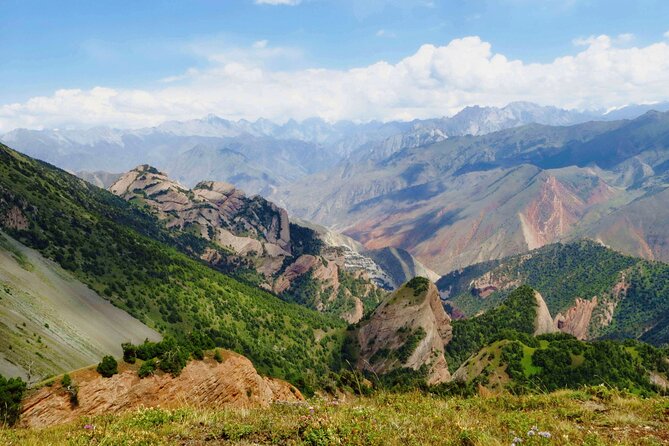
Day 2 starts by heading east along the river and then moving with a slight descent toward the end of a mountain gorge. In practical terms, this often feels like a change of gear: after day 1’s high pass climb, day 2 tends to give your body a chance to move more comfortably while still staying active.
The route includes crossing a small village under the Sary-M… area (the name comes through as a key landmark on the way). It’s the kind of moment that reminds you this is not a closed-off hiking experience. People live in these regions, and your trail intersects real daily geography.
Your overnight stop is Kosh-Moynok Gorge, a summer pasture area loved by locals in the Kichik-Alai region. This is a big deal for the overall feel of the trek because pastures mean you’re likely sleeping in a place that’s part of seasonal life, not just a scenic camping spot. Yurt nights also tend to make the evening energy different—you get that quiet “we actually did it” mood once the walking stops.
Day 3: Cretaceous mountains, Sary-Bel, and Kozho-Kelen
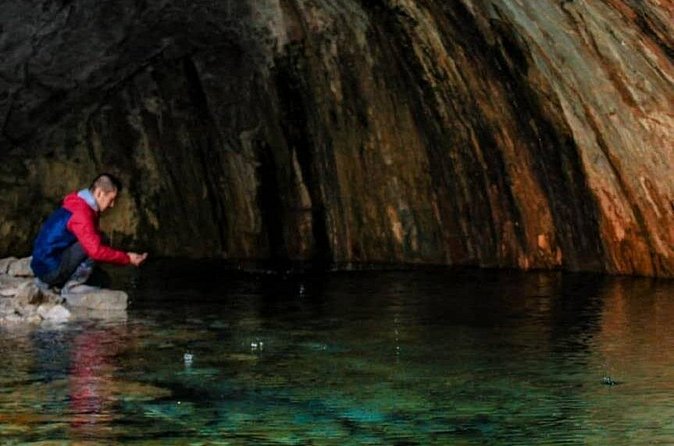
Day 3 is where the hike gets interesting under the hood. You begin on the slopes of the Cretaceous mountains of Kichik-Alay, then you cross Sary-Bel Pass (3,150 m). After that, the route goes via Oy-Tal and is described as shorter and more enjoyable—so it’s not a day of constant max effort.
What you’ll likely notice on day 3 is variety. Day 1 and day 2 set the altitude and gorge rhythm, and day 3 adds more “mountain character” in the terrain and route feel. It’s the kind of day that helps you keep the trip from turning into one long grind.
Your stop for the day is the village of Kozho-Kelen, which stretches over about 6 kilometers and sits across two canyons along the Sharpyldak and Chal-Kuyruk rivers. It’s at roughly 2,200 m elevation. The canyon setting is a good thing to know because it tends to change wind and light. If you’re sensitive to cold at night, you’ll want to keep layers handy.
Day 4: Jiptik Pass and the view toward Lenin Peak
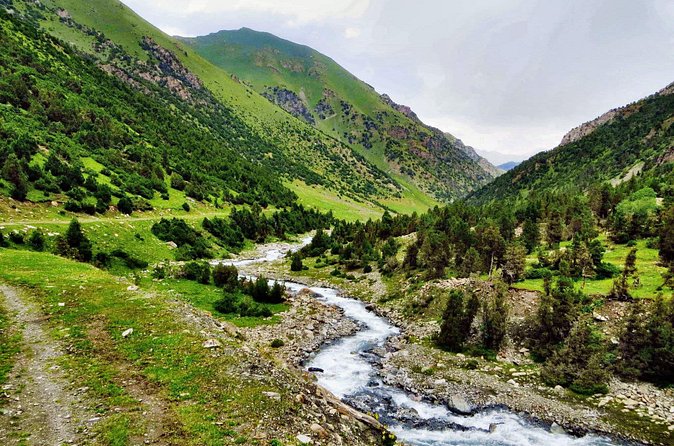
After breakfast, you continue up to the top of the Jiptik Pass (4,185 m). The itinerary describes crossing it until noon, with a real highlight if the weather cooperates: if the sky is clear from the pass, you can see the Pamir-Alay valley and Lenin Peak (7,134 m).
This is the kind of payoff moment where timing matters. Because the crossing is until around noon, you’re not waiting around all day; you’re moving while the view is at its best. If skies are cloudy, you still get the high-pass experience, but the distant peak may be harder to catch.
Once you finish the crossing portion, the trek wraps back toward your meeting point area. The tour ends back at the starting location, which keeps logistics simple: you’re not figuring out a complicated transfer at the end of the hike.
Food, sleep, and vegetarian meals that actually work on a trek
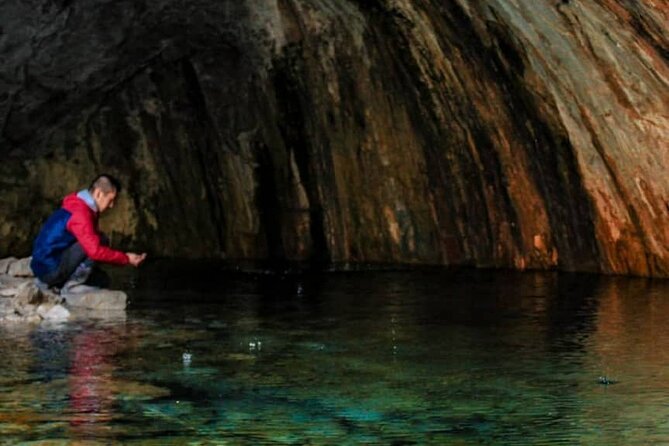
Meals are included for all trekking days: 4 breakfasts, 4 lunches, and 4 dinners, with vegetarian food included. You’ll also sleep 4 nights total across 1 guesthouse and 3 yurt camps.
This is one of the strongest value points here. On remote trekking routes, food and shelter often become the “hidden cost.” This setup removes that stress. You can focus on hydration and pacing, and you’re not negotiating food logistics with limited language or limited options.
Yurt nights also change your energy in a good way. They’re not luxury, but they’re part of the region’s lived-in trekking experience. You’re likely to eat well enough to refuel for another hiking day, then settle in and rest before the next pass.
Guide quality: what to expect from the people running the plan
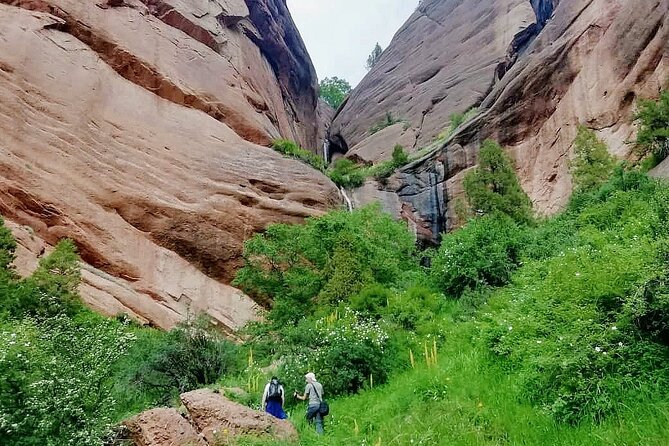
A trek like this rises and falls on your guide’s ability to keep things organized. The good news: multiple guide names show up with strong praise—Abdalla for reliability, Akyl for motivation and clear information, and Tolibek / Tolik for expertise and helpful support.
That “helpful support” piece matters on a route with passes and multiple stops. Even if you’re an experienced hiker, high-altitude navigation and timing can get tricky. A guide who stays calm, keeps you informed, and helps with translations (when needed) turns the trip from difficult to manageable.
One thing I’d take seriously in your planning: since the guide speaks English or Russian, confirm language fit when you book. Even basic communication helps a lot when you’re deciding how fast to walk or when to take a break.
The walking schedule: pacing, fitness, and what moderate really means
The daily trekking time is described as 5–6 hours of active walking. That’s a fair amount for a 4-day loop, and it also means you’ll be walking most of the time, not just sampling trails.
“Moderate physical condition” is the right category for many people, but altitude changes everything. So if you’re building confidence, train for steady uphill effort and practice hiking on uneven ground. Bring a pace you can maintain even when you start feeling the altitude.
Also note: the trek includes tough elements because of the passes. Your best strategy is to manage effort early. Most hikers slow down when altitude hits; if you go out too fast on day 1, you’ll pay for it later.
Price and value: is $450 worth it?
At $450 per person for roughly 4 days, this trek looks like decent value because several major costs are bundled:
- accommodation: 4 nights (guesthouse + yurt camps)
- meals: breakfast/lunch/dinner daily during the trekking portion
- guide support
- trekking over a pass loop with structured daily stops
If you tried to assemble those pieces yourself in south Kyrgyzstan, you’d likely spend time and money negotiating transport, lodging, and food in a remote area. Here, you’re buying coordination. That coordination is especially important because the itinerary includes multiple elevations and two big passes.
The optional cost to watch is porter support. Poter/pack-horse assistance is available for an additional fee if you need it. And tips aren’t included. If you’re carrying a heavy pack and want the climb to feel easier, you can consider arranging porter support in advance.
Getting there and how the trip starts on time
The meeting point is Alay travel house (MVFM+6FG, Sary Mogul, Kyrgyzstan), and the start time is 8:00 am. The tour ends back at that meeting point.
You’ll also get a mobile ticket. That’s a small thing, but on travel days it can keep check-in smoother.
The tour is private, meaning it’s only your group participating. That usually helps with pacing and comfort because your guide isn’t juggling mixed-speed people.
What to pack (and what to plan for) without overthinking it
The data here doesn’t list gear, so I’ll keep this practical and general for high-altitude trekking:
- Warm layers for cold mornings and windy passes
- Good traction shoes for uneven trail sections
- A system for water and electrolytes, since elevation and effort both increase thirst
- Rain protection, because pass days often bring quick weather changes
- Sun protection (high elevation sun is real)
Because you may see Lenin Peak only when the sky is clear, you can’t control the view. But you can control how comfortable you are while waiting for that view moment at Jiptik.
Should you book the Loop Trek of Sary Mogol?
Book this trek if you want a real high-pass circuit with structured days, included meals, and a plan built around walking time and acclimatization logic. It’s a great fit for hikers who are comfortable with a tough but not extreme daily effort and who know how altitude can affect breathing and energy.
Skip (or delay) if you have any altitude-related health concerns, because the trek starts at a high elevation and climbs quickly. If your idea of trekking is mostly flat trails, this will likely feel like a wake-up call.
If you decide to go, do one more smart thing: acclimatize before you start. That’s not extra fuss. It’s the difference between enjoying the passes and surviving them.
FAQ
How long is the Loop trek of Sary Mogol?
It’s about 4 days.
How much does it cost per person?
The price is $450.00 per person.
Where do I meet the tour and what time does it start?
You meet at Alay travel house (MVFM+6FG, Sary Mogul, Kyrgyzstan), and the start time is 8:00 am.
What’s included in the price?
The tour includes 4 nights of accommodation (1 guesthouse and 3 yurt camps) with meals (vegetarian), plus a trekking guide (English or Russian speaking) and 4 lunches, 4 dinners, and 4 breakfasts.
What’s not included?
Not included are the last night in Sary Mogol after the trek, any porter/pack horse/man support (optional for an additional fee), and tips.
How much hiking will I do each day?
You can expect about 5–6 hours of active walking per day.
What altitude will I reach, and what passes are involved?
The route includes passes at Sary-Mogol Pass (4,280 m) and Jiptik Pass (4,185 m), plus Sary-Bel Pass (3,150 m) on day 3. The region starts around 2,500 m and rises quickly.
Can I see Lenin Peak from this trek?
From Jiptik Pass, you can see the Pamir-Alay valley with Lenin Peak (7,134 m) if the sky is clear. Visibility depends on weather.