REVIEW · SA PA
From Sapa: Sapa Trekking Private Tour With Female Guide
Book on GetYourGuide →Operated by Vietnam Package Tours · Bookable on GetYourGuide
Short tour, big cultural payoff. This Sapa experience is built around meeting two major ethnic groups in their traditional homes and getting the kind of explanations that make names like Black Hmong and Red Dao feel real. I especially like the simple, human rhythm: welcome drinks, tea-time talk, and time for photos with locals—then continuing into the Muong Hoa Valley for terraced views and Dzay community life.
The one thing to think about is physical comfort. This isn’t listed as wheelchair-friendly, and it isn’t suitable for people with back problems, so you’ll want comfortable shoes and a realistic expectation of uneven ground and short walks.
In This Review
- Key highlights worth planning around
- How the 4-hour Sapa circuit works without feeling rushed
- Pickup in Sapa and the drive that sets the tone
- Black Hmong and Red Dao traditional houses: what you’ll actually do
- The difference between Black Hmong and Red Dao, explained for real humans
- Muong Hoa Valley in the southeast: terraced views and Dzay life
- Photo stops that don’t feel like a trap
- Your female English guide: why Dely makes the day click
- Price in Sapa: what $30 buys and what it doesn’t
- What to bring (and how to stay comfortable in the mountains)
- Weather, routes, and keeping your expectations sane
- Who this tour suits best (and who should reconsider)
- Should you book this tour?
- FAQ
- What’s the duration of the Sapa Trekking Private Tour?
- Is this tour private?
- Where does the tour start?
- Which ethnic groups are included in the tour?
- Is the guide English speaking?
- Are meals included in the price?
- What should I bring?
- What kind of extras are included for photos?
- Is there free cancellation?
Key highlights worth planning around
- Traditional houses and welcome drinks with Black Hmong and Red Dao families
- Muong Hoa Valley scenery plus time with the Dzay community
- Time to ask questions and take photos without rushing you along
- A female English guide named Dely who makes culture easy to understand
- Edited video souvenir if you send photos to the guide on WhatsApp
- Private group pacing with a pickup from your Sapa accommodation
How the 4-hour Sapa circuit works without feeling rushed
This is a tight, well-paced half-day outing. You start with pickup in Sapa, then head north and southeast with a local guide who’s working from a clear theme: how people live, what they value, and how the ethnic groups you see around Sapa compare.
The biggest win with a 4-hour format is that it fits many travel styles. If you’re in Sapa for a short time, or you’re juggling cold mornings and foggy weather, you still get meaningful village time without burning your whole day on logistics. You also get the terraced-field payoff from Muong Hoa without committing to a full trekking day.
That said, because it’s time-limited, you’ll want to show up ready to move. Bring water and sunscreen, and keep your camera charged. This isn’t a sit-and-watch show—the value comes from conversation, walking a bit, and looking closely.
You can also read our reviews of more tours and experiences in Sa Pa.
Pickup in Sapa and the drive that sets the tone
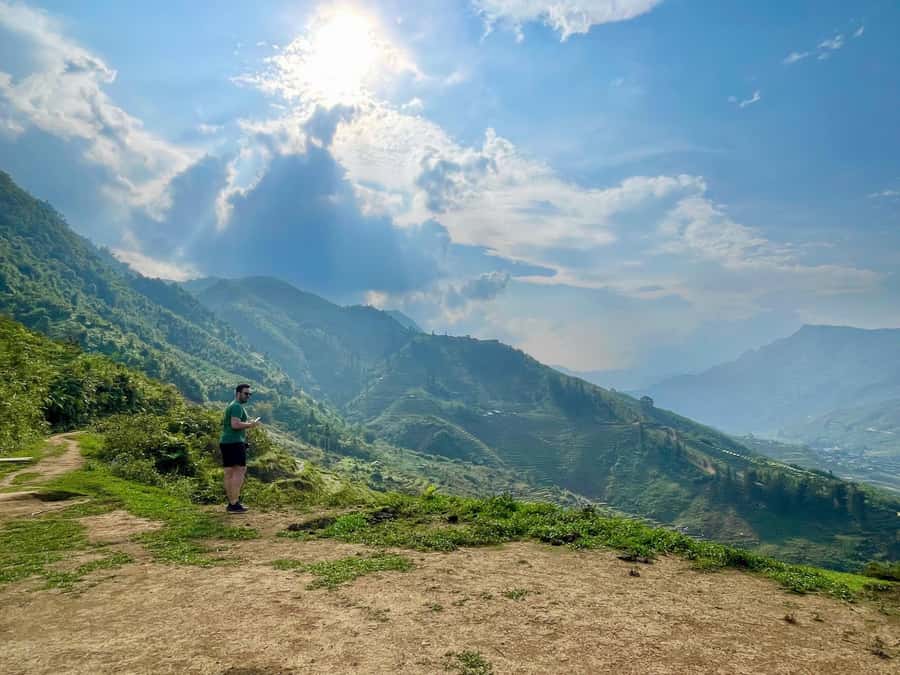
You’ll be picked up from your accommodation in Sapa and meet your driver/guide. From there, the tour begins with a short introduction and then you head out of central Sapa in the direction of the north first.
Why that matters: the order of the day shapes what you notice. Starting with Black Hmong and Red Dao gives you a baseline for clothing, home life, and customs before you go toward the Dzay presence in the Muong Hoa Valley. By the time you reach the southeast, you’re not just seeing another village—you’re comparing how communities organize daily life in a mountainous region.
The return trip also uses a different winding road back to Sapa. If you’re the type who likes “seeing how the road changes,” that added route is a small bonus.
Black Hmong and Red Dao traditional houses: what you’ll actually do
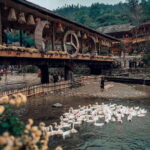
In the north of Sapa, you’ll visit traditional houses associated with the Black Hmong and Red Dao groups. This is where the tour becomes more than scenic stops. You’re not just looking at architecture—you’re invited into the rhythm of home life.
The experience includes:
- Visiting the traditional houses
- Tasting a welcome drink
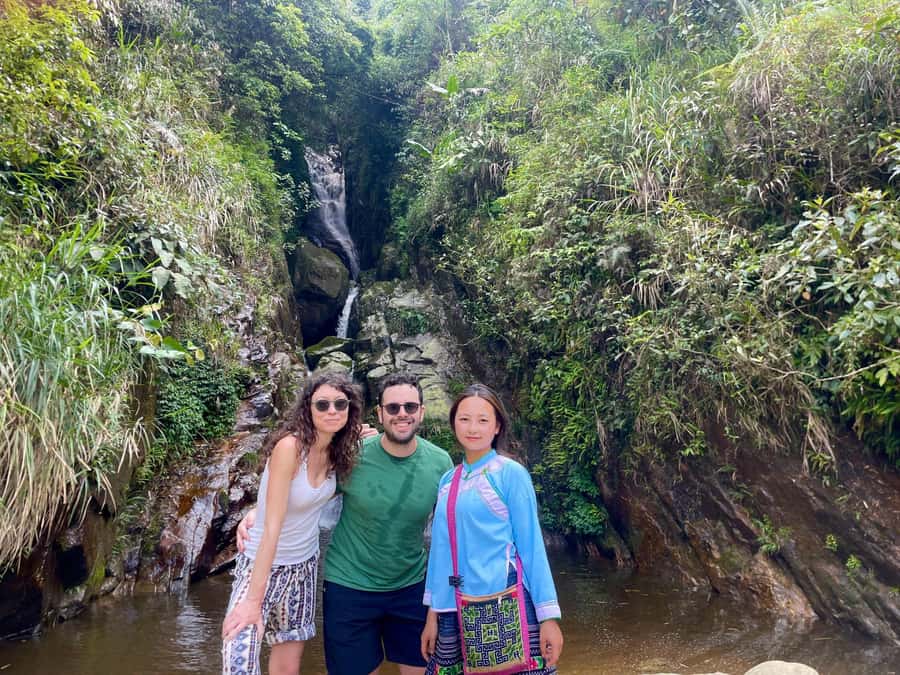
- Taking photos with friendly, hospitable locals
- Sharing tea and conversation to learn how people live and what customs mean in daily life
That tea-time talk is one of the easiest parts to enjoy, even if your questions are basic. Ask about family routines, clothing choices, or what’s important to people in that community. A guide can turn vague curiosity into real understanding quickly.
A practical note: the houses and photo moments depend on conditions on the ground and on how the day runs. The tour notes that the itinerary could change due to weather, booking times, or other unforeseen circumstances—so don’t plan a tight connection right after.
The difference between Black Hmong and Red Dao, explained for real humans
Sapa is famous for ethnic diversity, but most first-timers only catch the surface. This tour aims to fix that by focusing on the difference between the two largest ethnic groups in Sapa.
Instead of treating culture like a checklist, the guide’s job is to connect what you see to meaning. You’ll get explanations tied to:
- customs and day-to-day habits
- traditional homes and how they’re used
- what makes each group distinct in appearance and lifestyle
A big part of why this works is the guide’s ability to slow down and answer questions. One of the strongest impressions from this tour is how much time the guide spends talking and explaining, not just moving between points.
If you’ve ever felt overwhelmed by too much info while doing tours, the style here helps. The pace and the structure let you absorb one idea at a time—house, drink, conversation—then move on.
Muong Hoa Valley in the southeast: terraced views and Dzay life
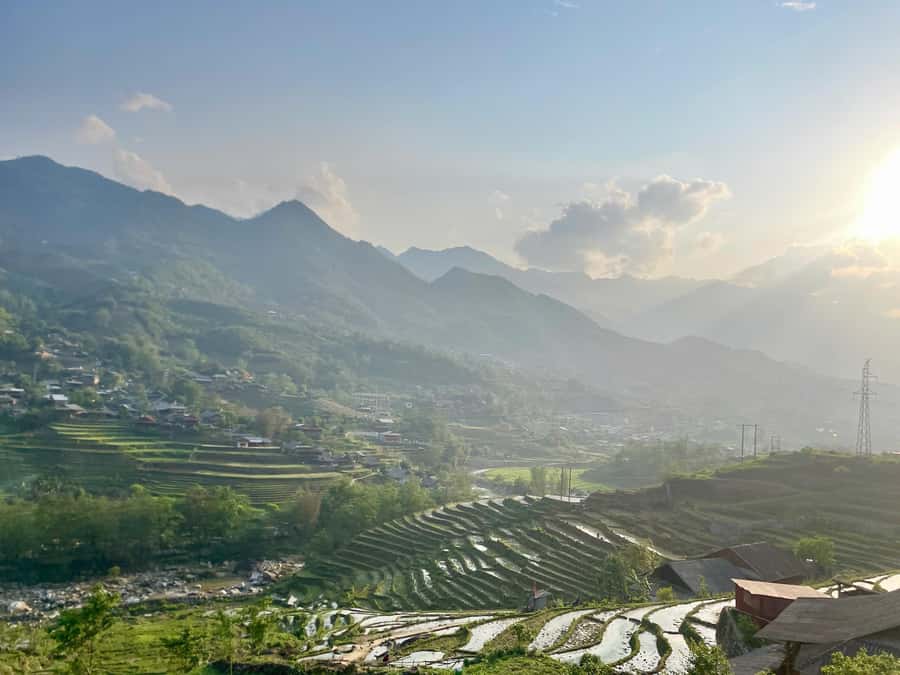
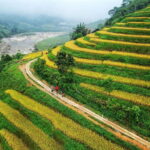
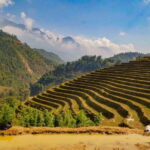
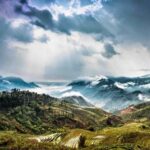
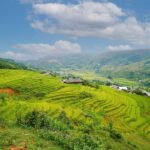
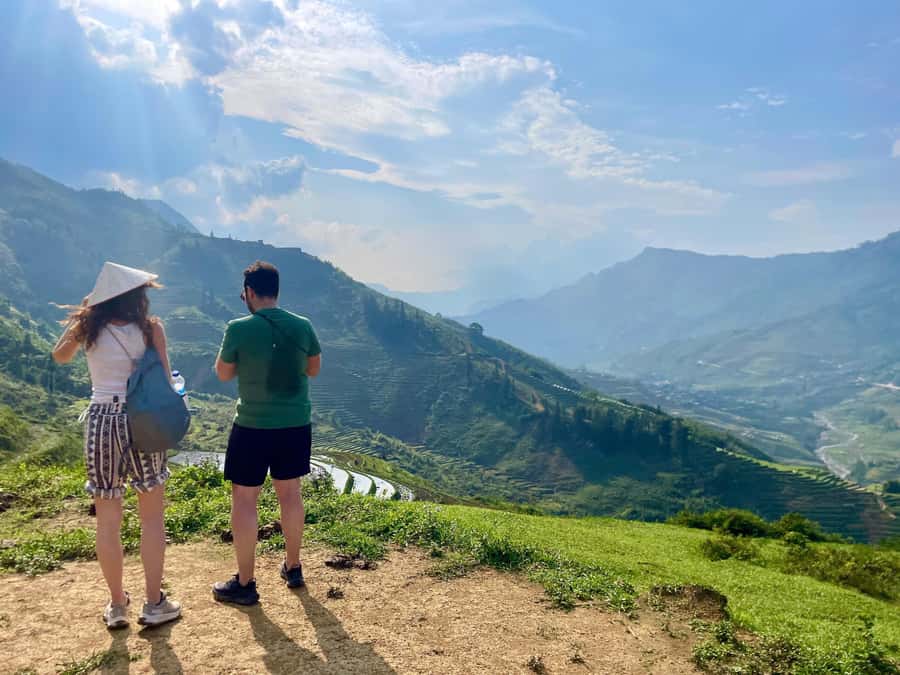
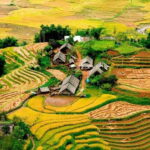
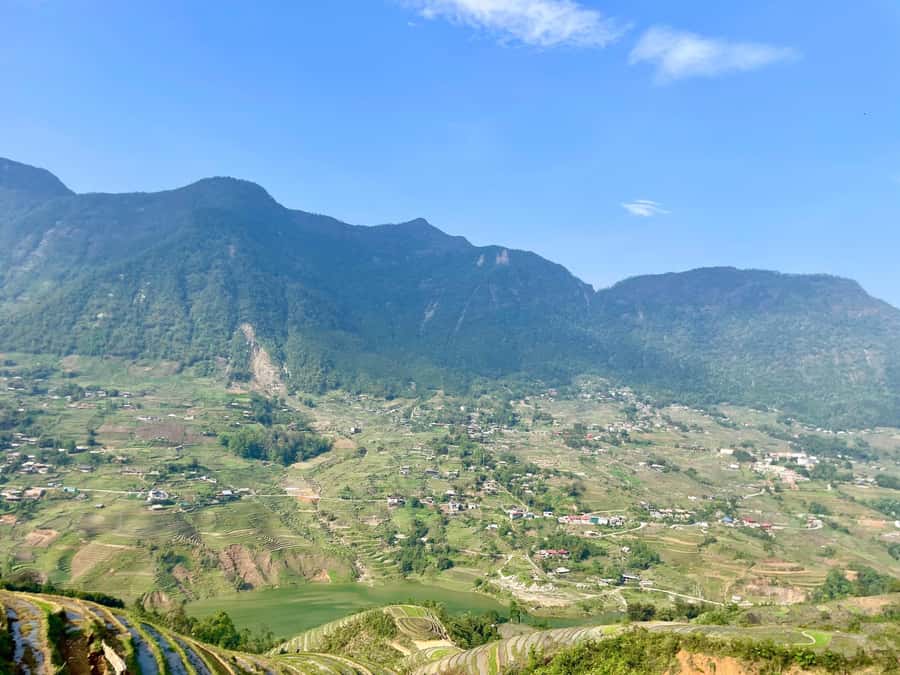
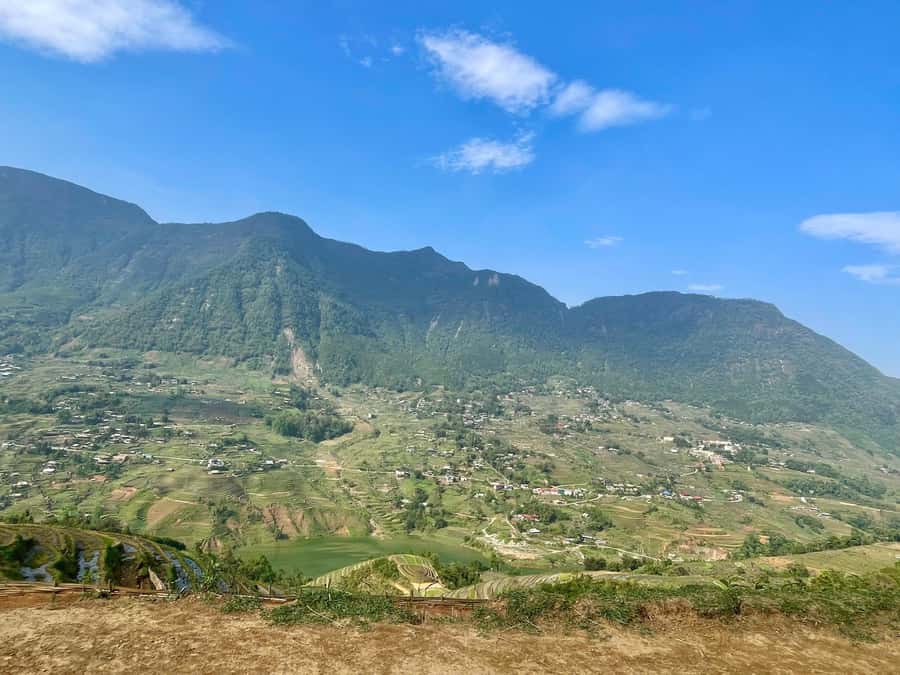
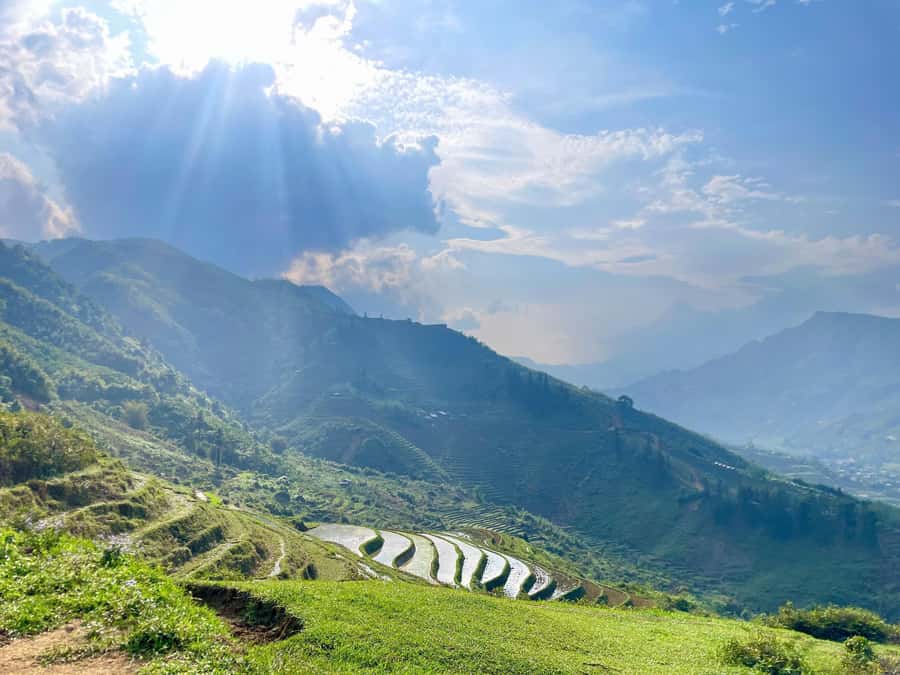
After the north village segment, you’ll continue to the southeast of Sapa to explore Muong Hoa Valley and meet the Dzay community there. This is where the scenery ramps up, especially with the terraced fields.
You’ll go deeper into Muong Hoa Valley and see:
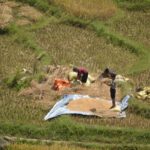
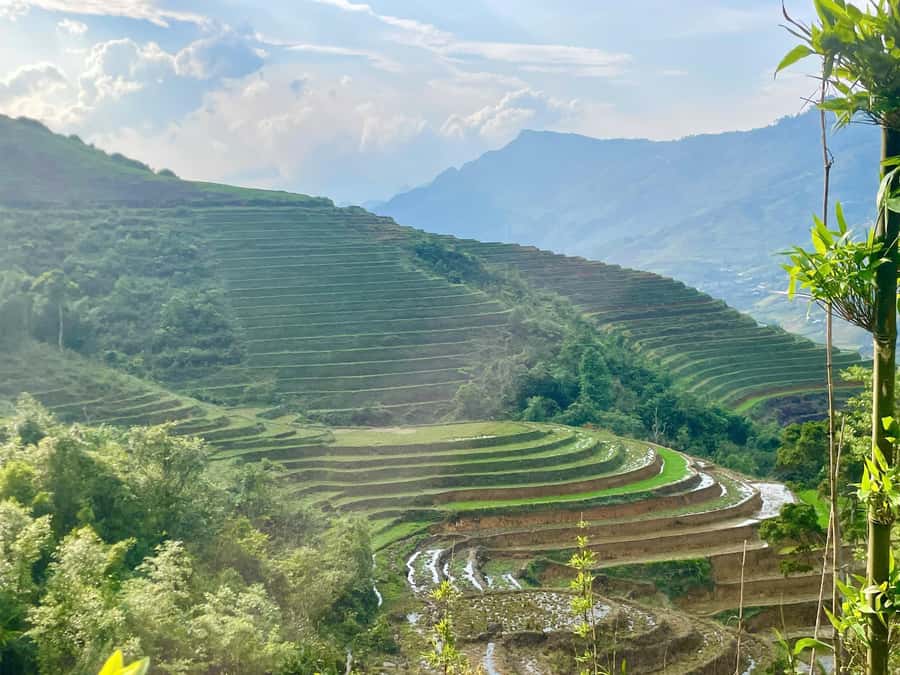
- terraced rice fields
- friendly locals in the valley
- Dzay ethnic life in context, not as a distant concept
This portion is valuable because it shifts the focus from “visit and learn” to “see how agriculture shapes life.” Terraces aren’t just pretty lines on a hillside. They’re linked to how people work, how families plan seasons, and how the valley stays livable in steep terrain.
If weather is moody, you may still get a strong experience. The guide and the group can adapt the route and timing. The trip is designed to keep the cultural component front and center even when the sky isn’t perfect.
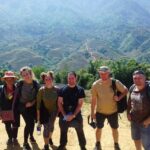
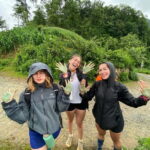
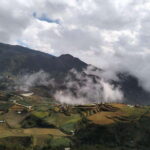
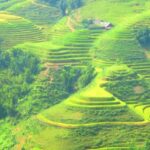
Photo stops that don’t feel like a trap
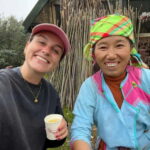
You’ll have chances to take pictures with locals during the traditional house visits. That’s a key difference between a photo-only experience and a real community tour: you’re getting permission and context, not just snapping for Instagram.
For your photos, think practical:
- Bring your camera strap and extra charge—short stops can add up fast
- Try for portraits during tea-time talk when people feel relaxed
- For the terraces, look for viewpoints where you can include both the fields and the valley depth
Timing matters too. With a half-day schedule, you won’t control the light like a sunrise trek—but you can still aim for open views when the road and valley points line up.
Also, this tour adds a fun digital souvenir option: if you send photos to the guide on WhatsApp, you get edited videos per booking. It’s not a requirement for enjoying the day, but it’s a neat way to keep a “best moments” recap later.
Your female English guide: why Dely makes the day click
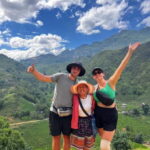
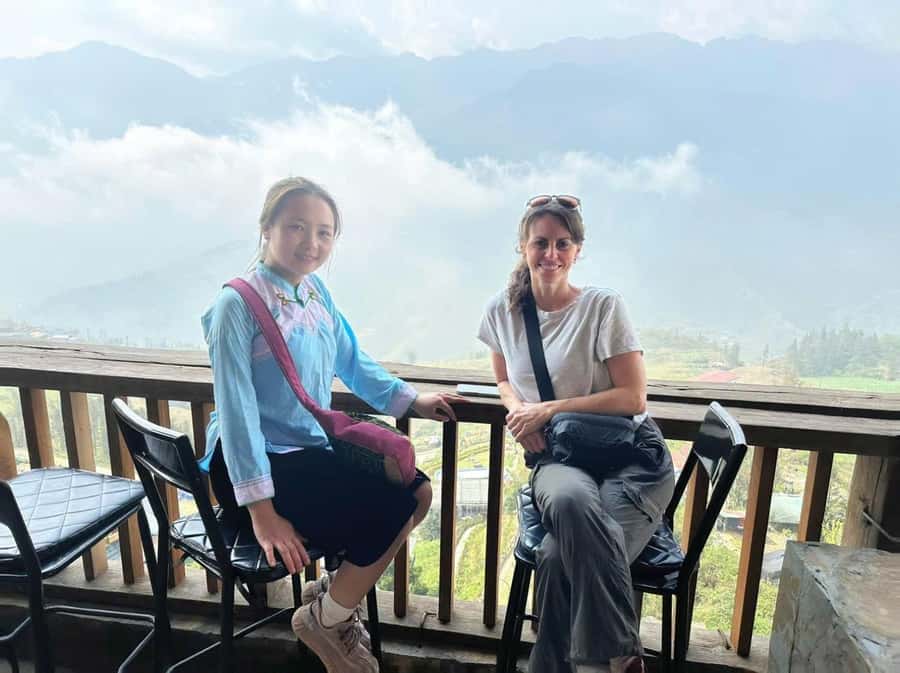
A big reason this tour earns strong ratings is the guide experience. Many people highlight a guide named Dely as especially helpful—good English, friendly attitude, and the ability to keep things fun without turning it shallow.
What you should watch for when you book a guide like this:
- She explains local lifestyle and culture in a way you can remember
- She makes time for conversation, not just checkmarks
- She adapts when weather changes, so the day still feels complete
In practical terms, this matters because cultural tours can go two ways. Either you hear fragments and forget them by dinner, or you get clear explanations tied to what you’re standing in front of. The best part of this setup is that you’re usually learning while your eyes are still focused on the subject.
And because it’s a private group, you won’t have that awkward moment where you’re squeezed for time because someone else asks a different question. The pace is meant for your group.
Price in Sapa: what $30 buys and what it doesn’t
At $30 per person for a private 4-hour tour, you’re paying for more than driving. You’re paying for:
- pickup from your accommodation
- English-speaking guidance
- access to traditional house visits and structured cultural conversation
- Muong Hoa Valley exploration with a guide who can interpret what you’re seeing
- photo time and the small added value of edited video if you share images
What you don’t get is meals and personal expenses. So budget for water and whatever snack you want before or after the tour. If you’re trying to minimize costs, it can still be good value compared to doing a patchwork of separate taxi trips plus hiring a guide for only one section.
If you’re the type who likes cultural meaning over just photos, this price starts to make even more sense. You’re not just buying scenery—you’re buying interpretation, and that’s where your understanding grows.
What to bring (and how to stay comfortable in the mountains)
The tour lists a simple packing list, and it’s the right one for a half-day out of Sapa:
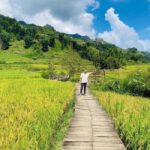
- Comfortable shoes (you’ll be on uneven ground)
- Hat
- Camera
- Sunscreen
- Water
Also, note the rules: smoking isn’t allowed.
One more practical tip: bring a light layer. Even if Sapa feels mild during the day, mountain weather can change fast, and you’ll want to stay comfortable during valley viewpoints and tea-time pauses.
Weather, routes, and keeping your expectations sane
Sapa weather can be unpredictable, and the tour itself says the itinerary could change based on weather, booking times, or other circumstances. That’s normal here. What matters is that the day is structured around two cultural regions—north with Black Hmong and Red Dao, then southeast with Muong Hoa and the Dzay.
So even if visibility drops, you still get the core experience: traditional house visits, welcome drink, conversation, and valley time. If you’re flexible, the tour tends to feel complete rather than disappointing.
Also, because it’s private, there’s less pressure from matching a large group’s needs. The guide can keep the day flowing even if conditions require small adjustments.
Who this tour suits best (and who should reconsider)
This is a smart fit if you want:
- a cultural introduction to Sapa’s major ethnic groups
- a guided explanation that feels conversational
- terraced views without a full-day trek
- a female English guide experience, with time for photos
You might want to skip it if you have mobility limitations related to back problems or if you need wheelchair access. The tour isn’t listed as suitable for wheelchairs, and it’s explicitly not suitable for back problems, likely due to terrain and walking segments.
Should you book this tour?
I’d book it if you want a high-value Sapa “taste” with real people, real explanations, and a compact schedule. The best reason is the mix: traditional houses in the north plus Muong Hoa Valley terraced scenery in the southeast, all guided in English with a guide who has a strong reputation—especially when that guide is Dely.
I’d reconsider if you’re very sensitive to uneven terrain or you need wheelchair-friendly routing. And if meals are a priority for you, plan ahead since meals aren’t included.
If you’re traveling in Sapa for a short window and you care about understanding the culture behind the photos, this one is a solid choice.
FAQ
What’s the duration of the Sapa Trekking Private Tour?
The tour duration is 4 hours.
Is this tour private?
Yes, it’s listed as a private group.
Where does the tour start?
You’ll get pickup from your accommodation in Sapa.
Which ethnic groups are included in the tour?
The tour focuses on the Black Hmong and Red Dao groups in the north of Sapa, and the Dzay group in the Muong Hoa Valley.
Is the guide English speaking?
Yes, the live tour guide is English speaking.
Are meals included in the price?
No, meals are not included.
What should I bring?
Bring comfortable shoes, a hat, a camera, sunscreen, and water.
What kind of extras are included for photos?
If you send photos to the guide on WhatsApp, you get edited videos per booking.
Is there free cancellation?
Yes, you can cancel up to 24 hours in advance for a full refund.