REVIEW · KATHMANDU
10 days Annapurna Base Camp Trek
Book on Viator →Operated by Eve Holidays · Bookable on Viator
Annapurna Base Camp feels close enough. In 10 days you fly to Pokhara, trek through villages like Ghandruk and Chhomrong, then arrive at Annapurna Base Camp before returning to Pokhara for a proper hotel reset. The whole thing runs with a small max 8-person group and full support for the moving parts.
I like how much gets handled for you: a professional guide, paperwork, and the TIMS and national park fees are included. I also like the pacing choice—about 5 to 6 hours of walking most trekking days, with lodge stops so you’re not constantly hustling for sleep. One thing to consider: the route has steep sections that can be tough on knees, so bring walking poles and take the climbs seriously.
In This Review
- Key highlights at a glance
- 10 days across Kathmandu and Pokhara, with the Annapurna Base Camp finish
- Price and what $1,598 buys you (and what it doesn’t)
- Thamel, arrival day, and getting oriented without rushing
- Old Gurung Museum stop and the Pokhara flight into trekking mode
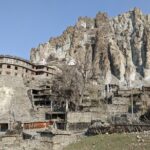
- Kimche to Ghandruk: your first taste of Annapurna village trekking
- Chhomrong on Day 3: steep effort, big bird-and-view payoff
- Sinuwa, Kuldigarth, and Dovan on Day 4: forests, river crossings, and the gateway feeling
- Deurali on Day 5: waterfalls, caves, and the quieter grind
- Annapurna Base Camp via Machhapuchhre Base Camp on Day 6
- Down to Jhinu Danda on Day 7: rhododendron forest and the slow release
- Day 8 to Nayapul and back to Pokhara: the hot shower moment
- Day 9 and Day 10 in Kathmandu: farewell dinner and free exploration
- Who this trek suits best (and when to reconsider)
- Practical tips that make the trek feel smoother
- Guide and support quality: where the experience often wins
- Should you book this Annapurna Base Camp trek?
- FAQ
- How long is the Annapurna Base Camp trek?
- Where does the trek start and end?
- Are flights included?
- Is airport pickup and ground transport included?
- What’s included for meals?
- Do I need permits or visa paperwork?
- Is cancellation free?
Key highlights at a glance
- Small-group trek (up to 8 people) for a calmer pace and easier coordination
- Permits and paperwork handled including TIMS and national park fees
- Guide support plus trekking equipment provided to reduce guesswork
- Wildlife and viewpoint moments around the Chhomrong ridge and forested climbs
- Pokhara downtime after trekking with a hotel stay and lakeside time
10 days across Kathmandu and Pokhara, with the Annapurna Base Camp finish
This is a classic Annapurna loop-style trek with a clear “before and after.” You start in Kathmandu, fly to Pokhara, walk through mountain villages for several days, reach base camp area, then descend back to the lowlands. You also get a buffer day in Pokhara after the trekking ends, which matters more than people think when your legs are tired.
The best part for many readers is that you’re not managing the logistics yourself. Ground transportation is handled in private vehicles, and you’re escorted at arrival in Kathmandu. Even the return day includes a tourist bus ride back to Kathmandu and a farewell dinner, so you end with less stress than you’d get from DIY.
You can also read our reviews of more tours and experiences in Kathmandu.
Price and what $1,598 buys you (and what it doesn’t)
At $1,598 per person, the value here isn’t just “a guide and a route.” It’s that the cost includes the big trip overhead: Kathmandu–Pokhara flights (with departure taxes), ground transport, lodge and hotel stays (twin share), and the official trekking side—TIMS and national park fees plus permits and paperwork.
Meals are partly included too: breakfast (9), lunch (6), and dinner (8). Food and drinks are not included unless specified, so you’ll still budget for snacks, tea-house extras, and anything beyond the included meals. Trekking equipment is listed as included as well, which helps if you’re traveling without the right gear.
One practical way to judge the price: compare the cost of arranging flights, permits, and a guide yourself, plus the time you’d spend planning. If you want your mental energy for the mountain, this package is built for that.
Thamel, arrival day, and getting oriented without rushing
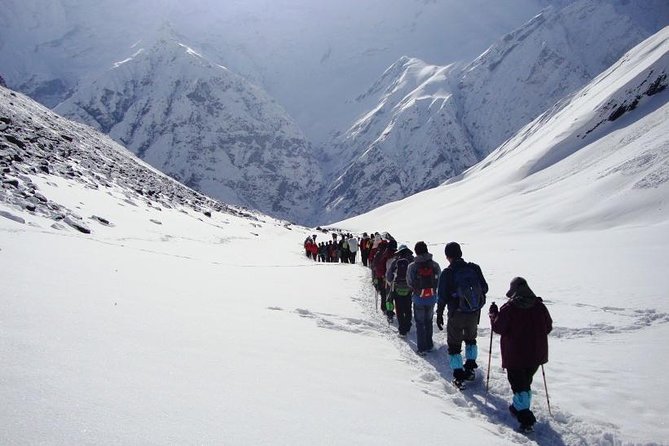
Day 1 puts you in Thamel in Kathmandu after you land. A representative meets you at Tribhuvan International Airport and escorts you to your pre-booked hotel, so you’re not figuring out transport while jet-lagged. The rest of the day is intentionally open for you to freshen up and get your bearings.
This matters because the trek starts the next day with a flight and a longer travel flow. If you take this day seriously—sleep, hydrate, and keep expectations simple—you’ll handle the start much better.
Old Gurung Museum stop and the Pokhara flight into trekking mode
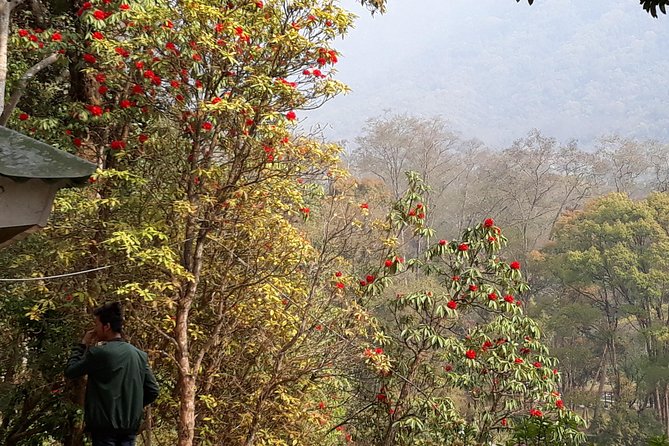
On Day 2, you fly to Pokhara and begin trekking from just outside town, starting around Kimche and working toward Ghandruk. The day includes a visit to the Old Gurung Museum, which is a nice reality check that you’re trekking through living culture, not just scenery.
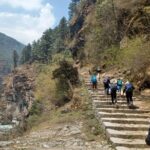
The walk itself follows stone pathways and includes climbing that can be hard on knees. The itinerary directly flags that it can be tough, so I’d treat that as your early warning sign: pack smart footwear, consider trekking poles, and avoid the temptation to “win” the first day by moving too fast.
Why this first trek day works: it’s long enough to get your rhythm, but not so punishing that you’re already cooked before the main climb phase begins.
Kimche to Ghandruk: your first taste of Annapurna village trekking
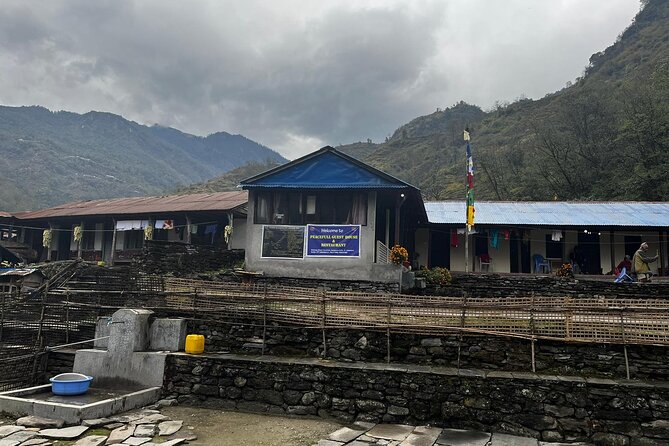
The Kimche to Ghandruk section is where you get familiar with how teahouse trekking feels day-to-day. You pass Kimche Village, then keep walking toward Ghandruk, with the trail doing a lot of the climbing early.
Expect narrow trail time and steady effort more than technical difficulty. If you’re the type who likes to stop for photos and still finish strong, this is a good day to practice that balance.
Chhomrong on Day 3: steep effort, big bird-and-view payoff
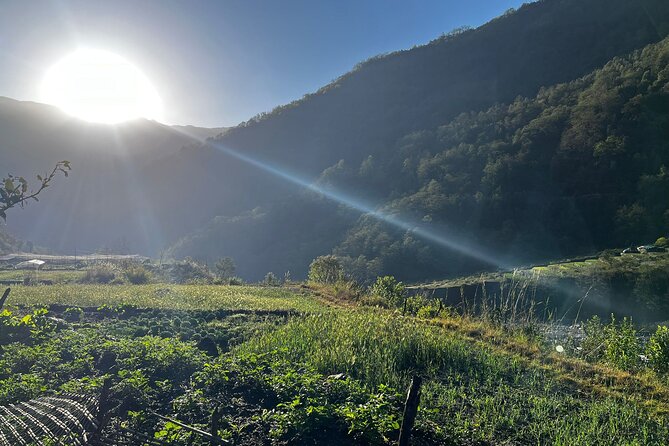
Day 3 moves you toward Chhomrong, with a route that includes crossing the Kimrong Khola by bridge, a short ascent to Taulung, then a longer steep climb that joins the main trail to Chhomrong.
A highlight is the high point above the main valley where you can see soaring birds—vultures, griffons, and lammergeiers—along with some excellent vistas. This is the kind of moment that makes an uphill day feel worth it, especially when weather is clear.
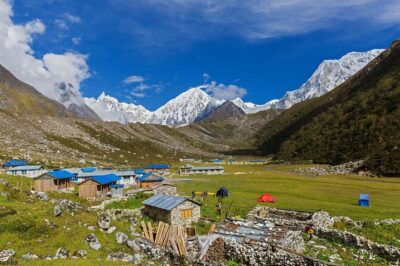
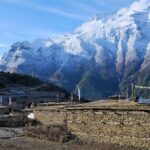
When you reach Chhomrong (listed at 2060m), you’re arriving at the last major settlement before entering the sanctuary area. That means you get village energy—lodges, tea stops, and the feeling of being close to the trekking core—even though tomorrow ramps up again.
Sinuwa, Kuldigarth, and Dovan on Day 4: forests, river crossings, and the gateway feeling
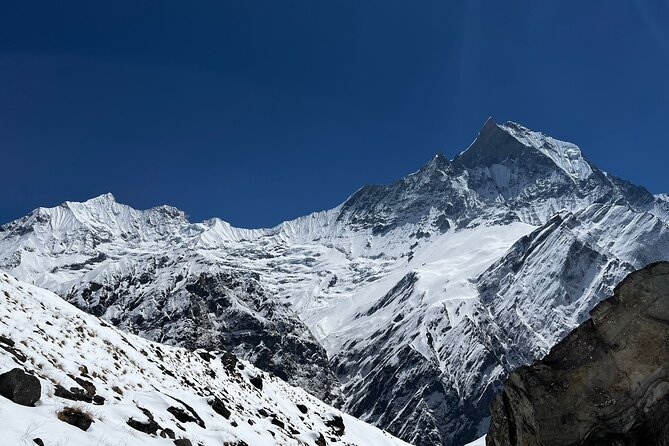
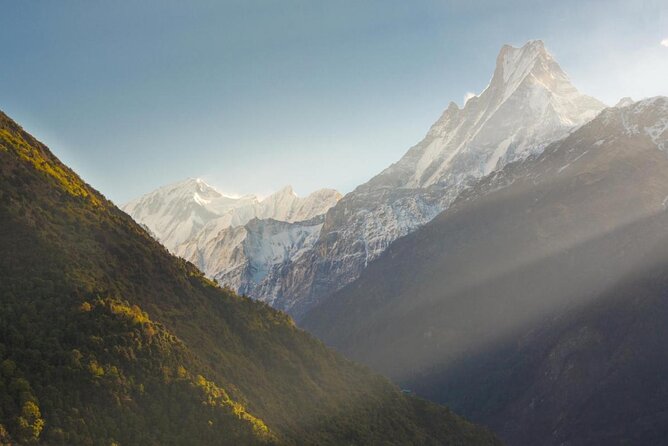
Day 4 is a shift into greener, forested walking. You’ll cross the Chommrong Khola by suspension bridge, then climb steeply through oak and rhododendron forests. The payoff includes views of Machhapuchare and Annapurna South, which are exactly the kinds of anchors people remember later.
The day builds in checkpoints: a ridge-top teahouse at Sinuwa (2350m), then a more gradual ascent toward Kuldigarth (2470m). Lunch is at the Bamboo Hotel (2340m), followed by continued ascent toward Dovan.
Dovan is described as the unofficial gateway into the sanctuary area, and the walk involves wet bamboo forest. In practical terms, that means you should expect damp conditions and plan for slower footing. If it’s raining or everything is slick, take your time on the trail edges.
Deurali on Day 5: waterfalls, caves, and the quieter grind
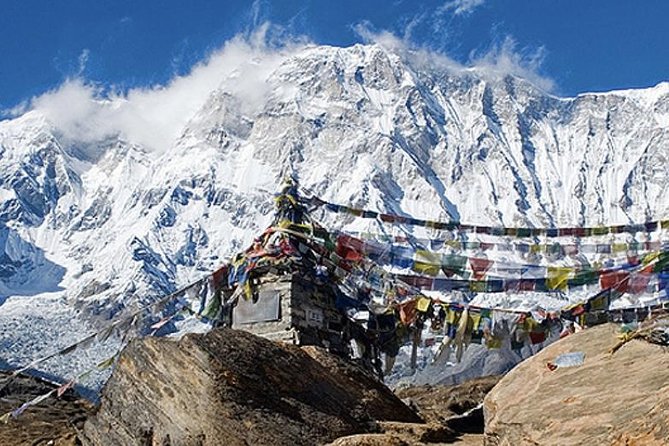
Day 5 keeps the momentum going and aims for Deurali. The route is described as passing waterfalls, caves, forests, and villages along the way.
This is the day that often feels like the “in-between” between lower village trekking and the higher, more dramatic base camp zone. If you like variety, waterfalls and cave sections can keep the hours from feeling repetitive. If you prefer straightforward walking, just know that this day may feel busier visually but still demands consistent effort.
Annapurna Base Camp via Machhapuchhre Base Camp on Day 6
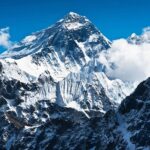
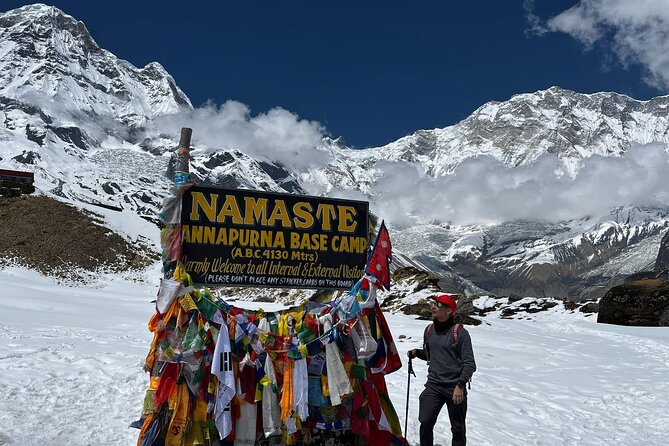
Day 6 is the big one: trekking to Annapurna Base Camp via Machhapuchhre Base Camp. The route also includes a lower-altitude night plan—descending to Machhapuchhre Base Camp for the evening stay.
This detail matters. Base camp days can be emotionally intense, and that can make people forget the basic mountain rule: altitude and fatigue are real even when the view is incredible. Having the plan to move to a lower camp for the night is a smart structure for recovery.
If you care about timing, expect a long walking day and prepare for changing conditions. Tea-house trekking can shift fast—sun to cloud, warm to cold—so dress in layers and keep an eye on how quickly you’re getting tired.
Down to Jhinu Danda on Day 7: rhododendron forest and the slow release
Day 7 is a descent rhythm. You trek through rhododendron forest, then continue down toward Chhomrong River and Chhomrong Village, finishing at Jhinu Danda for overnight.
Descending days can still feel hard on your body. Knees and calves often complain even when you’re going downhill, especially if you’ve been climbing for several days already. This is where your earlier decision to use poles (and pace yourself) pays off.
Jhinu Danda overnight gives you a change of scenery from the densest trekking hubs. It’s the “we’re not done yet” checkpoint before your final descent toward Nayapul.
Day 8 to Nayapul and back to Pokhara: the hot shower moment
Day 8 is your final trekking day and the bridge back to civilization. You descend to cross the Kimrong Khola, tackle a short ascent, then follow the Modi River until you reach Nayapul.
From there, you meet your bus and drive back to Pokhara. The itinerary calls out a hot shower and time to relax, plus the option to stroll around Pokhara Lakeside. That lakeside decompression is more than a nice bonus. After days of walking, it’s the mental reset that makes the whole trek feel complete.
If you’re the type who wants a reward with zero planning effort, this is it: arrive, wash up, and let your feet stop negotiating with gravity.
Day 9 and Day 10 in Kathmandu: farewell dinner and free exploration
Day 9 is travel back to Kathmandu by tourist bus (listed as about 8 hours). In the evening, you’ll have a farewell dinner at a traditional Nepalese restaurant with a representative from Eve Holidays.
Day 10 is free time in Thamel before you’re dropped to the airport for your flight. That structure is thoughtful: you get a chance to see Kathmandu at a normal pace rather than rushing around while still recovering from trekking.
Who this trek suits best (and when to reconsider)
This trek is aimed at people with moderate physical fitness. The schedule typically gives 5 to 6 hours of walking on main trek days, with some steep climbs. If you can handle long days on your feet and you take knee care seriously, this is a strong match.
It’s also a good fit if you want the trek supported without constant logistics work. Having a professional trekking guide, permits managed, and airport and ground transport handled makes this much easier to pull off—especially if you’re traveling from far away and don’t want surprises.
When to think twice: if you’re trying to do the Annapurna Base Camp dream without any tolerance for steep uphill effort. Day 2 explicitly warns about knee stress during climbs, and Day 4 includes steep negotiation in forested terrain. This isn’t a flat hike.
Practical tips that make the trek feel smoother
A few things I’d treat as non-negotiable based on the structure of the walking days:
- Bring walking poles if you have any knee sensitivity. The trek itself flags the climb can be tough on knees.
- Go slow early. Day 2 and Day 3 include climbing right away, and downhill doesn’t erase what you did.
- Pack for changeable mountain weather. Forested days and wet bamboo sections can mean damp trail conditions.
- Budget extra for what’s not included. Included meals are set counts, but food and drinks beyond that are on you.
Also, since your group is capped at 8 people, you’ll likely get a more personal experience from the guide and porter team. That’s helpful if you like to ask questions about trail conditions, timing, or what to expect next.
Guide and support quality: where the experience often wins
One of the biggest strengths of this trek structure is the human support. A professional trekking guide is included, and the named guide Pasang has been praised for keeping things moving smoothly. Booking support from Maina (Eve Holidays) also stood out as someone who made sure details were in order, which is exactly what you want when you’re traveling through multiple cities and a multi-day trek.
This kind of support isn’t just comfort—it reduces friction. When you’re focused on walking, not paperwork or sudden transport problems, the trek tends to feel more enjoyable and less stressful.
Should you book this Annapurna Base Camp trek?
I’d book it if you want a guided, organized Annapurna Base Camp trek that handles the official side (TIMS and park fees), includes key flights and transport, and gives you real downtime in Pokhara after the walking days. The price looks fair when you account for flights, permits, accommodation, and a big portion of meals already included.
I’d hesitate if you dislike steep uphill days or if you don’t plan to take knee-friendly steps seriously. This is still a trekking route with real altitude-time and long walking days, even with lodge breaks built in.
If your goal is to reach Annapurna Base Camp without turning your trip into a project, this package is set up to do that.
FAQ
How long is the Annapurna Base Camp trek?
It’s listed as 10 days approximately, including travel time between Kathmandu, Pokhara, trekking days, and time in Kathmandu at the end.
Where does the trek start and end?
The trek starts and ends in Kathmandu. You fly to Pokhara during the program, trek the Annapurna region, then return to Pokhara and later go back to Kathmandu.
Are flights included?
Yes. Kathmandu to Pokhara flights are included, along with airport departure taxes.
Is airport pickup and ground transport included?
Pickup is offered, and ground transportation is included by comfortable private vehicle for the covered transfer days. The program also includes a tourist bus ride from Pokhara to Kathmandu near the end.
What’s included for meals?
Breakfast is included for 9 days, lunch for 6 days, and dinner for 8 days. Food and drinks are not included unless specifically listed.
Do I need permits or visa paperwork?
National park fees and TIMS are included, and the program states that all paperwork and permits are handled.
Is cancellation free?
Yes, there is free cancellation. You can cancel up to 24 hours in advance for a full refund, and the experience requires good weather—if it’s canceled due to poor weather, you’ll be offered a different date or a full refund.