REVIEW · KATHMANDU
Langtang Trekking
Book on Viator →Operated by Trek Mania Nepal · Bookable on Viator
Langtang rewards bold mornings. This 13-day trek links Kyanjin Ri mountain views with Tibetan Buddhist monasteries and Gosainkunda Lake’s ice-cold air. You also get a rare mix of high-country scenery, quieter viewpoints, and small cultural hamlets across the Northern Himalayas.
Two things I like a lot are the licensed English-speaking trekking guide plus permits handled for you, which keeps your planning calmer from day one. I also like the way guides such as Kumar and Pradip bring the route to life, with clear explanations of cultural sites and even helpful photo moments.
One thing to consider: meals, trek accommodation, snacks, and bottled water are not included, so your total budget will be more than $699. Also, monsoon is not so good (spring and autumn are better), and the climate can feel extreme on the trail.
In This Review
- Key things to know before you go
- Langtang Trekking in plain English: what you’re signing up for
- Your first morning in Kathmandu: the 7:15 am start and pickup reality
- Licensed English guide + permits: why that’s more valuable than it sounds
- The Kyanjin Ri viewpoint: the view that makes the hard days feel worth it
- Kyanjin Gompa: the largest monastery moment in the valley
- Sherpa Gaon and Shin Gompa: culture you can actually talk to
- Gosainkunda Lake: turquoise water and the icy air test
- The middle stretch: Mangengoth and Mul Kharka’s long-walk rhythm
- Chisapani: the payoff area where you slow down
- Price and value check: is $699 reasonable for this package?
- What’s included vs. what you’ll need to plan (so you’re not stuck)
- Season choice: spring and autumn are your safest bet
- Fitness and pace: moderate means long hours, not couch power
- Mobile ticket and a private setup: how that affects your trip feel
- Who this trek suits best
- Should you book this Langtang package?
- FAQ
- How long is the Langtang Gosaikunda and Chisopani Trek?
- Where does the trek start, and what time?
- Is pickup offered?
- What’s included in the $699 price?
- What isn’t included, so I should plan for extra costs?
- What season should I choose?
- Can I cancel for free?
Key things to know before you go
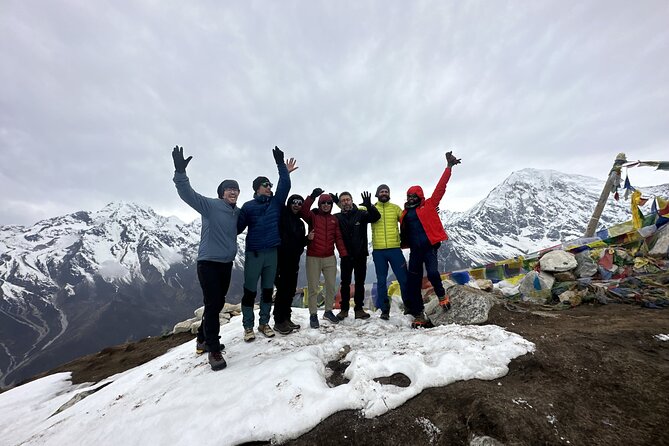
- Kyanjin Gompa: the largest monastery of the Langtang valley, and a real cultural stop, not just a photo pause
- Gosainkunda Lake: famous turquoise waters and that icy air experience right above the lake
- Tibetan Buddhism route: monasteries like Kyanjin Gompa and Shin Gompa, plus everyday hamlet life
- Season matters: best in spring and autumn; winter is not part of this plan
- Private group feel: your group stays together, with pace and logistics handled for you
Langtang Trekking in plain English: what you’re signing up for
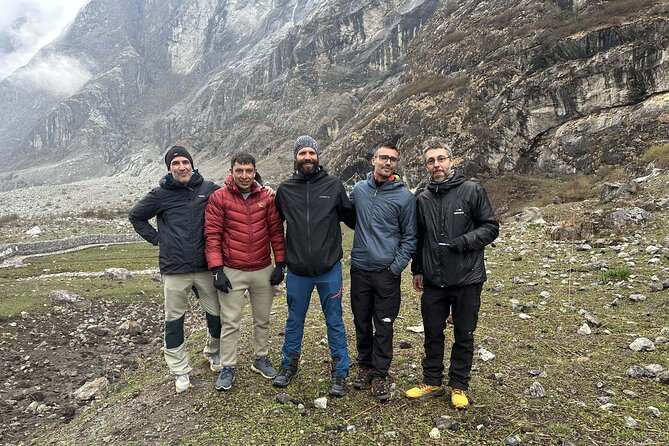
This trek is built around a strong chain of places: the Langtang valley, the Gosainkunda highlands, and then the Chisapani area. The promise is not just big views. It’s also the cultural side of Tibetan Buddhism—monasteries, daily life in settlements, and conversations that make the route feel human.
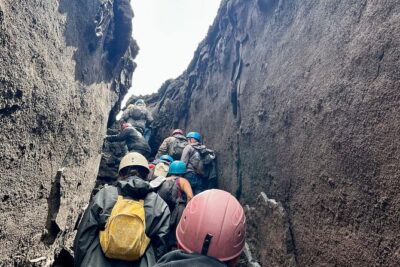
You’ll move through classic trekking country—days of walking, then moments where the air shifts and the mountains take over the whole sky. The route is often described as one of the best ways to see the Langtang region’s most memorable corners, including places like Kyanjin Ri and Gosainkunda.
At a practical level, think of this as a “full trekking package” where someone else handles key paperwork and coordination. That matters because time and weather are real factors up here.
You can also read our reviews of more tours and experiences in Kathmandu.
Your first morning in Kathmandu: the 7:15 am start and pickup reality
The day starts early: you’re looking at a 7:15 am start. That’s a good thing. It gives you daylight for the first travel block and helps you avoid scrambling.
You may also have pickup offered, and the trek uses an air-conditioned vehicle. That combo is especially helpful if you’re arriving in Kathmandu and want a smoother handoff into trekking mode without extra searching.
The meeting point is listed as near public transportation. Translation: you’re not totally dependent on one remote location. In real terms, it still helps to confirm the exact pickup spot the day before so you’re not guessing at dawn.
Licensed English guide + permits: why that’s more valuable than it sounds
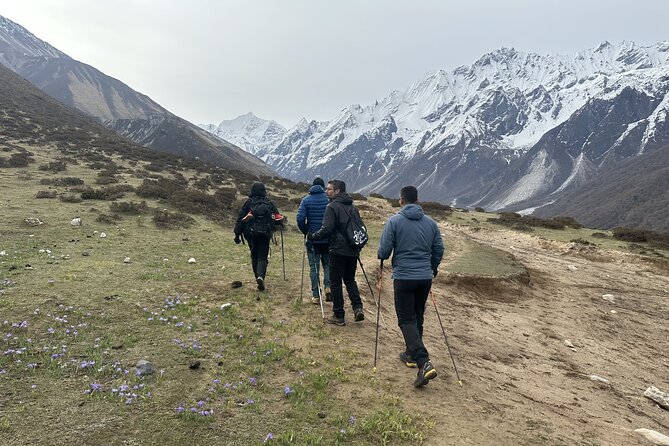
This trek includes an English speaking trekking guide licensed by the Government, plus permits. Those sound like boring checklist items, but in Nepal they can make a huge difference in how smoothly the trekking days flow.
A licensed guide means you’re not just paying for walking supervision. You’re paying for navigation, timing, and cultural interpretation along the way—especially on a route that includes monasteries and smaller viewpoints. When your guide can explain what you’re seeing, you’ll get more out of every stop, even the ones that would otherwise look like another bend in the trail.
Permits included also protect your time. You don’t want to spend your first big travel day trying to figure out paperwork in a city while jet lag hits.
The Kyanjin Ri viewpoint: the view that makes the hard days feel worth it
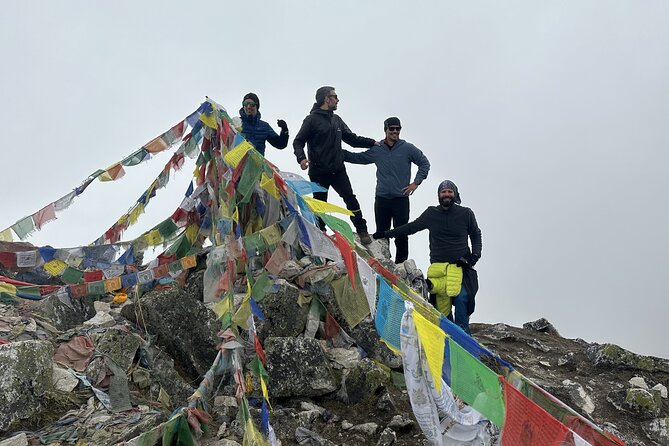
Kyanjin Ri is one of the trip’s big moments. It’s the kind of viewpoint where the whole valley suddenly makes sense—how the mountains, ridges, and settlements relate to each other.
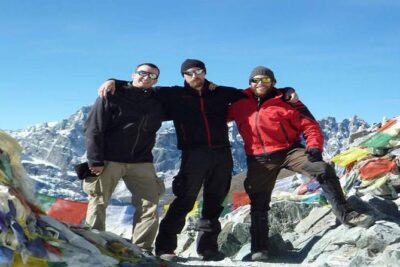
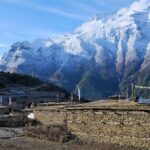
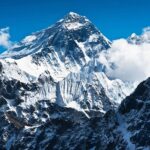
You’ll get a strong sense of scale here: the Langtang range, plus sightlines toward larger names in the broader region like Ganesh Himal and the Annapurna range. Even if you don’t memorize every peak, you’ll come away with a better mental map.
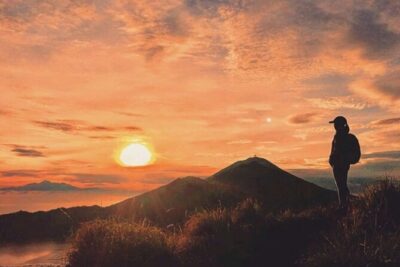
The viewpoint is also where you’ll feel the rhythm of the trek. Morning cold, steady uphill effort, then that payoff when the air opens up and you can see farther. If you’re the type who enjoys steady effort more than sprinting, this part suits you well.
Kyanjin Gompa: the largest monastery moment in the valley
Kyanjin Gompa is a major highlight, and it’s not a quick stop-and-go. It’s described as the largest monastery of the Langtang valley, which means you’ll likely see a fuller slice of Tibetan Buddhist life than you would at smaller shrines.
This is where the trek stops being only about views. You’ll connect the scenery to people and practice—how communities organize around monasteries, and why these places matter to daily life.
If you’re lucky with your guide (and this company has had guides like Kumar), you’ll get explanations that stick. One of the strengths mentioned in the guide experiences is consistency and humor, and that combination makes a monastery stop feel less like a lesson and more like a conversation with context.
Sherpa Gaon and Shin Gompa: culture you can actually talk to
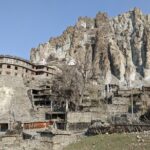
As you keep moving through the Langtang valley side, you’ll pass places like Sherpa Gaon and Shin Gompa. These stops matter because they’re not just landmarks; they’re living settlements.
You should expect a slower, more social atmosphere around them. That’s when it gets easier to ask questions, notice how people structure their days, and learn basic cultural pointers from someone who’s been on this route.
It’s also one of the best times to practice trekking etiquette: greet respectfully, keep your voice calm, and ask before you take close photos. If your guide is the type who explains cultural sites well (Pradip is specifically mentioned in past experiences), you’ll leave those stops with more than souvenir pictures.
Gosainkunda Lake: turquoise water and the icy air test
Gosainkunda Lake is the emotional center of this trek. You’re heading toward the famous turquoise lake, and the route is designed so that the high point doesn’t feel sudden.
The key detail you shouldn’t ignore: the overview calls out the icy air above Gosainkunda Lake. That tells you the temperature drop is not a theory. It’s real, and it can be noticeable even when you’re breathing hard from walking.
At this part of the trek, your planning pays off. Bring layers you can actually use in motion. If you rely only on one heavy jacket, you’ll overheat while climbing and freeze when you stop. And once you reach the lake area, you’ll likely want a bit of time just to stand and take it in—cold air, bright sky, and that distinct high-country feeling.
This is also where the route earns its reputation. You’re not just passing through altitude. You’re reaching a named destination that people treat as spiritually important and visually striking.
The middle stretch: Mangengoth and Mul Kharka’s long-walk rhythm
The route includes places like Mangengoth and Mul Kharka, which are part of how the trek flows between the valley and the lake region. These names often look small on paper, but on trail they help break the walking into understandable chunks.
This is the stage where you’ll notice whether your packing and pace choices match your body. On multi-day treks, comfort habits matter: how you manage water, how you eat, and how you control breathing on climbs.
If you’re prone to going too hard early, this mid-section can be the moment you either settle into a sustainable pace or start paying for it later. The good news is that a strong guiding team helps with pacing decisions. Past experiences on this trek type highlighted guide knowledge and organization, including picture-taking and clear explanations—both of which make the walking feel less monotonous.
Chisapani: the payoff area where you slow down
Chisapani is where the trek shifts toward a more relaxed finish. It’s still trekking, but the emotional tone tends to change: you’ve done the biggest altitude work, and your body has started adapting.
This is also where you may get a better sense of the broader route beyond the biggest “headline” attractions. In real trekking terms, that matters. A trip that ends only with peak moments can feel disconnected. Chisapani helps tie it together with a more community-focused finish.
If you like trekking days that end with good conversation and a sense of local life, Chisapani fits the vibe.
Price and value check: is $699 reasonable for this package?
The price is $699.00 per person for an approximately 13-day trek. The included items are meaningful: an English-speaking licensed guide, permits, and an air-conditioned vehicle.
Here’s the value question you should ask yourself: are you paying for the hiking, or are you paying for the coordination and risk management too? With permits included and a licensed guide on board, you’re paying for less admin stress and more consistent direction on trail. That’s not glamorous, but it’s real value.
Still, the exclusions affect the true cost. Meals (breakfast, lunch, dinner), snacks, bottled water, and accommodation during the trek are not included. Tips for guides and porters, visa fees, travel insurance, and international flights are also not included.
So the best way to think about it is: $699 covers the core trekking scaffolding. Your extra budget goes to day-to-day fuel (food and water) plus lodging and any personal comforts. If you’re the type who hates surprises, factor that in early.
What’s included vs. what you’ll need to plan (so you’re not stuck)
Included:
- English speaking licensed trekking guide
- Permits
- Air-conditioned vehicle
Not included:
- Snacks
- Bottled water
- Alcoholic beverages
- Coffee and/or tea
- Meals (lunch, dinner, breakfast)
- Accommodation during the trek
- Visa fee to enter Nepal
- International flight tickets
- Travel insurance
- Tips for guide/porters
- Any fees and taxes
- And yes, bicycle use is listed as not included
Practical tip: since meals and water aren’t included, treat snacks and water as non-negotiables in your daily routine. Even if tea and coffee are available on the trail, they add up. Decide early how you want your budget to work.
Also, since trek accommodation isn’t included, confirm how lodging is handled on your specific booking. Some guides and agencies have relationships that make lodging easier, but the official inclusions here don’t guarantee it’s part of your upfront price.
Season choice: spring and autumn are your safest bet
This trek can be done in any season except winter. Monsoon is possible but not ideal. The listing is blunt that monsoon is not so good, which is trekking-speak for mud, slippery footing, and lower visibility.
If you want the best balance of weather and comfort, spring and autumn are the top choices. You’ll get more stable conditions and clearer mountain views more often.
One more real-world point: even in the best seasons, places like the Gosainkunda area can feel brutally cold. The “icy air” note is your hint that you should dress for cold, not for warm marketing photos.
Fitness and pace: moderate means long hours, not couch power
The requirement is moderate physical fitness level. That’s a fair way to describe a trekking itinerary like this. You should be ready for long walking days, climbs, and uneven terrain.
A good strategy is to train for time on your feet more than for speed. If you can walk consistently for long stretches and handle some uphill segments, you’re in the right zone.
If you have questions about pace, the guide can adjust. In past experiences with this kind of trek setup, guides were described as patient and supportive when people walked slowly. That’s the best-case scenario, and it’s exactly what you want: a guide who can keep the group comfortable without rushing.
Mobile ticket and a private setup: how that affects your trip feel
This is a private tour/activity, meaning only your group participates. That tends to help with pacing. You’re not stuck matching the slowest or fastest person in a mixed group.
You also have a mobile ticket, which reduces paper fuss. And since service animals are allowed and the start is near public transportation, logistics can feel a bit more flexible than the typical remote-only booking.
Who this trek suits best
This trek fits you if:
- You want both big mountain views and Tibetan Buddhist cultural stops
- You like a structured trip where permits and key logistics are handled
- You’re okay managing your own meals and water budget during the trek
- You can walk long hours with a steady pace
It might not be ideal if:
- You hate cold weather or high-altitude conditions and can’t dress in layers
- You want every single cost covered upfront (meals and accommodation are not included)
- You’re traveling in monsoon expecting dry, easy trail
Should you book this Langtang package?
I’d book it if your goal is a serious Langtang valley experience with real cultural stops and the Gosainkunda payoff. The core value here is the licensed guide, permits handled, and a route that combines Kyanjin Ri views, Kyanjin Gompa’s monastery gravity, and the icy Gosainkunda Lake moment.
I would pause and plan your budget closely if you don’t want to think about meals, bottled water, and trek accommodation costs. Also choose your season carefully. Spring and autumn make life simpler, and winter is not part of this plan.
If you’re ready to walk long hours and you want a trek that mixes scenery with spirituality and village life, this route is a strong fit.
FAQ
How long is the Langtang Gosaikunda and Chisopani Trek?
It’s listed as 13 days (approx.).
Where does the trek start, and what time?
The location is Kathmandu, Nepal, with a start time of 7:15 am.
Is pickup offered?
Yes, pickup is offered.
What’s included in the $699 price?
The trip includes an English speaking trekking guide licensed by Government, permits, and an air-conditioned vehicle.
What isn’t included, so I should plan for extra costs?
Not included are lunch, dinner, and breakfast, accommodation during the trek, snacks, bottled water, coffee/tea, alcohol, visa fee to enter Nepal, international flight tickets, travel insurance, tips for guide and porters, and all fees and taxes.
What season should I choose?
This trek can be done in any season except winter. Monsoon is not so good but trekking is possible. Spring and autumn are the best seasons.
Can I cancel for free?
Yes. You can cancel for a full refund up to 24 hours before the experience’s start time, and the policy says free cancellation is available.