REVIEW · MARRAKECH
2 days Toubkal adventure Trek
Book on Viator →Operated by Morocco Adventure · Bookable on Viator
Two days in the High Atlas feels like a reset button. You start at Imlil (1740m) near Marrakech, walk through Berber villages, stop at a shrine for lunch, and reach the Jebel Toubkal area for hard-earned summit views. The best part is how quickly the scenery goes from everyday valley life to big mountain panoramas you can look at like they’re on a map.
I love that the day-to-day logistics are handled: meals and coffee/tea are included, and muleteers manage luggage and equipment so you can focus on walking. The guides bring the route to life, with languages like English, French, and Spanish, and the group stays small (up to 12). One consideration: you need strong fitness, and a sleeping bag isn’t included—so plan what you’ll use overnight.
In This Review
- Key things to know before you hike to Toubkal
- Entering the High Atlas from Imlil (and why it matters)
- Berber village walking and the shrine-lunch moment at Sidi Chamhrouch
- Climbing toward the refuge around 3200m
- Overnight at altitude: what to expect with meals handled
- Summit morning: the 5:30am start for Jebel Toubkal views
- Price and logistics: is $90 good value for Toubkal?
- What kind of traveler this trek suits best
- FAQ
- FAQ
- Where does the trek start?
- What time does the experience start in Marrakech?
- What happens on the second day and how early do you hike?
- Are meals included?
- Do I need a sleeping bag?
- What language are the guides available in?
- What is the group size limit?
- What if I need to cancel or the weather is bad?
- Should you book this 2-day Toubkal adventure trek?
Key things to know before you hike to Toubkal
- Imlil to high-refuge elevations: You start at 1740m and work your way up to around 3200m for the overnight stop.
- Lunch stops at altitude: A midday break happens after walking through Berber areas, with food waiting at a shrine stop (Sidi Chamhrouch).
- Early summit start on day 2: Breakfast is around 5:00am with a 5:30am ascent, so you avoid the hotter, sunnier part of the day.
- Guides in English, French, or Spanish: Communication is built in, which makes the trek feel smoother and more personal.
- Small groups, not a crowd march: Max 12 travelers means less waiting and more attention on your pace.
- You carry less, but you still earn it: Luggage/equipment move with the muleteers; your job is steady hiking and good spirits.
Entering the High Atlas from Imlil (and why it matters)
This trek starts in Imlil, a classic gateway town about 67km southwest of Marrakech. What I like about that starting point is how it gives you an immediate “real Morocco” feeling: you’re not dropped into a parking-lot hike. Instead, you ease into the Atlas walking experience through village routes before the mountains take over.
Timing helps too. You’ll have an early breakfast in Marrakech, then a driver picks you up and gets you into the High Atlas area before the walking begins. Starting in daylight from the get-go also means your first climbs feel like part of the journey, not a surprise.
If you’re someone who gets anxious about coordination, this is a good sign: pickup is offered, and once you meet the team at Imlil, they handle the moving parts—especially luggage and equipment. That lets you focus on walking and taking in what you’re seeing.
You can also read our reviews of more tours and experiences in Marrakech.

Berber village walking and the shrine-lunch moment at Sidi Chamhrouch
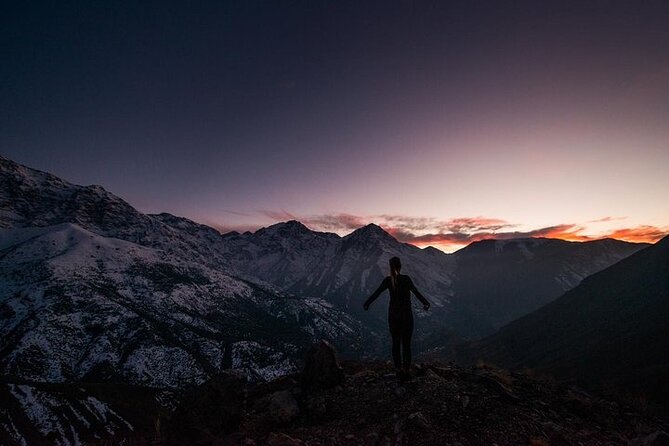
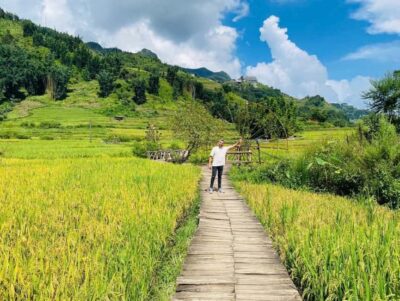
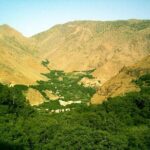
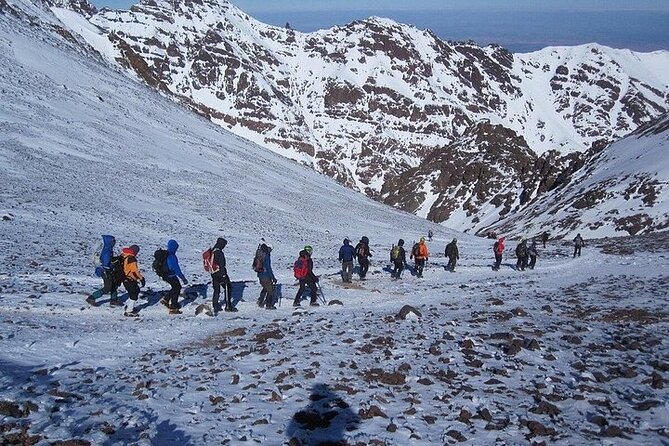
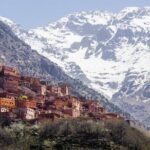
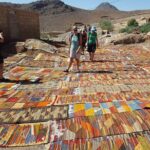
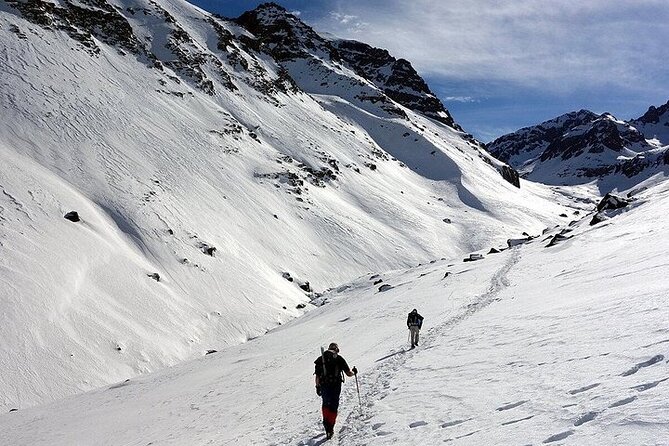
Day 1 is about transitioning from valley life to mountain terrain without jumping straight into a brutal grind. You’ll follow a mule track with an experienced mountain guide, and the route passes through Berber villages. That’s not just scenery; it’s a reminder that these mountains aren’t empty. People live, farm, and build their routines into the slopes.
At about 2500m, you’ll reach the shrine area of Sidi Chamhrouch, and lunch is ready there. This is the kind of break that changes the mood of a trek. You’re high enough to feel the altitude, but you’re not still climbing your legs off. The food becomes a proper reset before the next climb continues toward the hut/refuge.
One underrated benefit here: the shrine stop gives you a “pause point” for photos and orientation. You can look around, get your bearings, and understand the geography before you push higher. It’s also one of the places where your guide’s local knowledge can really land—talking about how the valleys connect, and how people experience the seasons in the High Atlas.
Climbing toward the refuge around 3200m
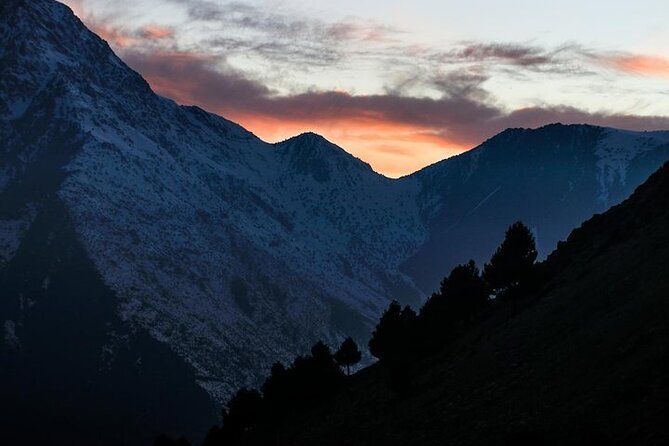
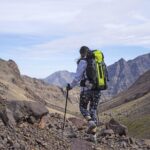
After lunch and a short break, you keep moving toward the refuge around 3200m. This section is where the trek shifts from day-walk into real altitude territory. You’re still outdoors, still on a mountain path, but the atmosphere gets quieter as you go higher.
I like how this middle portion is structured: you’re not forced into long, nonstop suffering. There’s time to eat, take a breather, and settle into the slower rhythm that mountain walking requires. If you’ve ever tried to move too fast at altitude and paid for it later, this pacing feels like the safer plan.
You also get a practical advantage from the mule team. They deal with luggage, food, and other equipment that are part of the trip setup. That doesn’t mean the trek is easy—it means it’s fair. Your effort goes into walking, not dragging gear.
Overnight at altitude: what to expect with meals handled
The trip is designed so your biggest focus is the walking, not the camp logistics. All meal’s are included, plus coffee and/or tea. That matters on a two-day trek because hunger and dehydration can wreck your energy fast, and you don’t want to spend your attention figuring out food.
You’ll reach the refuge area at the end of Day 1, giving you a higher base for the summit attempt on Day 2. The overnight setup isn’t spelled out here in detail, but one thing is clearly your responsibility: a sleeping bag is not included. So you’ll want to plan that item in advance, especially if you’re traveling light.
A small-group setup can make the overnight feel calmer too. With a maximum of 12 travelers, it’s more manageable than a big “line up and go” situation. That’s also where guides can adjust to the group’s pace and needs, something that shows up in past feedback about professional, caring guiding.
Summit morning: the 5:30am start for Jebel Toubkal views
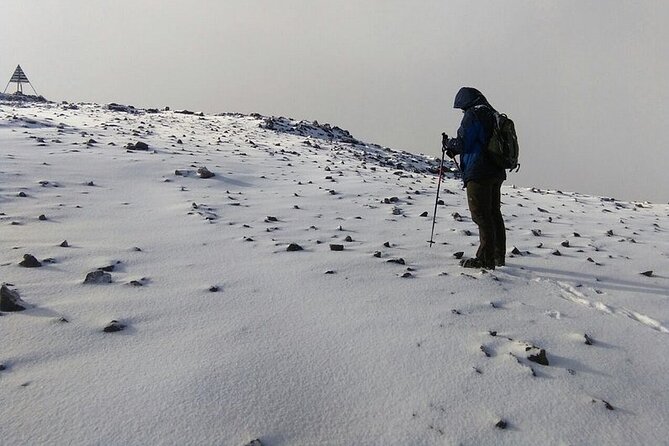
Day 2 starts early on purpose. Breakfast is around 5:00am and the ascent begins around 5:30am, so you’re hiking while conditions are still favorable. This is a smart decision in the mountains: you reduce the stress of heat and you’re more likely to enjoy the views instead of battling fatigue.
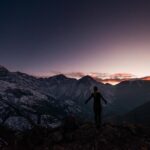
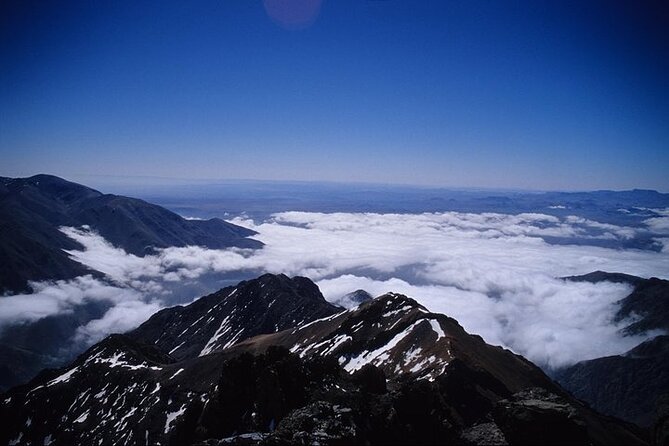
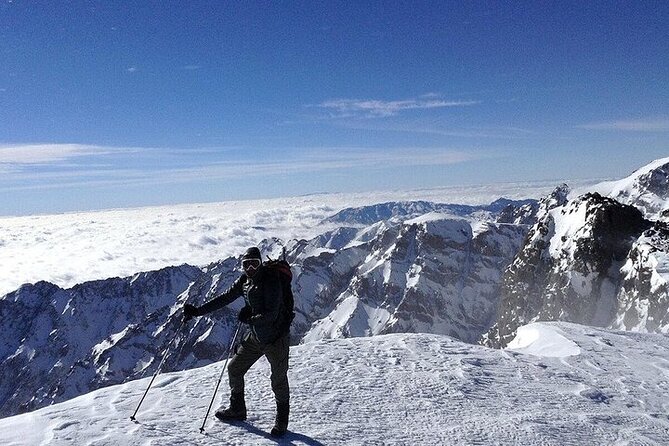
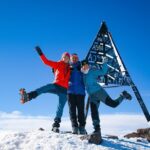
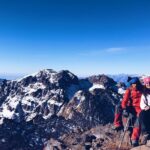
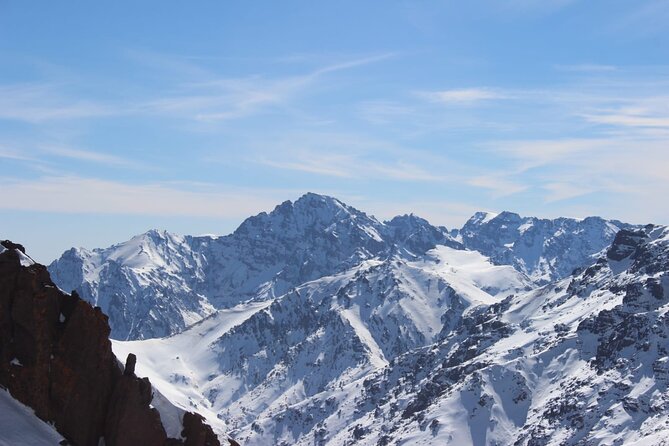
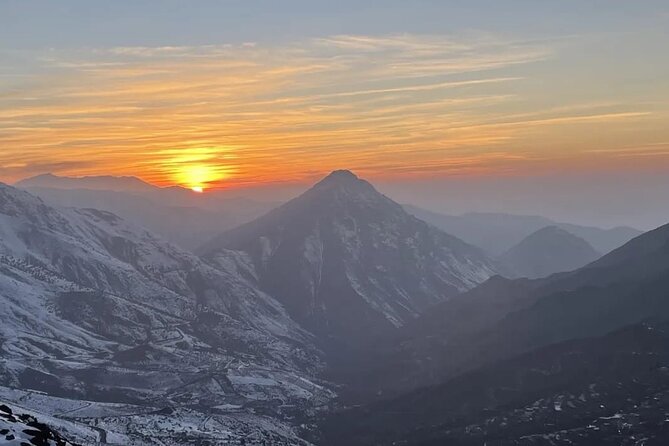
From the hut area, you walk upward step by step with a short break at a point above the hut. During that break, nuts and water are provided—small fuel, big payoff. After about 3 to 4 hours of walking, you’ll reach a high viewpoint where you can see the high Atlas mountains like a view from the air. Then there’s a break on the summit of Mt Toubkal for pictures and views over green valleys and Berber villages.
This is the “why you came” part. The timing makes the summit feel less like a punishment and more like a payoff. Even if the final climb is hard, the view rewards the work in a way that’s hard to fake. You’ll see the terrain spread out, and it finally clicks that these mountains are the main character, not the background.
After the summit break, you head back down. That descent is usually where good footwork matters, so keep a steady pace and don’t rush just because you’re tired. The goal is getting down safely with your energy intact.
Price and logistics: is $90 good value for Toubkal?
At $90 per person for an approx. 2-day trek, the value mostly comes from what’s included versus what you still need to bring. Your transport from Marrakech is included, plus meals across the whole experience and coffee/tea. That’s not a minor detail—two days in the mountains adds up fast if you’re paying for every meal and handling coordination yourself.
You’re also getting an actual mountain guide in one of the supported languages (English, French, or Spanish). And with a maximum of 12 travelers, you’re not paying to stand in line.
What’s not included matters for budgeting: a sleeping bag and tips. If you’re coming from Marrakech without gear, the sleeping bag can shift the real cost. Tips are also typical at this level of guiding and support, so treat that as part of your planning rather than an afterthought.
Based on how guides like Abdul (and drivers like Ibrahim) have been praised for professionalism, it suggests the money is going to the service side, not just to the scenery. In other words, you’re paying for a guided, practical way to do the Toubkal summit area—not just a route and a prayer.
What kind of traveler this trek suits best
This is for you if you want a serious two-day mountain experience without handling the operational mess. You’ll like it if you enjoy walking through villages, you don’t mind early mornings, and you can handle an ascent that asks for strong physical fitness.
It’s also a good fit if you value small groups and human interaction. Past feedback points to guides like Abdul/Abdula being professional and caring, adjusting and organizing as needed. You’ll likely get conversations that go beyond route facts, including small bits of local context that make the trek feel more connected.
Skip it (or at least reconsider) if you don’t do well with steep, sustained walking or if you rely on comfort over effort. This trek is built around the climb and the summit break, so it isn’t a casual stroll.
FAQ
FAQ
Where does the trek start?
It starts from Imlil (1740m), about 67km southwest of Marrakech.
What time does the experience start in Marrakech?
Start time is listed as 9:00am, with pickup from Marrakech and an early breakfast before you begin the trek.
What happens on the second day and how early do you hike?
Breakfast is around 5:00am, and the ascent begins around 5:30am. After a short break above the hut, you walk for about 3 to 4 hours before reaching the summit area for a break and views.
Are meals included?
Yes. Lunch and all meals are included, along with coffee and/or tea.
Do I need a sleeping bag?
Yes, a sleeping bag is not included, so you should bring your own.
What language are the guides available in?
Guides are available in English, French, and Spanish.
What is the group size limit?
The tour has a maximum of 12 travelers.
What if I need to cancel or the weather is bad?
You can cancel for a full refund up to 24 hours in advance. The experience requires good weather, and if it’s canceled due to poor weather, you’ll be offered a different date or a full refund.
Should you book this 2-day Toubkal adventure trek?
If you want a focused High Atlas experience with meals handled, a small group, and a real summit-view day, this is a solid choice for $90. Just go in honestly prepared for a climb and plan for the one clear gap: your sleeping bag. If those boxes fit your travel style, you’ll likely love how the villages, shrine stop, and summit views connect into one clear story of the mountains.