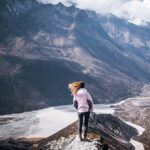
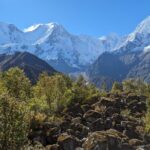
Himalaya days, planned with real-world logistics. This Annapurna Base Camp trek balances big altitude moments with lodge stays and a steady rhythm of climbs that make the route feel manageable. I also like the human touch: guides such as Suman, Roman, and Bibek are repeatedly described as careful, flexible, and good at keeping everyone moving at the right pace.
One thing to think about up front: you’ll hit serious elevations, including a high point near 4130m, and the start time is early (6:45 am). If you’re not used to long days walking uphill, you’ll want to train a bit before you go.
In This Review
- Key Highlights I’d Chase
- Entering the Annapurna Scene: Why This Trek Feels Practical
- Day 1: Kathmandu to Pokhara by Tourist Deluxe Bus
- Day 2: Pokhara to Birethanti, then Ulleri (First Real Climb)
- Day 3: Ulleri to Ghorepani (2880m) and the View Layering
- Day 4: Ghorepani to Poon Hill (3210m), then Tadapani (2630m)
- Day 5: Tadapani to Sinuwa (2340m) for a Better Rhythm
- Day 6: Sinuwa to Deurali (3230m) and the High-Country Shift
- Day 7: Deurali to Annapurna Base Camp (3700m) via Machhapuchhre Base Camp (4130m)
- Day 8: Annapurna Base Camp to Bamboo (2345m) for the Descent Relief
- Day 9: Bamboo to Jhinu Danda (1780m), then Back to Pokhara
- Day 10: Pokhara to Kathmandu by Tourist Deluxe Bus
- Lodges, Meals, and the Gear That Saves You Weight
- Guide Support: Where the Trek Becomes Easier Than It Looks
- Fitness Reality Check: Moderate Means Training Pays Off
- Price and Logistics: What $999 Really Covers
- Who Should Book This Annapurna Base Camp Trek
- Should You Book Adventure Bound’s Annapurna Base Camp Trek?
- FAQ
- What time does the trekking start?
- How long is the Annapurna Base Camp trekking experience?
- Where does the trip begin and end?
- What’s included in the trek meals?
- Is accommodation included during the trek?
- What transport is included?
- What’s the highest elevation on the route?
- Do I get trekking gear included?
- What isn’t included in the price?
- Can I cancel and get a full refund?
Key Highlights I’d Chase
- A guided, permit-covered trek: you’re set with the necessary Annapurna Base Camp permits and a gov-licensed guide.
- Poon Hill is built in: you get time at a major viewpoint area before dropping toward Tadapani.
- Machhapuchhre Base Camp is on the route: that detour to the 4130m area adds a lot of high-country payoff.
- Lodge trekking with meals included: you get breakfast, lunch, and dinner during the trek, not just a bed.
- Gear is largely handled: sleeping bag and a down jacket are included (you can return the down jacket after).
- Transport is straightforward: tourist deluxe bus Kathmandu–Pokhara plus taxi to the trek start, and a shared jeep back from Jhinu to Pokhara.
Entering the Annapurna Scene: Why This Trek Feels Practical
Annapurna Base Camp treks get marketed as all hype and summit dreams. This one feels more grounded. You’re moving through real villages, staying in standard lodges, and letting a licensed guide handle the permits, routes, and on-the-ground problem solving. That matters because high-country trekking isn’t just about fitness. It’s also about timing, food, and knowing what’s normal at altitude.
You also get a nice “starter-to-finale” flow. The trek begins around Ulleri and Ghorepani, includes the popular Poon Hill viewpoint area, then transitions into higher terrain toward Deurali, and finally lands at Base Camp. After that, you descend gradually, ending with Jhinu Danda before returning to Pokhara and Kathmandu.
The value angle is pretty clear: for $999, you’re not just buying a walking route. You’re buying the guide, lodge lodging during the trek, route permissions, three meals daily, and several long-distance transfers.
You can also read our reviews of more tours and experiences in Kathmandu.
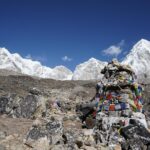
Day 1: Kathmandu to Pokhara by Tourist Deluxe Bus
You’ll start with a tourist deluxe bus from Kathmandu (1400m) to Pokhara (822m). It’s not flashy, but it’s efficient. Pokhara is your comfort stop before trekking days begin, and arriving there without a complicated chain of transfers keeps you fresh.
With the trek starting early (6:45 am is the trip start time), this bus leg also helps you avoid the classic mistake: arriving in Pokhara the same day you plan to hike at altitude.
Day 2: Pokhara to Birethanti, then Ulleri (First Real Climb)
On day 2 you drive from Pokhara to Birethanti (1263m), then trek to Ulleri (1960m). This day is a warm-up, but not a stroll. Ulleri is where the trek begins to feel like hiking in earnest: more uphill, more uneven trails, and less of the village-walking comfort.
What you get from this approach is pacing. Instead of jumping straight into high elevations, you build your legs for the days ahead. It’s a smart setup if you’re moderately fit, not elite-speed fit.
Day 3: Ulleri to Ghorepani (2880m) and the View Layering
The route continues from Ulleri to Ghorepani (2880m). This is a big elevation jump compared to the earlier day, so your body will notice. The trail work here tends to involve steady uphill walking, which is why your guide’s role is more than “pointing forward.”
Ghorepani is also a key staging place. It puts you close to major viewpoints and positions you well for a viewpoint day that follows.
Day 4: Ghorepani to Poon Hill (3210m), then Tadapani (2630m)
This is the “see the range” day. You go from Ghorepani (2880m) to Poon Hill (3210m), then continue to Tadapani (2630m).
Poon Hill is a viewpoint area at a height where the mountains become the main character. After that, you drop back toward Tadapani. That drop matters: it gives your body a breather while still keeping you at a higher base than the first days.
Tadapani at 2630m also sets up your next transition: moving from viewpoint-country into deeper trekking territory.
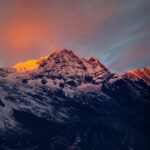
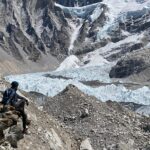
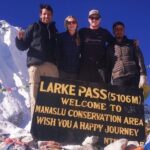
Day 5: Tadapani to Sinuwa (2340m) for a Better Rhythm
Day 5 goes to Sinuwa (2340m). Compared to Ghorepani and Poon Hill, you’re a bit lower, which can help you keep energy for the later high days. This kind of slight down-and-up rhythm is what makes a 10-day schedule feel more doable than a cram-your-body approach.
You should expect more walking time spent on trails that feel longer than they look on a map. This is where your pacing strategy matters most: slow enough to stay comfortable, fast enough to enjoy the scenery instead of just surviving it.
Day 6: Sinuwa to Deurali (3230m) and the High-Country Shift
From Sinuwa (2340m) you trek to Deurali (3230m). That’s a serious climb again, and Deurali is where the trek starts feeling like proper high-country trekking rather than just mountain scenery with stairs.
This day also tends to be mentally important. When you reach Deurali, you understand you’re committed to the higher section next.
Day 7: Deurali to Annapurna Base Camp (3700m) via Machhapuchhre Base Camp (4130m)
Day 7 is the headline. You go from Deurali (3230m) to Annapurna Base Camp (3700m), with the route passing through Machhapuchhre Base Camp (4130m).
Even if Base Camp is your goal, the Machhapuchhre Base Camp section is the altitude moment you remember. That high point near 4130m adds intensity, so go slow, sip fluids, and listen to your guide’s timing advice.
What makes this day special is the payoff structure. You’re not just “arriving at a dot.” You’re moving through a high-country corridor with enough altitude variation that the terrain feels like it changes character. When you finally reach Base Camp at 3700m, it feels earned.
Day 8: Annapurna Base Camp to Bamboo (2345m) for the Descent Relief
You head from Annapurna Base Camp (4130m on the route area / trek high day) down to Bamboo (2345m). Day 8 is where many people feel the emotional weight lift. You’re still high, but you’re no longer staring up at the highest point of the trek.
This descent is also where sore knees show up for people who move too fast. A good guide mindset helps: shorter steps, steady rhythm, and focus on foot placement.
Bamboo at 2345m is a good “reset” base for the final approach days.
Day 9: Bamboo to Jhinu Danda (1780m), then Back to Pokhara
Day 9 takes you from Bamboo to Jhinu Danda (1780m). Then you drive back to Pokhara (822m). Dropping to 1780m is a meaningful change. Your body will likely feel less tight, and your legs get the chance to recover faster.
Jhinu Danda is a practical ending point because it sets you up for the drive back to Pokhara without more big high-altitude hiking days.
Day 10: Pokhara to Kathmandu by Tourist Deluxe Bus
You take the tourist deluxe bus from Pokhara (822m) to Kathmandu (1400m). This final transfer keeps the trip clean and predictable. You’re done with trekking, but you’re not stuck managing logistics right when you’re tired.
Lodges, Meals, and the Gear That Saves You Weight
This trek uses lodge accommodation during the trek and includes three meals daily (breakfast, lunch, dinner). For value, that’s huge. Food and shelter are usually where treks quietly become expensive if you’re improvising.
You also get sleeping bag and a down jacket included. The down jacket can be returned after the trip, which is a helpful detail if you’re traveling light. Just remember: altitude nights can feel colder, and having the right outer layer helps you sleep better, which helps your trekking the next day.
The trek map of Annapurna Base Camp is also included. Even if you don’t obsess over maps, it’s calming to know where you are in the bigger picture.
Guide Support: Where the Trek Becomes Easier Than It Looks
One of the most praised parts of this experience is the guide team approach. Names that keep showing up include Suman, Roman, Santosh, Laxman, Robin, Rabin, Bibek, Raj, Suresh, and Santos. The common thread is practical care: helping with pacing, keeping people comfortable, and staying on top of the day’s needs.
A guide also matters for altitude day decisions. When you pass through high areas like the Machhapuchhre Base Camp segment, small timing changes can mean the difference between feeling steady and feeling rushed.
Even if you’re trekking with your own mindset, I’d treat the guide’s pace as part of the plan. Follow it, and you’ll likely finish the route feeling proud instead of wrecked.
Fitness Reality Check: Moderate Means Training Pays Off
The trek calls for moderate physical fitness, and that’s honest. Moderate doesn’t mean easy. It means you should expect long days, steady climbing, and some steep sections where slowing down is smarter than forcing speed.
If you’re a first-timer, this kind of structured 10-day schedule can work well because your walking days are spaced out and you descend after high points like Poon Hill and Base Camp. The trick is not to treat every day like the last day.
Also, remember the route includes 3700m at Base Camp and a high point around 4130m on the path. If you have a history of altitude issues, talk to a medical professional before you go.
Price and Logistics: What $999 Really Covers
Let’s break down the value.
Included:
- Tourist bus tickets Kathmandu–Pokhara and Pokhara–Kathmandu
- 2 nights’ accommodation in Pokhara (standard category)
- Taxi to the trek start point from Pokhara
- Annapurna Base Camp entry permits
- Gov-licensed guide
- Lodge accommodation during the trek
- 3 meals daily during the trek
- Shared local jeep transport from Jhinu to Pokhara
- Sleeping bag and down jacket (down jacket can be returned)
- First aid medicine kit
- Trekking map
- Pickup offered
Not included:
- Travel and medical insurance
- Personal expenses (phone, internet, laundry, snacks, battery recharge, bottled or boiled water, hot showers, porter for single trekker, and similar items)
- Personal trekking gear and equipment
- Porter
So what are you really buying? You’re buying the “big blocks” that usually eat time and money: permits, guides, meals, lodging, and the long rides. If you already have your personal gear and you keep personal spending controlled, the package is solid.
A smart budget move is to set aside money specifically for water and snacks, since bottled or boiled water and similar items aren’t covered.
Who Should Book This Annapurna Base Camp Trek
This trek suits you if:
- you have moderate fitness and can handle long uphill walking
- you like a guided plan with clear daily structure
- you want lodge comfort more than camping logistics
- you appreciate big viewpoint days like Poon Hill
It may not suit you if:
- you’re looking for a gentle walk with minimal altitude stress
- you dislike early starts (the start time is 6:45 am)
- you’re counting on the package to cover everything personal (it does not)
Also, this is listed as a private tour/activity, meaning only your group participates. That can be a comfort factor if you want a more personal pace and less group friction.
Should You Book Adventure Bound’s Annapurna Base Camp Trek?
Yes, if you want an organized, high-country trek that handles the heavy lifting: permits, guides, lodge stays, meals, and key transport legs. The best sign here is the repeated emphasis on guide care and flexible pace—exactly what you want when the day includes a high point near 4130m and a long final descent.
Book it if you’re willing to do the basics right: prepare physically, pack for cold nights, and budget for personal items like water and snacks. Skip it if you’re not ready for altitude pressure or you need every expense covered.
If you want, tell me your trekking background (beginner or experienced, typical daily walking time), and I’ll suggest whether this 10-day pacing feels like a good match for you.
FAQ
What time does the trekking start?
The start time is 6:45 am.
How long is the Annapurna Base Camp trekking experience?
It’s listed as 10 days (approx.).
Where does the trip begin and end?
It begins in Kathmandu and ends back in Kathmandu, with Pokhara as the main base in between.
What’s included in the trek meals?
During the trek, the package includes three meals a day: breakfast, lunch, and dinner.
Is accommodation included during the trek?
Yes. You’ll stay in lodge accommodation during the trek.
What transport is included?
It includes tourist deluxe bus tickets from Kathmandu to Pokhara and from Pokhara back to Kathmandu, plus a taxi to the trek start point from Pokhara. There’s also shared local jeep transport from Jhinu to Pokhara.
What’s the highest elevation on the route?
The route includes passing through Machhapuchhre Base Camp at about 4130m.
Do I get trekking gear included?
You’re provided a sleeping bag and a down jacket, and you could return the down jacket after the trip. A trekking map is also included.
What isn’t included in the price?
Travel and medical insurance, personal expenses (like phone/internet, laundry, snacks, bottled or boiled water, and hot showers if you choose them), personal trekking gear, and a porter are not included.
Can I cancel and get a full refund?
Yes. You can cancel up to 24 hours in advance for a full refund.