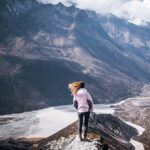
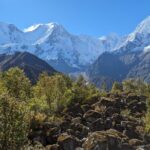
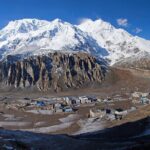
Everest Base Camp pulls you north fast. From a flight into Lukla to the slow grind through Sherpa villages and high passes, this is one of those treks where every day brings a new view and a new lesson about altitude.
I especially like how the package handles the hard-to-coordinate parts up front: airport pickup, Kathmandu lodging, permits, meals on the trail, and the flights that get you into the Khumbu. I also like the human side, with an experienced guide plus a porter setup (1 porter for 2 clients) and travel and rescue arrangements that keep the focus on safety. One drawback to plan around: the trip runs on mountain weather, so delays can happen and extra costs beyond the schedule are not covered.
In This Review
- Quick Highlights You’ll Feel in Your Bones
- Price and Logistics: What You’re Actually Paying For
- Day 1: Arrive in Kathmandu and Get Organized
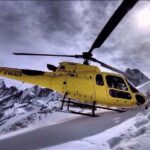
- Day 2: Kathmandu to Lukla, Then Phakding by the Dudh Koshi
- Day 3: Phakding to Namche Bazaar, the Big Altitude Jump
- Day 4: Acclimatization in Namche with Khumjung and the Everest View Hotel
- Day 5: Namche to Tengboche, Sherpa Culture at Higher Elevation
- Day 6: Tengboche to Dingboche, Another Step Up Toward the Thin Air
- Day 7: Acclimatization Day in Dingboche
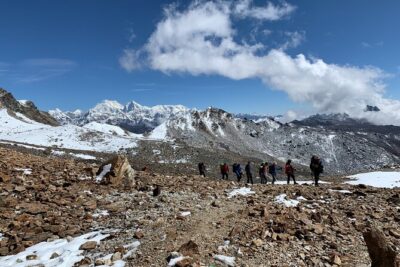
- Day 8: Dingboche to Lobuche via Thukla Pass (4830m)
- Day 9: Gorakshep to Everest Base Camp (EBC) at 5,360m
- Day 10: Kalapatthar (5,545m) for the Everest Views, Then Pheriche
- Day 11: Pheriche to Namche Bazaar, Returning Along the River Valleys
- Day 12: Namche to Lukla, Last Day on the Trail
- Day 13: Fly Lukla to Kathmandu, Then Breathe Like a Normal Person
- Day 14: Departure from Kathmandu
- How the Team Support Really Shows Up
- What You Should Pack and How to Think About the Altitude
- Lodges, Meals, and the Pace of a Tea House Life
- Should You Book This Everest Base Camp Trek?
- FAQ
- What time does the trek start, and where do we meet?
- Does the tour include airport pickup?
- How do flights work for Lukla and back?
- How many nights are included in Kathmandu?
- Are meals included during the trek?
- What permits and fees are included?
- Is there a guide and porter support?
- What kind of lodging is used on the trail?
- Is travel and rescue insurance included?
- What if I need to cancel?
Quick Highlights You’ll Feel in Your Bones
- Lukla flight timing that jumps you straight into trekking instead of days of road travel
- Permits and Khumbu fees taken care of, so you’re not hunting paperwork in the last hour
- Acclimatization days in Namche and Dingboche to reduce the altitude whiplash
- A real payoff day at Kalapatthar, built for maximum Everest views
- Meals and lodge stays included during the trek, so you can pack light and move steadily
- Team support on the trail, including a first aid kit and organized rescue planning
Price and Logistics: What You’re Actually Paying For
At $1,800 per person for about 14 days, this trek sits in the mid-to-budget end for Everest Base Camp, mainly because it bundles several big expenses together. You’re not just buying a “walking route.” You’re paying for flights to Lukla and back, permits/fees, lodge nights, and most meals on the trail.
Here’s what that money covers in practical terms:
- Kathmandu: 2 nights in a 3-star hotel with breakfast
- Pickup and transfers by private vehicle
- Flights between Kathmandu and Lukla (and the return route that may use Ramachap depending on operations)
- TIMS permit and Khumbu valley fees plus the paper work
- All trekking meals (lunch, dinner, and breakfast during trekking days)
- Guide and porter support (with 1 porter for every 2 clients)
- Lodges/tea houses each night on the trek
- Travel and rescue arrangements plus a first aid kit
- Farewell dinner in Kathmandu with cultural performance
What’s not included matters too, because Everest has a way of turning “almost covered” into “unexpectedly expensive.” You’ll need to budget for:
- Nepal visa fee (you can get it at the airport)
- International airfare to/from Kathmandu
- Any extra nights in Kathmandu if the flight timing forces it
- Travel and rescue insurance of your own
- Personal spending (phone calls, laundry, battery recharge, hot showers, etc.)
- Tips for guide and porter
- Any extra mountain costs if bad weather forces you to stay longer
So the real question is not only price. It’s risk. This itinerary is organized well, but nature is still the boss up high.
You can also read our reviews of more tours and experiences in Kathmandu.
Day 1: Arrive in Kathmandu and Get Organized
Day 1 is arrival at Kathmandu Airport, with pickup and private vehicle transfer to your hotel. You also get breakfast included for your two Kathmandu nights, which helps you start the week without hunting for food.
Why this matters: Kathmandu is where you’ll sort your gear, charge devices, and confirm your trekking rhythm before altitude starts demanding attention. If you arrive early or late, that can affect extra hotel nights, which are not included, so it helps to plan your flights carefully.
Day 2: Kathmandu to Lukla, Then Phakding by the Dudh Koshi
On Day 2, you fly to Lukla (around 2,860m) and trek to Phakding (around 2,610m) for about 3–4 hours, with meals included on the plan. This is your first real taste of the Khumbu: small villages, winding footpaths, and that immediate shift in air quality as you move away from city life.
One practical plus here is the structure. You’re not wandering. You’re walking with a guide who’s managing daily timing, so you spend your energy on moving and adjusting, not on logistics.
Day 3: Phakding to Namche Bazaar, the Big Altitude Jump
Day 3 climbs to Namche Bazaar (about 3,446m) for roughly 6–7 hours. You follow the route north along the Dudh Koshi River, and the day is longer because you’re gaining altitude while still staying on a well-used trekking corridor.
This is where you’ll feel the trade-off of Everest: the views are unreal, but your body pays for every meter. If you go too fast on Day 3, you’ll feel it later.
Day 4: Acclimatization in Namche with Khumjung and the Everest View Hotel
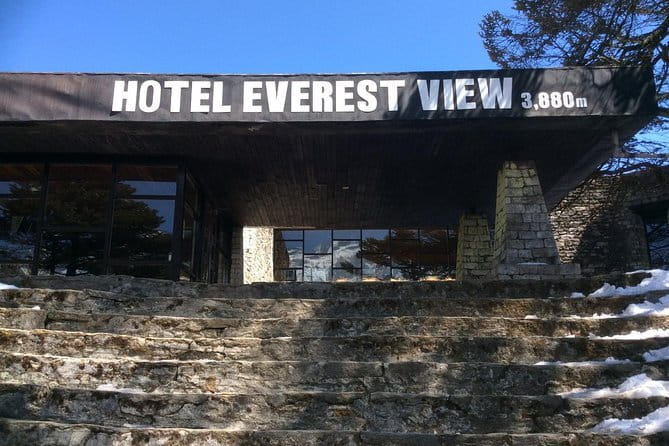
Day 4 is an acclimatization day, taking you to Khumjung Village and the Hotel Everest View area (around 3,880m), with meals included. These are the kinds of half-days that help your breathing catch up to your schedule.
Why I like this style of day: you still move, but you avoid the full “big climb every day” trap that can mess with sleep and appetite. It’s also a day where you get Sherpa village life and culture into the mix instead of treating the trek like a training march.
Day 5: Namche to Tengboche, Sherpa Culture at Higher Elevation
Day 5 takes you to Tengboche (around 3,860m), about 5–6 hours. The trek passes through parts of the Sagarmatha National Park area, and you continue building higher elevation without skipping scenery.
Tengboche is one of those places where the cultural layer becomes part of the hike. You’re not only walking between checkpoints. You’re seeing how people live, pray, and rest in this high-altitude world. That adds meaning to the long days.
Day 6: Tengboche to Dingboche, Another Step Up Toward the Thin Air
Day 6 climbs to Dingboche (around 4,360m) over about 5–6 hours. You continue following the Imja River along the way, which makes the route feel like a living corridor instead of a line on a map.
This is also a day to watch your pace. When the air thins, the goal becomes steady effort. You’re trying to arrive tired in a manageable way, not gasping.
Day 7: Acclimatization Day in Dingboche
Day 7 is another acclimatization day in Dingboche (about 4,360m). Staying put here is not “wasted time.” It’s how many trekkers get the best chance of feeling strong on the higher sections.
If you’re prone to altitude headaches or poor sleep, this is the day that can make or break your comfort later. Your plan gives you the structure to adapt instead of forcing speed.
Day 8: Dingboche to Lobuche via Thukla Pass (4830m)
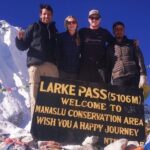
Day 8 climbs to Lobuche (about 4,910m) in about 5–6 hours. This is the day that includes crossing the Thukla Pass (around 4,830m), which is one of the more serious altitude moments on the route.
The drawback here is obvious: a pass day can feel like extra work on top of already-thin air. The upside is equally real: you’ll earn your next views.
Also, since lodges are the norm along the route, you can count on a warm meal plan and a place to sleep, which helps you recover instead of scrambling for supplies.
Day 9: Gorakshep to Everest Base Camp (EBC) at 5,360m
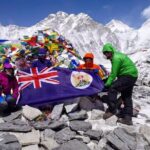
Day 9 is the big push. You trek from Lobuche to Gorakshep, then continue to Everest Base Camp (around 5,360m) for about 6–7 hours, with meals included.
This is the section that involves the Khumbu Glacier route. It’s not just a “destination day.” It’s a long, breathy effort where you’ll want to protect your energy, drink water, and stay patient.
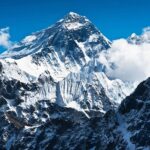
Everest Base Camp itself is less about climbing and more about the scale of it all: the sheer emptiness, the way the mountain dominates the horizon, and the quiet intensity of a place where teams and logistics are the whole point.
Day 10: Kalapatthar (5,545m) for the Everest Views, Then Pheriche
Day 10 is your viewpoint payoff: Gorakshep to Kalapatthar (around 5,545m) and then down to Pheriche (around 4,371m) in about 4–5 hours.
Kalapatthar is the day most people remember because it’s built for big-picture views. You get a higher vantage, then you drop down enough to start resetting your body.
This day also balances the schedule. If Day 9 is about arriving, Day 10 is about seeing clearly and recovering steadily.
Day 11: Pheriche to Namche Bazaar, Returning Along the River Valleys
Day 11 is a trek from Pheriche back to Namche Bazaar (about 3,446m) in about 6–7 hours. You’re retracing your steps, which is a relief on navigation and pacing.
Even though it’s the “way back,” it’s not boring. The light changes as you descend, and the trail feels different when you’re no longer chasing a first-time altitude high.
Day 12: Namche to Lukla, Last Day on the Trail
Day 12 drops to Lukla (around 2,860m) in about 5–6 hours. You’ll feel the last stretch in your legs, but it’s also satisfying because you’re closing the loop.
This is where the included lodge stays and meals on the trekking days matter again. You’re not managing logistics at the exact moment your energy is fading.
Day 13: Fly Lukla to Kathmandu, Then Breathe Like a Normal Person
Day 13 is the flight back to Kathmandu, with breakfast included on the plan day. You’re done with altitude travel for the trip.
Do what you can with the rest of the day: hydrate, eat slowly, and let your body settle. Your “normal” life starts again after days of doing everything at high elevation.
Day 14: Departure from Kathmandu
Day 14 is departure to the airport. If your flights shift due to weather, you might need extra Kathmandu hotel nights, and those extra nights aren’t included. That’s the main planning wrinkle for the end of the trek.
How the Team Support Really Shows Up
The best part of this trek is not just the itinerary. It’s the way it sounds like the operator runs the whole machine.
In feedback tied to this company, names like Bhagwat Simkhada and guides such as Prakash show up often as the people coordinating the experience. Assistant guides like Urken Sherpa also come up as part of the on-trail support team. What people seem to value most is not fancy talk. It’s practical follow-through: being responsive before you leave, managing daily safety, and having systems for medical emergencies.
That lines up with what you’re told in the package: a first aid kit on hand, travel and rescue arrangements, and an experienced guide with porters working under a simple ratio (1 porter for 2 clients). Add in a “farewell dinner” night with cultural performance, and you get a sense the trip ends like a real journey, not like a transaction.
What You Should Pack and How to Think About the Altitude
The plan says you should have moderate physical fitness, operates in all weather conditions, and confirmation happens at booking. That means you need to assume you’ll hike in conditions that are not always comfortable.
Your strongest strategy is pacing and consistency:
- Go slower than your ego wants on climb days.
- Take the acclimatization days seriously; they’re part of the climb plan.
- Keep water intake steady, even when you don’t feel thirsty.
- Plan for chilly mornings and evenings around lodge time.
The itinerary gives you multiple acclimatization points (Namche and Dingboche), plus a pass day (Thukla Pass). That combination is why the trek works for many people, but it still asks your body to pay attention.
Lodges, Meals, and the Pace of a Tea House Life
You stay in lodges/tea houses along the way, and you get breakfast, lunch, and dinner during trekking days. That’s a huge deal for value and comfort. You don’t need to hunt for meals at the top of your energy curve.
You can also expect your day to be organized around eating and rest. Start hiking after breakfast, stop when you reach the day’s target, then refuel. When you’re at altitude, predictable meals matter.
And yes, personal costs still add up. Things like battery recharge, phone use, and hot showers are not included. If you want “zero surprises,” you’ll budget for small extras.
Should You Book This Everest Base Camp Trek?
Book it if you want a structured EBC plan with Lukla flights, real acclimatization pacing, and support that looks serious about safety and logistics. The $1,800 price makes sense if you compare what’s included: flights, permits, lodge stays, trekking meals, a guide, porters, and organized rescue planning.
Think twice if you’re trying to run on a shoestring without extra buffers. Weather can force schedule changes, and the package notes that extra mountain costs and extra Kathmandu nights can fall on you. Also, you’ll still need your own travel and rescue insurance and you should budget for visa, tips, and personal spending.
If you want Everest without playing middle-person with permits and timing, this is the kind of package that should feel like someone has already done the hard coordination work for you.
FAQ
What time does the trek start, and where do we meet?
You meet at Tribhuvan Airport in Kathmandu at 7:00 am. The activity ends back at the meeting point.
Does the tour include airport pickup?
Yes. The package includes pickup from the airport and transfer to your Kathmandu hotel by private vehicle.
How do flights work for Lukla and back?
The plan includes flights from Kathmandu to Lukla and then back to Kathmandu. Depending on operations, the return route may use Kathmandu/Ramachap to Lukla and Kathmandu.
How many nights are included in Kathmandu?
Two nights in a 3-star hotel are included in Kathmandu, with breakfast.
Are meals included during the trek?
Yes. Lunch, dinner, and breakfast are included during the trekking days. Meals in Kathmandu are not included.
What permits and fees are included?
The package includes TIMS permit and Khumbu valley fees, plus necessary paper work.
Is there a guide and porter support?
Yes. An experienced guide is included, along with a porter setup of 1 porter for 2 clients.
What kind of lodging is used on the trail?
You stay in lodges/tea houses throughout the trek.
Is travel and rescue insurance included?
No. Travel and rescue insurance is not included, though the package includes travel and rescue arrangements and medical supplies such as a first aid kit.
What if I need to cancel?
Free cancellation is available. You can cancel up to 24 hours in advance for a full refund. If you cancel less than 24 hours before the start time, the payment isn’t refunded.