REVIEW · KATHMANDU
Langtang valley trek
Book on Viator →Operated by Nature Explore Trekking Pvt Ltd · Bookable on Viator
The first great day starts with a long mountain drive. This private Langtang Valley trek takes you from Kathmandu to Syabrubesi, then onward through Kyanjin Ri country with culture, forests, and high-altitude viewpoints. It’s built for travelers who want big scenery without spending your time figuring out logistics.
I like how the trek mixes steady walking with payoff day hikes, especially the push to Kyanjin Ri (4700m). I also like that the package covers real on-the-ground needs: meals (breakfast, lunch, dinner), a professional guide, supporting porter, treated drinking water, and even a down jacket plus duffel bag and T-shirt.
One consideration: altitude is part of the deal here, with you reaching 4700m, so you’ll want a calm pace and to take acclimatization seriously. The mornings can feel cold too, so pack for chill weather even if the days look sunny.
In This Review
- Key highlights you’ll care about
- Langtang Valley: a north-Kathmandu trek with Buddhist culture and mountain drama
- Kathmandu to Syabrubesi: the long drive that sets your pace
- Day 1-2: Kathmandu to Syabrubesi, then Lama Hotel at 2400m
- Day 3: Langtang villages at 3400m and the feeling of a lived-in valley
- Day 4-5: Kyanjin Gompa (3700m), Kyanjin Ri (4700m), and those peak views
- Day 6-7: back to Syabrubesi and the return drive to Kathmandu
- What’s actually included for $660 (and why it’s not just a number)
- The food and lodging rhythm: how your days will likely feel
- Altitude and pacing: your best tool is patience
- Weather and best seasons: when the trail is most friendly
- Guides and support: what stands out from real-world operations
- Value check: who this trek is best for at this price
- Should you book this Langtang Valley Trek?
- FAQ
- Where does the trek start and what time do we meet?
- How long is the Langtang Valley trek and how high does it go?
- What is included in the $660 price?
- What expenses are not included?
- What months are best for this trek?
- Is there free cancellation?
- Is this a private tour and what fitness level do I need?
Key highlights you’ll care about
- Private transport from Kathmandu: door-to-start timing with a long drive that’s part of the rhythm of the trek
- Kyanjin Gompa and Kyanjin Ri: a high viewpoint day that gives strong returns for the effort
- Village-to-village walking: passes Lama Hotel and Langtang villages, so you’re not only hiking through empty trails
- Forest variety: you’ll move through bamboo and alpine terrain, plus rhododendron areas along the way
- A package that reduces decision fatigue: meals, guide, porter, treated water, plus some gear included
Langtang Valley: a north-Kathmandu trek with Buddhist culture and mountain drama
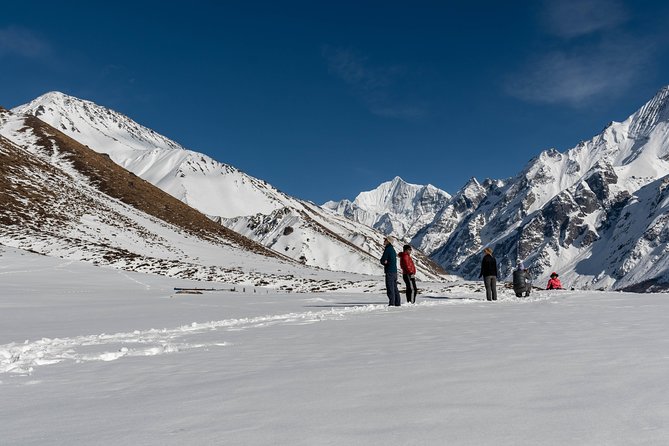
Langtang Valley sits north of Kathmandu, close to the Tibetan border. It’s one of the most popular trekking areas in Nepal for a reason: the scenery turns serious fast, and the villages feel lived-in. You’ll be walking in a region shaped by Tamang, Gurung, and Tibetan communities, with Buddhist religion and familiar festivals like Loshar, Dashae, and Tihar.
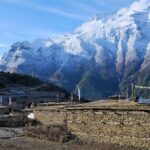
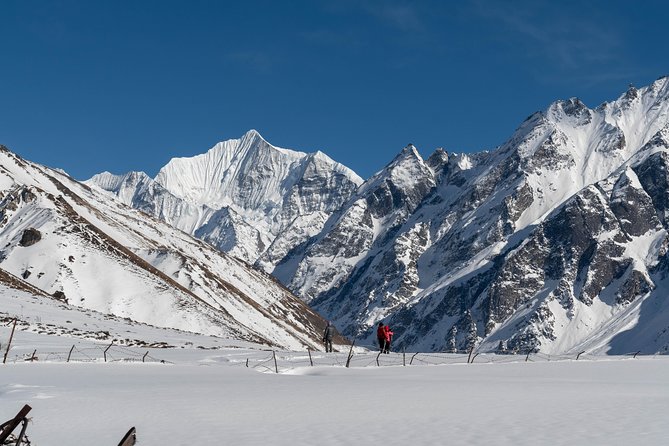
What makes this trek especially interesting is how the itinerary is structured around both people and views. You’re not just chasing altitude; you’re also moving through places where you’ll see how families live, trade, and host trekkers. And the peak lineup you’ll learn to spot along the route—Langtanglirung (7240m), Ganchempuhimal (7430m), Ganesh Himal range, and more—keeps giving you new angles each day.
You can also read our reviews of more tours and experiences in Kathmandu.
Kathmandu to Syabrubesi: the long drive that sets your pace
Your trip starts at Tribhuvan Airport in Kathmandu, with a start time of 8:00 am and pickup/transfer included. From there, you’ll drive roughly 6 to 7 hours up to Syabrubesi, sitting around 1400m.
That drive matters more than people think. It helps you acclimatize in a slow, practical way, and it also gets you into the “trek mode” before your first hiking day. Because the trek begins after you’re already out of Kathmandu traffic and noise, Day 2 tends to feel more like the start of your journey rather than a sudden switch.
A small but real travel win: the package includes all trip necessary documents and treated drinking water. That means you spend less energy on admin and more time watching the mountain light change as you climb.
Day 1-2: Kathmandu to Syabrubesi, then Lama Hotel at 2400m
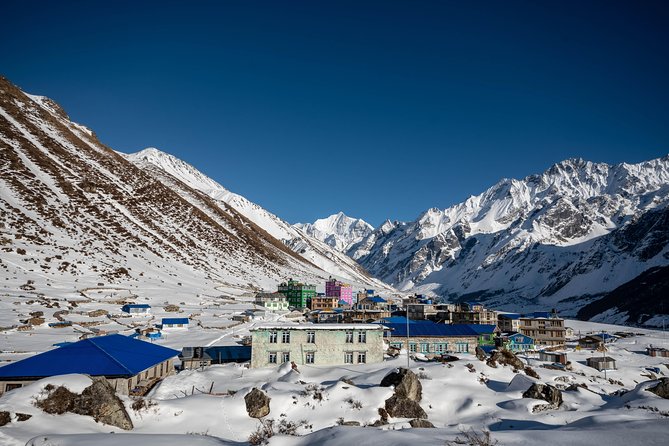
Day 1 is about travel and settling in. You arrive at Kathmandu’s TIA airport, transfer to your hotel, then head out toward Syabrubesi for the long, scenic drive. If you’re used to treks that start immediately from the first day, this one feels kinder. You’re not hiking right away; you’re warming up with altitude and motion.
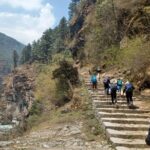
On Day 2, you trek about 4 hours to Lama Hotel (around 2400m). This is one of your “build the legs” days. Expect uphill effort, and expect that the air feels different by the time you stop for the night.
Why Lama Hotel is a good first trekking anchor:
- It gives you a reasonable walking block without overreaching
- It sets you up to enjoy the next climb instead of forcing it
- It keeps you grounded in the trekking rhythm—walk, arrive, eat, rest, repeat
If you’re traveling solo or trying to manage your own pace, a strong guide and porter team helps a lot here. In past groups, guides like Deepak have been praised for safety-minded pacing and responding well to requests—exactly what you want when you’re transitioning into higher terrain.
Day 3: Langtang villages at 3400m and the feeling of a lived-in valley
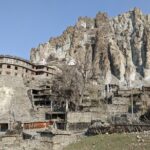
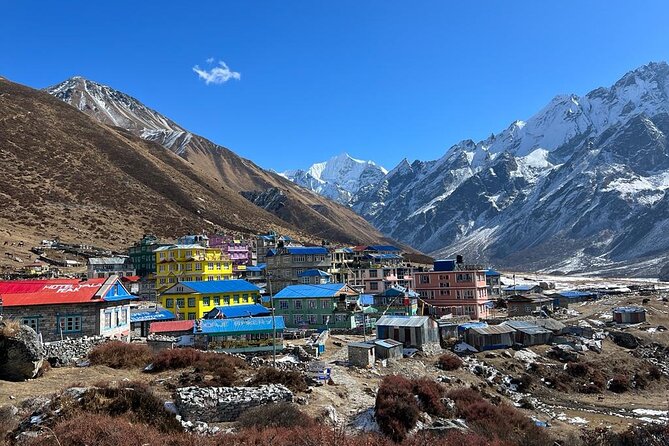
Day 3 is another solid trekking push: about 5 hours up to Langtang villages (around 3400m). This is where the valley starts to feel more “real” in a village sense. You’re not only moving between checkpoints—you’re walking through community spaces, where hospitality is part of daily life for families.
At this altitude, you’ll likely notice two things:
- Breathing feels more intentional on uphills
- The views open wider as the valley narrows and rises
Langtang villages also connect you to the cultural side of the region. Your guide can explain local traditions tied to Buddhism and the festivals the area celebrates. Even if you don’t time your trek for a specific festival date, you’ll see the religion and culture threaded into daily life.
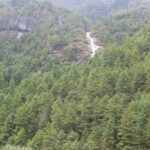
The trekking style here matters too. The route moves through areas with rhododendrons and bamboo forests before higher alpine terrain starts to dominate. That change in vegetation keeps the hike from feeling repetitive, and it gives your camera plenty of variety.
Day 4-5: Kyanjin Gompa (3700m), Kyanjin Ri (4700m), and those peak views
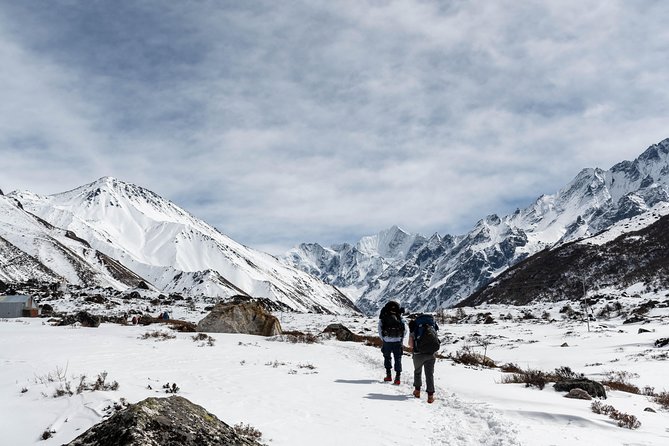
Day 4 takes you to Kyanging/Kyanjin Gompa in about 3 hours, around 3700m. This is a major milestone day. Gompa areas tend to feel more focused—less scattered than lower trails—so the energy shifts from “journey through the valley” to “arrive in the high area.”
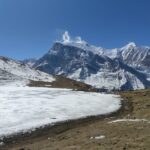
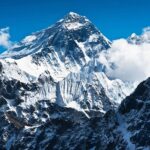
Day 5 is the big one: hike up to Kyanjin Ri viewpoint (around 4700m), then trek back to Langtang. The viewpoint day is where the trek earns its reputation. When you climb to that elevation, the world looks compressed and close. Peaks that were just names become visible features, and the valley layout clicks into place.
What you should expect to learn to spot (and re-spot):
- Langtanglirung (7240m)
- Ganchempuhimal (7430m)
- Ganesh Himal range and related high points
- Yala peak (around 5740m), plus others listed in the route highlights like Nyakhang (around 6160m) and Ganjala peak (around 6120m)
This is also the day when altitude management matters most. Even though the itinerary includes a return trek back to Langtang afterward, you still need to treat the climb like a gradual process, not a race.
Here’s where having an experienced team can pay off. In one case, guides such as Bharat have supported trekkers dealing with altitude sickness during Nepal travel plans, helping them recover. That kind of calm, practical response is exactly what you want when you’re pushing up toward 4700m.
A note on route flexibility: the plan mentions day hikes around the valley like Kyanjing-ri or Tserkore viewpoint as your choice. That means you’re not stuck with one exact scenic option if conditions or preference call for a swap.
Day 6-7: back to Syabrubesi and the return drive to Kathmandu
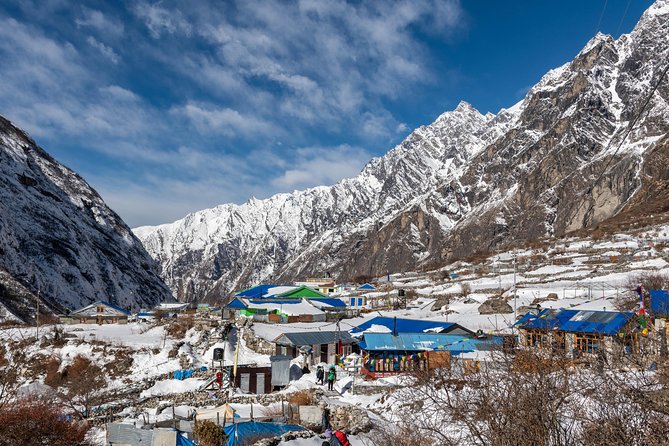
Day 6 is your descent-to-base day: trek back to Syabrubesi in about 6 to 7 hours down around 1400m. This day can feel like a different kind of challenge. Downhills are usually easier in altitude terms, but they can be tough on knees and ankles.
Still, it’s a rewarding day because you get to watch the vegetation return—alpine and high scrub easing back into forest tones. The valley starts to feel familiar again, and that makes the end of the trek feel earned.
Day 7 is the drive back to Kathmandu, another 6 to 7 hours (dropping to roughly 1300m). This long road day is one more reason to enjoy the trek rather than rushing it. By the time you reach Kathmandu, you’ll be tired in a good way, and you’ll likely sleep hard.
Your trip ends in Kathmandu. The next day, you’ll drop to the airport based on your flight details. If you want it, the provider also offers help extending the trip around Nepal with options like Pokhara, Chitwan, and Buddha birthplace.
What’s actually included for $660 (and why it’s not just a number)
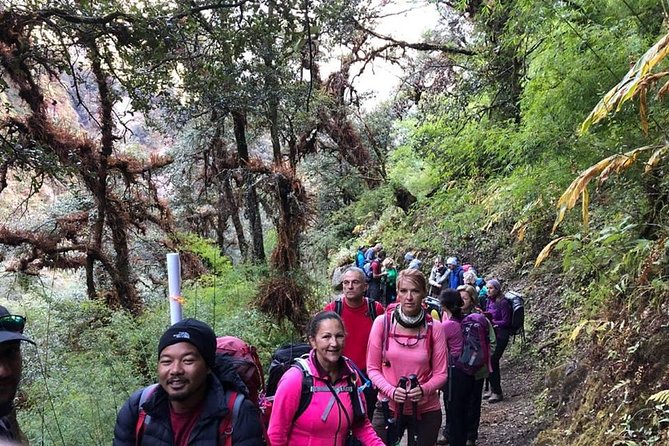
At $660 per person, this package is strongest if you value convenience and reduced planning. The included costs cover:
- Private transportation (Kathmandu to Syabrubesi and back)
- Breakfast, lunch, and dinner while on the trek
- Professional guide plus supporting porter
- Accommodation
- Tea or coffee
- Fresh fruit daily after dinner
- Treated drinking water
- All fees and taxes
- Documents needed for the trip
- First aid kit bag
- T-shirt, down jacket, and duffel bag, with items described as refundable after the trek
- Hotel help in Kathmandu if you ask
For many trekkers, the biggest value comes from what you don’t have to manage. When meals and treated water are included, you can focus on walking and pacing. When a guide handles route decisions and safety checks, you spend less time worrying about what’s next.
Gear support is also meaningful. A down jacket plus duffel bag can help you travel lighter and avoid buying specialist gear you might use once. That said, the package does not include trekking equipment, so you’ll still want to bring essentials like boots and other personal gear suited to your comfort level.
The food and lodging rhythm: how your days will likely feel
The itinerary is built around multiple “move days” and “arrive and recover” nights. Since you get full meals during trekking, you won’t be stuck rationing food choices after a long climb.
A realistic expectation: food quality and variety can vary with altitude and location, but the included meals remove stress either way. Fresh fruit after dinner is a nice extra too. It’s a small detail, but it’s the kind of touch that makes the whole trek feel more cared for.
Lodging is included throughout the trek and you can request help booking a hotel in Kathmandu. This keeps you from having to chase last-minute rooms after arriving tired from drives or downhills.
Altitude and pacing: your best tool is patience
This trek climbs steadily from about 1400m up toward 3700m, then pushes to a maximum around 4700m at Kyanjin Ri. Even if you feel fit, altitude can still change your breathing and energy levels.
Your best move is simple:
- Walk slower than you think you need to
- Take the rest breaks you’re offered
- Drink treated water and eat when meals come
Also, your itinerary includes a viewpoint day with a hike up and then a trek back. That pattern means you’ll likely feel the altitude even on return legs, so keep your effort controlled.
One practical tip from the field: bring sunscreen. At altitude, sun exposure can catch you off guard. And if you’re unsure what else to bring, the guides are set up to help you sort out what you need to carry versus what you can manage differently.
Weather and best seasons: when the trail is most friendly
The trek is best from February to May and September to November. Those windows usually balance workable weather with enough clarity for strong mountain views.
Even in good months, mornings can feel cold at higher elevations. Dress in layers, and don’t rely on daytime warmth alone. The included down jacket can help, but you’ll still want a sensible trekking kit for changing temperatures across the day.
Guides and support: what stands out from real-world operations
The experience is run by Nature Explore Trekking Pvt Ltd, with private participation in your group. The trek includes both a professional guide and a supporting porter, which matters in practice. A porter helps keep your trek comfortable so your energy stays on hiking and enjoying the valley.
The guide approach gets high marks in multiple situations. Names that show up in strong feedback include:
- Deepak, praised for safety and being proactive about needs
- Chhabin, noted for care and handling solo trekking logistics well
- Bharat, recognized for helping with altitude sickness recovery during Nepal travel plans
- Dinesh, referenced as part of an organized team that supports detailed arrangements
Even if you don’t care about names, the pattern matters: you’re getting real trip coordination, not just someone leading you down a trail.
Value check: who this trek is best for at this price
This trek is a strong fit if you:
- Want a private experience with your own group
- Prefer an itinerary that’s planned around meals, documents, and transport
- Are comfortable with a trek that needs moderate physical fitness
- Like the idea of hitting a major viewpoint day at 4700m
It may feel less ideal if you:
- Want to carry everything yourself and prefer ultra-light gear autonomy
- Are hoping for WiFi or laundry services on the trek (neither is listed as included)
- Are counting on cold drinks being part of the package (they aren’t included)
Extra costs to remember: international airfare, personal insurance, tips, and trekking equipment are not included. Since tipping is mentioned as not included, plan for that so the final bill doesn’t surprise you.
Should you book this Langtang Valley Trek?
Book it if you want a well-structured Langtang experience that keeps the planning heavy lifting off your shoulders. At $660, the value is strongest when you care about included transport, guide and porter support, full trekking meals, treated water, and the gear bundle that can reduce what you need to pack.
I’d especially recommend it for couples, friends, or solo trekkers who want a clear plan and dependable support in a region with real altitude. If your fitness is moderate and you’re ready to take the hike one day at a time, this itinerary has the right rhythm: gradual start, cultural village days, then the big Kyanjin Ri payoff.
FAQ
Where does the trek start and what time do we meet?
The meeting point is Tribhuvan Airport, Kathmandu, Nepal, with a start time of 8:00 am.
How long is the Langtang Valley trek and how high does it go?
The trek is listed as 8 days (approx.). Key altitude points include Syabrubesi around 1400m, Lama Hotel around 2400m, Langtang villages around 3400m, Kyanging/Kyanjin Gompa around 3700m, and the Kyanjin Ri viewpoint around 4700m.
What is included in the $660 price?
Included items are private transportation, breakfast, lunch, and dinner, accommodation, a professional guide, a supporting porter, treated drinking water, tea or coffee, fresh fruit daily after dinner, all fees and taxes, and trip documents. The package also includes a T-shirt, down jacket, and duffel bag (noted as refundable after the trek) and a first aid kit bag.
What expenses are not included?
Not included are international airfare, trekking necessary equipment, cold drinks, personal insurance, tips for staff, and services like WiFi and laundry. Lunch and dinner in Kathmandu are also not included, along with any extra items beyond the itinerary.
What months are best for this trek?
The best time is listed as February to May and September to November.
Is there free cancellation?
Yes. You can cancel for free up to 24 hours in advance of the experience start time for a full refund.
Is this a private tour and what fitness level do I need?
Yes, it’s a private tour/activity with only your group participating. You should have moderate physical fitness level to join.