REVIEW · HANOI
Sapa Trekking & Homestay 2 Days 1 Night
Book on Viator →Operated by Fantasea Tours · Bookable on Viator
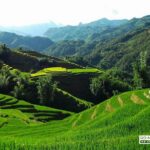
Foggy mornings and mountain paths—this is Sapa in a nutshell. The Muong Hoa Valley trekking and the overnight in a local Y Linh Ho homestay are the heart of this 2-day trip, with village visits that show how daily life works in the Black H’mong and other ethnic communities. I love the mix of big views and small, human moments, and I also like that the group stays small and guided. One consideration: you’re starting early in Hanoi and you’ll spend a good chunk of time on the bus, so this isn’t a sit-and-look tour.
Here’s the rhythm: an early pickup from the Old Quarter, a comfortable air-conditioned ride to Sapa, an afternoon trek on Day 1, and then a full second day of short village walks through fields and even a bamboo forest. The homestay dinner and the warm welcome are part of what people remember most, along with the scenery and the feeling that you’re learning instead of just passing through.
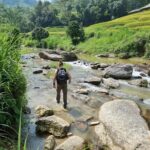
If you want an easy pace, plan for moderate fitness. The route includes narrow paths and mountain walking, and weather in the Sapa area can be cold or slippery, so good shoes matter.
In This Review
- Key points before you go
- Early Hanoi pickup and the long-but-comfy ride to Sapa
- Day 1 in Muong Hoa Valley: Y Linh Ho trek and Black H’mong village life
- Why Y Linh Ho is the right first night
- Consideration
- Day 2 walking circuit: Lao Chai, Ta Van, and Giang Ta Chai
- Lao Chai: fields, narrow paths, and culture on the move
- Ta Van: Giay people and wet-rice valley life
- Giang Ta Chai: bamboo forest, a waterfall, and Red Dao textiles
- Lunch, Sapa downtime, and the bus back to Hanoi
- What’s included (and why it feels like real value)
- Who this trekking-and-homestay tour is best for
- Weather, comfort, and packing tips that actually matter
- Final verdict: should you book Sapa Trekking & Homestay (2 Days 1 Night)?
- FAQ
- What time does pickup happen in Hanoi?
- How long is the trip?
- Where is the homestay located?
- What meals are included?
- Is transportation included?
- Do I need a certain fitness level?
- Is there an English-speaking guide?
- How many people are in the group?
- Is the tour affected by weather?
Key points before you go
- Small group size (max 15) keeps the trek from feeling crowded
- Homestay in Y Linh Ho puts you right inside Black H’mong village life
- Short, doable walks between villages make this realistic in two days
- English-speaking local guide helps you understand what you’re seeing
- AC round-trip bus from Hanoi plus meals covers the biggest logistics
- Stops in Lao Chai, Ta Van, and Giang Ta Chai give variety beyond one village
Early Hanoi pickup and the long-but-comfy ride to Sapa
You’ll be asked to be ready at 6:30 at your hotel lobby in Hanoi’s Old Quarter. The bus pickup and departure at 7:00 is part of the trade-off for getting to the mountains while the day is still young. Expect a drive with countryside views and two short break stops along the way, with arrival in Sapa around 13:00.
The bus is described as comfortable and air-conditioned, and there’s even insurance during the time using the bus. That matters because, on a route like this, you want a ride that’s not exhausting even if it’s long. In one past experience, the trip took longer than expected because of multiple stop-and-break timing, and the key takeaway is simple: build in patience and don’t plan anything tight in Hanoi afterward.
Practical tip: bring something warm for the bus ride. Even if the ride is comfortable, mountain weather can be cooler once you’re closer to Sapa.
You can also read our reviews of more tours and experiences in Hanoi.
Day 1 in Muong Hoa Valley: Y Linh Ho trek and Black H’mong village life
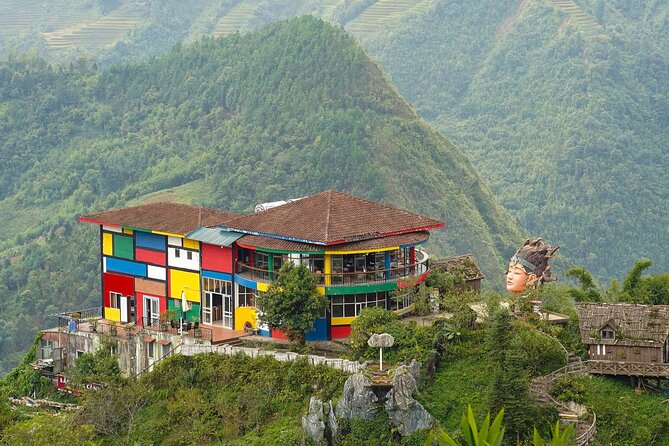
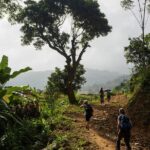
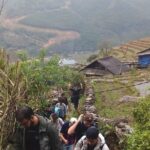
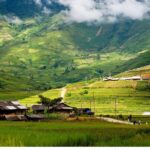
After you arrive in Sapa, you’ll transfer by van and then start the trekking portion later in the afternoon. Around 15:00, you’ll begin walking toward Y Linh Ho village, home of the Black H’mong.
This is where the tour becomes more than sightseeing. A trek through fields gives you your first close-up view of how these communities shape their landscape for farming and daily life. The walk is about 2 hours, and it’s paced to keep you moving through the valley without turning the afternoon into a punishment.
Why Y Linh Ho is the right first night
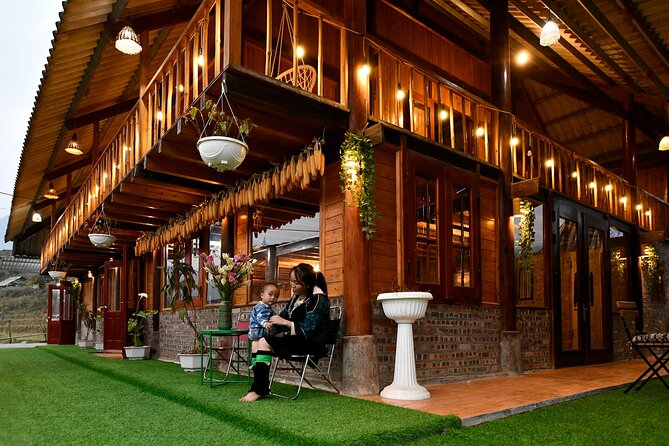
Spending the night here is a big deal. You’re not just visiting a village for a quick photo and moving on. You’ll stay in a local homestay and spend time learning about customs with the help of your guide. Dinner is included, and people highlight that the food served at the homestay can be genuinely good—often the kind of meal that makes you relax, slow down, and actually talk with the hosts.
Consideration
Homestays can mean simple comforts. The tour includes accommodation, but the data doesn’t list room details, so if you’re sensitive to basic setups, ask before booking. Also, because Day 1 starts trekking in the afternoon after a long day of travel, you’ll want a steady energy plan: drink water when you can and keep some snacks handy.
Day 2 walking circuit: Lao Chai, Ta Van, and Giang Ta Chai

Day 2 starts with breakfast, then at about 08:00 you’ll say goodbye to your homestay hosts and continue the trek. The plan keeps the day active but not brutal, with three main village stops and short walking segments in between.


Lao Chai: fields, narrow paths, and culture on the move
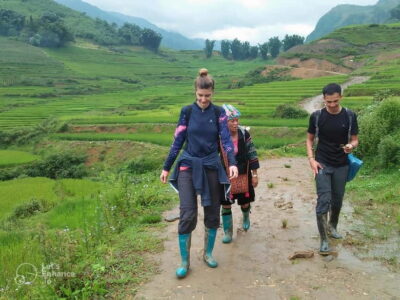
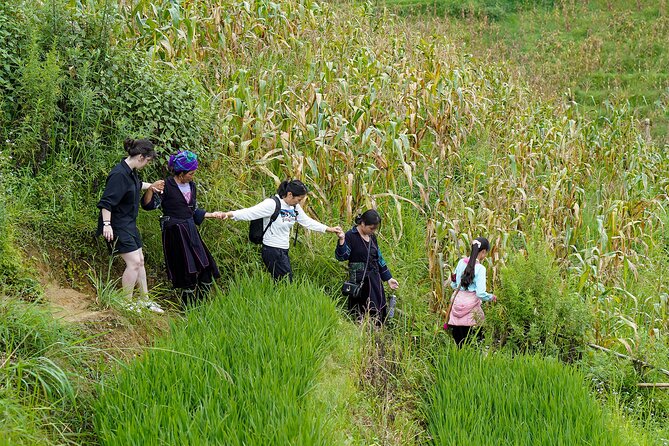
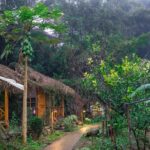
Your first trek segment is to Lao Chai village. The walking time is about 45 minutes. This part matters because it’s often the easiest way to “read” the area: you’re walking narrow paths through agricultural spaces, seeing how people live next to what they grow.
The tour frames this as an opportunity to learn about local culture and customs, which is exactly what makes short village walks more valuable than longer ones. You can notice details—house placement, field patterns, and how villages connect—without feeling like you’re sprinting for the next checkpoint.
Ta Van: Giay people and wet-rice valley life
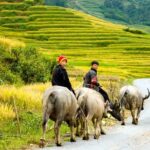
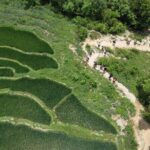
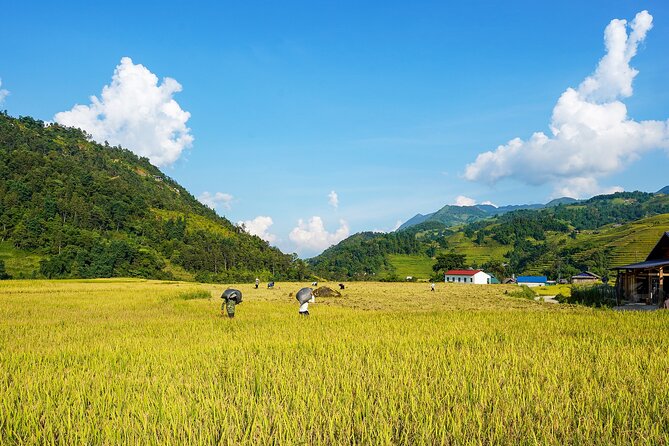
Next, you walk about 45 minutes to Ta Van village, home of the Giay people. The tour specifically notes that they live in mountain valleys near their fields and cultivate wet rice.
This is a strong stop if you like agriculture as much as scenery. Wet-rice farming ties directly to water and terrain, so you’ll start to see why the valley layout matters. Even if you don’t know the language, your guide can explain what you’re seeing, which makes the walk feel like a lesson rather than a parade of photo ops.
Giang Ta Chai: bamboo forest, a waterfall, and Red Dao textiles
The third village stop is Giang Ta Chai (about 45 minutes). The trek continues through an enchanting bamboo forest and past a waterfall, then you visit the Red Dao community.
This stop also includes a cultural detail: the women of the Red Dao are known for very colorful red embroidery. Whether you’re into textiles or not, this kind of visible craft is one of the easiest ways to understand identity in a place—because it shows up in everyday life, not just in a museum.
Practical consideration: bamboo forests and waterfall areas can be damp. Wear shoes that handle slippery ground, especially if fog or mist turns the path into a shiny skating rink.
Lunch, Sapa downtime, and the bus back to Hanoi
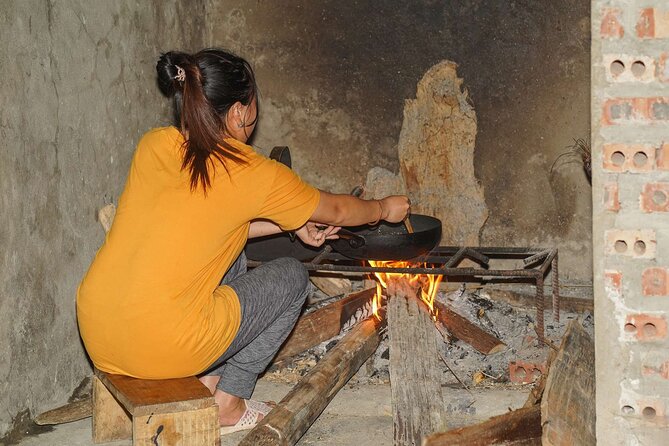
After Giang Ta Chai, you’ll have lunch before leaving the village area and returning to Sapa. There’s about 1 hour for lunch in the plan, then you’ll drive to Sapa and get a break.
This is your chance to reset. You’ll have time to relax at the Symphony Hotel in Sapa until it’s time to board the afternoon bus back to Hanoi. The bus arrives in Hanoi in the evening and drops you off near the Old Quarter.
This “in-between” hour is actually useful. After two days of walking and village visits, you’re not just tired—you’re mentally full. A quiet pause helps you actually remember what you saw instead of collapsing the moment you get back.
One small drawback: the tour is tight. You’re finishing in Sapa and then heading back the same day, so plan to keep your evening in Hanoi flexible.
What’s included (and why it feels like real value)
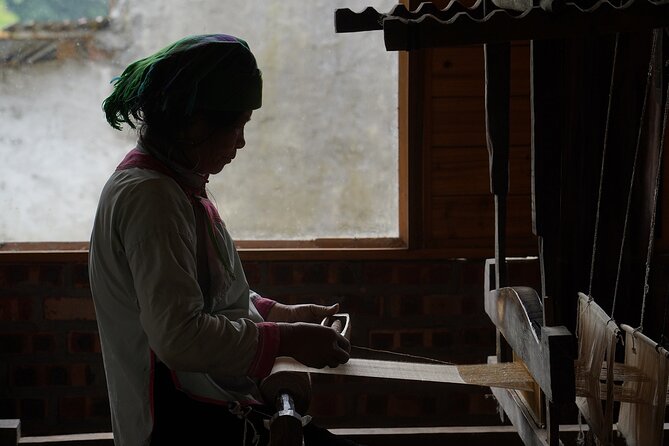
At $53.75 per person for 2 days and 1 night, the value comes from the bundle of core costs that usually eat your time and budget in northern Vietnam.
Included:
- AC bus from Hanoi to Sapa and back
- English-speaking local guide
- Homestay accommodation (1 night in Y Linh Ho)
- Breakfast and dinner (plus lunch on Day 2)
- All fees and taxes
- Insurance during the time using the bus
When you break it down, the biggest cost drivers—transport and guided access—are already handled. You’re paying for the structure that gets you from city pickup to village life without having to stitch together multiple transfers yourself.
Also check the “small” details: the tour mentions a single room surcharge of $10 if you need a solo room. And “drinks and tips” are not included, so you’ll want a little cash or a plan for personal spending.
Who this trekking-and-homestay tour is best for
This tour fits best if you want a real two-day experience, not a long trek vacation. You’ll walk between villages for short stretches, sleep in a homestay, and get guided context for Black H’mong, Giay, and Red Dao life.
You’ll likely enjoy it if:
- you want a guided introduction to ethnic minority villages in Sapa
- you’re comfortable with a moderate fitness level
- you prefer small-group travel (max 15)
- you like a mix of views, farming landscapes, and cultural stops
You might skip it if you need a fully relaxed pace or you’re worried about cool, damp mountain conditions.
Weather, comfort, and packing tips that actually matter
The tour says it requires good weather. In Sapa, that can mean you should expect at least some variability. If fog or mist rolls in, you’ll still have the trek, but paths can feel colder and slicker. One older experience also pointed out challenges like cold conditions and slippery footing, which is exactly what good shoes help with.
Bring:
- sturdy shoes with grip
- a warm layer for mornings and evenings
- a light rain layer if the forecast looks uncertain
- water and simple snacks for energy (lunch is included, but you’ll still want fuel between segments)
Also, remember: you start early in Hanoi and finish the trip back in the evening. Don’t plan an early flight the same day you return.
Final verdict: should you book Sapa Trekking & Homestay (2 Days 1 Night)?

I’d book this tour if you want the best parts of Sapa without needing a week off. The strongest reasons are simple: the homestay in Y Linh Ho, the short village-to-village trek circuit, and the fact that meals and transport are handled in a way that keeps the trip from feeling like a logistics project.
Skip it if you hate early starts, dislike any mountain walking, or you’re expecting a luxury hotel-style experience. This is rural, guided, and purposeful.
If your goal is to see Muong Hoa Valley and understand how several ethnic communities live—through walks, conversations, and one real night in a homestay—this is a solid value for your time.
FAQ
What time does pickup happen in Hanoi?
You should be ready at your hotel lobby in the Hanoi Old Quarter at 06:30, and the bus leaves at 07:00.
How long is the trip?
The tour runs for 2 days (approximately), including transport, the homestay night, and the trekking route.
Where is the homestay located?
You spend 1 night at a local homestay in Y Linh Ho village.
What meals are included?
The tour includes breakfast and dinner, plus lunch (2) as listed in the included items.
Is transportation included?
Yes. You get a comfortable air-conditioned bus from Hanoi to Sapa and back, with a transfer by van in Sapa.
Do I need a certain fitness level?
The tour notes that you should have a moderate physical fitness level.
Is there an English-speaking guide?
Yes, the tour includes an English-speaking local guide.
How many people are in the group?
There’s a maximum group size of 15 travelers.
Is the tour affected by weather?
Yes. It requires good weather, and if it’s canceled due to poor weather, you’ll be offered a different date or a full refund.