REVIEW · KATHMANDU
Manaslu Circuit Trek
Book on Viator →Operated by Alpine Luxury Treks Pvt Ltd · Bookable on Viator
One turn of the Himalaya, and you feel it. The Manaslu Circuit Trek is a classic way to walk around the Manaslu massif, with big mountain views and a small-town rhythm as you pass through villages and teahouses.
I especially like that the trek is built around practical pacing and acclimatization, not just a straight line to the highest point. And you get a full support setup, including an English-speaking, government-licensed guide and a porter (1 for 2 trekkers), plus welcome and farewell dinners.
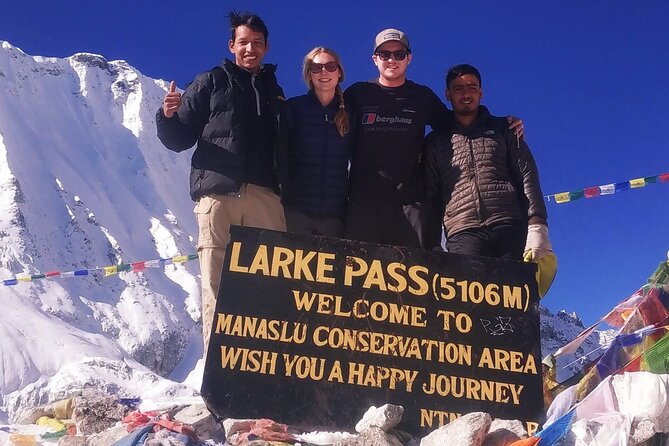
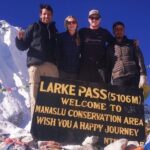
The main consideration is that this is still a serious trek. You’ll need strong fitness, long trekking days, and the pass section is demanding—especially at Larkya La (5,160m).
In This Review
- What I’d Highlight If You’re Choosing This
- Manaslu Circuit Trek: The Big Picture (and Why It’s Worth It)
- Price and Logistics: What Your $2,300 Actually Covers
- Meet in Thamel: Starting Strong in Kathmandu
- The Trek in Sequence: What Each Stage Feels Like
- Day 3: Drive out, then start walking to Sotikhola (700m)
- Day 4: Sotikhola to Machha Khola (869m)
- Day 5: Machha Khola to Jagat (1340m)
- Day 6: Jagat to Deng (1860m)
- Day 7: Deng to Namrung (2630m)
- Day 8: Namrung to Lho (3180m)
- Day 9: Lho to Samagaon (3520m)
- Day 10: Acclimatization day in Samagaon
- Day 11: Samagaon to Samdo (3875m)
- Day 12: Samdo to Dharamsala / Larkya Phedi (4460m)
- Day 13: Larkya La (5160m) and then to Bimthang (3590m)
- Day 14: Bimthang to Dharapani (1963m)
- Day 15: Drive to Besisahar (760m)
- Day 16: Return to Kathmandu (1334m)
- Day 17: Fly back home
- The People Factor: Guides and Porters Make This Trek Work
- Teahouses, Meals, and What Comfort Looks Like Here
- Gear Included: Down Jacket and Sleeping Bag
- How Hard Is Larkya La, Really?
- Who This Trek Fits Best
- Should You Book the Manaslu Circuit Trek (Alpine Luxury Treks)?
- FAQ
- FAQ
- Where do we meet and what time does the trek start?
- How many days is the Manaslu Circuit Trek?
- What is the highest point on this trek?
- What’s included for trekking support and meals?
- Is gear provided for cold weather?
- Is Kathmandu hotel and sightseeing included?
- What happens if the trek is canceled due to weather?
What I’d Highlight If You’re Choosing This
- Altitude planning is front-and-center with an acclimatization day in Samagaon.
- The pass day is structured: Larkya La first, then a controlled descent to Bimthang.
- Gear is included (down jacket and sleeping bag), so you’re not scrambling last-minute.
- Small group size (max 10) keeps things calmer on busy schedule days in towns.
- Organization shows up in details like clear pre-trip communication and smooth handoffs on the ground.
Manaslu Circuit Trek: The Big Picture (and Why It’s Worth It)
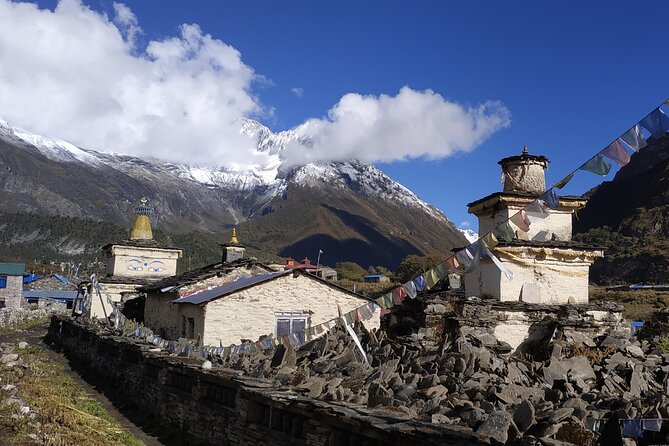
The Manaslu Circuit is popular for a reason: it’s a long, remote loop that changes character as the altitude climbs. You start low near river valleys, then gradually rise into harsher, thinner-air country where the mountains look closer and the air feels sharper. If you want a trek that mixes scenery with village life—without feeling like you’re sprinting—this is the right style.
The best part for most people is the combination of “walk days” and “life days.” You’re not only collecting hours; you’re also getting time to settle into places like Jagat, Deng, Namrung, and Samagaon. That’s where the trek stops feeling like a checklist and starts feeling like a real journey.
You can also read our reviews of more tours and experiences in Kathmandu.
Price and Logistics: What Your $2,300 Actually Covers
$2,300 per person sounds like real money. But on this trek, the value comes from what’s handled for you—especially in a region where getting the basics wrong can cost time, comfort, or safety.
Here’s what’s included that matters:
- Kathmandu to Soltikhola and Dharapani to Besisahar to Kathmandu transportation
- Airport pickups and drops in a private vehicle
- Kathmandu hotel (3-star) with breakfast, twin sharing
- Kathmandu Valley sightseeing (plus entrance fees)
- Permits and paperwork
- English-speaking, government-licensed guide and their expenses
- Porter (1 for 2 trekkers) and all his expenses
- Three meals (breakfast, lunch, dinner) during the trek
- Teahouse accommodation during the trek
- Down jacket + sleeping bag (returned after the trek)
- Welcome and farewell dinners
- Medical kit
Not included (so you plan for it):
- Nepal visa fee, international airfare
- Lunch/dinner in Kathmandu
- Travel and rescue insurance
- Tips and personal expenses (phone calls, laundry, battery recharge, WiFi charge, and the like)
For me, the value equation is simple: you’re paying for less guesswork. With a licensed guide running the show, you can focus on the trail, not the paperwork and timing.
Meet in Thamel: Starting Strong in Kathmandu
Your trek starts in Kathmandu, meeting at Hotel Thamel Park Pvt. Ltd., with a 6:15 am start time. That early kick is useful because it gives you time to get organized and ready before the long day of getting out of the city.
Day 1 is arrival and transfer to your hotel. Day 2 is your Kathmandu buffer: Kathmandu Valley sightseeing plus prep. This matters more than it sounds. If you’ve ever started a high-altitude trek underpacked or overconfident, you know how quickly things go sideways. A proper prep day is your insurance policy.
Also, the operator includes a medical kit, which helps you feel less exposed during the trek days when you’re far from big-town pharmacies.
The Trek in Sequence: What Each Stage Feels Like
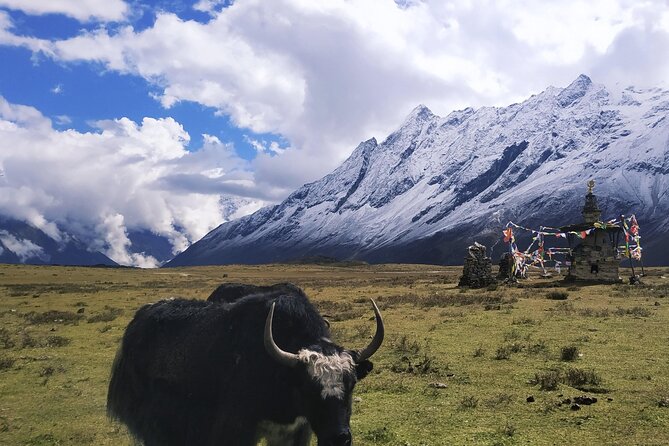
Below is the practical rhythm of the walk. I’ll keep the focus on what changes day to day: altitude, time on your feet, and why that section is on the route.
Day 3: Drive out, then start walking to Sotikhola (700m)
You travel about 150 km (roughly 6–7 hours), then trek to Sotikhola for the day. At this altitude (700m), the goal is not heroics. It’s about warming up your legs and settling into the trekking pace while the route begins turning more remote.
Watch for: after a long drive, your legs can feel stiff. Start slow.
Day 4: Sotikhola to Machha Khola (869m)
Another 6–7 hours and about 12 km. The gain is modest, so this day is often the “you’re really doing it” day—steady movement with changing village scenery.
Why it’s useful: you’re training rhythm. That helps later when the days get longer and the air thins.
Day 5: Machha Khola to Jagat (1340m)
Now you’re up to 1340m, trekking 7–8 hours and about 15 km. This is a noticeable step upward. Breathing might feel a bit more work than earlier days.
Day 6: Jagat to Deng (1860m)
You’re gaining altitude again to 1860m with 6–7 hours and about 12 km. This is a good day to focus on steady steps and not speeding up just because the terrain looks “manageable.”
Day 7: Deng to Namrung (2630m)
At 2630m, you’re entering the higher zone. This is a 6–7 hour day (about 12 km). Expect more fatigue—not necessarily more danger, just more effort per step.
Pro tip: keep your pace consistent. Save your energy for the later days when you’ll feel it most.
Day 8: Namrung to Lho (3180m)
A shorter day on paper: 4–5 hours and about 9 km, finishing at 3180m. It’s a nice reset after the longer push into higher terrain. Shorter days like this can be the difference between feeling fresh and feeling wrecked.
Day 9: Lho to Samagaon (3520m)
Another 4–5 hours and about 8 km, ending at 3520m. This is a key rung up the ladder: Samagaon sits at 3520m, a high point before your acclimatization day.
Day 10: Acclimatization day in Samagaon
This is one of the most important days on the whole trek. Staying at 3520m lets your body adjust. You’re giving yourself time to reduce the risk of altitude problems when you later reach higher elevations.
If you take one lesson from high-altitude trekking, it’s this: you don’t “power through” acclimatization days. You use them.
Day 11: Samagaon to Samdo (3875m)
Now it’s 4–5 hours and about 8 km, finishing at 3875m. Higher air means less comfort for the same effort, so pacing is critical.
Day 12: Samdo to Dharamsala / Larkya Phedi (4460m)
A bigger gain to 4460m with 4–5 hours and about 8 km. You’ll likely feel the altitude more sharply here than earlier days.
This day sets you up for the toughest part.
Day 13: Larkya La (5160m) and then to Bimthang (3590m)
This is the signature day: Larkya La at 5,160m, then continuing to Bimthang (3590m) for a 6–7 hour trek of about 12 km.
Even if you feel strong, don’t treat this like a single “peak moment.” Manage the whole day:
- Expect slower movement near the pass
- Expect big relief on the descent
- Expect your legs to feel it even after dropping in elevation
Day 14: Bimthang to Dharapani (1963m)
A long day of 7–8 hours and about 15 km, ending at 1963m. The altitude swing is huge—higher fatigue can still happen because the descent uses a different kind of muscle and can stress knees.
Day 15: Drive to Besisahar (760m)
You trek into Dharapani, then drive about 80 km for 5–6 hours to Besisahar (760m). This is a recovery move that also resets you back toward lower elevation and more comfortable sleeping conditions.
Day 16: Return to Kathmandu (1334m)
You travel about 150 km (around 6–7 hours) back to Kathmandu at 1334m. After days near 4,000m+, even a “just a transfer” day feels like a reward.
Day 17: Fly back home
Your end point is back at the meeting area. Then it’s home time.
The People Factor: Guides and Porters Make This Trek Work
This trek’s success is heavily tied to the humans running it. The included guide is experienced, English-speaking, and government-licensed, and you’ll have a porter assigned (1 for 2 trekkers).
What stood out from recent experiences shared from this trip style:
- Guides like Ram were praised for making the whole journey feel organized, from pre-trip messages through the end.
- Mingma was described as a real Sherpa type—strong mountain knowledge and steady expertise.
- Jeet guided people through the trek with smooth support, and porters like Shiv were credited for being consistently helpful.
- Keshap received specific credit for carrying loads and keeping the trek moving.
- Madhav and Badri were also mentioned for arrangements and guidance that felt structured and calm.
Even if you’re a confident hiker, having someone who understands mountain timing and group pacing is a big value. It helps you spend your energy on walking, not problem-solving.
Teahouses, Meals, and What Comfort Looks Like Here
Teahouse accommodation is included, and so are three meals per trekking day (breakfast, lunch, dinner). That’s a real benefit on a circuit like this because it cuts down on decision fatigue. You’re not searching for food after long hours.
What you should expect from teahouse trekking in general:
- Simple rooms
- Basic facilities
- A warm place to eat and regroup
Since the trek includes a sleeping bag (provided) and a down jacket, you’re set up to handle cold nights without needing to rent or buy major gear.
Gear Included: Down Jacket and Sleeping Bag
This trek provides a down jacket and sleeping bag (to be returned after the trek). That’s practical for two reasons:
- You don’t carry extra bulky winter gear from home.
- You can arrive focused on trekking, not gear shopping.
Still, use your common sense about layering. The higher you go, the more warmth matters.
How Hard Is Larkya La, Really?
You’ll hit Larkya La at 5,160m on Day 13, then continue to Bimthang (3590m). That means this day is both altitude-heavy and physically demanding.
The best way to approach it:
- Keep a slow, steady pace
- Don’t sprint up early just because you feel good
- Treat the pass as a long process, not a quick summit sprint
Also, remember your tour description is clear: you should have a strong fitness level. This is not a stroll.
Who This Trek Fits Best
This trek is a strong match if you:
- Want a classic circuit trek with a long duration (17 days)
- Like the idea of guided support and a manageable group size (max 10)
- Are prepared for high-altitude trekking and long walking days
- Appreciate village stops and time spent in places like Samagaon (including an acclimatization day)
It’s less ideal if you want:
- A short, low-effort trek
- Total independence with zero guidance
- A purely comfort-first trip style
Should You Book the Manaslu Circuit Trek (Alpine Luxury Treks)?
If you want a serious high-country trek with full support, this is a strong option. The value isn’t just the route—it’s the setup: permits, licensed guide, porter support, three meals on trek days, provided cold-weather gear, and a plan that respects acclimatization.
I’d book if you’re excited about the remote feel of the Manaslu region and you’re ready for the physical side of Larkya La. I wouldn’t book if you’re unsure you can handle long days at rising altitude.
FAQ
FAQ
Where do we meet and what time does the trek start?
The meeting point is Hotel Thamel Park Pvt. Ltd. in Kathmandu, and the start time is 6:15 am.
How many days is the Manaslu Circuit Trek?
The trip is listed as 17 days, including trekking and return travel back to Kathmandu and flight back home.
What is the highest point on this trek?
The itinerary includes Larkya La pass (5,160m) on Day 13.
What’s included for trekking support and meals?
You get an English-speaking, government-licensed trek guide, a porter (1 for 2 trekkers), teahouse accommodation during trekking, and three meals per day during the trek (breakfast, lunch, dinner).
Is gear provided for cold weather?
Yes. The tour includes a down jacket and sleeping bag, which you return after the trek.
Is Kathmandu hotel and sightseeing included?
Yes. You get a 3-star hotel in Kathmandu with breakfast (twin sharing), plus Kathmandu Valley sightseeing with entrance fees included.
What happens if the trek is canceled due to weather?
This experience requires good weather. If it’s canceled due to poor weather, you’ll be offered a different date or a full refund. The experience is non-refundable and cannot be changed for any other reason.