REVIEW · POKHARA
4 Days Mardi Himal Base Camp Trekking in Pokhara
Book on Viator →Operated by Crystal Holidays Nepal · Bookable on Viator
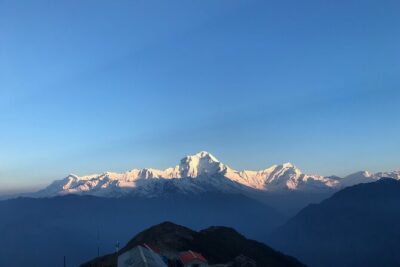
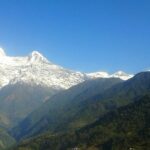
A Himalayan view in just four days. The best part of this Mardi Himal base camp trek is how cleanly it’s planned, moving you from Pokhara to Kande and then through Australian Camp toward Forest Camp, with an experienced English-speaking guide helping you pick good photo spots and stay on track. I also like that the route selection isn’t just a straight line to the big viewpoint; it includes paths that give different angles of the mountains and a chance to connect with local communities along the way.
One thing to plan for: meals aren’t included, so you’ll want to budget for food each day (the estimate given is around 3,500 NPR per person per day). This is still a solid value if you’re the type who’s fine buying meals at local spots and focusing your spending on guiding, permits, and transfers.
The pacing is a hike-focused program with guesthouse stays, hotel pickup, and the practical transport links that make a multi-day trek feel less stressful from the start. You’ll walk real trails most days—around 6 to 9 hours—so bring a steady trekking mindset and you’ll be in good shape.
In This Review
- Key Highlights You’ll Feel Day to Day
- Starting in Pokhara: Transfers and the Kande Launch
- Day 1 (Kande → Forest Camp): Australian Camp to Your First Camp
- Day 2 (Forest Camp → High Camp): Rhododendron Forests and High-Camp Timing
- Day 3 (High Camp → Mardi Himal Base Camp → Low Camp): The Main View, Plus a Long Day
- Day 4 (Low Camp → Siding Village → Pokhara): Downhill Trails and a Clean Exit
- The Guide Factor: Safer Feeling, Better Footsteps
- Permits, Guesthouses, and Why the $245 Price Works
- Pace, Fitness, and Packing for 6–9 Hour Trek Days
- Who Should Book This Mardi Himal Trek (and Who Might Not)
- Should You Book This 4-Day Mardi Himal Plan?
- FAQ
- How long is the Mardi Himal trek?
- Are permits included?
- Do I get help with transport in Pokhara?
- Is accommodation included?
- Are meals included in the price?
- Is this tour private?
Key Highlights You’ll Feel Day to Day
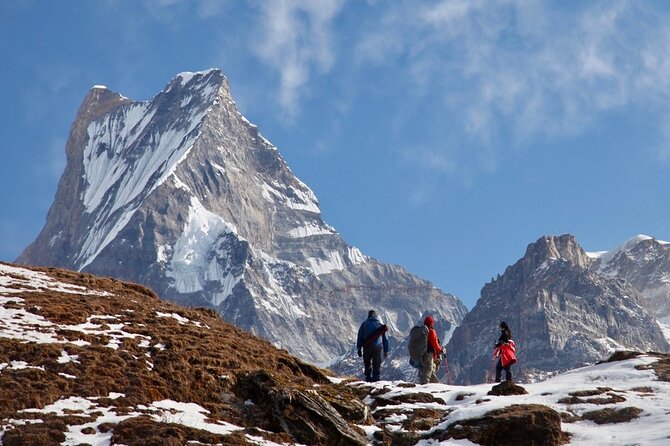
- Kande start with private transfer so you’re not fumbling around in Pokhara before the hike
- Australian Camp and Forest Camp routing that sets you up for better day-two views
- Early starts on the High Camp and Base Camp days, timed for the best mountain chances
- English-speaking local guide who understands both terrain and culture
- Guesthouse accommodation built into the trek, not something you have to arrange
- Siding Village downhill finish with a sharing jeep back to Pokhara
Starting in Pokhara: Transfers and the Kande Launch
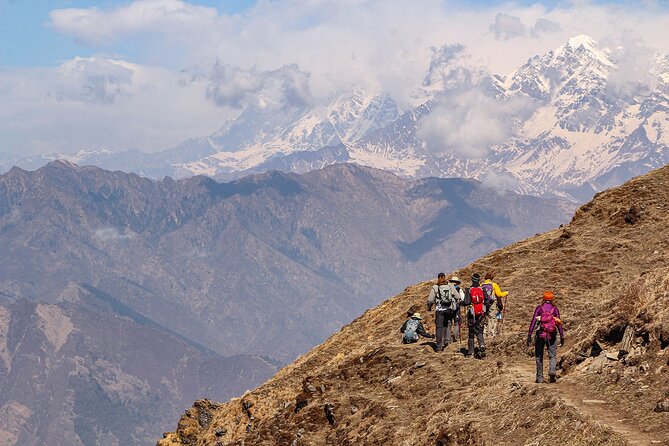
Pokhara is a friendly place to start a trek, and this plan keeps the first big step simple. You get hotel pickup and drop-off, then you ride by private car from Pokhara to Kande to begin trekking. That matters more than it sounds: you lose less energy dealing with local transport, and you spend more of your day actually hiking.
After the trek, you get a sharing jeep from Siding Village back to Pokhara. It’s not a private car for the whole route, but it is a clear, handled solution—so you’re not stuck negotiating your way out of the mountains on your last day.
You’ll also receive a mobile ticket, which is handy for peace of mind when you’re juggling permits, timing, and meeting points. In a place like Nepal, any system that reduces confusion before dawn on trek days is a genuine quality-of-life upgrade.
You can also read our reviews of more tours and experiences in Pokhara.
Day 1 (Kande → Forest Camp): Australian Camp to Your First Camp
Day 1 is about getting into the rhythm. After you transfer from Pokhara to Kande, you begin trekking and pass through Australian Camp, then continue toward Forest Camp. The trek time is about 6 hours, so you’ll get a proper first-day effort without it being an all-day endurance contest.
Why I like this first move: Australian Camp is a natural checkpoint point in the story of the trek, and it helps you mentally “unlock” the route. You start with enough structure that you’ll know what’s coming next—rather than guessing at every turn of the trail.
You’ll also be shifting from transport time into trail time quickly. If you’re used to slow starts on trips, this day may feel brisk. But that’s also why it works: by the time you reach Forest Camp, your body has adjusted, and tomorrow’s hike toward High Camp makes more sense.
One practical detail: the schedule shows an admission ticket included on Day 1, while Day 2 is listed as free. That likely reflects fee scheduling along the trekking route. Either way, it’s covered in the tour setup rather than something you scramble to buy mid-trek.
Day 2 (Forest Camp → High Camp): Rhododendron Forests and High-Camp Timing
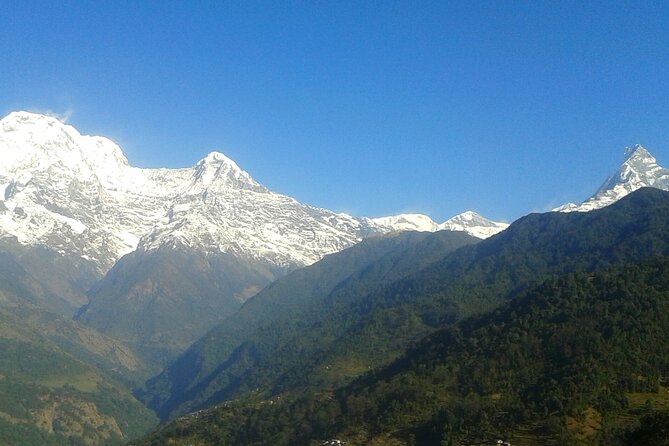
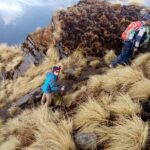
On Day 2, the plan asks you to start early from Forest Camp and trek toward High Camp. Again, it’s about 6 hours. You’ll walk through rhododendron forests, which is one of those trail details that turns the whole day from just hiking into something more textured.
Early starts usually pay off in two ways. First, you have better odds of calmer, clearer conditions when you’re heading into higher elevations. Second, you’re less likely to feel like you’re hiking while the mountain views are slipping away.
This day is also where the tone changes. Day 1 is about getting oriented and settling in. Day 2 is about climbing with focus—staying steady on your breathing, taking short rests when you need them, and making time to look up when the view opens.
A scheduling note: the plan marks the Day 2 admission ticket as free, so you aren’t layering extra route costs onto that day.
Day 3 (High Camp → Mardi Himal Base Camp → Low Camp): The Main View, Plus a Long Day
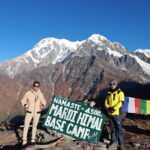
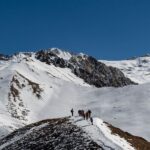
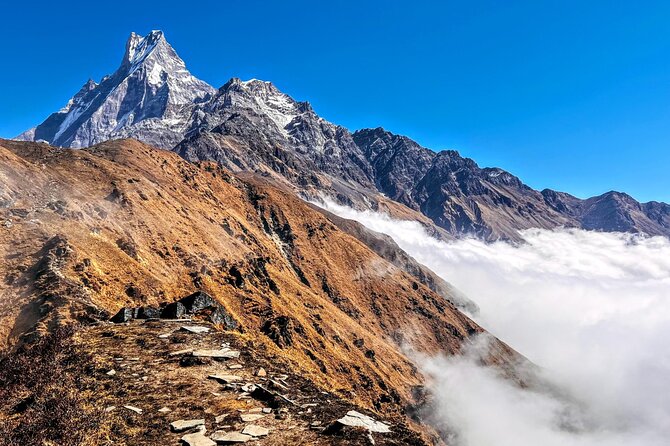
Day 3 is the heavy hitter. You start early for Mardi Himal Base Camp with enough time to take in the panorama, then you return to Low Camp. This is the longest day in the plan at about 8 hours.
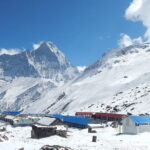
This is where the trek’s design becomes clear. High Camp isn’t an end by itself—it’s a stepping stone. By the time you reach Base Camp, you’re already warmed up for the altitude and rhythm, so you can spend more of your energy on enjoying the moment rather than fighting your own pacing.
Base camp days can vary wildly depending on conditions. What’s consistent here is the structure: you don’t just get there and sprint back. The timing gives you a real chance to savor the views, then head down to Low Camp so Day 4 can be more of a downhill finish.
And yes, it’s a long day. If you’re someone who gets mentally worn out on longer hikes, plan for breaks without guilt. Your guide can help you adjust the pacing so you’re still feeling good at the viewpoints, not only surviving the route.
Day 4 (Low Camp → Siding Village → Pokhara): Downhill Trails and a Clean Exit
Day 4 is your reward day, and it’s mostly downhill. You trek to Siding Village through lush forest paths, and the vibe is described as serene. The trekking time is about 9 hours, which sounds long for a downhill day—but don’t interpret that as a bad sign. Downhill still takes effort on your legs, and it can take time to reach the village trails and transition point.
Once you reach Siding Village, a sharing jeep takes you back to Pokhara. I like this setup because your finish isn’t a long, uncertain walk or a last-minute ride hunt. It’s a handled ending that lets you rest in Pokhara without the stress.
Practical note: because you’re walking for many hours even while descending, bring trekking poles if you use them. They can reduce strain on knees and help you stay balanced on uneven ground.
The Guide Factor: Safer Feeling, Better Footsteps
The tour’s biggest strength is the people component. It includes an English-speaking trekking guide who’s familiar with the terrain and understands the route, plus the local culture. That combination matters on Mardi Himal where good pacing and correct trail choices really affect your comfort.
For solo travelers, that’s a big deal. One of the strongest themes from the experience feedback is that solo hikers—especially solo women—want a guide they can trust. The guide isn’t just there to point the way. They’re your translator for small surprises, your reality-check on conditions, and your on-the-ground support when you’re tired.
If you’re thinking about doing this type of trek alone, this program gives you the middle ground: you still get the mountains and the walking, but you’re not doing the whole puzzle by yourself. You’re also more likely to enjoy the trek because your attention can stay on the trail and the views, not on logistics.
Permits, Guesthouses, and Why the $245 Price Works
The listed price is $245 per person for a roughly 4-day trek. On paper, that can sound either high or low depending on what you expect to handle yourself. Here’s why it’s actually good value if you want a guided, organized experience.
What’s included:
- Hotel pickup and drop-off
- Trekking permit and TIMS
- English speaking trekking guide
- Pokhara to Kande transfer by private car
- Siding to Pokhara in a sharing jeep
- Accommodations in guest house
- Private trip
That package cuts out a lot of common trek headaches: permits, a guide, and the key transfer legs. If you’ve ever tried to piece together a trek in Nepal using multiple vendors, you already know how quickly time and energy disappear.
What’s not included:
- All meals (approx. 3,500 NPR per person per day)
- Gratitude
So the real cost picture is the trek price plus food each day. If you eat a typical trekking menu, this can still be straightforward, and it gives you flexibility to choose what you feel like eating without waiting on a set meal plan. If you’re hoping for meals fully included in the base price, you may feel the cost more than you’d like.
Also worth noting: the experience offers group discounts in its features. Even though it’s set up as a private trip for your group, if you’re traveling with friends or able to share the trek with others through the organizer, you may find the overall math improves.
Pace, Fitness, and Packing for 6–9 Hour Trek Days
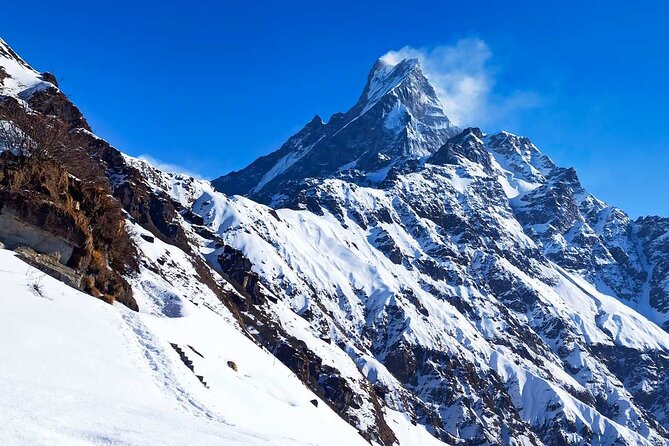
This trek is marked for moderate physical fitness. The daily trekking times are about:
- Day 1: around 6 hours
- Day 2: around 6 hours
- Day 3: around 8 hours
- Day 4: around 9 hours (mostly downhill)
That means you’ll be walking a lot. Not technical climbing—just time on your feet, uphill effort, and later, downhill leg work.
For packing, I’d keep it practical:
- Water bottle plus a small refill plan (your guide can usually advise what’s available on the route)
- Light rain layer. Mountain weather can shift quickly.
- Comfortable hiking shoes with decent grip
- A daypack for layers and small essentials
- If you use them, trekking poles for the downhill-heavy Day 4
If you’re coming from sea level or you’re new to altitude trekking, don’t push hard on the first couple of days. The best strategy is steady effort and short, smart breaks.
Who Should Book This Mardi Himal Trek (and Who Might Not)
This trek is a great fit if you want:
- A shorter, 4-day trek experience with a clear base camp goal
- A planned route that includes key viewpoints like High Camp and Mardi Himal Base Camp
- A guided experience with English-speaking support
- The practical comfort of pickup, guesthouse stays, and transport handled
It may not be the right fit if:
- You hate budgeting daily for meals (they’re not included)
- You can’t manage repeated hiking days of 6 to 9 hours
- You want a fully private, private-vehicle end-to-end service (the final transfer uses a sharing jeep)
Should You Book This 4-Day Mardi Himal Plan?
I’d book this trek if you value organized logistics, permits handled for you, and a real guide rather than solo navigation. The value is strongest when you’re the type who wants the mountains plus support—especially if you’re traveling alone and you want to feel grounded in a reputable setup.
If you do book, I’d plan ahead. The experience is often booked about 41 days in advance on average, which suggests popular timing windows. Also remember you’ll want cash or a clear way to cover meals each day (about 3,500 NPR per person per day is the estimate provided).
FAQ
How long is the Mardi Himal trek?
It runs for about 4 days, with daily trekking times listed at roughly 6 hours on Days 1 and 2, 8 hours on Day 3, and 9 hours on Day 4.
Are permits included?
Yes. The trekking permit and TIMS are included.
Do I get help with transport in Pokhara?
Yes. You get hotel pickup and drop-off, a private car transfer from Pokhara to Kande, and a sharing jeep from Siding Village back to Pokhara.
Is accommodation included?
Yes. You stay in guest houses during the trek.
Are meals included in the price?
No. All meals are not included. They are available for purchase, with an estimate of about 3,500 NPR per person per day.
Is this tour private?
Yes. It’s set up as a private trip, meaning only your group participates.