REVIEW · KATHMANDU
Chisapani Nagarkot Trekking
Book on Viator →Operated by Outshine Adventure Pvt Ltd · Bookable on Viator
Three days can still feel like the Himalaya. This Chisapani Nagarkot Trekking route is built for short trips in the Kathmandu Valley, with ridge walks through forest, Tamang villages, and big mountain lookouts. I like the included meals and licensed English-speaking guide, because it keeps your focus on the trail instead of logistics.
What I also like is that the trek stays beginner-friendly by timing, with guesthouses on the way and private vehicle transfers from Kathmandu. One thing to plan for: even on a short trek, there can be a lot of steep steps—more than 100 flights have been reported for the first night’s lodging—so bring good grip shoes and accept that it’s not a gentle stroll.
In This Review
- Key Highlights at a Glance
- A Short Trek With Big View Potential
- Getting There: Kathmandu Pickup and the 6:30 Start
- Day 1 to Chisapani: Sundarijal, Mulkharka, and Forest Hikes
- Day 2 to Nagarkot: Ridge Trails, Wide Views, and Sunset Mood
- Day 3 to Changu Narayan: Sunrise Hike and Tamang Cultural Trail
- Guesthouses, Meals, and What “Included” Really Means
- Price and Logistics: Is $350 Good Value?
- Who This Trek Fits Best (and Who Might Reconsider)
- Should You Book Chisapani Nagarkot Trekking?
- FAQ
- FAQ
- How long is the Chisapani Nagarkot trekking experience?
- Where does the tour start?
- What time does the trek start?
- Is hotel pickup included?
- What is included for meals?
- Where do you stay overnight?
- Is a guide provided?
- What parts of the trip include transportation?
- What is not included in the price?
- What fitness level do I need?
- Is a passport required?
- How many people are in the group?
Key Highlights at a Glance
- Tight 3-day schedule: Chisapani, Nagarkot, and Changu Narayan without committing to a long trek.
- Meals handled: breakfast, lunch, and dinner are provided, so you’re not hunting food mid-walk.
- Guesthouse nights on the route: you sleep locally instead of commuting back to Kathmandu every day.
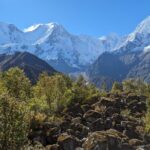
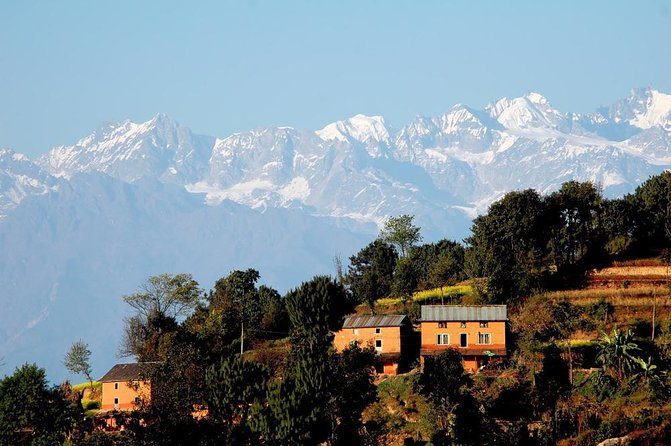
- Ridge trail scenery: oak, rhododendron, terraced fields, and village paths with mountain views.
- Sunrise and sunset chances: Nagarkot for sunset; early morning for sunrise toward the eastern Himalaya.
A Short Trek With Big View Potential
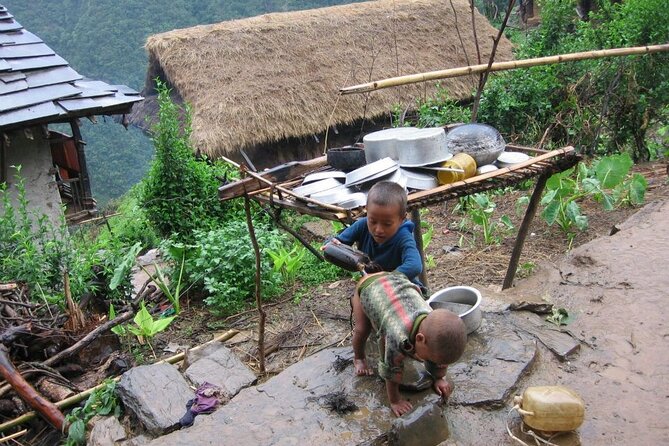
If you only have a few days in Nepal, this trek is a smart way to trade city time for mountain time—without needing a full week or two. You’re not trekking far away from Kathmandu; instead, you’re using elevation and ridge lines to earn Himalayan views.
I like that the route is designed like a sequence of lookouts. Day 1 gets you into the rhythm with a forest-and-village walk to Chisapani. Day 2 climbs toward Nagarkot, a place locals use for weekend mountain watching. Day 3 combines an early start with a cultural hike to Changu Narayan Temple, with terraced farmland and traditional villages along the way.
The biggest reward here is timing. You’re up at dawn for sunrise views, and you’re positioned for the classic late-day mountain mood at Nagarkot.
You can also read our reviews of more tours and experiences in Kathmandu.

Getting There: Kathmandu Pickup and the 6:30 Start
The tour starts early. You’ll meet at Outshine Adventure Pvt. Ltd at Paknajol Chock, Kathmandu (44600), with a 6:30 am start time. From there, you’re picked up and taken by private vehicle.
Why that matters: starting early gives you more daylight for hiking, and it also boosts your odds of clearer views. It’s also a lot easier on your first day. Instead of spending the morning figuring out local transport to reach the trailhead, you get driven to Sundarijal (2200m) and you start walking.
The itinerary also includes surface transfers both ways: Kathmandu to Sundarijal on day 1, and later from Nagarkot back to Kathmandu on day 3. That makes this trek feel more like a guided experience than a DIY hike you have to engineer yourself.
Day 1 to Chisapani: Sundarijal, Mulkharka, and Forest Hikes
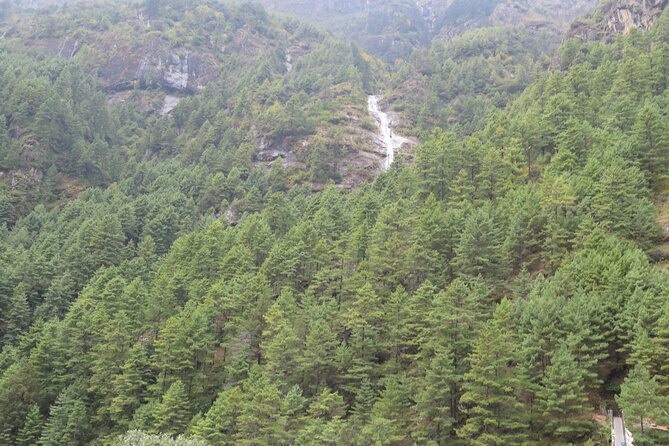
Day 1 begins at Sundarijal (2200m). After breakfast, you drive there, then start hiking through Mulkharka village, with Tamang communities along the route. The trail passes through forest and then steadily climbs toward an east ridge, feeding into the Shivapuri forest area.
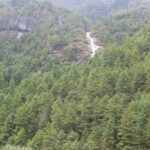
What stands out on paper (and usually in real life) is the mix of scenes. You get village atmosphere first, then you move into forest walking through oaks and rhododendron. That’s a nice combo for a short trek because it gives you variety without needing a huge mileage day.
You’ll reach Chisapani (2300m) and sleep in a guesthouse. The trekking time listed is about 5 hours, which is long enough to feel accomplished but short enough that a moderate pace still works.
One practical consideration: even if the total day feels manageable, the “last stretch” can be steep. One reported issue was that the first night’s lodging involved climbing well over 100 flights of stairs. That means you should pack for real footing—good tread shoes and a trekking pace you can sustain even when the path turns vertical.
Day 2 to Nagarkot: Ridge Trails, Wide Views, and Sunset Mood
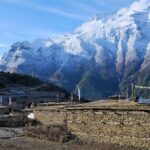
Day 2 starts with a view advantage. You’re in position to catch northern mountain scenery in the morning. Your trek begins at Chauki Bhanjag, then continues along charming trails toward Nagarkot (2175m).
The hike time is around 6 hours. This is the longest day on the schedule, so plan your effort. If you’re new to hiking, treat this as your “workout” day and save energy for the viewpoints.
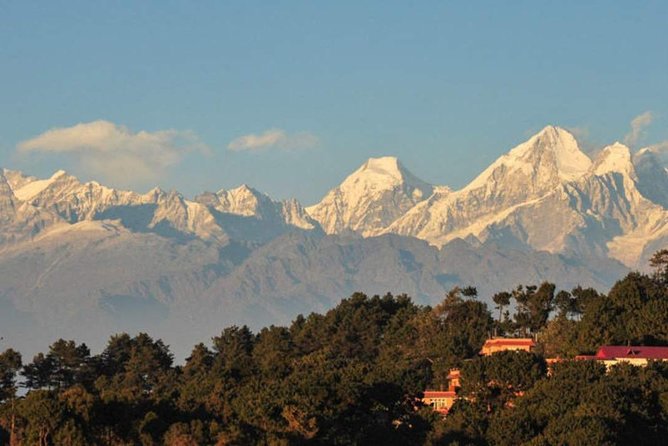
Nagarkot is famous for a reason. On clear weather, the Himalayan range can appear from the west (including Dhaulagiri) all the way toward the far eastern peaks (past Everest and toward Kanchenjunga). The tour specifically frames Nagarkot as a place where those views can emerge dramatically once conditions cooperate.
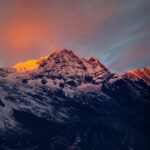
And you’re not just walking for daytime scenery. You get to enjoy sunset from the Nagarkot hill station. That timing matters because evening light changes everything—shadows deepen, ridgelines sharpen, and the mountains often look more dramatic than during the flat midday haze.
You’ll also notice how popular Nagarkot is with Kathmandu residents as a nearby escape. That can be a plus if you like a lively, well-used destination. Just remember it’s still a mountain village, so you’ll want patience if weather isn’t cooperating.
Day 3 to Changu Narayan: Sunrise Hike and Tamang Cultural Trail
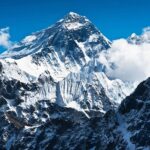
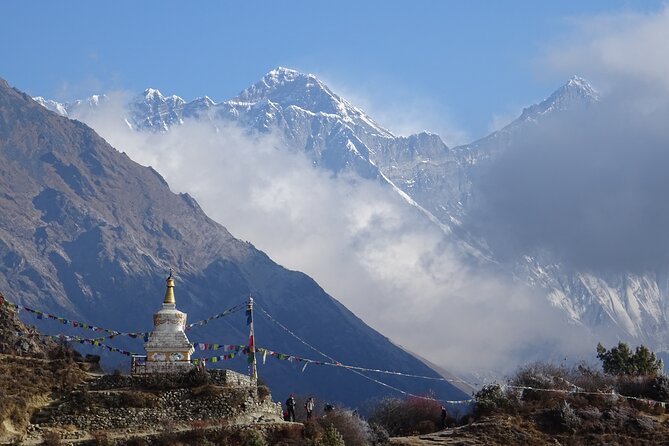
Day 3 is all about early timing. You wake up early to see sunrise through the eastern Himalayan ranges, including a view toward Mt. Everest when conditions align.
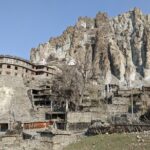
After breakfast, you hike toward Changu Narayan Temple. The path runs past terraced fields and dense Tamang villages with the traditional ocher tones you can see in this region. This isn’t just a scenic walk; it’s a reminder that a short distance from Kathmandu can still feel deeply traditional.
There’s also a cultural moment built into the trail experience. You may even have a chance to see local people making local wine called Raksi, prepared by simple distillation. It’s exactly the kind of stop-and-look detail that makes a short trek feel more human and less like a checklist.
The walk then transitions into nature again, with a second segment through deciduous forest. That return to woods helps keep the final day from feeling like only villages and farmland.
Day 3 trek time is about 4 hours. One key cost note: the Changu Narayan Temple admission ticket is not included, so you’ll want to budget for it if you plan to enter or closely visit the temple grounds.
Guesthouses, Meals, and What “Included” Really Means
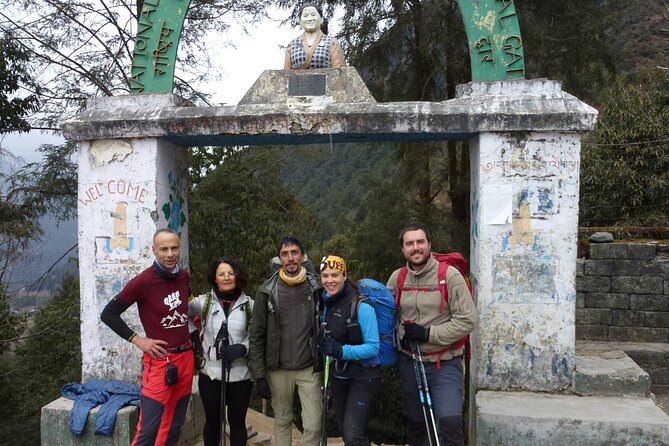
This trek is surprisingly good about removing the daily friction. You get:
- Two nights in guesthouses during the trek
- Breakfast, lunch, and dinner included (with 2 breakfasts, 3 lunches, and 2 dinners listed)
- A guide throughout who can help you navigate and explain what you’re seeing
- Taxes included, plus the core private vehicle transfers
For a short trek, that’s a big value. Meal planning is often where budget trekking trips go sideways—either you spend time finding food or you end up with meals that don’t match what you expected. Here, at least the baseline is handled, so you’re not stuck making decisions mid-hike.
A fair heads-up from real-world feedback: one disappointing detail reported was dinner turning into basic saimin noodles. That’s not guaranteed, but it tells you something important: you should treat guesthouse meals as simple, filling trail fuel—not a fine-dining promise.
What you can do to make this work for you: stay flexible about the style of food, but rely on the fact that you won’t be skipping meals while others hunt around for options.
Price and Logistics: Is $350 Good Value?
At $350 per person for about 3 days, the price lands in the “reasonable and guided” category—especially because it includes the hard-to-price items: licensed English-speaking guide, two nights of guesthouse lodging, and all meals during the trek, plus private car transfers.
If you tried to assemble this on your own, you’d quickly spend time and money on:
- arranging a guide
- finding reliable lodging on the route
- securing transport to the exact start area (Sundarijal)
- handling meals without wasting hiking hours
This package also keeps the group small, with a maximum of 15 travelers. Smaller groups tend to mean less waiting around on trail, and more ability for the guide to manage pacing.
The value question becomes: how comfortable are you with simplicity? This trek is not about luxury. It’s about Himalayan access with support, at a short duration.
Who This Trek Fits Best (and Who Might Reconsider)
This trek makes the most sense if you want a short Himalayan experience from Kathmandu and you don’t want to spend your days organizing transport and meals. It’s also well-suited for beginners with at least moderate fitness, because the schedule is tight and the climbs are broken into distinct hiking days.
You’ll likely enjoy it if you like:
- mountain viewpoints with sunrise/sunset timing
- walking through forest and villages rather than only farmland
- cultural scenery along the way, including the Tamang communities and Raksi mention
Consider a different plan if you struggle with steep steps or you want a very low-effort day. The stair volume reported for the first night lodging is a reminder that “short trek” doesn’t mean “easy legs.”
Should You Book Chisapani Nagarkot Trekking?
Yes—if you want a guided, short trek that trades time for views and culture, this is a solid choice. The included guide, meals, and guesthouse nights make it feel doable, and the route hits classic Kathmandu-region highlights: Chisapani for forest-and-village hiking, Nagarkot for sunset mountain drama, and Changu Narayan for sunrise timing and temple-area culture.
My caution: pack for stairs and accept that lodging and meals are simple. If that sounds fine, you’ll likely appreciate how efficiently this trek delivers a real taste of the Himalaya without turning your whole trip into a long expedition.
FAQ
FAQ
How long is the Chisapani Nagarkot trekking experience?
It lasts about 3 days.
Where does the tour start?
It starts at Outshine Adventure Pvt. Ltd, Paknajol Chock, Kathmandu (44600), Nepal.
What time does the trek start?
The start time is 6:30 am.
Is hotel pickup included?
Yes. Pickup is offered in Kathmandu, and transfers are included as part of the tour.
What is included for meals?
Breakfast, lunch, and dinner are included during the trek (2 breakfasts, 3 lunches, 2 dinners).
Where do you stay overnight?
You stay for two nights in guesthouses along the trekking route.
Is a guide provided?
Yes. A local government licensed English-speaking guide is included.
What parts of the trip include transportation?
You get surface transfer from Kathmandu to Sundarijal on day 1 and from Nagarkot back to Kathmandu on day 3 by private car.
What is not included in the price?
Drinks, tips, and any other expenses not mentioned as included. Also, the Changu Narayan Temple admission ticket is listed as not included.
What fitness level do I need?
The tour is for people with a moderate physical fitness level.
Is a passport required?
Yes, a current valid passport is required on the day of travel.
How many people are in the group?
The maximum group size is 15 travelers.