REVIEW · POKHARA
Independent Trekking Guide in Pokhara
Book on Viator →Operated by Trekking Guide in Pokhara · Bookable on Viator
Choosing the right trek can be hard. A private independent trekking guide out of Pokhara makes it simpler by matching you to the best Annapurna option for your time, fitness, and interests, then taking care of the messy parts like permits and day-to-day logistics. I also like that you’re not locked into one fixed route. You can book, then adjust your plan after you chat details with the guide.
Two big wins: gear for comfort and weather (including poles, a sleeping bag, rain ponchos, and a head lamp) and a guide who plans with you, not at you. One consideration though: the listed daily rate is for 1 trekking day, not the whole trip, and permits/transport/your own food and lodging may be extra unless you book the full package.
In This Review
- Key things I’d bet on
- Pokhara Start: Pickup and Private Time With One Guide
- Choosing the Right Annapurna Trek (Without Guessing)
- What Gets Handled: Permits, Transport, and Tea House Stays
- The Safety and Comfort Kit You’ll Actually Appreciate
- Photography Help With Bushnell Binoculars and a Canon 5D Mark IV
- Porters, Luggage, and the Real Cost of Easy Walking
- How a 5-Day Trek Can Work When Your Days Are Flexible
- Price and Value: What $50 per Group Really Means
- Who Should Book This Independent Trek Guide in Pokhara
- Should You Book It
- FAQ
- What time does the trekking start in Pokhara?
- What is included in the base price per day?
- Are trekking permits and transport included?
- Do I need trekking insurance?
- Can the trek be changed after booking?
- How does cancellation work?
Key things I’d bet on
- Day-by-day flexibility: your trekking days are your choice, so the plan can bend to how you feel.
- A guide trained in both trekking and instruction: Roshan is a Ministry of Tourism–trained trekking guide trainer, not just someone who knows trails.
- Organized tea-house logistics: lodging and food are arranged in tea houses along the trail.
- Safety and weather kit included: poles, sleeping bag, waterproof rain ponchos, and a head lamp.
- Photo support beyond phones: Bushnell binoculars and a Canon 5D Mark IV with a landscape lens are included with the guide.
- Porters are available when you want them: optional at USD 20 per porter per day for up to 20 kg of help.
Pokhara Start: Pickup and Private Time With One Guide
Most trek problems aren’t the mountains. They’re the decisions and the details: which route fits you, where you sleep, and how you’ll get permits without wasting time. This experience is designed to remove that friction.
You start at 8:00 am, and pickup is offered. From the beginning, you’re working with one English-speaking professional guide, so you’re not negotiating with a group schedule or hoping someone else figured out the paperwork. It’s just your party and the route plan.
Because it’s private, you can also ask practical questions early: how strenuous the route might be, how many hours you want to walk, and what kind of scenery and culture you care about most. That kind of “real-time fit” matters on an Annapurna-area trek, where routes can range from gentle viewpoints to full days of climbing.
You can also read our reviews of more tours and experiences in Pokhara.
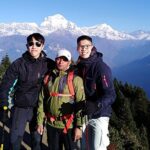
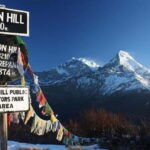
Choosing the Right Annapurna Trek (Without Guessing)
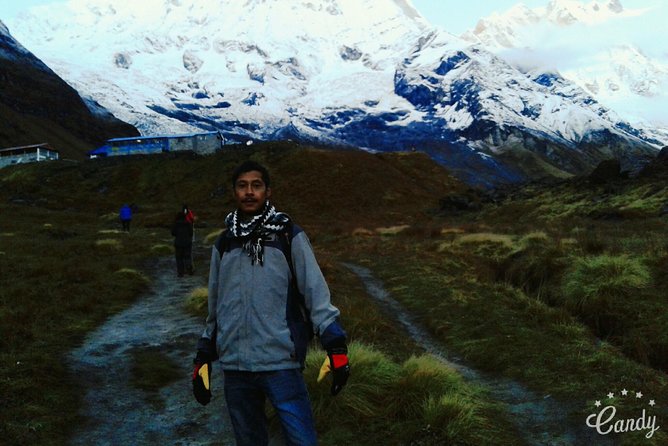
The core promise here is simple: if you’re unsure which trek to do, the guide recommends the best option after learning your details. That means the planning is based on your ability and your desire, not on a one-size-fits-all itinerary.
You’ll also have flexibility around duration. The guide can help plan an Annapurna region trek for any length you’d like. In practice, that’s how you avoid the classic mistake: booking a fixed trek that’s either too long for your fitness or too short to feel satisfying.
One more useful detail: you can book a trek and later change to a next one, and you can cancel for free after you contact them. That lowers the stress of committing before you’ve compared options.
If you’re thinking about other famous routes in Nepal, the guide also mentions that for Annapurna Circuit, Langtang, and Gosaikunda, pickup is arranged from Kathmandu. For other treks, the starting point is Pokhara. So you’re not forced into one rigid departure city.
What Gets Handled: Permits, Transport, and Tea House Stays
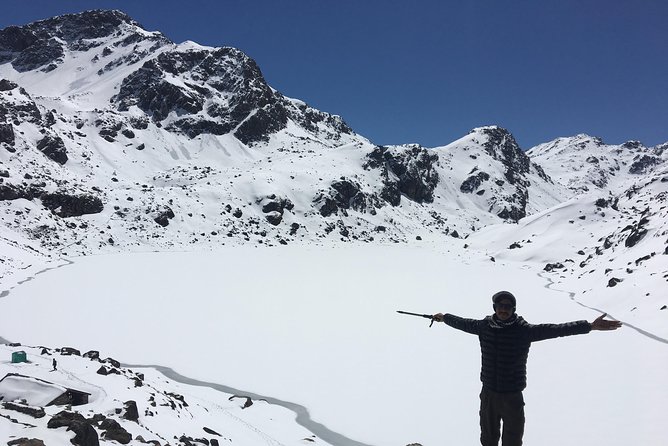
Here’s where you get real value: someone else organizes the mountain logistics. The guide says they’ll arrange permits, transport, lodging, and food through tea houses along the trails.
That matters because permits and transport can be slow and confusing if you’re doing it on your own. A trekking permit typically isn’t just a formality; it’s part of staying compliant in Nepal’s trekking system. Having the guide handle it saves time and gives you peace of mind.
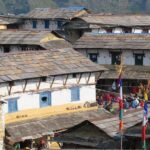
Tea houses are the practical reality of trekking in this region. They’re also why your day can feel smooth: you’re not trying to solve where to sleep at dusk. The guide specifically notes that lodging and fooding will be arranged in the best tea houses on every trail.
A key nuance: food and accommodation are not included in the base daily price. They can be included if you book a full package booking. So if you want the easiest budget planning, consider asking for the package that includes guide + porters + foods + accommodations + trekking permits + transports (the guide also mentions this can be arranged for groups up to 50 pax).
The Safety and Comfort Kit You’ll Actually Appreciate
I like that the guide prepares for safety in a concrete way, not just with advice. They’ll get you ready to a high extent possible for your safety and provide important gear.
You’re told you’ll receive:
- Trekking poles (free)
- A sleeping bag (free)
- 100% waterproof rain ponchos (free)
- A head lamp (free)
That isn’t glamorous, but it’s the difference between enjoying a wet, cold morning and rushing through it. Waterproof ponchos are especially important because weather on mountain routes can change quickly, even when conditions look fine from town.
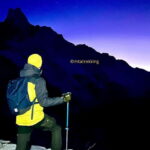
Also, a head lamp sounds like a tiny detail until you need it. On multi-day hikes, light matters for early starts, late arrivals, and navigating dim tea-house paths.
Finally, the guide says they’re highly prepared for safety, and the trip is suited for travelers with moderate physical fitness. That’s a helpful baseline, because it tells you they’re not aiming at couch-to-peak extremes.
Photography Help With Bushnell Binoculars and a Canon 5D Mark IV
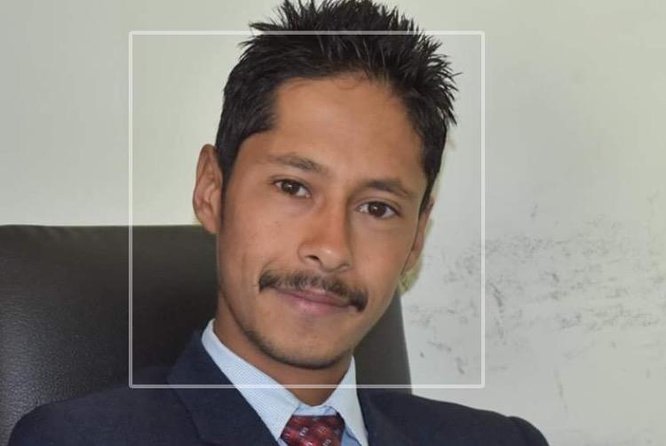
If you care about photos, this is one of the strongest differentiators. The guide is also a landscape photographer and a Trekking Guide Trainer, and they mention offering cool landscape photographs plus explanations based on your interests.
Included gear is pretty serious:
- 8×21 Bushnell binoculars
- A Canon 5D Mark IV DSLR with a landscape lens (carried by the guide)
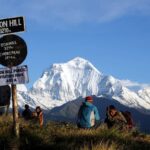
This setup helps you move beyond the usual phone-only shots. On mountain days, binoculars can also make the trek feel richer. Instead of just seeing distant ridgelines, you can zoom in on what’s actually there—peaks, valleys, and settlement patterns when visibility is clear.
The guide also says they’ll explain photography plus natural, cultural, socio-economic, and geographical aspects of Nepal. You don’t need to become a photography student to benefit. Even a little context can help you notice things you’d otherwise glide past.
One thought: if photography is your top priority, tell the guide early. On a private trek, that matters because they can shape rest breaks and viewpoints around what you want to learn.
Porters, Luggage, and the Real Cost of Easy Walking
You can travel light, or you can pay for help. Porters are optional at USD 20 per porter per day, and porters can help carry up to 20 kg of luggage.
This is worth thinking about before you decide what to pack. The base daily price covers the guide, but it doesn’t automatically cover your food and lodging unless you choose the full package. Porters are usually what tip the balance toward comfort, because they reduce strain and speed up recovery.
If your goal is to enjoy the views and keep your energy for higher-altitude days, a porter can be a smart trade. If you’re comfortable packing minimally, you might skip it. Either way, ask the guide what weight they think you should carry based on the trek length you’re planning.
Also note: tips for guide and porters are expected by porters but the guide states tips are not compulsory for them. In Nepal, tips are still a good-faith way to reflect service, but you’re not forced into a fixed rule here.
How a 5-Day Trek Can Work When Your Days Are Flexible
The guide doesn’t promise a single fixed route for everyone because the trek choice and trekking days are part of your planning. Still, a 5-day trek typically follows a rhythm you can plan around.
Here’s the pattern you should expect in a private setup like this:
- Day 1: pickup around 8:00 am, route briefing, then transport to the trail start area. Expect an easier start day or a warm-up segment depending on the option you choose.
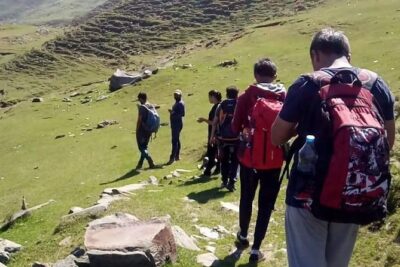
- Days 2–4: the main trekking days, with walking in the morning and tea-house stops for meals and rest. The guide arranges lodging and food in tea houses, so you can focus on pacing.
- Day 5: a final walking day that usually ends with descending back toward the return route, depending on the trek length you picked.
The big advantage is that you can choose trekking days. If you feel strong, you can keep momentum. If you feel slower, you can adjust how the days fit your pace.
A practical point: because weather is a factor, the guide also says they prepare for safety and the experience requires good weather. On mountain trips, you always want a buffer mindset. If conditions are poor, you may be offered a different date or a full refund.
Price and Value: What $50 per Group Really Means
Let’s talk money plainly. The price is USD 50.00 per group (up to 8). The guide also notes that the price shown is payment for 1 day only, not the whole trek.
So what does that day cover?
- An English-speaking professional guide
- The guide’s food, accommodation, and insurance
What does it not cover (unless you book the package)?
- Your food and accommodation
- Trekking permits and transport
- Your visa fees and trekking insurance (you’re advised to have trekking insurance)
- Tips (porters expect tips; the guide says their own tips aren’t compulsory)
If you want everything bundled, the guide mentions full package bookings that can include guide, porters, foods, accommodations, transport, and trekking permits (up to 50 pax). That’s usually the simplest choice if you want predictable budgeting.
Value-wise, the strength of this deal is not the raw daily rate. It’s the time saved and the decision support. Choosing the right trek on your own can cost days: scouting routes, solving permits, arranging transport, and guessing tea-house logistics. Here, the guide handles the puzzle so you can spend your energy trekking.
A small group also changes the math. With up to 8 people, you can reduce the per-person impact while keeping a private feel.
Who Should Book This Independent Trek Guide in Pokhara
I’d steer you toward this if:
- You’re unsure which Annapurna trek fits you and want a guide to decide with you.
- You want a private pace with flexibility, not a rigid group tour.
- You value safety gear provided upfront, especially rain protection and lighting.
- You like learning, including photography and Nepal’s geography and culture through on-trail explanations.
- Your group wants practical support: permits, transport, tea-house booking, and day-to-day planning.
This may be less ideal if:
- You want a totally self-directed trek with no planning help.
- You’re only comfortable budgeting without permits/transport or you’re not interested in insurance planning.
- You don’t want to pay for porters even if you’d benefit from lighter loads.
Should You Book It
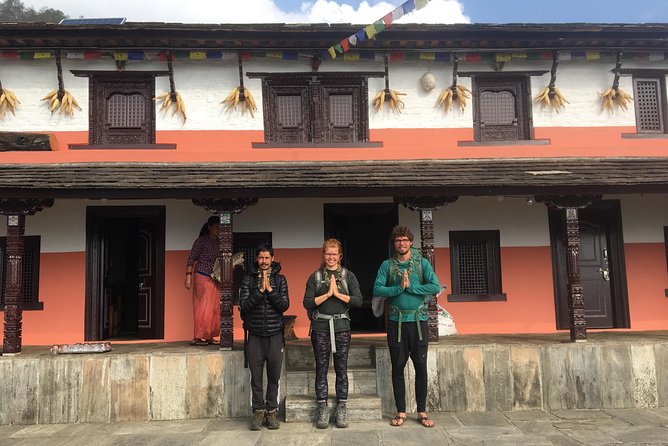
If you want a trekking experience that feels guided, organized, and flexible, this is a strong match. The best part is that you’re not committing to an unknown route; you’re working with Roshan, a trained trekking guide trainer, and you get real help deciding what to do next.
Book it if you appreciate planning support and you want gear that helps you handle rain and low light. If you prefer a fixed, fully pre-set itinerary, you might find the flexibility less appealing—but in my view, that flexibility is the whole point.
Just do two things before you go: share your fitness and interests clearly, and confirm whether you want the full package or day-by-day add-ons so your budget stays sane.
FAQ
What time does the trekking start in Pokhara?
The start time is 8:00 am, and pickup is offered.
What is included in the base price per day?
The price includes an English speaking professional trekking guide, plus the guide’s food, accommodation, and insurance. It also includes trekking poles, a sleeping bag, rain ponchos, and a head lamp.
Are trekking permits and transport included?
Trekking permits, tickets, and transportation are not included in the base daily price. They can be included if you book a full package trek.
Do I need trekking insurance?
Yes. Trekking insurance is not included, and you’re advised to get it.
Can the trek be changed after booking?
Yes. You can book a trek and later change to a next one, and you can also cancel for free after you contact the guide.
How does cancellation work?
You can cancel up to 24 hours in advance for a full refund. If weather is poor and the experience is canceled, you’ll be offered a different date or a full refund.