REVIEW · MARRAKECH
Trekking 8 days in the Moroccan desert from Marrakech
Book on Viator →Operated by Bivouac Erg Chegaga Nomademoi · Bookable on Viator
Sahara walking feels like time travel. This 8-day trek takes you from Marrakech toward the dunes of Erg Chegaga, with hikes through places like Mhasser Canyon and evenings in nomad-style camps. You also keep company with a native desert team and a natural-area guide, so the walk feels guided, not just scenic.
I especially like the moderate daily pace (about 6 hours of walking). It’s built for beginners or occasional walkers who still want real desert time, without racing your legs every day. I also love the emphasis on food: meals lean on fresh local products and traditional cuisine, with tea and breaks that help everyone keep a steady rhythm.
The one drawback to think through is the physical side: you are still hiking roughly 6 hours a day, and hiking gear isn’t included. If your shoes are wrong or you don’t pack smart for hot-to-cool desert days, the experience can start feeling like work instead of wonder.
In This Review
- Key highlights before you go
- From Marrakech to the desert edge: the Atlas road rhythm
- South of Zagora: why Mhasser Canyon feels like a geology lesson
- Chegaga on foot: reg desert, oases, and real nomad life
- Nomadic camps vs. a fixed bivouac: what changes, what stays the same
- The final desert day: timing your energy for that big night
- Getting out of the dunes: Iriki lake track and Ouarzazate decompression
- Back to Marrakech: finish strong, keep your plans flexible
- Price and value: what $763.46 really covers
- Who this trek fits best (and who might struggle)
- Gear and walking tips that make a difference in the Sahara
- Should you book this Marrakech-to-Erg Chegaga trek?
- FAQ
- How long is the trek from Marrakech to the Sahara dunes?
- Where does the tour start and end?
- Is pickup or airport transfer included?
- How much walking is involved each day?
- Will I have camel transport for my bags?
- What kind of sleeping arrangements are included?
- What meals are included in the price?
- What’s not included?
- What is the maximum group size?
- When can I cancel for a full refund?
Key highlights before you go
- Mhasser Canyon mineral scenery on the way south of Zagora
- Camel-carry logistics: your bags move between bivouacs while you walk light
- Erg Chegaga dunes on foot, including a chance to climb the highest dune
- Nomadic camp nights plus a comfortable fixed bivouac at Chegaga (Nomademoi)
- Fire-side evening with songs and music near the dunes
- Small group size (max 12 people) for a more human pace
From Marrakech to the desert edge: the Atlas road rhythm
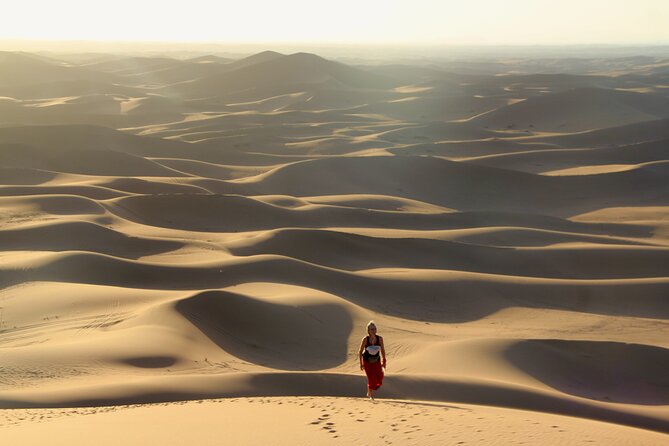
Day 1 is all about arriving smoothly. You’re met in Marrakech for reception and transfer, and you start the trip at Jemaa el-Fnaa. If your travel plans land you in Ouarzazate instead, you can ask about that option ahead of time, which can save hours of backtracking.
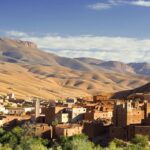
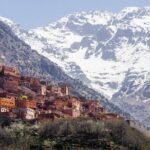
Then Day 2 turns into a real “change of world” drive. You cross the Atlas and pass through Berber villages, with a lunch stop in Ouarzazate that’s free but not included. This part matters because it sets your expectations: the desert isn’t a quick day trip. You’re traveling long distances so you can get deep enough for the dunes to feel untamed.
Practical note: bring a few snacks and water for the ride days if you have a sensitive stomach or get hungry quickly. Lunch is planned, but those road hours can still feel long.
You can also read our reviews of more tours and experiences in Marrakech.
South of Zagora: why Mhasser Canyon feels like a geology lesson
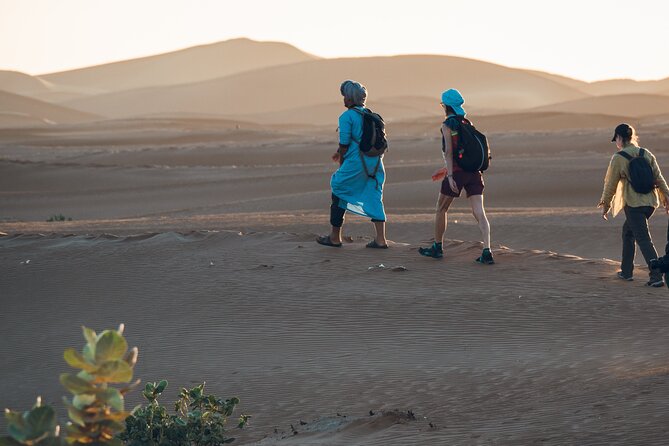
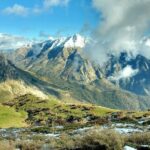
Once you head toward Zagora, the trek starts turning from travel to walking. On Day 3, you go southwest of Zagora, beyond the last foothills of Djebal Bani. The big star here is Mhasser Canyon, known for its dazzling mineral decor.
You don’t need to be a rock nerd to enjoy it. The fun is in how the canyon changes as you walk—colors, textures, and the way the ground holds shapes you’d miss if you just drove past. And with a guide focused on natural areas, you get context that turns a pretty route into a story you can repeat later.
Possible drawback: canyon time can mean more uneven ground. If you’re new to hiking, take the slow pace seriously. The best desert hikes feel calm, not frantic.
Chegaga on foot: reg desert, oases, and real nomad life
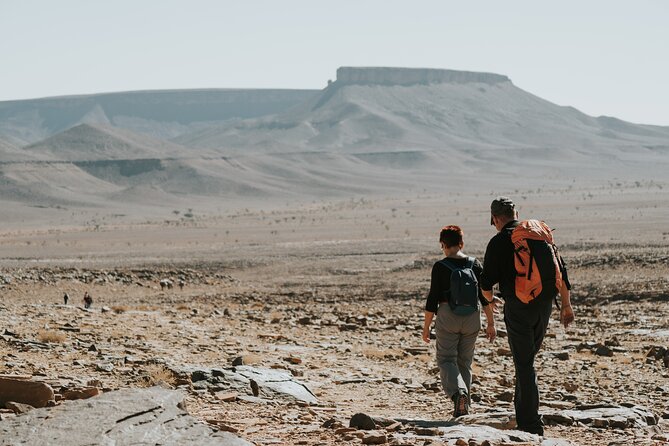
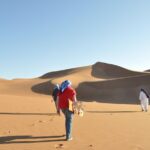
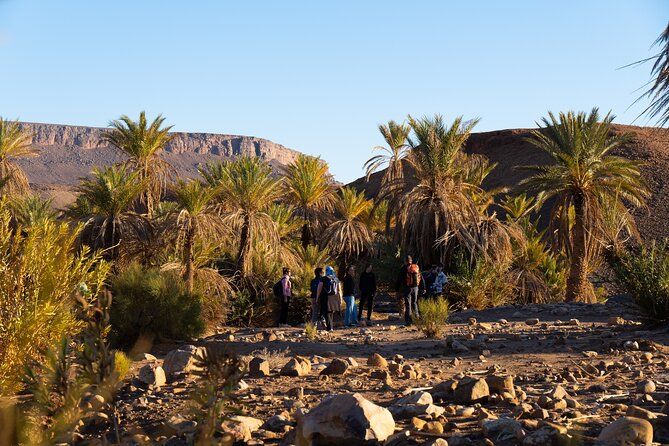
Day 4 is where the trek shifts into its “Sahara mode.” You start walking in a stony desert (the reg) southwest of Zagora, aiming for the Erg Chegaga dunes. Over the day, you’re accompanied by the desert team and a natural-area guide, so you’re moving through the environment with intention, not just following footprints.
This is also a key day for how the trip is organized for your comfort. Your bags are transported by camels from one bivouac to another, which means you can focus on the walk instead of juggling heavy loads.
What you’ll notice day by day is that the route keeps switching scenery: different ground types, hints of life in the form of oases and wells, and chances to spot animals like gazelles, dromedaries, and fennecs (where conditions allow). Even when you don’t see everything listed, the point is that the area isn’t empty. It’s harsh, but it’s not lifeless.
A small but important planning detail: stony ground can be rough on feet. Choose footwear you trust. If you wait until day 4 to break in new shoes, you’ll pay for it by sunset.
Nomadic camps vs. a fixed bivouac: what changes, what stays the same
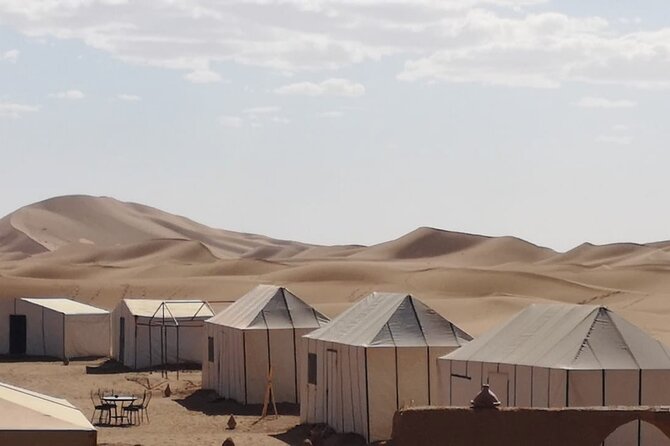
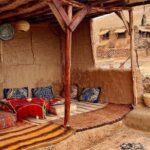
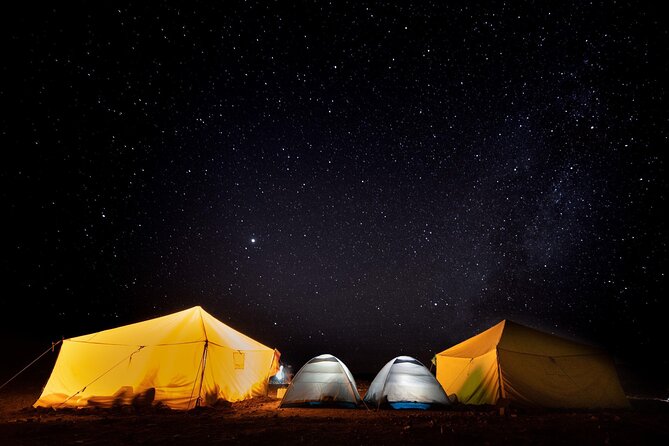
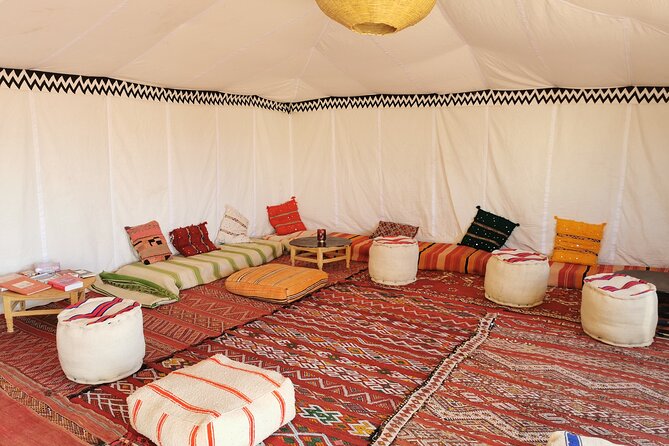
Days 5 and 6 are where you get the mix: you keep the camp rhythm, but you also get a “base” at the end. After your walk on Day 5, you arrive at the fixed Nomademoi bivouac in Chegaga. Dinner and the night happen in a traditional caidal tent, and you get that classic desert feeling—sleeping under a huge sky.
This is the “comfort step” in an otherwise very hands-on desert adventure. You still live the rhythm of camp life (evening setup, desert nights), but you’re not constantly changing shelter. People describe the final camp as a tranquil haven, which makes sense: after days on the move, stability feels like a gift.
Day 6 begins with breakfast, then gives you space to slow down. There’s free time at the bivouac, and in the afternoon you can rest again or take a camel ride and go for a climb of the highest dune of Erg Chegaga. The camp evening includes a traditional get-together around the fire with songs and music.
If you’re the type who wants one unforgettable “moment,” this is it. For a lot of people, the highest-dune walk is the memory that stays sharp long after the photos fade.
The final desert day: timing your energy for that big night
On Day 5, you’re already deep enough that every evening feels different from the last. By Day 6, the trek is less about “getting somewhere” and more about absorbing where you are. That’s why the schedule includes rest time and optional activities—it keeps the group from burning out before the last major night.
Also, desert food tends to hit different. One thing that shows up in feedback is how good the meals can be even when conditions get rough (including storms). That matters because the desert doesn’t always cooperate. If rain or wind changes the air, you still want dinner to feel steady and warm.
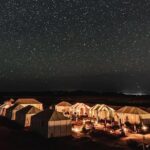
My advice: don’t treat desert evenings like downtime for scrolling and dozing. Take the time to sit, drink tea, and let the dark settle in. The stars don’t show up on cue, and they can be even better when you’re not rushing them.
Getting out of the dunes: Iriki lake track and Ouarzazate decompression
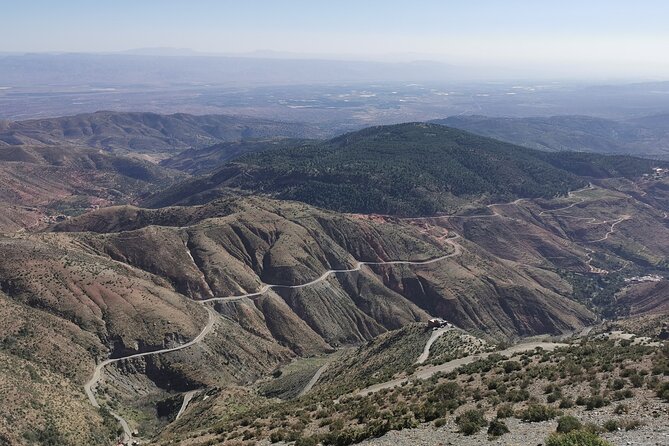
Day 7 is the exit. After breakfast, you take the Iriki lake track toward Foum Zguid to get out of the desert. It’s an active transition day, which is why that planned rest in Ouarzazate matters.
You arrive in Ouarzazate in the early afternoon and you get free time to relax in a hotel or riad—one option includes a swimming pool—and you can also explore town at your own pace. Lunch on the road is free time but not included, so you may want a budget for that meal.
This day is a good reminder that the desert trek isn’t only about dunes. It’s also about how your body resets after walking. If you keep your expectations realistic—cooler pace, more rest—you’ll enjoy Ouarzazate more instead of just treating it like an airport waiting room.
Back to Marrakech: finish strong, keep your plans flexible
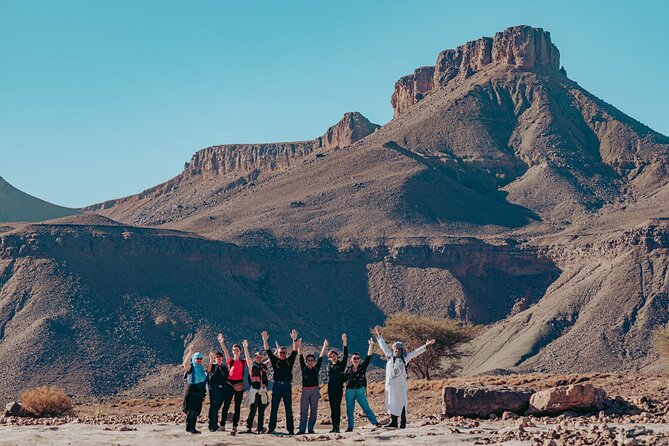
On Day 8, you head back to Marrakech after breakfast. The trek ends back at the meeting point, so if you’re extending your stay, you can slide easily into the city vibe.
You arrive early afternoon, and you can either relax or connect to your flight. If you like buying time for slow wandering—markets, rooftops, and the evening bustle—this timing helps.
Tip: keep your last day from being overly tight. Even in an organized trip, road time can stretch based on conditions.
Price and value: what $763.46 really covers
At about $763.46 per person for an 8-day desert trekking experience, the price isn’t just “transport plus camping.” It covers real logistics: private transportation, tent and mattress, and a full set of meals—7 breakfasts, 4 lunches, and 7 dinners.
You’re also paying for the core desert operations: guided walking through canyon and dunes, native team support, the natural-area guide, and the system that moves your bags by camel between bivouacs. Plus, the last-night comfort upgrade at the fixed Nomademoi bivouac is included.
What isn’t included matters for budgeting:
- tips
- personal expenses
- hiking gear
So, if you already own solid boots, layers, and a daypack, you’ll spend less extra. If you need to buy gear, that’s a separate cost. Either way, this trek still offers solid value compared with DIY desert travel, because the hard parts—route knowledge, camp setup rhythm, and camel transport—are handled for you.
Bottom line: if you want a guided Saharan trek that feels organized and not improvised, the price-to-included-items ratio makes sense.
Who this trek fits best (and who might struggle)
This trip is designed for moderate fitness. The walking time is about 6 hours a day, which is “manageable” but not “casual.” The good sign is that the pace is described as adapted to the group, with tea and snack breaks built in.
So it’s a good fit if:
- you hike occasionally and can handle long days on foot
- you want a beginner-friendly entry into real desert trekking
- you enjoy camp life and don’t mind sleeping in a tent setting
It may be tougher if:
- you need fully flat ground every day
- you hate walking in heat or stony reg terrain
- you’re not willing to carry a small day bag and layer up/down
One interesting detail from feedback: a family group including kids around ages 6 to 10 managed the trek with the same kind of adapted pace, guided by a desert host named Ali. That doesn’t guarantee it fits every child, but it does suggest the trip can work when everyone is ready to walk steadily, take breaks, and keep a calm attitude.
Gear and walking tips that make a difference in the Sahara
Since hiking gear isn’t included, I’d treat this as a checklist moment before you fly.
You’ll want:
- footwear you trust on stony reg and sandy dunes
- layers for cool mornings and warmer afternoons
- a small day bag for water and snacks during walking hours
- a hat and sun protection for dune time
Also, expect the desert to be variable. The best way to stay comfortable is not “perfect weather luck,” it’s packing for temperature swings and moving at the pace set by the guide.
During the walk, keep your energy steady. The day is long. The breaks (tea and dried fruit) aren’t decorative—they’re there so everyone can reset.
Should you book this Marrakech-to-Erg Chegaga trek?
Book it if you want an 8-day Sahara experience that feels genuinely organized: guided hikes through Mhasser Canyon and the erg dunes, camel-borne luggage, real camp nights, and one “anchor” fixed bivouac at Nomademoi. The small group size also keeps the experience from turning into a noisy bus tour.
Skip it or consider a shorter alternative if you:
- don’t want daily walking around 6 hours
- need a lot of modern comfort on every night
- aren’t ready to bring your own hiking gear and handle desert conditions
If you’re excited by the idea of walking your way into the Sahara—one day, one camp, one dune climb at a time—this is a strong choice.
FAQ
How long is the trek from Marrakech to the Sahara dunes?
It’s an 8-day experience (approx.).
Where does the tour start and end?
It starts at Jemaa el-Fnaa, Marrakesh 40000, Morocco and ends back at the same meeting point.
Is pickup or airport transfer included?
Yes. You get reception and transfer from the Marrakech airport. Arrival in Ouarzazate may be possible—ask for that option.
How much walking is involved each day?
The trek is described as about 6 hours of moderate daily walking.
Will I have camel transport for my bags?
Yes. Your bags are transported by camels from one bivouac to another.
What kind of sleeping arrangements are included?
You sleep in tents with a mattress provided. Nights include nomadic camps, and the fixed bivouac in Chegaga includes a traditional caidal tent.
What meals are included in the price?
Breakfast is included for 7 days, dinner for 7 days, and lunch for 4 days. Meals are mostly made from fresh local products and traditional cuisine.
What’s not included?
Tips, personal expenses, and hiking gear are not included.
What is the maximum group size?
The group is capped at a maximum of 12 people.
When can I cancel for a full refund?
You can cancel up to 6 days in advance for a full refund.