REVIEW · OUARZAZATE
2-Day Atlas Mountains Morocco Trek with Village Stay
Book on GetYourGuide →Operated by MOROCCO TRAVEL TOURS COMPANY · Bookable on GetYourGuide
The High Atlas makes you earn the views. I really like how this trek mixes Berber village life with high-mountain walking, and how the route tops out around big passes like Tizi n’Tamatert. The food is properly taken care of, but the overnight stay can be basic, and winter can feel cold fast.
I also appreciate the human scale of it. Guides such as Ibrahim, plus others like Omar and Mohammed, are described as friendly, helpful, and willing to match their pace to your group, and that matters when you’re walking all day on mountain paths.
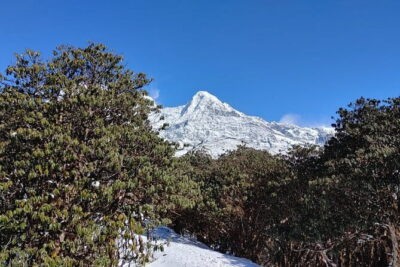
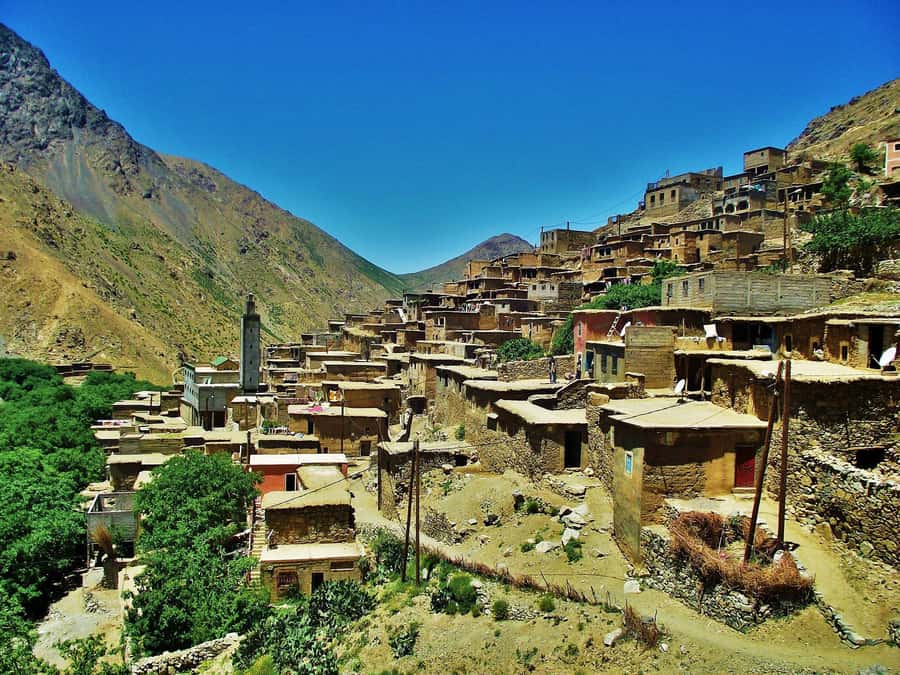
On the trail you’ll work your legs through juniper trees, gushing streams, and deep gorges, with a chance to see the highest waterfall in the Atlas Mountains. Just remember: this is a trek. You’re not hopping between viewpoints by car.
In This Review
- Key Things I’d Be Excited About
- Why This 2-Day High Atlas Trek Feels Personal
- Marrakech Pickup and the Ride to Imlil
- Day 1 From Imlil Over Tizi n’Tamatert, via Tidli, to Armed Village
- Starting in Imlil
- Crossing through the Tidli area
- Descent to Armed Village (your overnight)
- How long is day one?
- Armed Village Guesthouse: Food, Comfort, and What to Pack
- Comfort: basic can still be good
- What you’ll probably do in the evening
- Day 2: Sidi Chamharouch, Then Tizi Izgaren Pass at 2520m
- Hike toward Sidi Chamharouch
- The climb to Tizi Izgaren
- Back to Imlil for lunch near the river
- The Waterfall, Gorges, River Streams, and Juniper Forests
- Price and Value: Is $124 Worth It?
- Who This Trek Suits Best (and Who Should Think Twice)
- Should You Book This 2-Day Atlas Mountains Trek?
- FAQ
- Where is the meeting point in Marrakech?
- What time do we depart from Marrakech?
- How long is the hiking on Day 1?
- Is overnight accommodation included?
- What languages do the guide and audio support?
- What’s not included, and can I cancel?
Key Things I’d Be Excited About
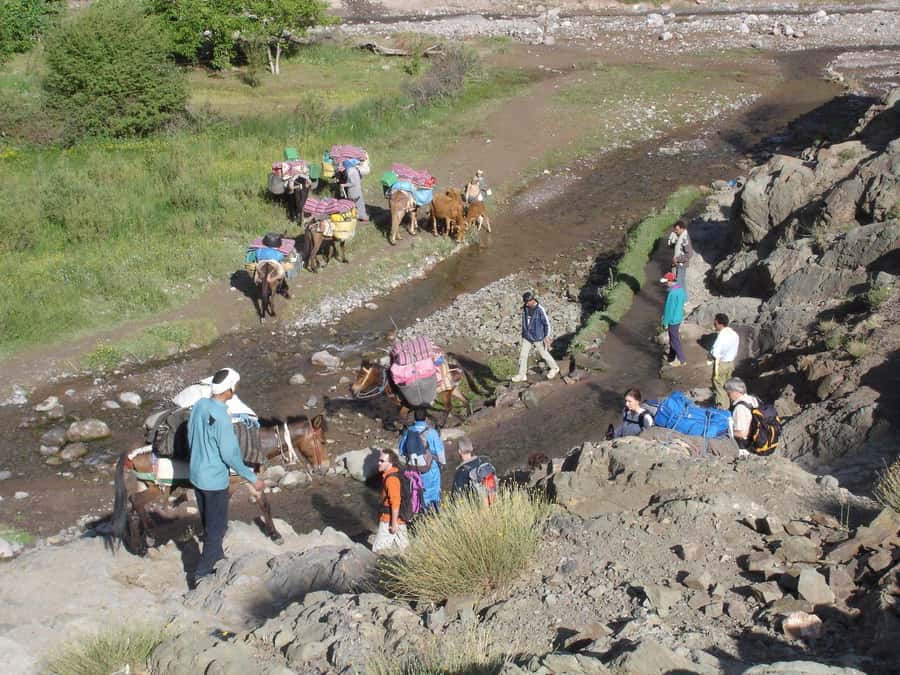
- Real village connection, not just a viewpoint tour: You spend the night in a Berber guesthouse and walk through communities like Imlil, Arghen, M’zzik, and Armed.
- Pass-country walking at altitude: The route goes over passes around 2,250–2,520m, including Tizi n’Tamatert and Tizi Izgaren.
- Guides who show up prepared: Ibrahim (and other guides) are repeatedly described as attentive, knowledgeable about the valleys, and good at adjusting pace.
- Spiritual stop on the Toubkal corridor: Sidi Chamharouch is a well-known pilgrimage stop on the way for trekkers headed toward Toubkal.
- Meals are handled for you: All meals during the trek are included, and portions are described as generous.
- Cold-weather reality check: In winter, rooms can be chilly; a sleeping bag or warm layer strategy is worth planning.
Why This 2-Day High Atlas Trek Feels Personal
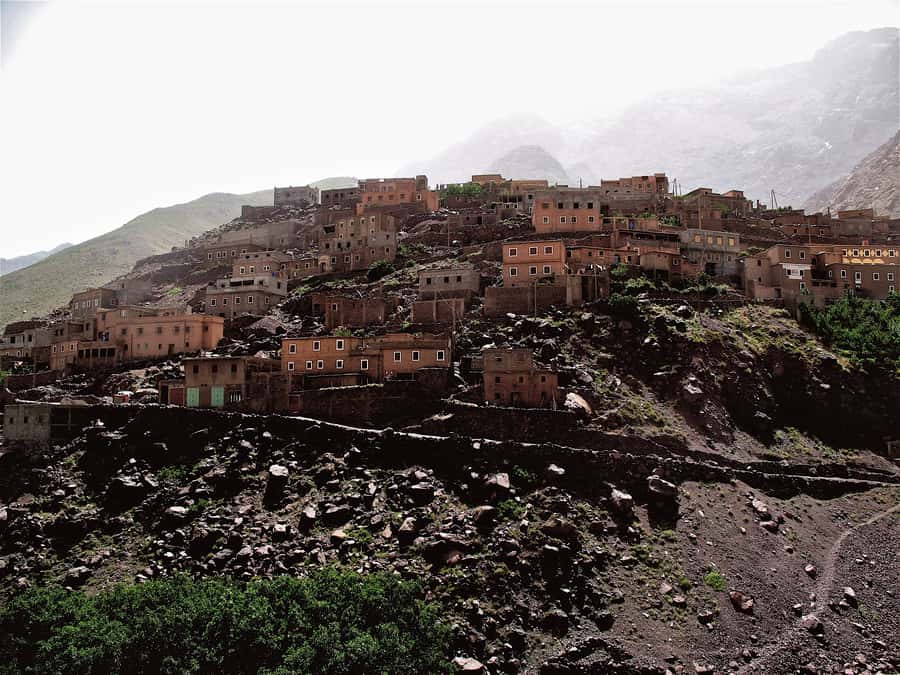
This is the kind of Morocco trip that doesn’t just show you a map. It moves at human speed. You start in Marrakech, switch into mountain rhythm, and by the end of day one you’re sleeping in a Berber guesthouse, not a hotel tower.
What I like most is the balance: you get proper trekking time, but you also get village moments. You’re not racing through places like a checklist. You walk past irrigated terraced fields with fruit trees and vegetables, and you get to see the rhythms of the Assif valley life from the inside.
The second thing I really value is that the route is built around passes. When you cross Tizi n’Tamatert (around 2,250–2,280m depending on the exact reference point) and later Tizi Izgaren (about 2,520m), the views aren’t random. They’re earned by elevation. That’s what turns a short 2-day walk into something you remember.
The only “watch-out” is comfort expectations. Guesthouses can be warm and welcoming, but they’re not set up like city hotels. If you’re sensitive to cold nights, pack smart.
Marrakech Pickup and the Ride to Imlil
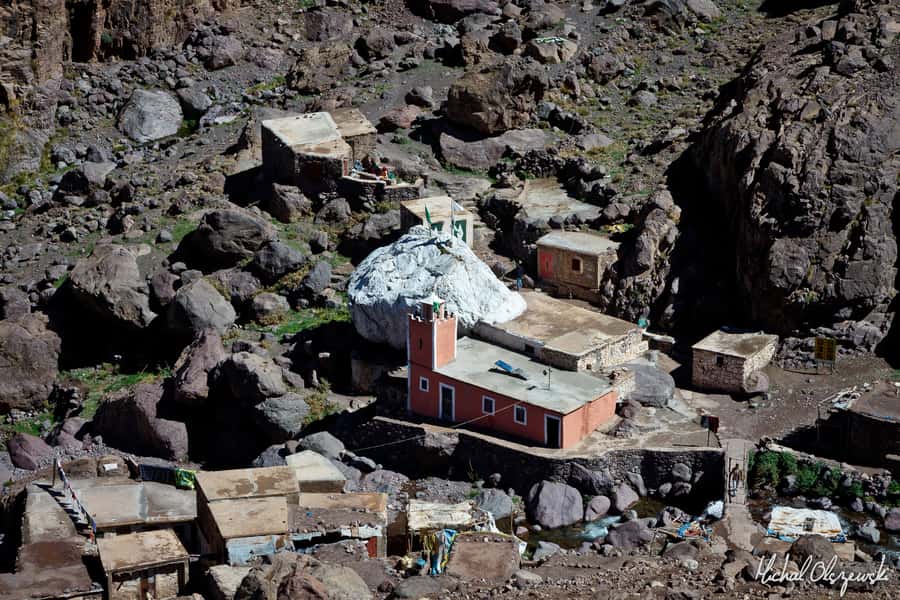
You meet at فندق علي (Hotel Ali) on Rue Moulay Ismail, Marrakech 40000. The day starts early. You depart at 08:00, then drive about 1.5 hours to Imlil, a common jumping-off point for High Atlas treks.
This transfer matters more than it sounds. It gets you out of the city before your hiking brain is fried. You arrive in Imlil with enough daylight to start walking and still have time to enjoy the route instead of just surviving it.
Also, there’s a practical benefit to having private transport and pickup/drop-off arranged. You don’t spend the morning hunting taxis or negotiating who pays what. You just show up, meet your mountain guide, and start.
Day 1 From Imlil Over Tizi n’Tamatert, via Tidli, to Armed Village
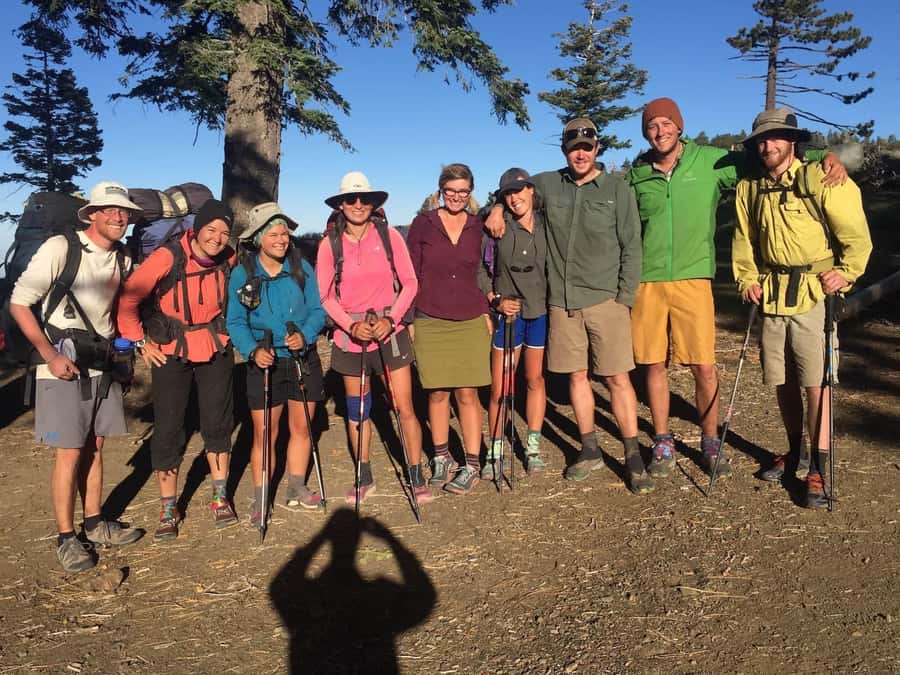
Day one is the big effort day, and it’s structured in a way that makes sense for a 2-day itinerary: climb to a pass, enjoy the wide views, then descend into village life for the night.
Starting in Imlil
After meeting your guide, you begin walking toward Tizi n’Tamatert (listed around 2279–2280m). As you climb, you look out over valley country, including the Imnane Valley area. This is the point where the hike stops being “just walking” and starts becoming about scale.
Crossing through the Tidli area
From the pass you continue toward the Tidli zone (around 2250m in the route details). The trail here is more about steady mountain progress and panoramic switching—valley angles change, ridgelines show up, and you keep finding new stretches of the route ahead.
There’s also a strong ecology element: the route takes you through juniper tree areas. Even when the trail isn’t steep, the scenery keeps moving because the vegetation changes the look and feel of the path.
Descent to Armed Village (your overnight)
The afternoon goal is Armed Village (also written as Tizi Armed / Armed) where you spend the night in a Berber guesthouse.
This part is important because it’s where you feel the cultural shift. By the time you’ve descended, you’re not just a hiker with a destination—you’re someone welcomed into the daily rhythm of the valley. You relax after the walk, then eat a traditional Berber dinner.
How long is day one?
Plan for 5 to 6 hours of hiking on day one. That’s enough time to get a workout, but it’s also enough time to feel present in the villages as you pass through.
Armed Village Guesthouse: Food, Comfort, and What to Pack
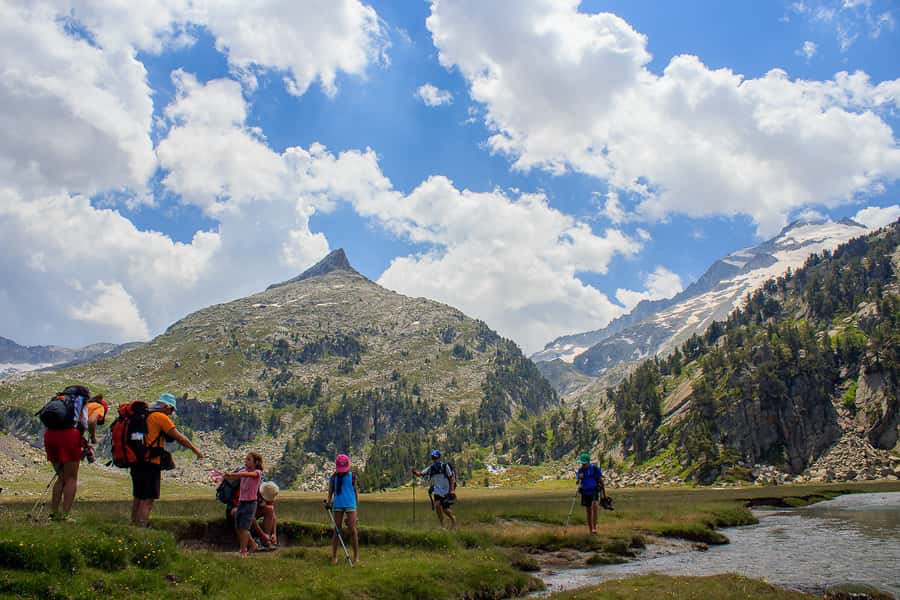
You sleep one night in a Berber guesthouse in Armed Village. This is where the trip becomes more than scenery.
Meals are included during the trek, and multiple guide experiences point to filling, well-cooked food—big portions and a homey atmosphere. If you’re the type who worries about “Will I eat something normal?” this is the sort of tour that quietly solves that problem.
Comfort: basic can still be good
What you should expect is “simple but functional.” Rooms may not be consistently warm, especially in colder months. One traveler experience specifically flagged winter cold and the need for a sleeping setup. So if you’re going in December or similar season, I’d seriously consider a sleeping bag or at least a strong warm sleeping layer, even if you’re told bedding exists.
What you’ll probably do in the evening
The evening is mostly down time: settle in, eat, and let your legs recover. You’re in a village setting, so you shouldn’t expect the kind of nightlife or constant entertainment you’d find in Marrakech.
Day 2: Sidi Chamharouch, Then Tizi Izgaren Pass at 2520m
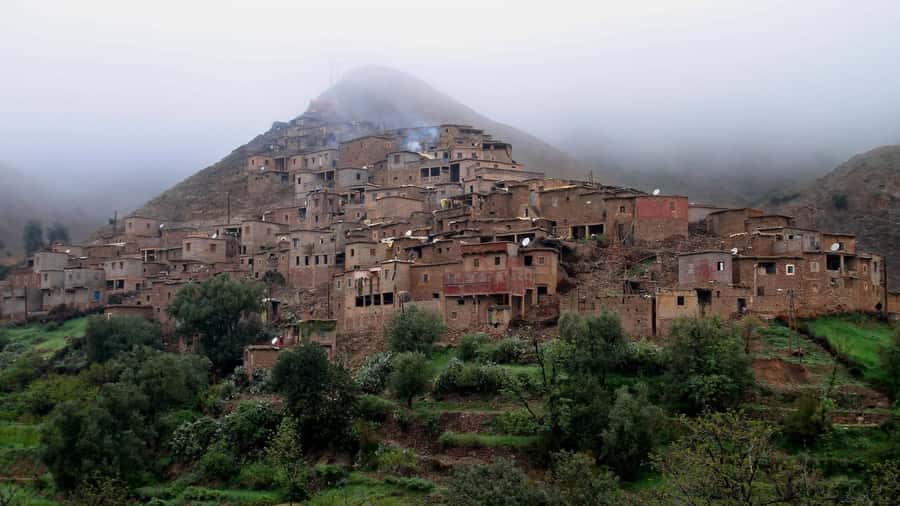
Day two starts with breakfast, then the hike shifts from village descent/settling into pass-country again. It’s shorter than a full-on week trek, but the day still earns its views.
Hike toward Sidi Chamharouch
You walk toward Sidi Chamharouch (listed around 2310m on the main route). This is described as a spiritual place for pilgrims and a famous stop for trekkers heading toward Toubkal.
Even if you’re not religious, this stop adds meaning. It turns the hike into a corridor that connects communities and long-distance walkers, not just a single day’s route.
The climb to Tizi Izgaren
Next you ascend to Tizi Izgaren Pass at about 2520m. This is where the “short trek, big altitude feeling” happens. The higher you go, the more the air changes, and the more the mountain geometry starts to look like a real world instead of a postcard.
The best use of your energy here is simple: slow down, breathe, and stop when you need to. Your guide should pace you to what you can handle. In multiple experiences, guides like Omar and Ibrahim are noted for adapting to hikers.
Back to Imlil for lunch near the river
After the pass, you return toward Imlil and aim for late lunch under walnut groves. You also get a chance to relax near the river area.
This is a nice payoff. You’re not just dropping altitude and then rushing. You get a real moment to cool down, eat, and absorb what the last two days actually were.
The Waterfall, Gorges, River Streams, and Juniper Forests
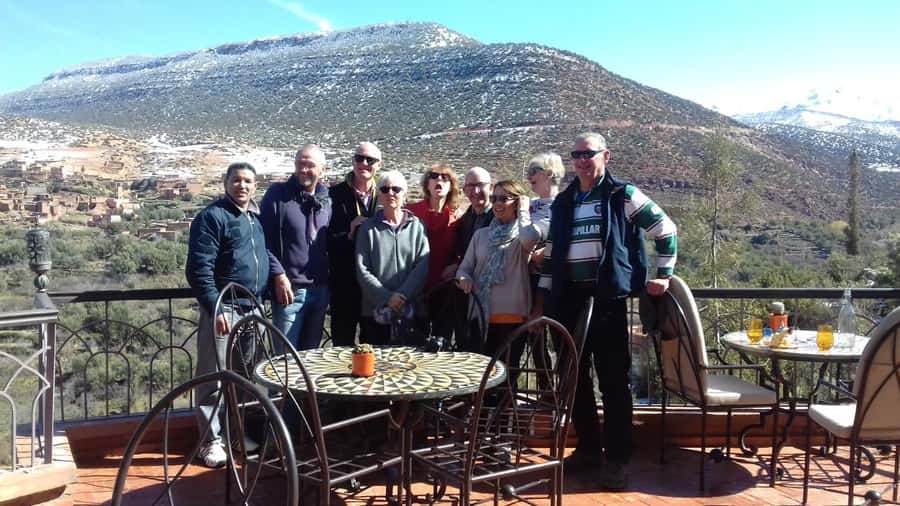
The highlights for this trek call out a few signature natural moments: deep gorges, gushing river streams, juniper forests, and the chance to be amazed by the highest waterfall in the Atlas Mountains.
Even without a named “waterfall viewpoint” on the route details you’re given, the pattern is clear: the trek isn’t just ridge walking. You’ll see water in the valleys and terrain that cuts down into the mountains. That’s what makes the whole experience feel lively, not static.
Juniper forests are also more than decoration. They tend to change the feel of the trail—cooler shade, different smells, and a different visual texture compared to more bare sections. When you’re walking all day, that matters more than you might think.
Price and Value: Is $124 Worth It?
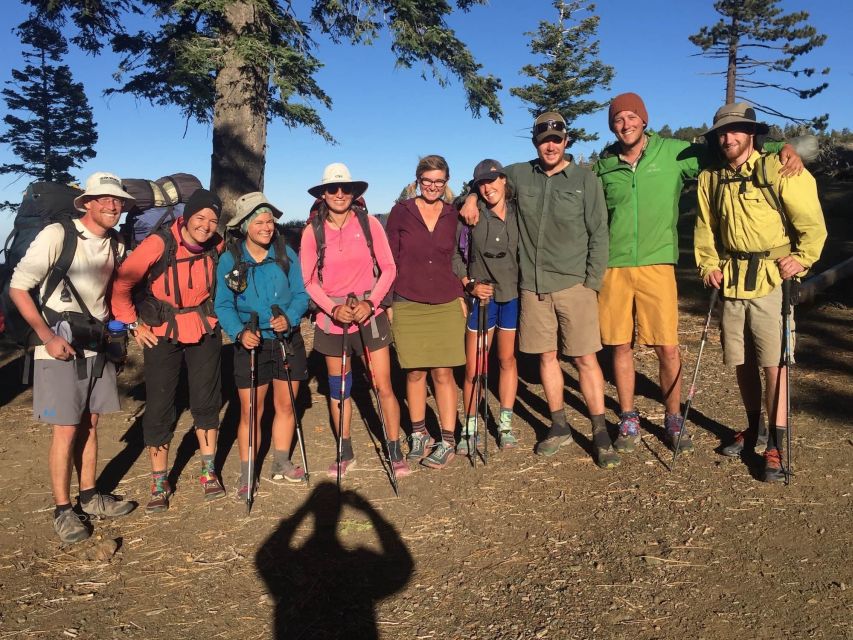
At $124 per person for a 2-day trek, the value comes from what’s included, not from the headline number.
You get:
- Private transport from and back to Marrakech
- Pickup and drop-off
- All meals during the trek
- A professional mountain guide
- 1 night accommodation in a Berber guesthouse
For many travelers, the biggest “cost saver” here is meals and transport. In the Atlas Mountains, getting a driver and coordinating food and guidance on the fly can add up quickly. This package handles those moving parts for you.
If you’re budgeting, note what’s not included: soft drinks and travel insurance. That’s common on short treks, but it’s still on you to plan for it.
Also, guides matter. Experiences with Ibrahim and others describe the guides as friendly and supportive, including helping in moments of difficulty and adjusting to the group. That quality isn’t just a comfort perk. It can change how safe and enjoyable the hike feels.
Who This Trek Suits Best (and Who Should Think Twice)
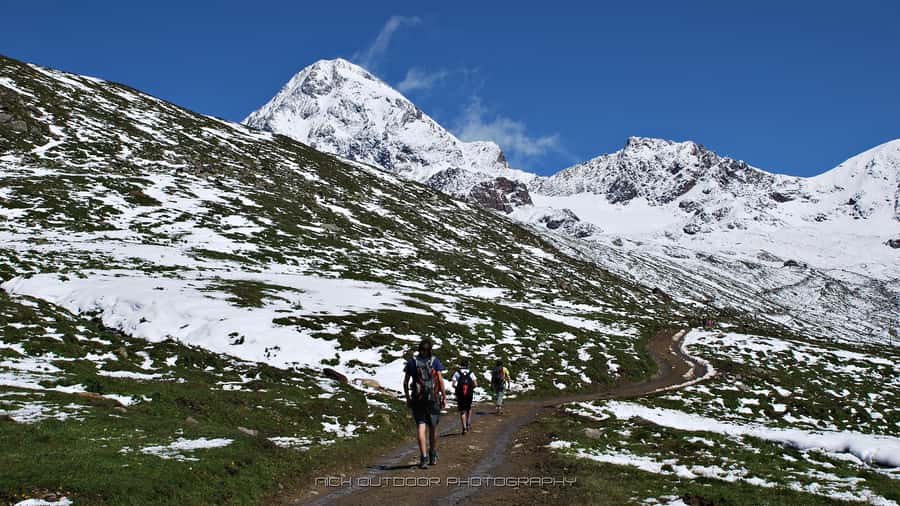
This trek is ideal if you want:
- a real village stay for one night
- short-trip trekking with high-altitude passes
- a route that connects to the Toubkal trekking corridor via Sidi Chamharouch
- guided walking with meals handled
It may be less ideal if you:
- need guaranteed hotel-level comfort
- hate cold-weather nights and don’t pack warm sleeping gear for winter
- expect lots of free time or luxury downtime (this is a hike-focused itinerary)
Fitness-wise, you’re looking at about 5 to 6 hours of walking on day one. Day two is also active, but the trip is built to fit into 2 days.
One more note: group size might be small. Some booking experiences mention only two people in the group, which usually means more personal pacing. But you shouldn’t count on that every time.
Should You Book This 2-Day Atlas Mountains Trek?
Yes—if you want an authentic High Atlas experience that’s short enough to fit a trip, but real enough to feel like Morocco beyond Marrakech.
Book it if:
- you like walking with purpose, not just riding between stops
- you’re comfortable with basic village accommodation
- you want meals included and a guide who knows how to manage pace
Think twice if:
- you’re very sensitive to cold and you won’t bring warm sleeping layers
- you expect a hotel experience with predictable temperature and bedding
If you’re on the fence, I’d use one practical rule: pack for the night conditions, because the natural scenery and village hospitality only work when you can sleep and recover.
FAQ
Where is the meeting point in Marrakech?
You meet at فندق علي (Hotel Ali) on Rue Moulay Ismail, Marrakech 40000, Morocco.
What time do we depart from Marrakech?
You depart Marrakech at 08:00 and drive about 1.5 hours to Imlil.
How long is the hiking on Day 1?
Day 1 includes about 5 to 6 hours of hiking.
Is overnight accommodation included?
Yes. Your trip includes 1 night accommodation in a guesthouse in Armed Village, plus meals during the trek.
What languages do the guide and audio support?
The live guide is available in English and French, and the audio guide is also included in English and French.
What’s not included, and can I cancel?
Soft drinks and travel insurance are not included. You can cancel up to 24 hours in advance for a full refund.