REVIEW · OUARZAZATE
Trekking and Hiking in Morocco 2 Day trek in Atlas Mountains
Book on GetYourGuide →Operated by MOROCCO TRAVEL TOURS COMPANY · Bookable on GetYourGuide
High Atlas trails run through real Berber life. I love the Tizi n’Tamatert mountain views and the Berber guesthouse dinners that make the walking feel connected to real people, not just scenery. You hike between villages such as Imlil and Arghen, then settle for the night in a home-style setting in Armed.
What really makes this trip work is the way it’s run: pick-up, guides, meals, and timing all line up so you can focus on the trail. In my notes, Hamid is the one organizing it all, and the on-the-ground guides Yusuf and Hussain bring practical info (and good English) while you’re walking.
One consideration: the mountains can turn fast. Even when it’s warm in the valley, you can hit cold winds and even snow risk during autumn through late spring, so packing matters.
In This Review
- Key highlights to expect
- Entering the High Atlas: why this 2-day route makes sense
- Price and what you really get for around $124
- Marrakech to Imlil: the 08:00 start and why the timing helps
- Day 1: Tizi n’Tamatert (around 2280 m) to Tidli (2250 m) and Armed Village
- Day 2: Sidi Chamharouch (around 2310 m) and the Tizi Izgaren pass (about 2520 m)
- Guides and food: the biggest quality marker on this trek
- What to bring for changing mountain weather (and cold wind)
- How much effort is this, and who it fits
- Quick logistics you should know before you go
- Should you book this 2-day High Atlas trek?
- FAQ
- Where is the meeting point in Marrakech?
- What time does the tour leave Marrakech on Day 1?
- How long is the trek?
- Which places and passes are included in the hiking route?
- Is accommodation included for one night?
- Are meals included?
- What languages are available with the guide?
- Is transport from Marrakech included?
- What should I bring since equipment is not included?
Key highlights to expect
- Tizi n’Tamatert, Tidli, and Tizi Izgaren passes with high-altitude views and steady trail time
- Imlil, Armed, and Sidi Chamharouch as real stopping points for village life and trekkers
- One night in a local Berber guesthouse with meals handled by a Berber cook
- English or French live guiding, plus an English audio guide
- A focused 2-day itinerary with about 5 to 6 hours of hiking on each day
Entering the High Atlas: why this 2-day route makes sense
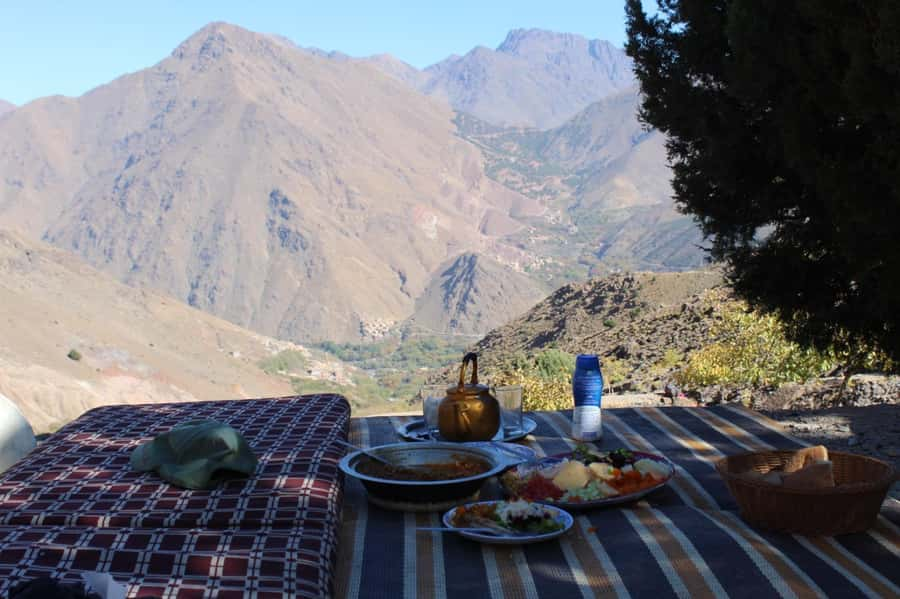
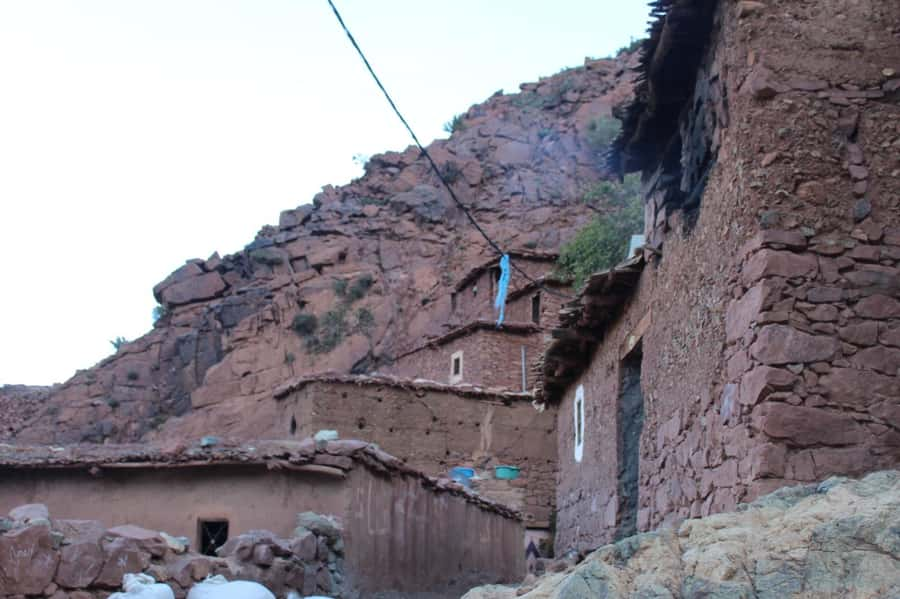
If you want Atlas Mountains hiking without committing to a week, this 2-day trek hits a sweet spot. It’s built around the classic Western High Atlas trail area, starting from Marrakech and working its way into villages and valleys where the scenery is dramatic but the daily rhythm still feels rural.
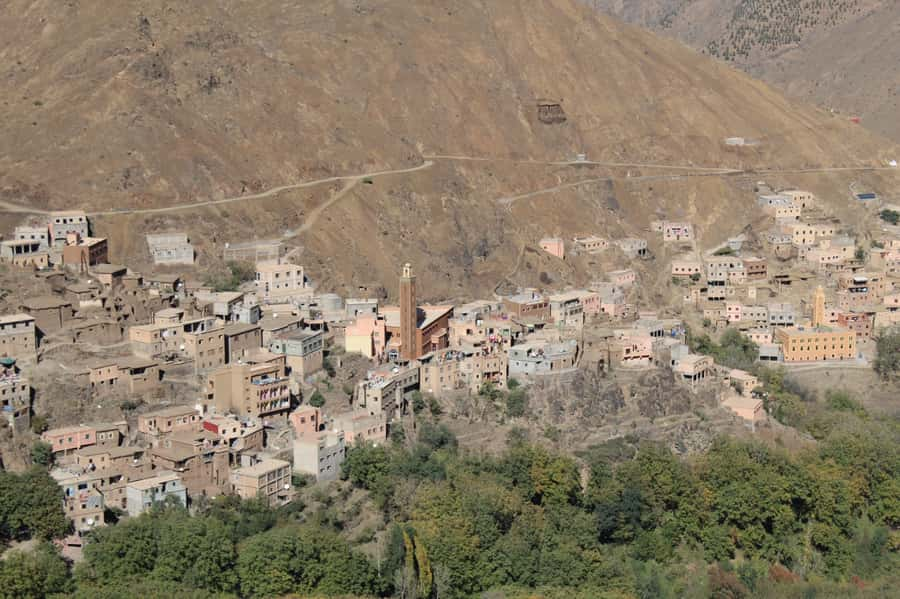
I like that the route is not just “walk from point A to point B.” You pass through places with names that actually matter along the trail, including Imlil, Arghen, and M’zzik. That matters because the trek becomes more than a viewpoint safari. You’re moving through irrigated fields, fruit trees, and footpaths that local families use—then ending each day back in a guesthouse setting where dinner isn’t a performance, it’s routine.
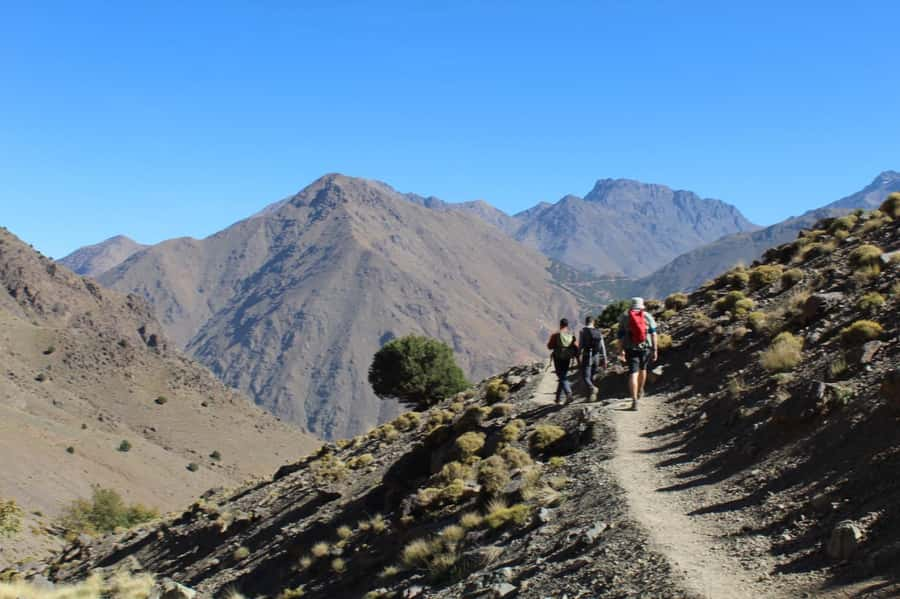
The itinerary also gives you a real taste of the mountain geography. Day 1 focuses on getting up and over, including the Tizi n’Tamatert pass at around 2279 to 2280 meters, plus the Tidli area around 2250 meters. Day 2 brings the higher pass feeling with Tizi Izgaren at about 2520 meters, then a descent back toward Imlil. It’s a compact way to experience the Atlas in two “chapters”: climb and settle, then higher climb and return.
You can also read our reviews of more tours and experiences in Ouarzazate.
Price and what you really get for around $124
At $124 per person for 2 days, the value depends on what you consider “included.” Here, the big cost-saving piece is that transport from and back to Marrakech is part of the package, and you’re not arranging a guide plus meals plus accommodation separately.
The trip includes:
- a fully escorted local mountain guide
- a Berber cook
- all meals (breakfast, lunch, dinner)
- one night accommodation in a local guesthouse
- transport from and back to Marrakech
You’re also covered with languages: live guiding in English or French, and an English audio guide. That’s not a small deal in Morocco if you’re trying to understand what you’re seeing rather than just taking photos.
What’s not included is equally important. Equipment and travel insurance are not part of the price, and soft drinks aren’t included either. So if you show up without decent walking boots, you’ll feel it fast. Think of this as a supported trek: you provide your hiking basics; they handle the rest.
Marrakech to Imlil: the 08:00 start and why the timing helps
The day begins early. You depart Marrakech at 08:00, then take about a 1.5-hour drive to Imlil. Meeting point is fندق علي (Hotel Ali) on Rue Moulay Ismail.
That morning timing does two helpful things. First, it gets you hiking earlier, when the trail may be calmer and you can settle into your pace. Second, it gives you a full day on Day 1, including your ascent over Tizi n’Tamatert and continued trekking toward the Tidli area, before reaching Armed for the night.
The route also sets expectations for your energy. You’re not doing a quick stroll. Even though this is only 2 days, you’ll hike roughly 5 to 6 hours on Day 1, and about 5 hours on Day 2 (with a longer travel back to Marrakech after). That’s why good shoes and steady pacing matter more than speed.
One small practical note: the tour is English or French, so if you’re comfortable in one of those languages, lean into it. Ask questions while walking. Guides can point out what you’re passing—fields, irrigation patterns, village layout—things you might miss if you stay silent.
Day 1: Tizi n’Tamatert (around 2280 m) to Tidli (2250 m) and Armed Village
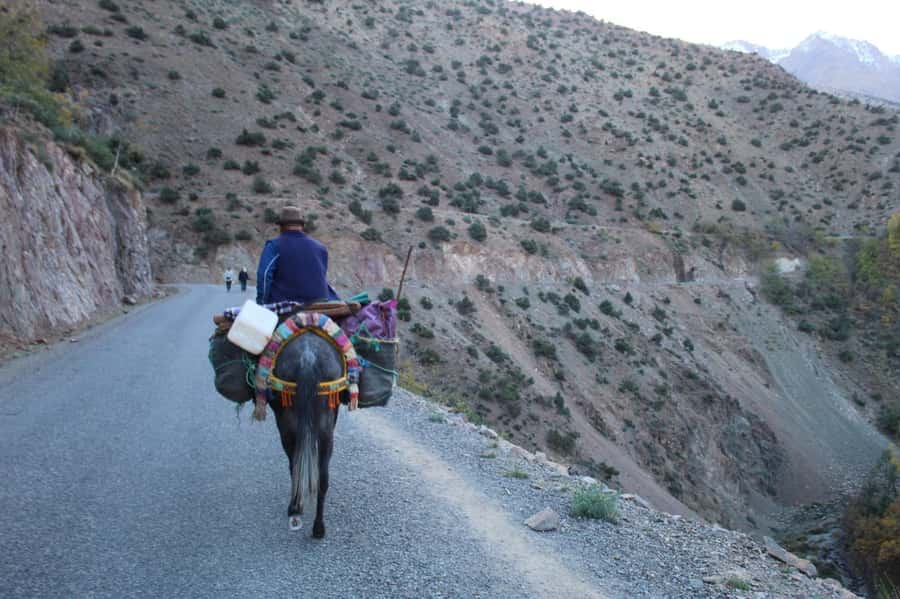
Day 1 starts with a real climb. After arriving in Imlil, you meet your guide and begin the trek over Tizi n’Tamatert (about 2279 meters). The payoff is the views over the Imnane Valley—big, open sightlines that make the effort feel worth it.
From there, you continue toward the Tidli area (around 2250 meters). This section is where you start to feel the rhythm of the Atlas trails: uphill effort, then stretches that let you catch your breath while watching the terrain shift around you. You’re also moving through the valley-and-village system rather than hiking in a totally empty landscape. That’s a big part of why this trek feels authentic. You’re not far from homes and paths that connect daily life.
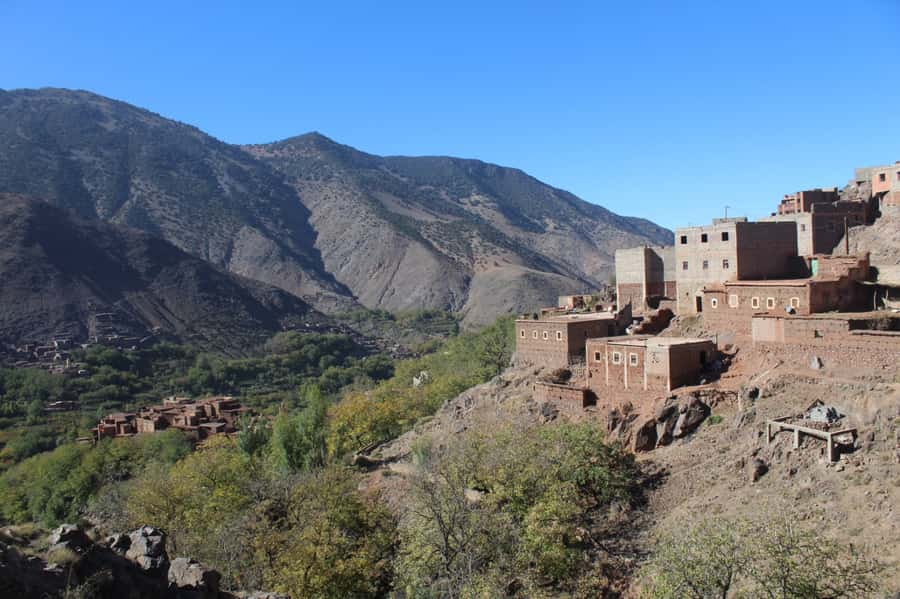
In the afternoon, the descent leads you to Armed Village, where you sleep in a Berber guesthouse. You’re there for a reason, not just to check a box. A guesthouse night is often where the trek becomes more human. Dinner is traditional, and you can relax without hauling your own meal plans or worrying about where you’ll eat.
Expect a traditional dinner with the Berber cook handling the food for you. The key advantage here is simplicity. You don’t have to figure out what’s available locally for breakfast and lunch. The meal rhythm supports the walking schedule.
Drawback to plan for: Day 1 ends with a solid hike-to-guesthouse transition, so once you arrive, you’ll likely want to slow down quickly. Don’t plan extra activities the same evening—this is your recovery time.
Day 2: Sidi Chamharouch (around 2310 m) and the Tizi Izgaren pass (about 2520 m)
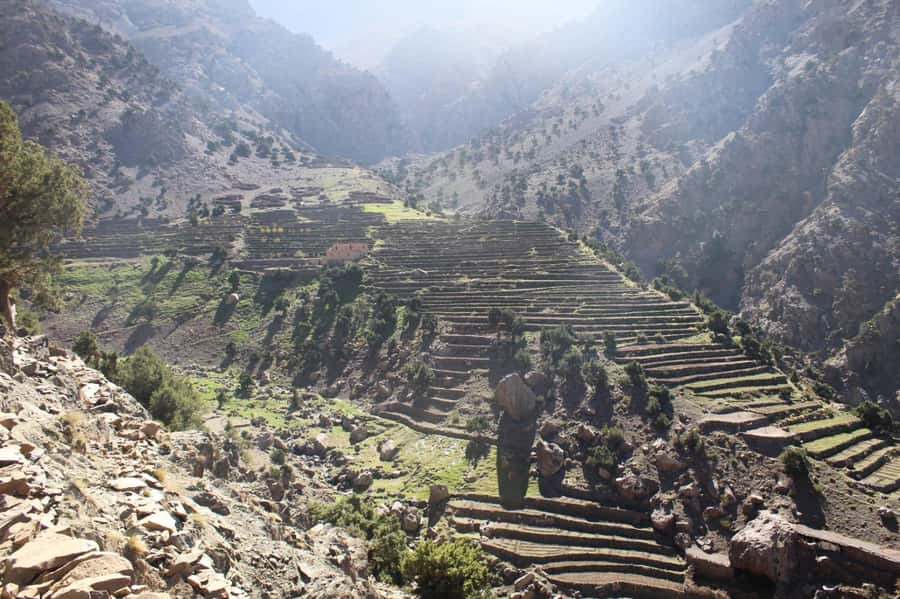
Day 2 begins with breakfast at the guesthouse, then another hike day that follows a classic trekkers’ pattern: start early, climb to a meaningful pass, then return through familiar terrain.
First stop is Sidi Chamharouch (around 2310 meters). This is described as a spiritual place for pilgrims and a famous stop for trekkers on the way to Toubkal. Even if you’re not religious, it’s the kind of landmark that adds context. It reminds you these paths are part of how people travel, not just how hikers log routes.
After that, you continue ascending to Tizi Izgaren pass (about 2520 meters). This is your higher “breath-hold moment” of the trip. Higher altitude means you feel every step more. The benefit is the panoramic views, the kind that make you stop talking for a minute and just look.
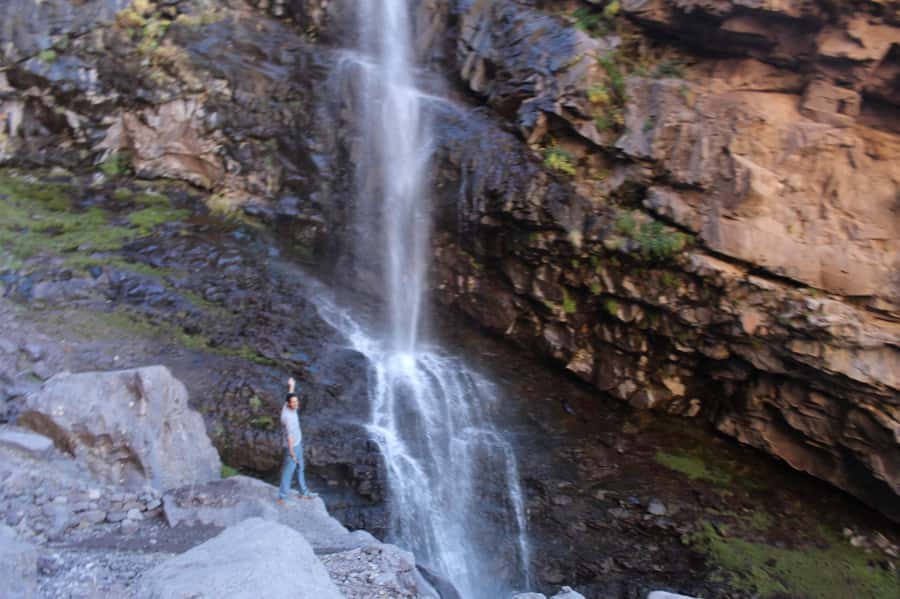
Then comes the best part of a mountain day: the descent. You return via waterfalls to Imlil, with a late lunch under walnut groves and time to relax near the river. That post-hike pause is worth it. It’s where you stop thinking about the trail and start feeling like you actually left your routine behind.
After lunch and relaxation, you transfer back to Marrakech. Arrival is approximately 15 hours after the start of the day’s hiking schedule. So while Day 2 ends in comfort, plan for a full day total. Wear something comfortable for the ride, but keep your walking boots available if you need them for any short stretches.
Guides and food: the biggest quality marker on this trek
The strongest part of this experience is how it’s managed on the ground. Hamid is in charge of organizing everything—pick-ups, guides, food, and accommodation. On the trek itself, Yusuf and Hussain guide in English and provide interesting information as you walk.
That matters because the mountains are huge and the details are easy to miss. A good guide doesn’t just lead. They help you understand what you’re seeing: how the villages relate to the valley, what the terrain suggests about travel and farming, and what’s coming next on the route.
Food is handled by a Berber cook, and that’s one of the reasons I’d pick a guided trek like this over DIY. You don’t have to guess menus or hunting-for-lunch logistics. You’re getting breakfast, lunch, and dinner as part of the plan, and the timing matches the hiking schedule.
And because you’re staying one night in a local guesthouse, dinner feels like a real part of life, not a tourist service. In the reviews, this was specifically praised—good guiding, nice food, and accommodations. If you’re traveling with children, the short 2-day format and guesthouse stay are also a practical fit, since you’re not doing day after day of long nights in the wild.
What to bring for changing mountain weather (and cold wind)
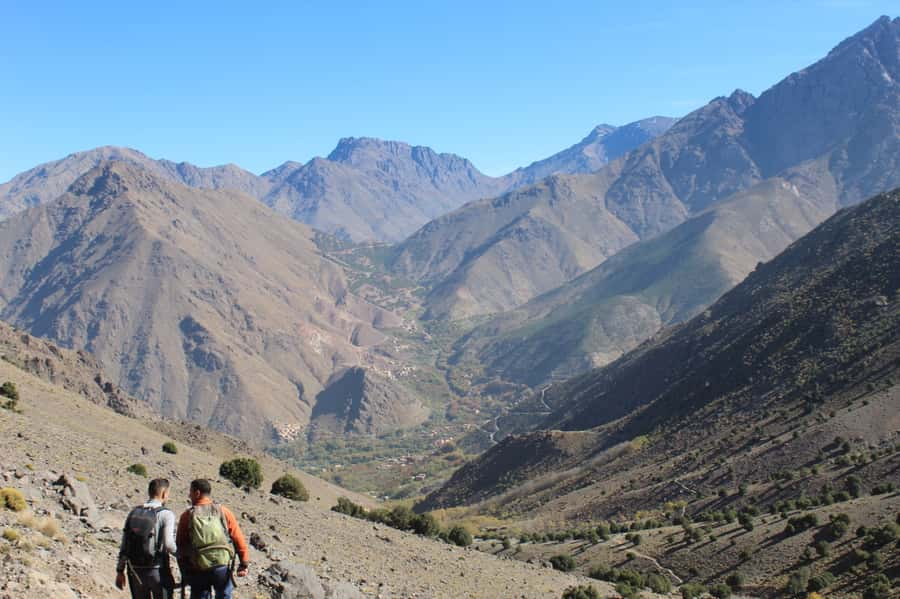
The Atlas can be tricky. It can be warm and sunny in the day, then quickly turn when you reach higher ground. From autumn through late spring, there’s a real chance of snow and cold winds. So don’t pack like you’re walking in a predictable city climate.
Bring:
- good walking boots and socks
- comfortable shoes or slippers for the guesthouse
- trekking pants
- lightweight waterproof over-trousers (rain pants)
This trek also has a clear responsibility note: don’t leave rubbish behind. Carry out what you carry in.
Practical tip: pack a small day layer that you can take on and off. In mountain weather, you’ll often warm up on climbs and then cool down during breaks. Waterproof over-trousers are especially useful when trails get damp or chilly wind hits you on the exposed sections.
Also remember the tour includes meals, but soft drinks are not included. If you like a particular drink or want extra water comfort, plan for that on your own.
How much effort is this, and who it fits
You’re looking at about 5 to 6 hours of hiking on Day 1 and around 5 hours on Day 2. The pass elevations help explain the effort. You start climbing at roughly 2279 to 2280 meters, then deal with another high point around 2520 meters on Day 2.
That doesn’t mean this is a technical climbing trip. But it does mean you need stamina for a sustained hike day, plus the patience to move steadily over uneven paths.
Who it suits best:
- people who want a real High Atlas experience in only 2 days
- anyone comfortable hiking multiple hours in mountain terrain
- families who can handle a guided 2-day walking schedule (short duration, guesthouse night)
If you’re prone to fatigue, build in a slower pace from the start. The passes are where energy can vanish quickly. Let your guide set your pace rather than pushing to “keep up.” On this kind of trek, arriving feeling good matters more than arriving first.
Quick logistics you should know before you go
You have live guiding in English and French, plus an English audio guide. That’s helpful when you want to understand what you’re seeing without constantly asking for explanations.
Accommodation is one night in a local Berber guesthouse. Meals are included across breakfast, lunch, and dinner.
Transport is included from and back to Marrakech, but you’ll still have a long total day on Day 2 because of the transfer time. Wear layers you can comfortably manage during the ride.
Should you book this 2-day High Atlas trek?
If your goal is authentic mountain village trekking without a long commitment, I think this is a strong pick. The combination of guided structure, local guesthouse lodging, full meals, and a route that includes meaningful passes and a known trekking stop like Sidi Chamharouch makes the experience feel complete in just two days.
Book it if you:
- want the Western High Atlas area around Imlil and Armed
- like the idea of walking 2 full days with about 5 to 6 hours each
- care about understanding what you’re passing, not just snapping photos
Skip it or choose a different option if you’re not ready for sudden mountain weather changes or if you want equipment and insurance handled for you. Equipment and travel insurance aren’t included, and the altitude + wind can make the day tougher than you expect—especially during autumn through late spring.
If you can pack right and keep a steady pace, this trek delivers exactly what the Atlas should: real villages, real mountain effort, and the kind of end-of-day calm that’s hard to find anywhere else.
FAQ
Where is the meeting point in Marrakech?
The meeting point is فندق علي (Hotel Ali) on Rue Moulay Ismail, Marrakech 40000, Morocco.
What time does the tour leave Marrakech on Day 1?
The itinerary lists an early morning departure from Marrakech at 08:00, with a transfer to Imlil that takes about 1.5 hours.
How long is the trek?
The experience lasts 2 days, with trekking each day and transport from and back to Marrakech.
Which places and passes are included in the hiking route?
You trek past Imlil, Arghen, and M’zzik, and you go over Tizi n’Tamatert (around 2250–2280 m) on Day 1. On Day 2, you hike to Sidi Chamharouch (around 2310 m) and over Tizi Izgaren (about 2520 m), then return to Imlil via waterfalls.
Is accommodation included for one night?
Yes. It includes 1 night at a local guesthouse in Armed Village.
Are meals included?
Yes. Breakfast, lunch, and dinner are included.
What languages are available with the guide?
The live tour guide is available in English and French, and an English audio guide is included.
Is transport from Marrakech included?
Yes. The price includes transport from and back to Marrakech.
What should I bring since equipment is not included?
You should bring walking boots and socks, comfortable shoes or slippers for the guesthouse, trekking pants, and lightweight waterproof over-trousers or rain pants. The mountains can change quickly, so plan for cold winds and possible snow risk during autumn through late spring.