REVIEW · KATHMANDU
Annapurna Base Camp Trekking
Book on Viator →Operated by Accessible Adventure Pvt. Ltd · Bookable on Viator
A trip like this hits you in waves, not all at once. You get the big mountain payoff at Annapurna Base Camp, plus the build-up through Poon Hill sunrise and classic Annapurna villages, all wrapped in logistics that won’t drain your brain. It’s a private-style trek with a licensed guide and porter support, and even gear like a down jacket and sleeping bag for the trail.
Two things I like right away: the trek is planned with permits (TIMS and Annapurna Conservation Area) and government fees handled for you, and your group has real human support with a guide plus porter coverage. The included transfers (Kathmandu to Pokhara and back) also make the start and finish feel smoother than the usual chaos.
One drawback to consider: meals and drinks during the trek aren’t included, and Kathmandu/Pokhara hotel stays aren’t included either. So you should budget extra day-to-day spending once you’re on the trail.
In This Review
- Key highlights worth caring about
- From Kathmandu airport to a trekking briefing that actually helps
- The Pokhara lakeside buffer: why the drive is part of the value
- Day 3 and 4: classic Annapurna climbing, with Poon Hill at the peak of the story
- Day 5 and 6: from forest-village trekking to the Deurali altitude push
- Day 7: reaching Annapurna Base Camp via Machhapuchhre Base Camp
- Day 8: the controlled descent from 4,130m down to Bamboo
- Day 9 and 10: Bamboo to Jhinu Danda hot springs, then on to lower villages and Pokhara
- Day 11 and 12: the long return to Kathmandu and a clean airport finish
- Price of $749.90: what you’re truly getting for the money
- Who this trek suits best (and who should rethink it)
- Should you book this Annapurna Base Camp trek?
- FAQ
- What is the duration of this Annapurna Base Camp trek?
- Where does the trek start and end?
- Are permits included?
- Do you get a guide and porter?
- What trekking gear is included?
- Is transport between Kathmandu and Pokhara included?
- What about meals and drinks on the trek?
- Are accommodations in Kathmandu and Pokhara included?
- Is Jhinu Danda hot springs included?
- What is the cancellation window?
- Is this a private tour?
Key highlights worth caring about
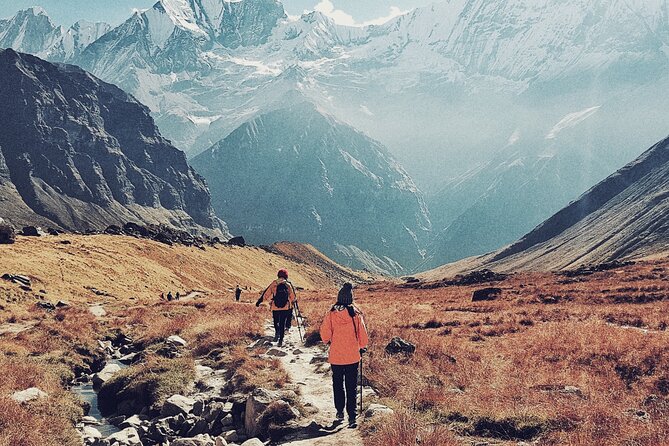
- Poon Hill sunrise included in the route with an early push from Ghorepani
- Guide + porter support (with a porter for two trekkers)
- Trail gear provided for use during the trek: duffle bag, sleeping bag, and down jacket
- Permits handled: TIMS plus the Annapurna Conservation Area permit
- Tea house nights included with a focus on the best teahouse option on the trek
- Route includes Jhinu Danda hot springs time (hot spring admission isn’t included)
From Kathmandu airport to a trekking briefing that actually helps
Day 1 is all about getting your footing in Kathmandu. You’re met at the airport, transferred to your hotel, and then you meet your trek leader for a pre-trip briefing later in the day. That briefing matters more than it sounds, because ABC treks are about pacing, altitude, and sensible decisions when you’re tired.
What’s practical here is that you’re not left to figure out permits, entry points, or where to start the trail. The plan includes private transfers to the trek start and end points, so you’re walking early the next morning rather than negotiating your way through the day’s schedule.
If you’re the type who likes to wake up with a plan, this first day sets that tone. If you’re jet-lagged or anxious, the face-to-face briefing can calm things down quickly.
You can also read our reviews of more tours and experiences in Kathmandu.
The Pokhara lakeside buffer: why the drive is part of the value
Day 2 moves you to Pokhara Lakeside by tourist bus. The schedule has breakfast in Kathmandu and then a drive starting at 7:00 AM, with about 7 hours on the road to reach Pokhara. It’s not glamorous, but it’s effective. You’re using travel time to set up your body for tomorrow’s climb rhythm.
Pokhara Lakeside is the tour-friendly base area, which is good news if you want a place where it’s easy to grab last-minute trekking supplies, meet your guide again, and settle in without guesswork. Since trek meals aren’t included later, having a day where you can pick up what you need is useful.
Also, round-trip bus transfers between Kathmandu and Pokhara are included, which saves you the hassle of coordinating transport twice. On a trek where every day counts, transport simplicity is real value.
Day 3 and 4: classic Annapurna climbing, with Poon Hill at the peak of the story
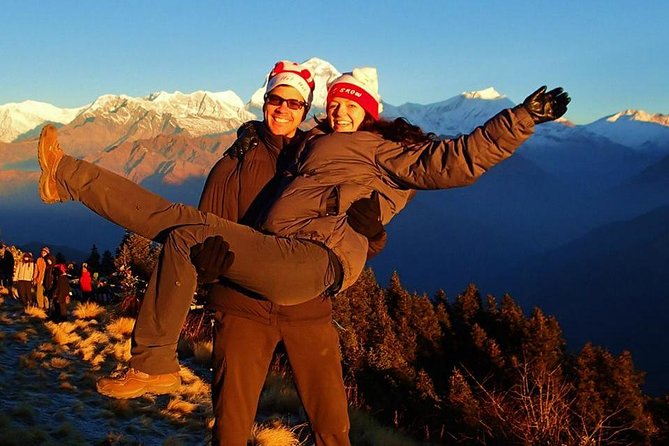
Your trek days start with the usual Annapurna progression: lower villages, then higher views. On Day 3 you head from the trailhead area toward spots like Birethanti and Ulleri, with Ghorepani as the big target for the day. The plan builds altitude gradually rather than jumping you straight into the hard stuff.
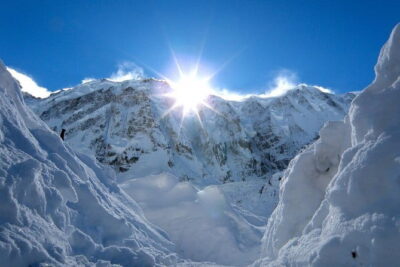
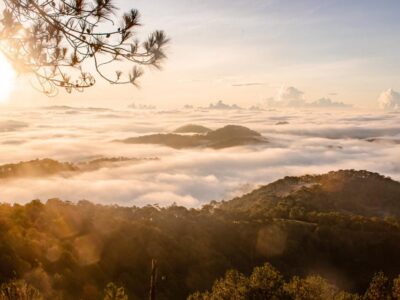
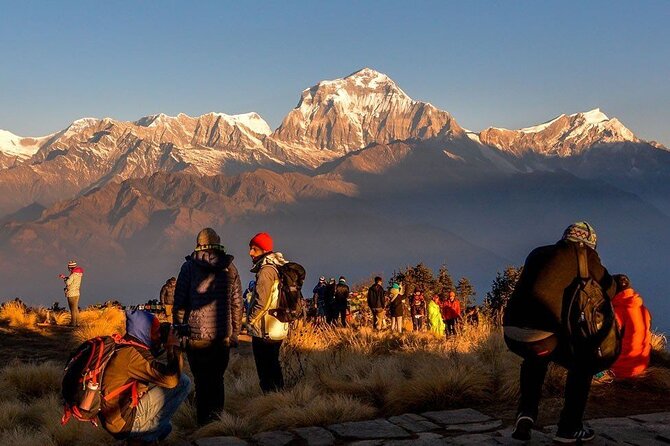
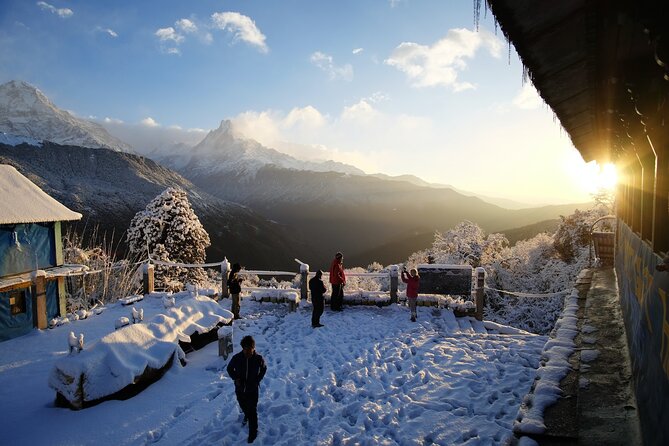
Then Day 4 is the payoff morning: sunrise at Poon Hill (3,210m). The route gives you a pre-dawn 45-minute hike from Ghorepani. That early start can feel like a small inconvenience at bedtime, but sunrise here is one of the few times you get a wide, dramatic view before the day turns into work.
From Poon Hill, you move on to Tadapani (2,630m). This day has a good rhythm for people who want both scenery and a manageable training effect. Poon Hill is your view reward; Tadapani is your village-night reset before the ABC ascent gets more serious.
One consideration: early mornings plus steady climbing means you should treat sleep as a priority. If you plan to read, chat, or scroll late, save it for Kathmandu days.
Day 5 and 6: from forest-village trekking to the Deurali altitude push
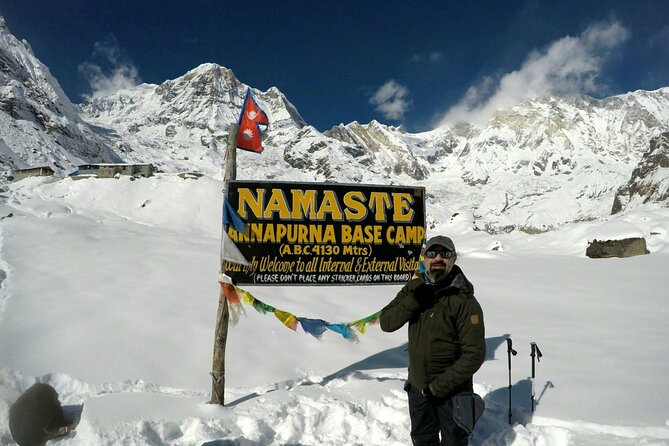
Day 5 takes you through a sequence of smaller stops: Chuile (2,300m) and then onward to Sinuwa (Lower Sinuwa around 2,340m). You’re moving through the Annapurna heartland where trails often feel like a chain of villages rather than a straight line. That’s a good thing. It keeps your mental load lower because you’re not staring at the same steep slope for hours without a change in scenery.
Day 5 is also about settling into the real ABC trek tempo. You’ll feel the altitude shift, but you’ll also have regular tea house opportunities as you go from settlement to settlement. Since the tour includes tea house accommodations and you’re not responsible for booking them, you can focus on pacing and hydration.
Day 6 continues from Sinuwa toward Deurali area trekking. The itinerary describes an ascent toward elevated destinations, with a noted climb from the Chomrong-side option or Sinuwa-side option up toward higher elevations (including mention of a high point around 2,890m). The point here isn’t the exact number. It’s that you’re transitioning into the section where the air feels thinner and you have to walk a little slower than you think you need to.
This is where a licensed guide’s value becomes clear. Even when the trail looks simple on paper, altitude changes how your body works. A guide can nudge you toward consistent pace and safer rest timing.
Day 7: reaching Annapurna Base Camp via Machhapuchhre Base Camp
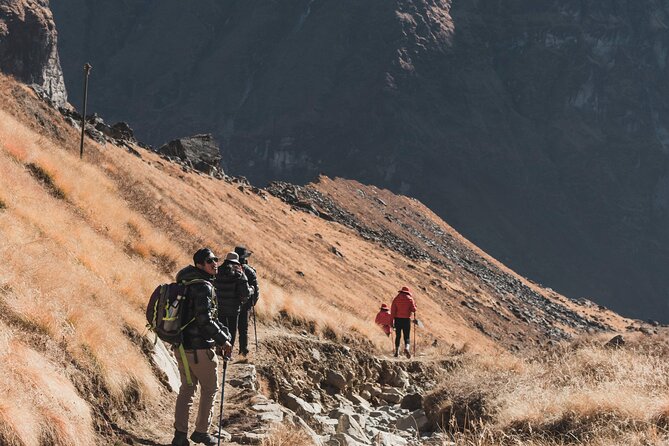
Day 7 is the big day. The route climbs from the higher zone (the plan references either Deurali or a starting elevation around 2,890m) up to Annapurna Base Camp (about 4,130m). It also includes the stop at Machhapuchhre Base Camp (about 3,700m) along the way.
Machhapuchhre Base Camp is more than a checkbox. It’s a staging point that helps you measure your energy before the final push. When you’re climbing to ABC, you want your body to arrive, not just your feet.
You’ll also spend a shorter chunk of time physically working at the highest altitude moment of the trek. That’s helpful for planning your day. It reduces the chance you’ll feel like you’re doing all the hard effort at the point where oxygen is lowest.
One extra note from real trip experience tied to this exact kind of trek: a past participant praised the guide named Avi and porter Robin for being patient and focused on safety. That kind of support tends to show most on the hardest day, because you’re less likely to rush when someone is watching your pacing and comfort.
Day 8: the controlled descent from 4,130m down to Bamboo
Day 8 is a descent from Annapurna Base Camp (4,130m) to Bamboo (around 2,350m). The itinerary shows this as about a 7-hour trekking day, which means it’s not just a quick shuffle down. You’ll still be walking a lot, just with the benefit that the air is easier to breathe.
Descent days can be tricky on your knees, even when altitude is improving. The good news here is that you get a planned end point with tea house accommodation. You’re not left scrambling for a place to sleep.
This also sets you up for Day 9, when you drop further toward the hot springs zone.
Day 9 and 10: Bamboo to Jhinu Danda hot springs, then on to lower villages and Pokhara
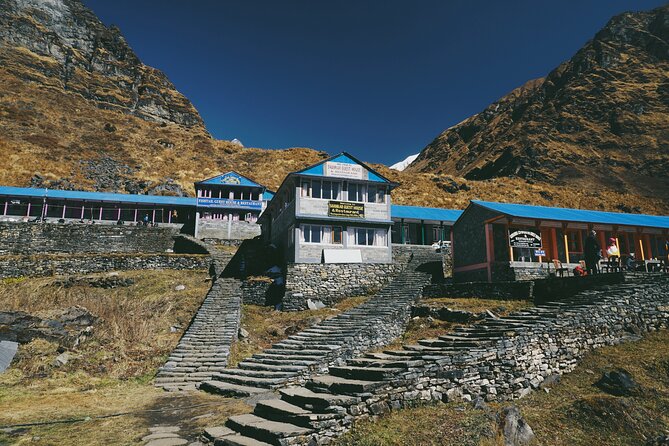
Day 9 runs from Bamboo (about 2,350m) to Jhinu Danda (about 1,780m) in about 5 hours. Jhinu Danda is known in the ABC route ecosystem for its hot springs. The plan keeps it short enough that you arrive feeling human, not wrecked.
Day 10 adds hot springs time for about 1 hour. Admission to the hot springs isn’t included, so you should plan to pay on-site if you want that soak. After that, you trek again to finish the broader ABC loop, with the itinerary describing a move toward Siwa or Ghandruk Phedi (around 3,770 feet / 1,150m) depending on the route choice.
Then you end Day 10 back at Pokhara Lakeside. This final trek-and-transfer sequence is a nice way to close the mountain chapter without spending a whole extra day figuring out transport. Just remember: the trek’s food and cold drinks aren’t included, so by now you’ll probably be happy to spend on simple meals and recovery rather than saving every rupee.
Day 11 and 12: the long return to Kathmandu and a clean airport finish
Day 11 drives you from Pokhara back to Kathmandu. The route mentions about 200 km and about 8 hours on the road. That’s a long sit, but it’s also a relief day. You’re done with altitude walking, and you’re transitioning back toward normal life.
Day 12 is just departure. You go to Tribhuvan International Airport, ending the trek.
It’s a simple finish, which is exactly what you want after 11 days of hiking logistics in Nepal.
Price of $749.90: what you’re truly getting for the money
At $749.90 per person, this tour isn’t the cheapest ABC option, but it isn’t wildly priced either given what’s included. The value shows up in the stuff that usually costs you extra time or money if you DIY.
Here’s what you’re paying for that’s specifically helpful:
- Gear provided for the trek: duffle bag, sleeping bag, and down jacket. This can be a big savings if you’d otherwise rent or buy cold-weather gear.
- Licensed guide and porter support. Your porter ratio is 1 porter for two trekkers, which is typical for group trekking and helps keep your load manageable.
- Permits handled: TIMS and the Annapurna Conservation Area Permit plus all government taxes and agency service charge.
- Transport handled: tourist bus between Kathmandu and Pokhara plus private transfer to the trek start and ending points.
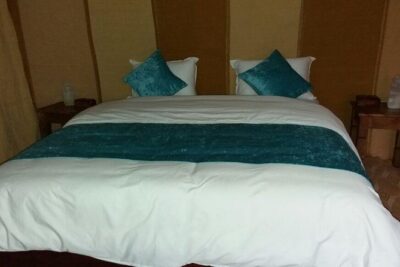
- Tea house accommodations included, with a note that the plan uses the best teahouse on the trek.
- First aid kit included as part of the trekking support package.
Now the “what it doesn’t include” part matters just as much when you’re budgeting:
- Trek food (breakfast, lunch, dinner) isn’t included.
- Cold drinks (like juice and soda) aren’t included.
- Kathmandu and Pokhara accommodations aren’t included.
- Hot springs admission at Jhinu Danda isn’t included.
- If you’re traveling solo, there’s no porter for a solo traveler mentioned in the inclusions.
So the real budgeting equation is simple: base trip cost covers the backbone (guide, porter system, gear for the trek, permits, and most logistics). Your daily spending becomes mostly about meals and optional extras like hot springs admission and drinks.
Also, this is booked on average 40 days in advance, so if you’re aiming for a specific departure window, don’t wait until the last minute.
Who this trek suits best (and who should rethink it)
This itinerary fits best if you want a clear plan and people to rely on. If you like knowing that permits are handled, you’ll have a guide, and you won’t be trying to solve logistics mid-trek, you’ll likely feel comfortable with this style.
It also suits hikers with moderate physical fitness, since the tour is built around daily segments with village-to-village overnight tea houses. You should still expect real uphill days and some cold conditions at altitude, even with a down jacket provided for trekking.
If you’re a hardcore minimalist who wants maximum freedom to choose your own tea houses and pace, this private packaged format might feel a little structured. But if your goal is safety, simplicity, and staying focused on the views and trail, the structure is the point.
Should you book this Annapurna Base Camp trek?
If you want ABC without turning your trip into a project, I’d seriously consider booking. The combination of permits included, gear provided, and a licensed guide with porter support makes this feel like a “you show up and walk” experience rather than a “you manage everything” experience. The Poon Hill sunrise morning and the Jhinu Danda hot springs stop are also the kind of route moments that make an ABC trek feel complete.
I’d pause only if your budget depends on everything being fully covered. Since trek meals and cold drinks aren’t included, and Kathmandu/Pokhara lodging also isn’t included, you’ll want to plan spending for the trail days and your city nights.
FAQ
What is the duration of this Annapurna Base Camp trek?
The itinerary runs for 12 days (approximately).
Where does the trek start and end?
The trek starts after private transfers to the trek starting point and ends after private transfers back from the trek ending point, with the finish returning you to Kathmandu via Pokhara.
Are permits included?
Yes. The tour includes TIMS and the Annapurna Conservation Area Permit, along with government taxes and agency service charge.
Do you get a guide and porter?
Yes. It includes one licensed professional English-speaking trekking guide and a porter system listed as 1 porter for two trekkers.
What trekking gear is included?
Gear included for use during the trek: a duffle bag, sleeping bag, and down jacket. A first aid kit is also included.
Is transport between Kathmandu and Pokhara included?
Yes. Round-trip tourist bus transfers between Kathmandu and Pokhara are included.
What about meals and drinks on the trek?
Food during the trek is not included (breakfast, lunch, and dinner during the trek). Cold drinks are also not included.
Are accommodations in Kathmandu and Pokhara included?
No. Accommodation during Kathmandu and Pokhara is not included.
Is Jhinu Danda hot springs included?
You get 1 hour at Jhinu Danda hot springs, but hot spring admission is not included.
What is the cancellation window?
You can cancel for a full refund up to 24 hours before the experience start time. After that window, the amount paid is not refunded.
Is this a private tour?
Yes. It’s described as a private tour/activity, and only your group participates.