REVIEW · KATHMANDU
Annapurna base camp trek
Book on Viator →Operated by Nepal Trekking Routes Pvt. Ltd · Bookable on Viator
A mountain trek with storybook mornings. The Annapurna Base Camp journey mixes Poon Hill sunrise views with cultural village walking and big Himalayan panoramas as you climb toward Annapurna Base Camp at 4,130m. I especially like how this route builds in classic photo moments at lower altitude, then keeps widening the view as you go higher. I also like that the trek includes warm-water recovery at Jhinu plus the optional-feeling Machhapuchhre Base Camp experience. One thing to consider: this isn’t a stroll. You need moderate fitness and you’ll be hiking days with real elevation and long walking stretches.
You also get a practical start in Pokhara, the lake city that sets a calmer tone before the trail work begins. From there, the trek starts at Nayapul, with about a 2-hour drive from Pokhara, so you’re not jumping straight into a “where do I even begin” day. The group size is capped at 15, which helps keep things organized without turning it into a crowded stampede.
In This Review
- Quick hits before you lace up
- Pokhara first: lake city comfort before altitude
- Getting to the trail: Nayapul and your first hiking day
- Poon Hill timing: sunrise views with big payoff
- Cultural villages and how the trek actually feels day to day
- Himalayan panoramas: the middle stretch to Annapurna Base Camp
- Machhapuchhre Base Camp and Jhinu hot springs: the recovery bonus
- Machhapuchhre Base Camp as a bonus
- Jhinu hot springs for muscles and spirits
- Group size, pace, and who this trek suits best
- When to be careful
- Price and logistics: what $999 includes, and what to budget
- Dress code and practical rules that actually affect your day
- Permits and preparation: don’t wing it
- Should you book this Annapurna Base Camp trek?
- FAQ
- Where does the trek start and end?
- How long is the Annapurna Base Camp trek?
- What is the maximum altitude reached?
- Is Poon Hill included for sunrise or sunset views?
- Does the trek include Machhapuchhre Base Camp?
- Are hot springs included?
- What’s included in the price?
- What’s not included?
- What group size should I expect?
- Is there a dress code?
Quick hits before you lace up
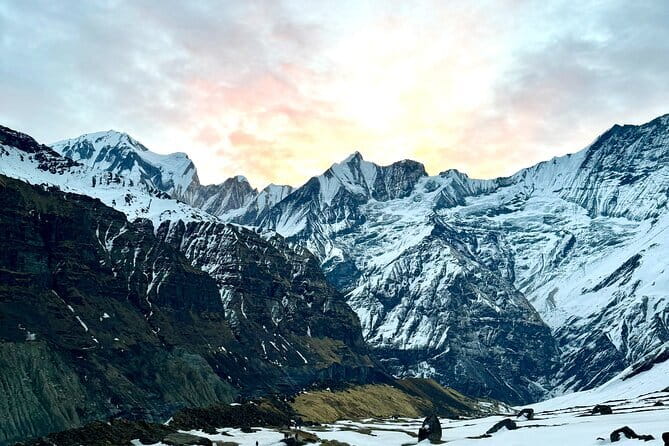
- Poon Hill sunrise and sunset options: classic timing for turning clouds into theater.
- Pokhara included up front: lakes, caves, eateries, and paragliding/zip options if you want add-on thrills.
- Culture along the way: Gurung, Magar, and Ghale communities with their daily rhythms and food/hospitality.
- Machhapuchhre Base Camp as a bonus: a special extra that many treks treat like a reward.
- Jhinu hot springs reset: a natural muscle-relief moment after tougher walking.
- Small group pace: up to 15 people, so guidance and logistics feel manageable.
Pokhara first: lake city comfort before altitude
This trip doesn’t fling you into mountains right away. It begins with time in Pokhara, Nepal’s “second big base” after Kathmandu. You get a full introduction to what makes Pokhara such a magnet: lakes you can stare at forever, caves, lots of places to eat and unwind, and even museums if you want your brain to warm up before hiking.
Pokhara is also where you can decide how adventurous you want to be. The trip description points to add-ons like hot air ballooning, paragliding, and zip-flyer experiences. None of these are spelled out as required, but the fact that they’re available matters. It means you can trade energy on the front end for bragging rights and great photos, then go more steadily once the trekking starts.
Practical tip: I like that this structure gives you a buffer day (or at least a calmer setup) before you start walking long distances. If you’ve ever started trekking tired, you know it’s not heroic. It’s just exhausting.
You can also read our reviews of more tours and experiences in Kathmandu.
Getting to the trail: Nayapul and your first hiking day
The walking formally starts from Nayapul, about a 2-hour drive from Pokhara. That’s a nice detail because it tells you this trek doesn’t pretend altitude begins when you step off a bus in Kathmandu. You’re already oriented, fed, and (hopefully) slept.
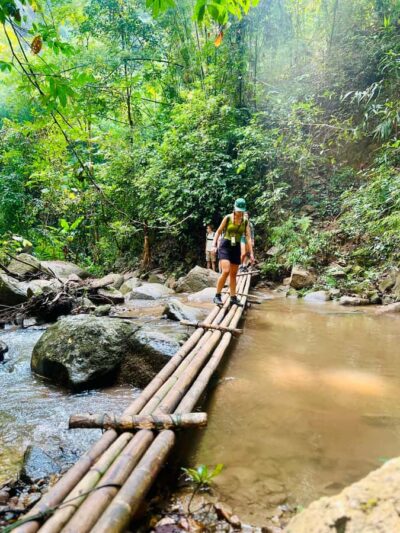
Nayapul is also a mental reset point. You go from café-and-lake to boots-and-steps. Early on, the route takes you through green, lush woods with plants like rhododendron, fig, bamboo, juniper, and others. That early greenery does two useful things for you:
- It makes the first climbing days feel less like a grind.
- It keeps your attention on the trail and the weather, not just the numbers on your phone.
If you’re coming from sea level or doing your first real trek, this kind of gradual start is a big deal. It helps you settle into pace before the high-alpine thinking kicks in.
Poon Hill timing: sunrise views with big payoff
If there’s one part of this trek that most people remember clearly, it’s Poon Hill at 3,210m. The route is set up for that famous early timing—sunrise, and in many cases you’ll also catch great light for sunset depending on how your days land.
Here’s why Poon Hill is such a smart move. You get:
- A stunning viewpoint without starting at the highest altitude immediately
- A reason to wake up early that feels worth it, not just mandatory
- A visual “warm-up” for the bigger mountain panorama ahead
The trek description paints Poon Hill as the first phase highlight, and that makes sense. It’s a classic way to earn your alpine views while your legs are still fresh enough to enjoy the morning. I like that it’s not just a quick stop either—you’ll trek through forests and then climb into viewpoint territory, so the accomplishment feels earned.
One consideration: early mornings are cold in the hills. Build your day around warm layers and a simple breakfast plan so you’re not scrambling for heat right when the sky is doing its best work.
Cultural villages and how the trek actually feels day to day
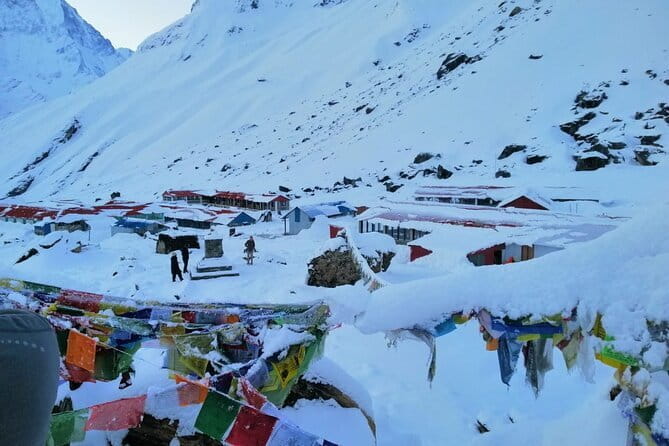
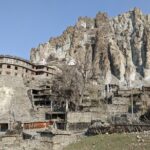
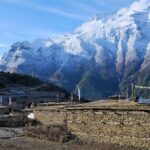
Between viewpoint days and higher elevation days, you pass through communities tied to Hindu and Buddhist life. The trek specifically points to cultural villages connected with Gurung and Magar (and also Ghale), where you can see unique housing styles, plus learn about typical cuisines and local hospitality.
That matters more than it sounds. On popular treks, the “culture” section can turn into a quick photo-and-go stop. Here, the route’s emphasis is on living villages and food rhythms, which generally means you’ll have more meaningful conversations and more chances to try simple, local meals along the way.
You’ll also notice the trek line moving toward a more Tibetan-origin influenced Himalayan belt. Expect different village textures and ways of life as you go higher. It’s one of those quiet shifts that makes the trek feel like a real journey, not just a hiking line.
Practical move: pack a flexible attitude about meals. The trekking route includes breakfast, but food and drinks are not included. That means you’ll likely buy many meals from teahouses or locally run places. Go with a curious mindset, not a strict menu expectation.
Himalayan panoramas: the middle stretch to Annapurna Base Camp
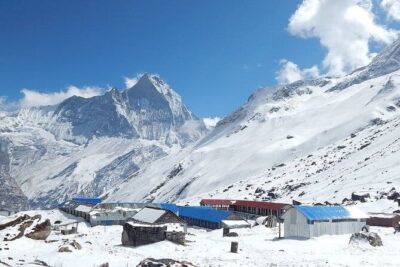
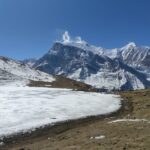
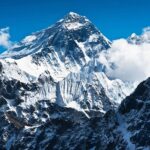
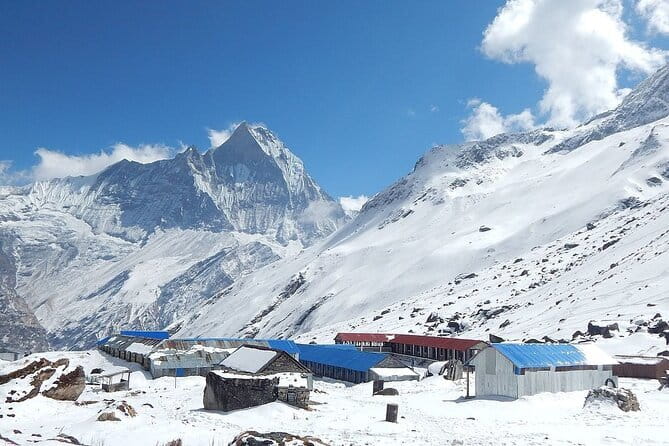
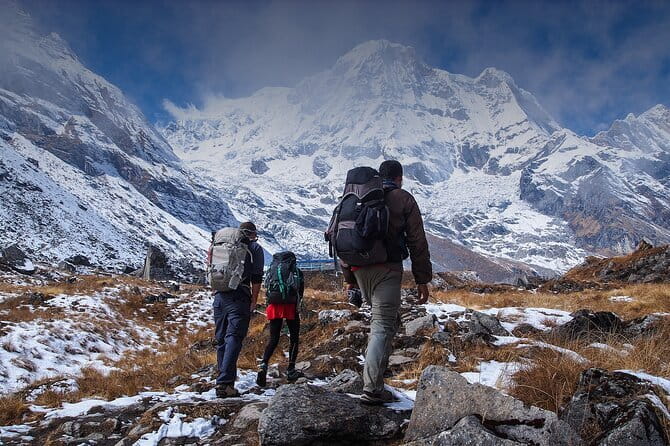
After Poon Hill, the trek moves into the Himalayan belt where views become part of your daily rhythm. The description flags big-name peaks as ever-present in sight: Machhapuchhre, Dhaulagiri, the Annapurna series, Neelgiri, Himchuli, and others.
This is the point where your effort starts paying you back in a different way. Instead of thinking about the next tea stop, you’ll be mentally tracking what’s visible today. When a trek is done right, scenery becomes a navigation tool as well as a reward.
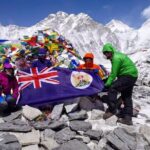
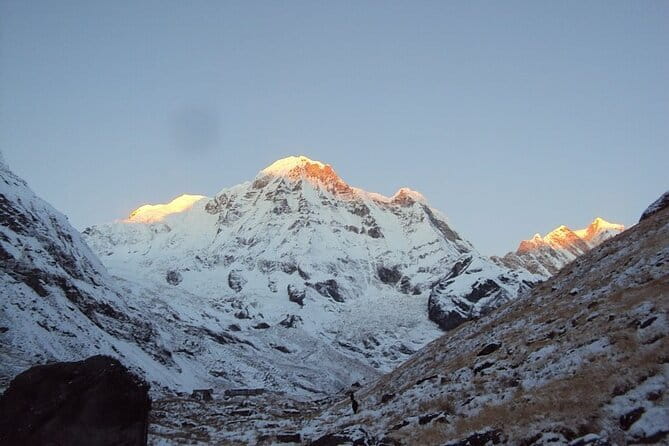
And then there’s the goal: Annapurna Base Camp at 4,130m. Getting there is about more than reaching a dot on a map. It’s about the accumulation of days—walking through forests, crossing cultural space, adjusting to altitude, and learning your own rhythm.
A balanced warning: base camp at altitude still means you’ll feel the elevation. Even though the trip is described as suitable for moderate fitness levels, it’s smart to take your breathing and pacing seriously. Don’t treat the trek like a race just because the route is popular.
Machhapuchhre Base Camp and Jhinu hot springs: the recovery bonus
Two standout “extra payoff” moments are called out in the trek details: Machhapuchhre Base Camp and the natural hot springs near Jhinu.
Machhapuchhre Base Camp as a bonus
You can think of Machhapuchhre Base Camp as that special add-on feeling many trekking routes build in if conditions and pacing allow. The description frames it as a bonus while doing the ABC trek, which usually means it’s one of those moments that makes the overall experience feel fuller than a single summit goal.
Jhinu hot springs for muscles and spirits
Then comes the recovery. Hot water springs near Jhinu are highlighted as helping with revitalizing your soul and muscles. Even if you don’t need spiritual metaphors, your body will understand the message quickly: after several harder walking days, soaking helps you keep moving comfortably.
Practical tip: bring a small towel and consider quick-dry sandals or footwear you don’t mind getting damp. Hot springs are practical, not fancy.
Group size, pace, and who this trek suits best
The maximum group size is 15. That’s the right size for a guided trek: enough people for a social vibe, not so many that you feel swept along like cargo.
Fitness guidance is “moderate physical fitness.” The trek also states that there’s a moderate amount of walking involved, and the trek description notes day-to-day walking often falls in the 5–6 hours range on shorter durations. If you’re the type who can handle a long day of walking and won’t panic about altitude discomfort, you’re likely a good match.
One of the most useful things I learned from the broader feedback is that the trek can be done by families with teens, including teenagers around 12–14 when they’re motivated and prepared. That doesn’t mean it’s “easy.” It means many families find the structure and guidance works, especially if kids are into hiking and the parents keep expectations realistic.
When to be careful
A specific caution appears for October: more people on the trail and a higher need to be flexible with conditions. October can be beautiful, but popular timing can mean busier paths, and weather can still surprise you. If you’re sensitive to crowds or you want the smoothest, quietest feel, you’ll want to think carefully about your travel month.
Price and logistics: what $999 includes, and what to budget
At $999 per person (approx. 15 days), this trek pricing feels like it aims for a middle path: guided support plus core logistics, without trying to make you pay for every single cup of tea and every snack along the way.
Here’s what’s included:
- Accommodation as per itinerary
- Entrance fees
- Breakfast
- Driver/guide
- Hotel pickup
- Hotel drop-off
So you’re not doing all the “get me from A to B” work on your own. You also have a guide/driver layer, which matters because Nepal travel can be wonderfully doable but not always straightforward when you’re figuring it out for the first time.
What’s not included:
- Food and drinks
- Alcoholic drinks (with a minimum age of 18 if you choose to purchase)
This is the biggest budgeting variable. If you’re used to traveling with pre-paid meals, you may want to adjust. Plan to spend on daily lunches, dinners, and beverages as you go. The guide can help you make reasonable choices, but you’ll still be paying for most meals yourself.
Value check: For many people, paying for accommodation and breakfast while keeping meals flexible is a good deal. You get structure where it helps and freedom where it’s personal.
Dress code and practical rules that actually affect your day
One detail that can cause avoidable frustration: a dress code for places of worship and selected museums. The requirement is clear—no shorts or sleeveless tops, and knees and shoulders MUST be covered for both men and women. If you don’t comply, you risk being refused entry.
This matters because trekking schedules can drag you into village sites or museum stops on the fly. Bring a light layer that covers your shoulders and an option that covers your knees. You’ll thank yourself later.
Permits and preparation: don’t wing it
The information you’re given emphasizes confirmation after booking and that you’ll receive what you need at the time of booking. But there’s also a practical reality on trekking routes like this: you generally need a trekking permit, and it’s common to buy it in Kathmandu or Pokhara.
So I’d plan to handle permits early rather than waiting until the night before you start walking. Permits and paperwork are where trips either flow smoothly or turn into a frustrating checklist.
Should you book this Annapurna Base Camp trek?
I’d book this trek if you want the classic Annapurna experience: Pokhara setup, Poon Hill sunrise, village culture with Gurung and Magar influence, and a guided route that gets you to Annapurna Base Camp with smart bonuses like Machhapuchhre Base Camp and Jhinu hot springs.
Skip or rethink if any of these apply:
- You hate early mornings and long walking days.
- You want fully inclusive meals and drinks (this isn’t that setup).
- You’re visiting during a busy month like October and crowd sensitivity is a real issue for you.
- You’re not ready for the dress-code requirements around religious sites.
If you’re moderately fit, open to teahouse-style meals, and you like the idea of a guided small group in Nepal’s most famous trekking region, this is the kind of package that makes the hard part easier while keeping the adventure real.
FAQ
Where does the trek start and end?
It starts at the TIA Domestic Terminal parking lot in Kathmandu (44600, Nepal). The activity ends back at the meeting point.
How long is the Annapurna Base Camp trek?
The duration is listed as approximately 15 days.
What is the maximum altitude reached?
The route reaches a maximum elevation of 4,130m at Annapurna Base Camp.
Is Poon Hill included for sunrise or sunset views?
Yes. The trek includes the Ghorepani Poon Hill part for sunrise and sunset views.
Does the trek include Machhapuchhre Base Camp?
Machhapuchhre Base Camp is described as a bonus while doing this trek.
Are hot springs included?
Yes. The natural hot water springs near Jhinu are included as part of the experience for muscle and soul revitalization.
What’s included in the price?
Accommodation as per itinerary, entrance fees, breakfast, driver/guide, hotel pickup, and hotel drop-off.
What’s not included?
Food and drinks are not included. Alcoholic drinks are also not included (minimum age is 18 for alcohol purchases).
What group size should I expect?
The tour/activity has a maximum of 15 travelers.
Is there a dress code?
Yes. For places of worship and selected museums, you must cover knees and shoulders. Shorts and sleeveless tops are not allowed.