REVIEW · SUCRE
Sucre: 1-Day Trek in the Crater of Maragua and Inca Trails
Book on GetYourGuide →Operated by Jalq'a Tours · Bookable on GetYourGuide
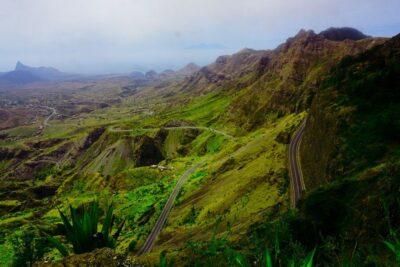
In Sucre, this one-day hike turns a simple day out into a timeline lesson in Inca paths and Jalqa culture. You start with a colonial chapel stop, then walk part of the Camino del Inca before heading to the Maragua Crater area. The dinosaur footprints finish the day with a wow factor that feels unusually close to real life.
What I like most is the pacing: you get real walking (about five hours total), but also enough car time to keep the day from dragging. Guides such as Walter, Pablo, and Lizandro bring the story together, from plants and animals to indigenous life, not just dates and names. The second big win is the setting: views change constantly as you move from trail to crater to dinosaur site.
One thing to consider: this trip runs rain or shine, and roads can be bumpy in the jeep/SUV. If you’re sensitive to altitude or you want a fully level, low-effort day, this may feel like more work than you expected.
In This Review
- Key highlights you’ll feel immediately
- A 10-hour route that strings together three eras
- Chataquilla: start with stone, not a shuffle
- Camino del Inca (and Chaunaca): part hike, part lesson
- Maragua Crater: vegetarian lunch and devil’s throat views
- Jalqa culture: the weaver moment (when available)
- Dinosaur footprints: what to do with 2 quiet hours
- Getting comfortable at 2,900 meters: what to bring and how to plan
- Price and value: where the $94 goes
- Who this tour is for (and who should skip it)
- Should you book the Sucre Maragua and Inca Trail day trek?
- FAQ
- How long is the Sucre trek to the Maragua Crater?
- What time does the tour start?
- How much of the day is walking?
- What are the main stops during the day?
- What’s included in the price?
- Is breakfast or water included?
- What should I bring?
- What languages do guides speak?
- Is it suitable for children or mobility needs?
Key highlights you’ll feel immediately
- Camino del Inca walking: about 2 to 2.5 hours on an old trail system
- Maragua Crater + La Garganta del Diablo: a guided crater visit plus a rock formation stop
- Dinosaur footprints: around 2 hours to see the footprints and take them in at a calm pace
- Jalqa culture through real craft: when a weaver is available, you can watch and learn
- Time-boxed day structure: hotel pickup at 8:30 and return to Sucre by about 10 hours later
A 10-hour route that strings together three eras
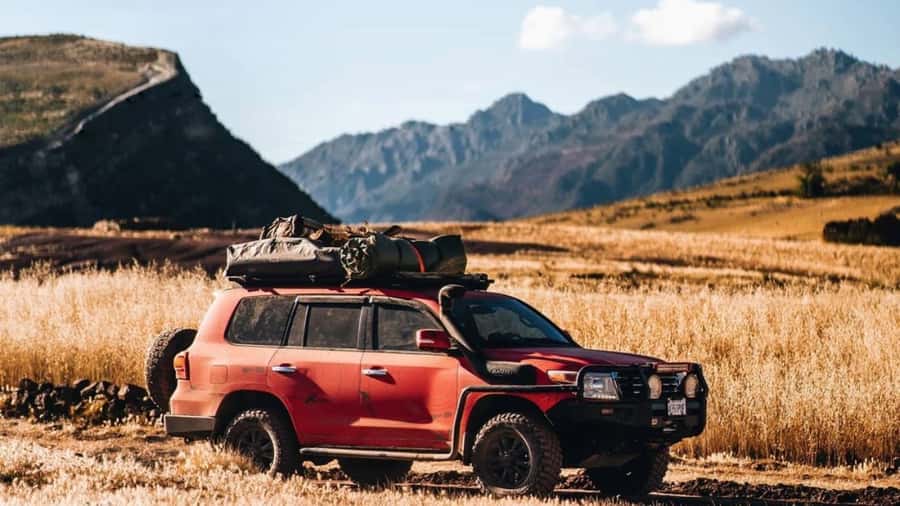
This is a long but well-structured day. You’ll be picked up around 8:30 from your hotel in Sucre, then you’ll ride roughly an hour out to the first major stop. The day’s rhythm is simple: guided visit → walking segment → short vehicle hop → guided crater time and lunch → dinosaur footprints → ride back.
That pacing matters because the route sits mostly around 2,800 to 3,000 meters. At that altitude, your breathing and energy can change fast. The tour’s mix of hiking and private transportation helps you keep going without feeling like you must sprint between stops.
The itinerary timing is flexible too. Departure can shift based on weather, and the guide keeps the schedule moving if conditions change. That’s a big deal on a day trek, because rain can turn the ground slick and the air harsher.
Chataquilla: start with stone, not a shuffle
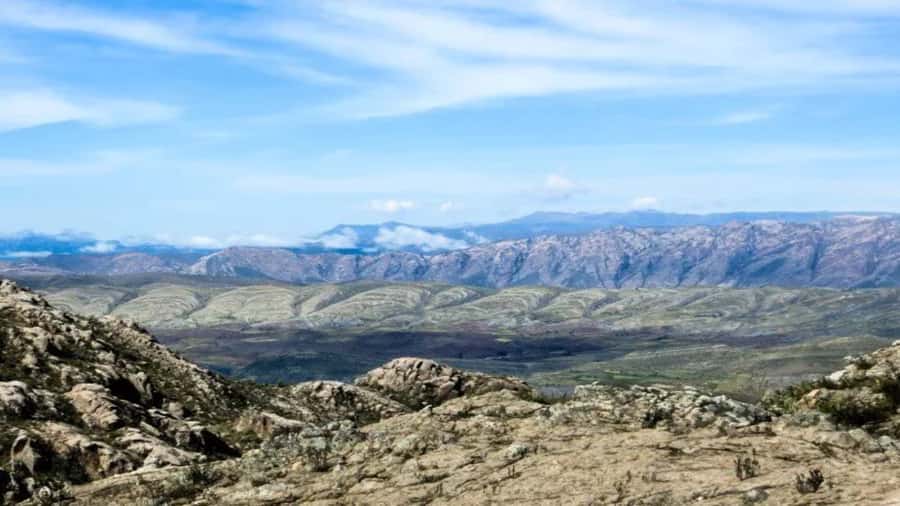
Before you lace up your hiking shoes, you get a guided stop at the colonial chapel of Chataquilla. You’ll have time for a photo stop, a visit, and a short guided tour (about 30 minutes).
Why it’s worth it: this isn’t just a “we stopped somewhere” moment. It gives you context for the region right away—how colonial-era sites sit within land that has carried Indigenous travel routes for centuries. Even if you’re focused on the Inca and dinosaur parts, this early stop helps you read the area with more curiosity later.
If you love history but hate museum walls, you’ll probably appreciate that the day starts outdoors and keeps pointing you to what to notice next.
Camino del Inca (and Chaunaca): part hike, part lesson
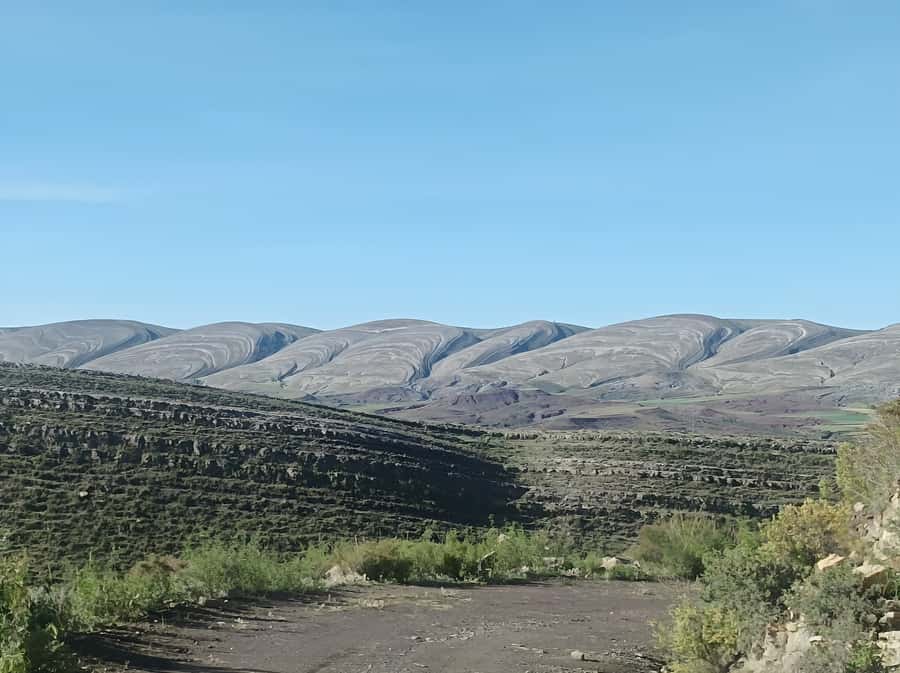
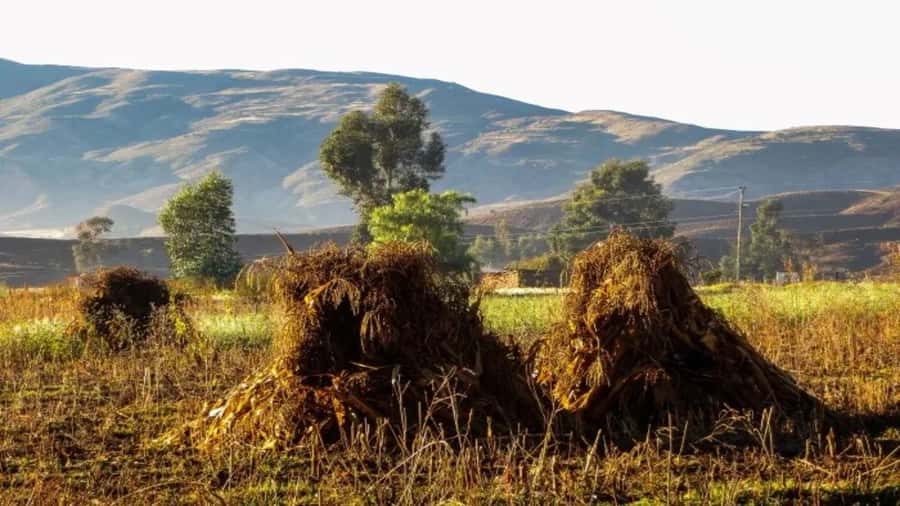
The main walking segment begins after Chataquilla. You’ll hike along the Camino del Inca for about 2 to 2.5 hours with a guide. This is not an all-day grind, but it’s not a casual stroll either. You’ll want solid traction underfoot.
About halfway through the broader route, you also pass through Chaunaca for a short guided visit (around 15 minutes). Think of this as a quick storytelling stop. It breaks the day into smaller chunks so you don’t just measure time by car rides.
In practice, this segment is the heart of the experience because it connects the rest of the day. When you later look at crater formations or dinosaur footprints, you’re no longer just seeing sights—you’re moving along the same kinds of pathways that people used to travel through this region.
Maragua Crater: vegetarian lunch and devil’s throat views
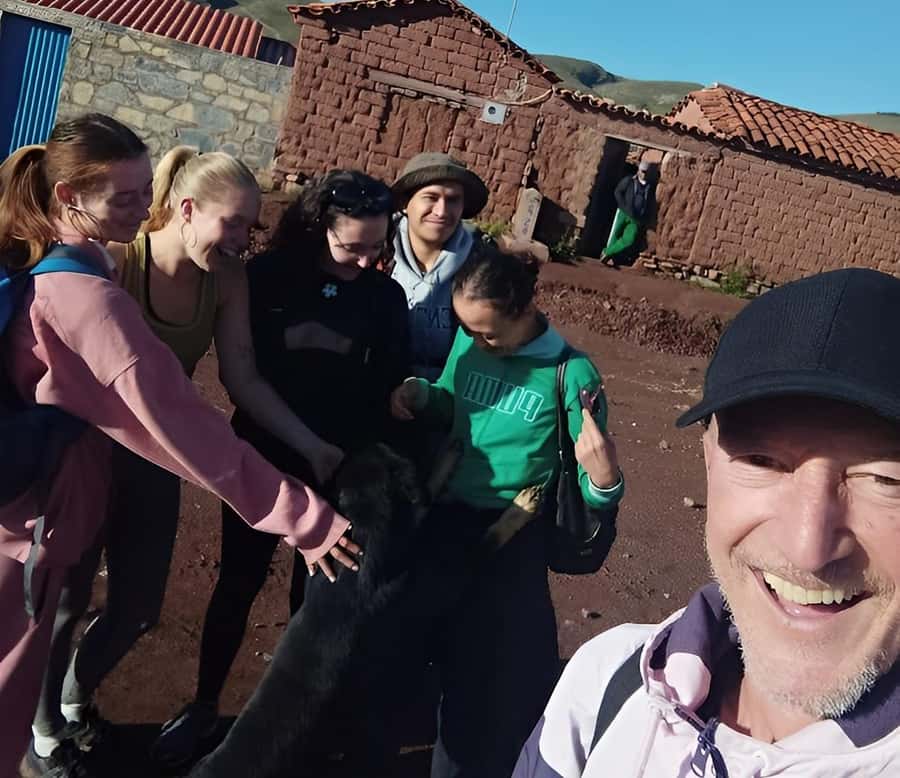
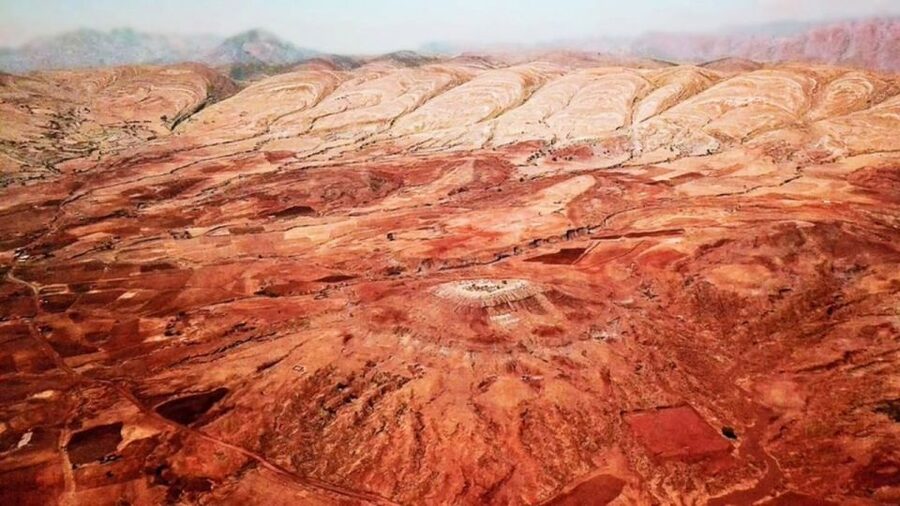
After the Inca trail walking, you’ll ride onward to the Maragua Crater area. This is where the day shifts from trail to dramatic geology.
You’ll have a vegetarian lunch here, and then you’ll visit La Garganta del Diablo for about 30 minutes. After that, the crater experience continues with a guided visit and short hiking time (the schedule lists around 45 minutes total for the crater segment).
What makes this part feel special is the way you slow down. The crater area gives you space to look longer: the rock formation stop gives you a clear visual landmark, and the light often changes quickly with the clouds. If you’ve ever been disappointed by tours that treat lunch like a checkbox, this one is set up so you actually eat, then move on thoughtfully.
The walking here is lighter than the Inca segment, but you’ll still want shoes that can handle uneven ground. Don’t pack these like you’re going to a city museum.
Jalqa culture: the weaver moment (when available)
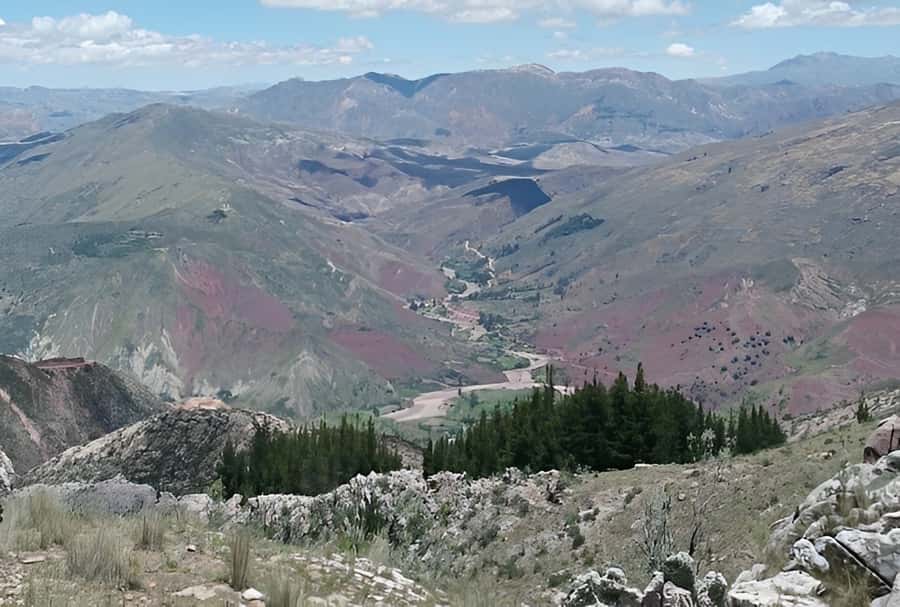
A standout theme of this tour is the Jalqa culture connection. Part of the experience is learning about traditional villages and the cultural practices that shape daily life in the region.
If a weaver is available, you may get a chance to see her work and hear explanations about the art and meaning behind it. The tour description frames this as an option depending on availability, so you should treat it as a bonus rather than a guaranteed “show.”
Still, even without the weaving demo, you’re guided through the culture lens. Guides like Pablo have been praised for connecting plants, animals, and indigenous life to the places you see, which helps the day feel more grounded than a checklist.
Dinosaur footprints: what to do with 2 quiet hours
The final major visit is to the dinosaur footprints site, with about 2 hours on the ground. This is the part people often expect to be the whole tour. The smart surprise is that it’s placed last, after you’ve already built context through hiking and cultural stops.
When you arrive, take your time. Look first from a distance, then closer. That simple routine helps you see the footprint patterning and how the footprints sit in the rock surface. With enough time on site, you can also ask your guide questions and not feel rushed out of the experience.
This last stop is also a good “wrap your brain” moment. By the time you’re standing there, your day is no longer just about distance and timing. You’re watching how something ancient got preserved, and you’re doing it after a full day of walking and learning.
Getting comfortable at 2,900 meters: what to bring and how to plan
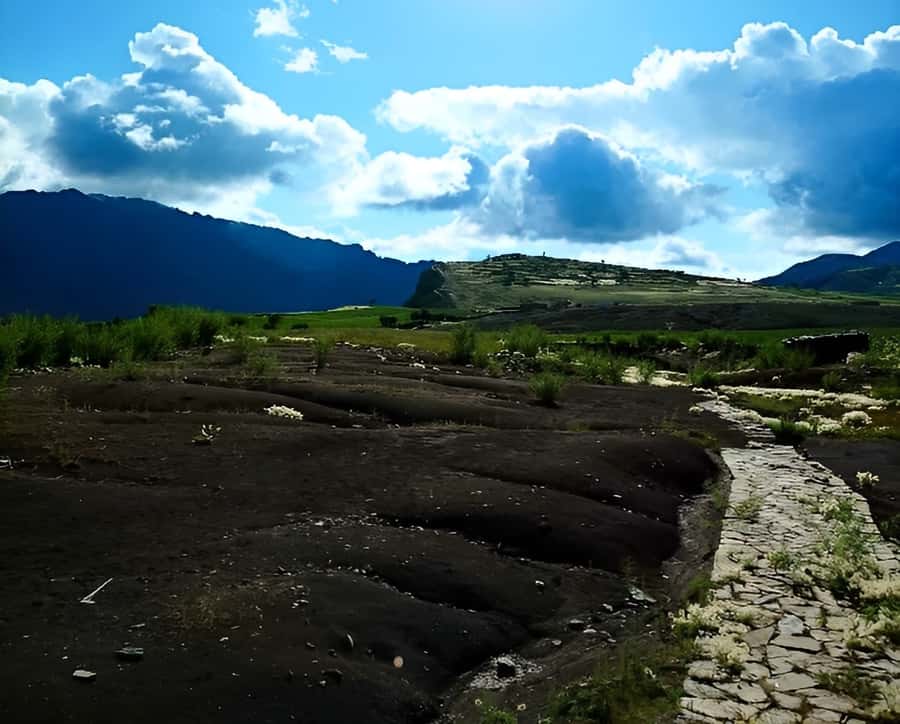
Altitude is part of this trip’s reality. Most trekking happens around 2,800 to 3,000 meters, and the schedule includes about five hours of walking with some sections covered by private transportation. You don’t need to be an endurance athlete, but you do need to be ready for a high-altitude day where your legs burn a little sooner than you expect.
Here’s what you should bring, based on what the tour asks for:
- Hiking shoes with traction
- Sunscreen (the sun at altitude is no joke)
- Passport or a copy accepted
- Flashlight
- Waterproof bag
- Plan for rain or shine
Also, pay attention to the small-but-important detail: water is not included, and neither is breakfast or snacks. That means you should pack a water bottle you can actually carry on you, plus a snack plan for the gaps between meals. The lunch is included, but don’t assume your energy will hold until then.
Price and value: where the $94 goes
At $94 per person for a day that lasts about 10 hours, the key value isn’t just the sightseeing—it’s the logistics.
You’re paying for:
- Hotel pickup and drop-off in Sucre
- Private transportation (including multiple drives between stops)
- An English or Spanish guide
- Entry tickets for the Inca trail, Maragua, and the dinosaur footprints site (the included ticket value is listed as $10)
- Lunch (vegetarian)
In other words, you’re not just booking attractions. You’re booking a guided route that moves you between sites far enough apart that DIY would be a headache.
One caution on value: some people have noted that the jeep can feel old and the roads bumpy. That’s not a dealbreaker for most, but it is part of the comfort equation. If you’re prone to car sickness or you dislike jolty rides, bring your own motion-comfort plan.
Who this tour is for (and who should skip it)
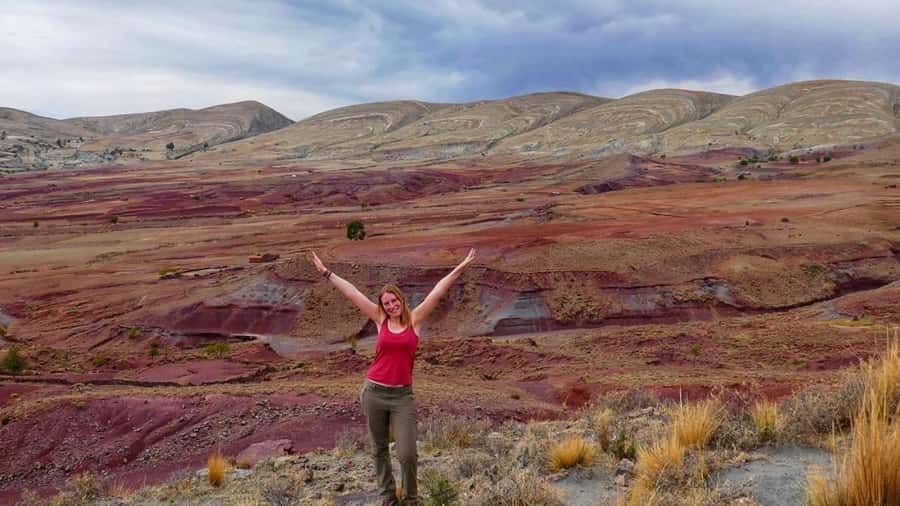
This trek fits best if you want a one-day dose of history, culture, and geology without adding extra nights in remote areas. It’s a smart choice for people staying in Sucre with limited time and strong curiosity.
It’s also well suited to travelers who like guidance. Multiple guides—Walter, Dinelsa, Pablo, Lee, Lizandro—have been singled out for being friendly and full of information, and that matters because you’ll get more from the Inca trail and crater stops when someone helps you read what you’re seeing.
On the other hand, it’s not suitable for:
- children under 9
- pregnant women
- people with mobility impairments
- wheelchair users
If you’re unsure about your fitness level, focus on this question: can you comfortably handle about five hours of walking at high altitude, even with breaks and short vehicle segments?
Should you book the Sucre Maragua and Inca Trail day trek?
Book this if you want one day that hits all three: a real Inca trail walk, Maragua Crater with La Garganta del Diablo, and dinosaur footprints, all paired with Jalqa culture context. The mix of guided storytelling plus real time on the ground makes it feel like more than a drive-by tour.
Skip it if you’re looking for an easy, minimal-walking day or you know you’ll struggle with altitude and long hours outdoors. And if you’re picky about ride comfort, be ready for the bumpy-road reality.
One last practical tip: pack for weather and altitude even if the sky looks friendly. Rain or shine is part of the deal, and at 2,900 meters, conditions change faster than you think.
FAQ
How long is the Sucre trek to the Maragua Crater?
The experience runs for about 10 hours.
What time does the tour start?
Pickup is scheduled for around 8:30 in the morning, and the departure time may vary depending on weather.
How much of the day is walking?
Some parts are walked for a total of about five hours, while other segments are covered by private transportation.
What are the main stops during the day?
You visit the colonial chapel of Chataquilla, hike the Camino del Inca, pass through a Chaunaca stop, reach the Maragua Crater area (including La Garganta del Diablo and lunch), then visit the dinosaur footprints site, before returning to Sucre.
What’s included in the price?
Hotel pickup and drop-off, private transportation, an English or Spanish guide, entry tickets for the Inca trail, Maragua, and dinosaur footprints (listed as $10), first aid kit, and lunch.
Is breakfast or water included?
No. Breakfast, water, and snacks are not included.
What should I bring?
Hiking shoes, sunscreen, passport (copy accepted), flashlight, and a waterproof bag.
What languages do guides speak?
Guides are listed as available in English or Spanish.
Is it suitable for children or mobility needs?
It is not suitable for children under 9, pregnant women, people with mobility impairments, or wheelchair users.