REVIEW · KATHMANDU
Annapurna Base Camp Trek -13 Days
Book on Viator →Operated by Himalayan Adventure Treks and Tours Pvt Ltd · Bookable on Viator
The Annapurna Base Camp route feels human. This private 13-day package is built around tea-house trekking at a steady pace, with land transfers and Kathmandu/Pokhara hotels handled for you. You get a real taste of Nepal along the way: mountain sunrise hikes, village trails, hot springs, and a proper farewell dinner with a cultural performance.
I especially like the way this trip reduces friction. Permits and fees (TIMS + ACAP) are taken care of, and all meals on the trek are included, so you’re not constantly doing math in a mountain lodge.
One thing to consider: you still need moderate fitness for steep trail sections and altitudes up to roughly 4,170m at base camp, plus an early-morning push for Poon Hill. If you’re new to trekking, it helps to train a bit before you come.
In This Review
- Key things you’ll notice on this Annapurna Base Camp trek
- Getting set up in Kathmandu and Pokhara (so the trek starts easier)
- Transfers, lodging, and the guide/porter team that keeps things calm
- Day 1 to Day 2: Kathmandu arrival, then Pokhara’s first mountain views
- Days 3 to 4: Nayapul and Ulleri trails—first climbs and first big viewpoints
- Day 5: Poon Hill sunrise—early miles for a sky-full payoff
- Days 6 to 7: Tadapani to Chhomrong, then Sinuwa and Himalaya
- Days 8 to 9: Approaching base camp at 4,170m, then returning to Bamboo
- Days 10 to 11: Hot spring recovery and the Modi Khola return route
- Day 12 to Day 13: Cable car vibes, Manakamana area, and a farewell dinner
- Permits, included meals, and what this package actually covers
- Price and value: how $1,200 fits what you get
- Who should book this Annapurna Base Camp trek, and who should think twice
- Should you book this Annapurna Base Camp trek?
- FAQ
- What’s included in the trek package?
- Do I need to arrange my own permits for Annapurna?
- Is this a private trek?
- Are vegetarian meals available?
- How difficult is the fitness level for this trek?
- What time does the experience start?
Key things you’ll notice on this Annapurna Base Camp trek
- Private group setup with 1 porter for 2 clients, so you keep walking focus while your load stays lighter
- Kathmandu + Pokhara hotels (3-star) included before and after the trek, with breakfast
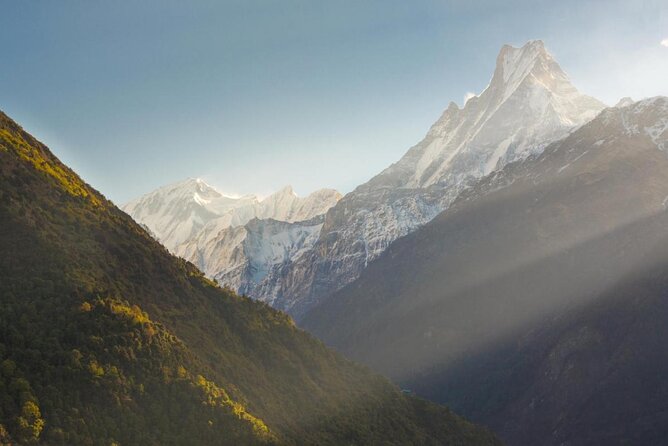
- Poon Hill sunrise with big-name peaks on the horizon, then a continuation toward the main trek
- Tea-house rhythm that keeps you fed and sheltered day to day, rather than improvising
- TIMS and ACAP permits handled, plus paper work and a travel rescue arrangement
- A return route that includes hot springs at the Modi Khola for post-trek recovery
Getting set up in Kathmandu and Pokhara (so the trek starts easier)
This is one of those itineraries where the prep matters almost as much as the walking. You land at Tribhuvan International Airport in Kathmandu, then you’re picked up and transferred to your hotel. On Day 1 you’re not expected to do anything heroic—just get oriented and meet your trek crew.
Then comes the Pokhara transition. You drive to Pokhara and get that first real mountain mood: glimpses of the white peaks in the Annapurna and Dhaulagiri ranges, plus an evening walk around Fewa Lake. That matters because Pokhara is where you start feeling like Nepal is bigger than a weekend story. It’s also where your body gets used to being in the rhythm of the mountains—moving, eating on schedule, sleeping well.
You’ll have two nights in Kathmandu and two nights in Pokhara (both in 3-star hotels, breakfast included). For many trekkers, this smooth buffer is what turns a “plan” into a trip you actually enjoy.
You can also read our reviews of more tours and experiences in Kathmandu.
Transfers, lodging, and the guide/porter team that keeps things calm
The practical win here is that the logistics aren’t left to luck. You get airport pickup, private land transfers, and all the on-trek lodging arranged in tea houses/lodges. That means no last-minute negotiations on room type, no searching for availability when you’re tired, and fewer decision points when you’d rather just keep moving.
Your trek leadership is also a major part of comfort and safety. This package includes an experienced guide and porters—listed as 1 porter for 2 clients. In plain terms: you’re not dragging every item up the trail yourself. You’ll also have a duffle bag service (returned after the trek), which is the kind of small system that prevents “why am I carrying this?” chaos.
In operator feedback, the names that pop up include guides like Prakash Adhikari and Bharat Simkada, plus support people such as Badri Kakri, porters like Perlad/Parlad, and others including Surman, Manoj, and Urken Sherpa. That kind of consistency is a good sign when you’re trekking in remote areas where local expertise counts.
Day 1 to Day 2: Kathmandu arrival, then Pokhara’s first mountain views
Day 1 is arrival and sleep. You land, a company representative meets you, and you’re transferred to your hotel. Evening time is for meeting the group, checking gear, and getting your head around the fact that tomorrow you’ll be leaving the city behind.
Day 2 shifts you toward the Annapurna region. After a drive, you get a relaxing afternoon window and then the option of an evening walk around Fewa Lake. I like how this isn’t built like a jam-packed sightseeing tour. It’s more about setting your pace and letting you settle in—so when the trek starts, you’re not already exhausted.
If you’re the type who wants a little Nepal flavor without turning your trip into a checklist, Pokhara is a smart start.
Days 3 to 4: Nayapul and Ulleri trails—first climbs and first big viewpoints
Day 3 begins with a drive to Nayapul (around 1,050m), then you start trekking toward Tirkhedhunga (about 1,570m) via Birethanti, with the Ulleri option built in. The early part of this trek has that classic “warm up, then work” feel. You’ll be walking a few hours to get to the next stopping area, and if you want the extra effort, Ulleri’s hill can be added.
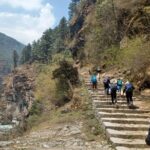
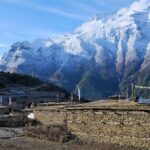
Day 4 is your first longer stretch of uphill effort. The trail starts with a steep ascend for about two hours, then eases into village passing. On clear days, you’ll see stand-out peaks like Machhapuchhare (Fish Tail), Himchuli, and Annapurna South, among others. It’s a good reminder that this trek isn’t just about reaching base camp—it’s about collecting mountain views along the way.
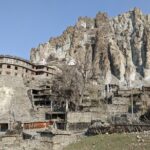
There’s also a culture layer here: Magar villages appear along your path. You’re moving through lived-in places, not staged attractions, and that changes the feel of the hike.
A small consideration: the first days can be mentally deceptive. It’s easy to think, oh, this is fine, and then realize your legs are doing more work than your brain expects. Keep your pace controlled early, and you’ll thank yourself later.
Day 5: Poon Hill sunrise—early miles for a sky-full payoff
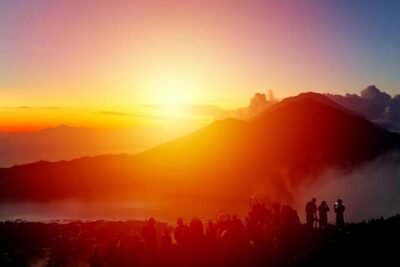
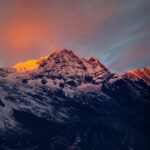
This is the day people remember. You hike up to Poon Hill (about 3,210m) early in the morning for sunrise. The view is the headline: the sunrise over Mt. Dhaulagiri and a long list of nearby peaks, including Annapurna I and South, Machhapuchhare, and Lamjung Himal, plus others like Nilgiri and Varaha Shikhar.
Why it’s worth it: Poon Hill is basically a training wheels version of the main trek. You’re gaining altitude and testing your cold tolerance, but the reward is immediate and visual. Also, it sets expectations. After seeing the range light up, Annapurna Base Camp stops feeling like a distant concept.
Just be ready for the practical side: sunrise hikes start early, and your body will feel it. Bring warm layers and keep moving steadily rather than sprinting to stay warm.
Days 6 to 7: Tadapani to Chhomrong, then Sinuwa and Himalaya
Day 6 is one of the defining segments: trekking from Tadapani to Chhomrong takes around 5–6 hours and covers about 7–8 kilometers. The route mixes forest stretches and village sections, with big mountain views woven in. Chhomrong is a real rest moment under the Annapurna range. This is also where the village character shows up strongly—Chhomrong is described as popular for Gorkhas and yes, it’s even known for pizza, so if you want comfort-food energy after days on a trek diet, this is one of your better chances.
Day 7 is about leaving Chhomrong and pressing into the deeper trail. You descend stone staircases, then move across a rocky section where stinging nettles are mentioned as a hazard—so keep your trail posture careful and your clothing sensible. The route reaches Sinuwa (a check post around 2,350m), with hotels there, then descends into bamboo and rhododendron forests. You finish the day at Himalaya (about 2,920m).
This is a good day to watch your hydration and breathing. Descents can feel easy until your quads protest on the next section. Let your guide set a calm pace and you’ll save your legs for the approach to base camp.
Days 8 to 9: Approaching base camp at 4,170m, then returning to Bamboo
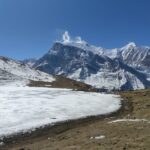
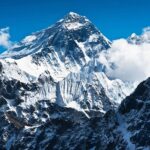
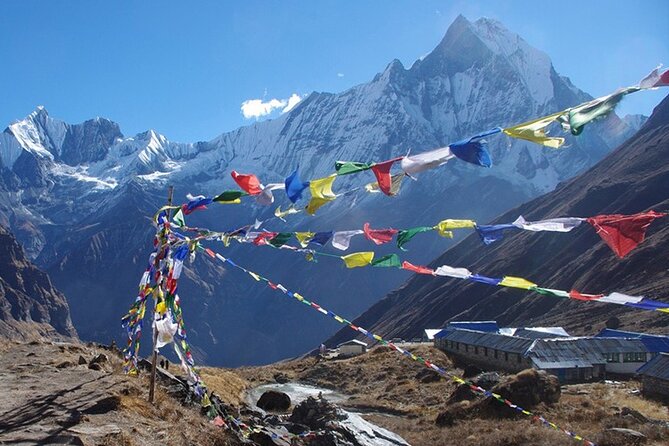
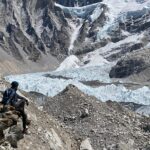
Day 8 is the approach day with the kind of views that make you quiet. The trail passes through alpine forest, and the scenery includes heavy-hitter peaks like Hiunchuli, Annapurna I, Annapurna III, Gangapurna, and Machhapuchhare. As you get closer to Annapurna Base Camp (around 4,170m), you start seeing a wide panoramic set of ridgelines that feels bigger than you expected.
Day 9 is a classic base camp morning: sunrise views and the mountain spread around the glacier and valleys, then breakfast at base camp before walking down to Bamboo (around 5–6 hours). Downhill day travel is where trekkers either feel great or feel wrecked, depending on pacing. If you stick to steady steps and don’t rush, you’ll arrive with enough energy to enjoy the tea-house reset.
Days 10 to 11: Hot spring recovery and the Modi Khola return route
Day 10 mixes descent, climbs, and a long walk toward a recovery moment. You head through forests with rhododendron, oaks, and bamboo, then you climb up to Kuldi Ghar and level out until reaching Sinuwa. From there it’s down toward Chhomrong Khola, with stone staircases, then a steep descent toward Jhinudanda. The highlight at the end of the day is the walk to hot spring on the bank of the Modi Khola, where you can unwind.
This hot spring isn’t just a nice perk. It’s a practical recovery tool for sore feet and tired legs. If your trip includes calves-and-ankles stiffness, this stop can make the last hiking days feel lighter.
Day 11 is your “wrap the loop” day. You descend while watching waterfalls early on, then the trail climbs gently over streams and terraces. You reach Birethanti (around 1,025m) and continue with a gentle ascent toward Nayapul along the Modi river.
By this point, you’ve earned a return route that feels like homecoming instead of survival.
Day 12 to Day 13: Cable car vibes, Manakamana area, and a farewell dinner
After trekking, the itinerary shifts back into Nepal travel mode. Day 12 includes heading up toward places like Damauli, Dumre, Muglin, and Kurintar, where Nepal’s first cable car connects to the Manakamana Temple area. Then you climb from Naubishe to Thankot, described as the gateway to Kathmandu. Even if you skip parts of the sightseeing energy, the drive itself gives you that contrast: from high-altitude trails to roads and everyday life.
That evening you get a farewell dinner at an authentic Nepalese restaurant with a cultural performance. It’s a meaningful transition. You’ve done the hard part; now you get to celebrate it with food and music rather than rushing to pack.
Day 13 is departure day. You’ll be taken to the airport about three hours before your scheduled flight, so you’re not sprinting through Kathmandu traffic while counting carry-on items.
Permits, included meals, and what this package actually covers
This package is built to remove the biggest “unknowns.” You’re covered for:
- TIMS and ACAP permit and necessary paper work
- Trek lodging in lodges/tea houses
- Lunch, dinner, and breakfast during trekking
- A first aid kit and medical supplies, plus a travel rescue arrangement
- Government taxes
You’re also given a duffle bag (returned after the trek) and company T-shirts. Those small items matter more than they sound when you’re moving daily and trying to keep your kit organized.
What’s not included is also clear. You’ll handle things like Nepal visa fee, international flights, insurance, tips for your guide/porter, and personal expenses such as phone calls, laundry, and buying bottle or boiled water. Having that list helps you budget realistically instead of imagining the mountain version of room service.
Price and value: how $1,200 fits what you get
At $1,200 per person for a private 13-day trek, the value comes from what’s bundled in. You’re not just buying walking days. You’re paying for:
- Kathmandu and Pokhara hotel nights (2 each, in 3-star properties with breakfast)
- Private transfers and land logistics
- On-trek lodging plus full meals during the trek
- Permits (TIMS + ACAP), paper work, taxes
- A guide and porter support structure (including the 1:2 ratio)
- Rescue arrangements and basic medical support
If you tried to DIY this without a guide, you’d quickly run into permit setup, lodging coordination at altitude, and the question of who manages your day-to-day routing. Here, those problems are handled in advance, which is exactly what you want when the trail is remote and your energy is finite.
The biggest value question for you is simple: do you want to spend your attention on hiking and views, or on admin and logistics? This package is for the “hike-first” crowd.
Who should book this Annapurna Base Camp trek, and who should think twice
This private package suits you best if:
- you want a moderate-fit trek with structured support
- you like tea-house trekking where meals and beds are arranged
- you’d rather have a guide handle permits and paperwork
- you want a balanced rhythm: city comfort, trail effort, hot-spring recovery, then an easy return
You might think twice if:
- you expect a flat, gentle walk. The route includes steep climbs and stair-heavy segments
- you’re not comfortable with early mornings (Poon Hill sunrise) and higher altitude days
Should you book this Annapurna Base Camp trek?
I’d book it if you want a clear, managed way to reach Annapurna Base Camp without turning your trip into a logistics project. The mix of Kathmandu/Pokhara hotel comfort, on-trek tea-house lodging, included meals, and permit paperwork handled makes this feel practical, not fragile.
Before you commit, do two things: plan your fitness for steep days, and budget for the items listed as not included (visa, insurance, tips, water, and personal expenses). If you do that, you’ll spend your energy where it belongs—on the trail, the sunrise, and the long mountain views when the world goes quiet.
FAQ
What’s included in the trek package?
The package includes airport pickup and private transfers, two nights in Kathmandu and two nights in Pokhara in 3-star hotels with breakfast, TIMS and ACAP permits, tea-house/lodge accommodations during the trek, and lunch, dinner, and breakfast during the trekking days. It also includes an experienced guide, porters (1 porter for 2 clients), paper work, a first aid kit, travel rescue arrangements, duffle bag service, and a farewell dinner with cultural performance.
Do I need to arrange my own permits for Annapurna?
No. TIMS and ACAP permits and the necessary paper work are included.
Is this a private trek?
Yes. It’s listed as a private tour/activity, with only your group participating.
Are vegetarian meals available?
A vegetarian option is available. You should advise the company about dietary requirements at booking.
How difficult is the fitness level for this trek?
The trek is recommended for travelers with a moderate physical fitness level.
What time does the experience start?
The start time is listed as 7:00 am, with the start point at Tribhuvan Airport in Kathmandu.