REVIEW · SENARU
3d/2n trekking mount rinjani summit lake & hot springs
Book on GetYourGuide →Operated by Mount rinjani summit · Bookable on GetYourGuide
A sunrise on Rinjani feels earned. This 3D/2N trek strings together sunset at the crater rim, a fast summit bid, then sunrise views that make the hard parts feel worth it.
I also like that the experience doesn’t stay one-note. You get the big open-air feeling of the Sembalun approach, then a crater-lake payoff at Lake Segara Anak. After that, you add a warm reset with the hot springs stop after lunch.
The big consideration is effort. The full 3D plan stacks a steep summit climb with another punishing push down toward the lake and the second campsite, and that can feel like a marathon day even if you’re fit.
In This Review
- Key highlights you’ll actually feel
- Why this 3D/2N Rinjani route is so popular
- Route choice: Sembalun vs Senaru gates (and why it affects your plan)
- Day 1 from Sembalun registration to 2,639 m crater rim camp
- Day 2: the 3 a.m. summit push, then Lake Segara Anak hot springs
- Day 3 descent: lush forest down to Senaru by about 1 pm
- Price and what you get for $141 (and what costs extra)
- Gear, fitness, and weather: your comfort plan
- Who this trek fits best (and who should reconsider)
- Should you book this 3D/2N Mount Rinjani trek?
- FAQ
- What is the duration of this Mount Rinjani trek?
- Where does the trek start and end?
- What time do you get picked up?
- What time do you climb to the summit on Day 2?
- What’s included in the price?
- What costs extra?
- What should I bring for the trek?
Key highlights you’ll actually feel
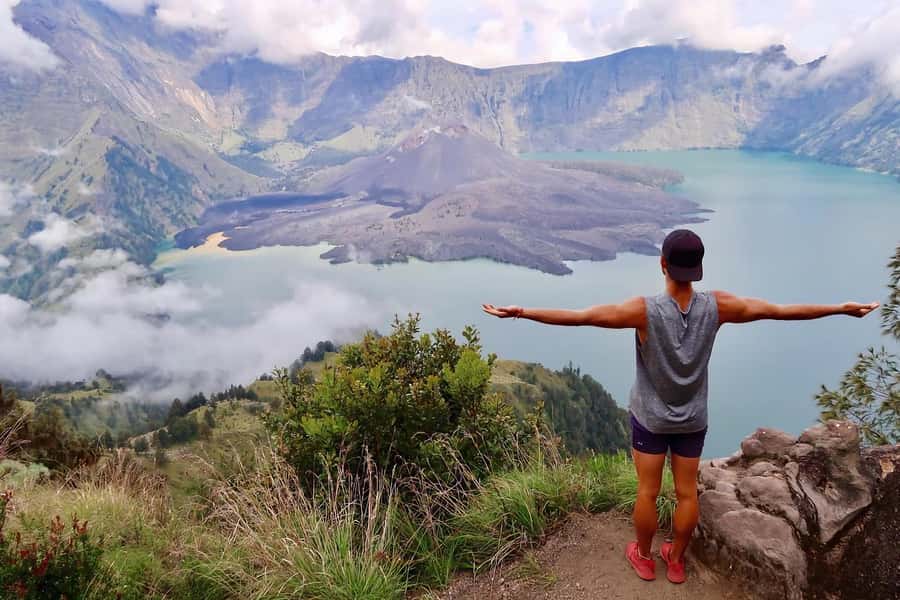
- Sembalun grass savanna at altitude: wide-open views early on, before the air and terrain get serious
- Crater rim camping with sunset/sunrise views: you sleep at about 2,639 m and 2,641 m for those big moments
- 3 a.m. summit timing: a short-notice, headlamp-required climb to 3,726 m
- Lake Segara Anak + hot springs: crater scenery with a warm-water stop right after lunch
- Senaru crater rim panorama: views across the lake and toward Gunung Baru, plus sights out toward Bali and the Gili Islands
- Porters and cooking setup: you carry less, and your guide handles the schedule and pacing
Why this 3D/2N Rinjani route is so popular
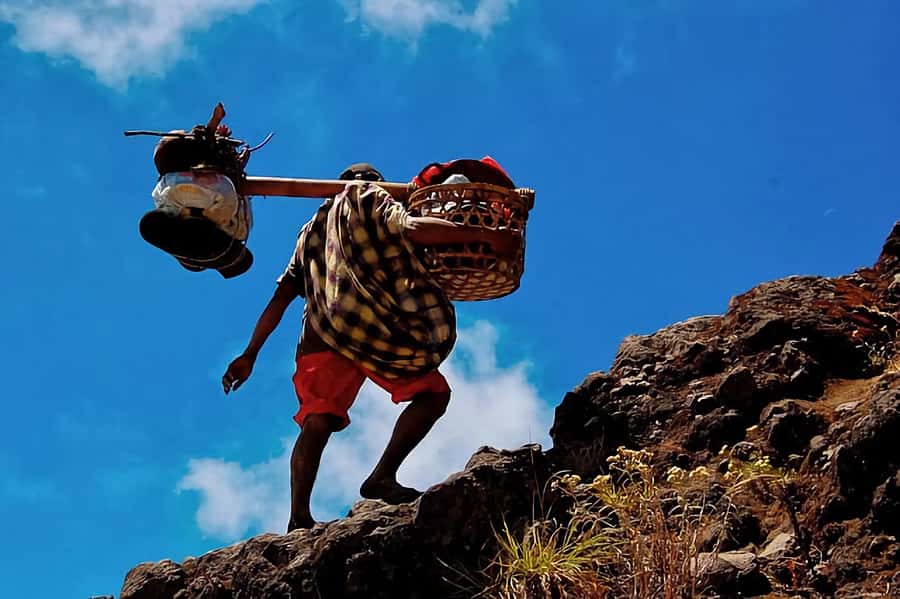
Mount Rinjani is the classic Lombok volcano trek for a reason: it hits your senses in waves. You start with open savanna, then slide into crater drama, then wake before dawn and climb into the sky. The schedule is built around two payoff moments—crater sunset and summit sunrise—so you’re not trekking for hours just to see one viewpoint.
This particular 3 days / 2 nights option is also designed as a full-circle experience. You explore multiple sides of the mountain, and you return to Senaru by mid-afternoon on Day 3 (about 1 pm). If you like your volcano trips with structure—start, climb, camp, crater lake, then back down—this route fits.
Value-wise, the trek is priced at $141 per person, and that number matters because you’re getting more than a guide. You’re also getting the camping system (tents, mattresses, sleeping bags, toilet tent), porters who handle cooking and gear, trekking poles, and daily meals plus water. The park entrance fee is separate, but even with that, you’re usually paying for a real on-the-mountain setup rather than just a walking buddy.
You can also read our reviews of more tours and experiences in Senaru.
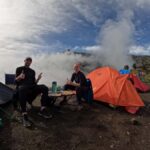
Route choice: Sembalun vs Senaru gates (and why it affects your plan)
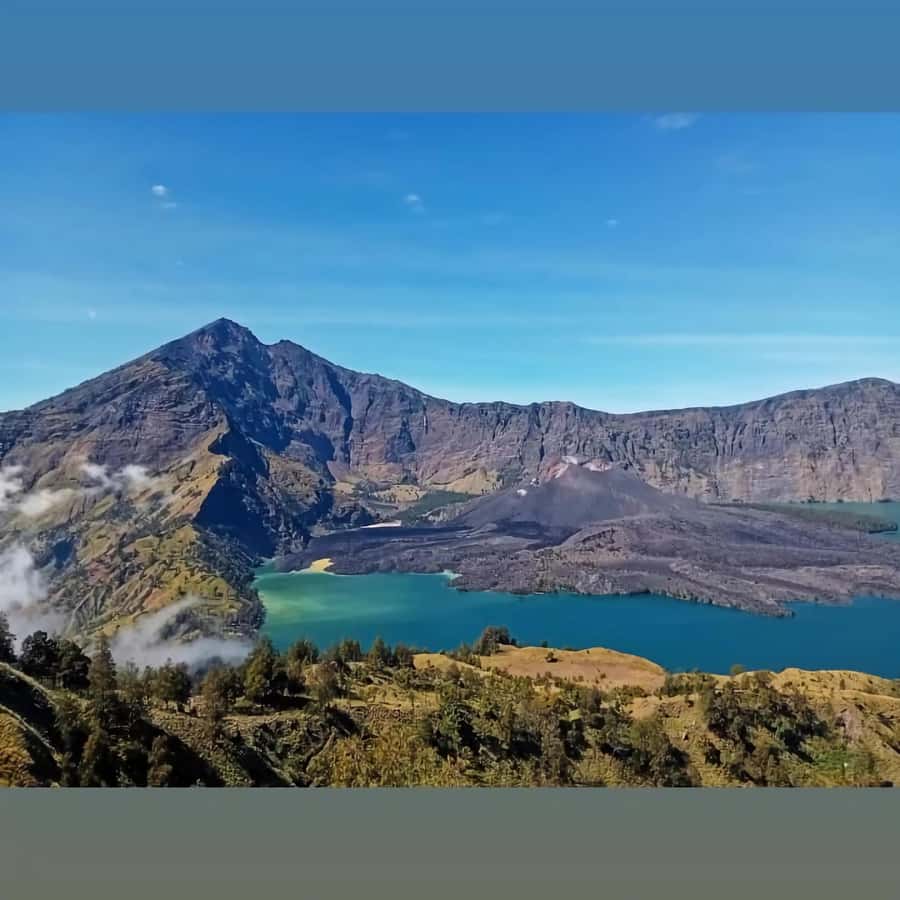
The trek starts from Senaru Gate or Sembalun Gate, depending on ticket availability. The idea is simple: operators need to work with gate permits, so your start/end may shift.
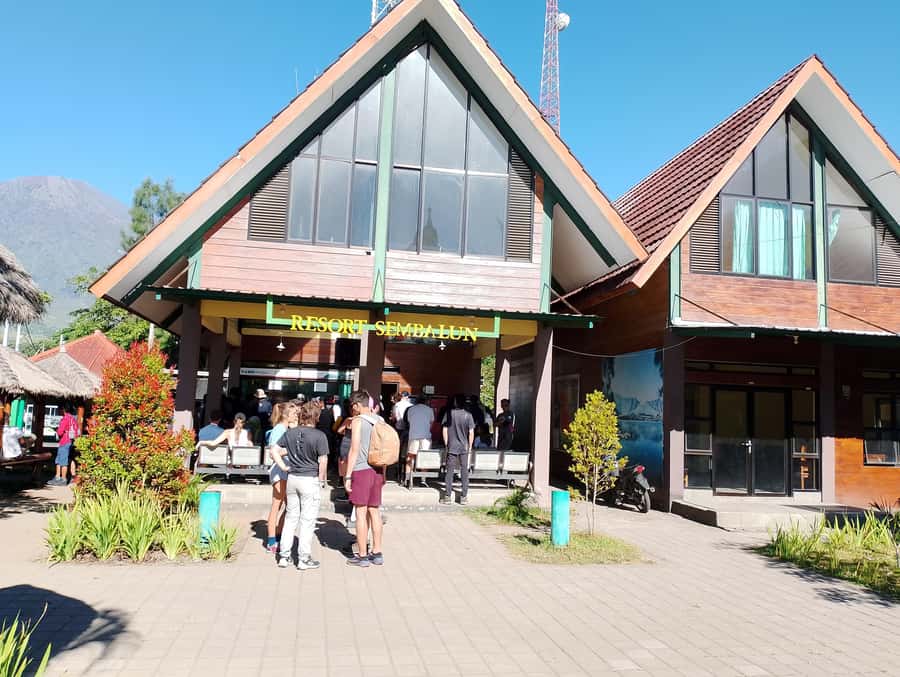
In the most common pattern described here, you’re picked up in Senaru at 07:00, then travel by 4WD to Sembalun. You register at the Rinjani Trek Centre in Sembalun at about 1,156 m, then begin Day 1’s walk uphill through grasslands.
If you’re staying in Sembalun, pickup is listed as 08:30. That can reduce early travel stress on your first morning.
What you should care about: the terrain changes based on where you start.
- Sembalun approach gives you early big grass views, and it sets expectations for long hiking legs.
- Senaru side later adds denser, more tropical forest sections on the descent, which can feel cooler and wetter (and sometimes more slippery).
Either way, the itinerary is consistent about the crater rim camps, the summit wake-up, and the Lake Segara Anak stop.
Day 1 from Sembalun registration to 2,639 m crater rim camp
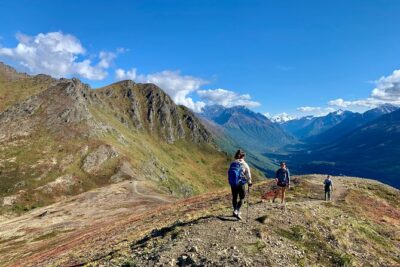
Day 1 is about getting your body used to Rinjani’s altitude and rhythm. After pickup and 4WD transfer, you register at the trekking centre in Sembalun (1,156 m). Then you begin with undulating open grasslands—not a flat stroll, but you can breathe and settle into the climb.
You’ll have rest pauses at set points:
- Pos 1 and Pos 2 for short breaks and snacks
- Pos 3 (about 1,800 m) for a longer stop and lunch
Then comes the steep shift: after lunch, the trail climbs toward the crater rim. This is where Rinjani starts to feel like a real volcano trek rather than a scenic hike.
By evening, you camp at Sembalun Crater Rim (about 2,639 m). That’s the first night for your crater views: you’re positioned for sunset, with Lake Segara Anak, the summit area of Rinjani, and big northern Lombok views in the mix.
Practical note: you’ll likely get cold after dark at those heights. The trekking package includes sleeping bags and mattresses, but it still pays to bring a jacket and long pants from the packing list.
Day 2: the 3 a.m. summit push, then Lake Segara Anak hot springs
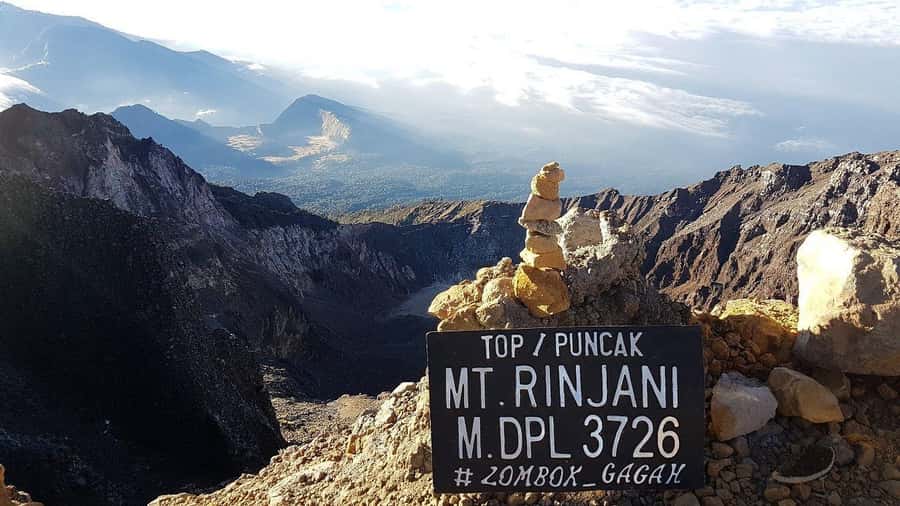
Day 2 starts early: wake at 3:00 a.m. for a light breakfast, then begin the challenging summit trek. The itinerary estimates about a three-hour climb to the summit at 3,726 m.
This is the part you’re really planning for. Expect a headlamp-and-gloves kind of morning. The goal isn’t speed. It’s timing: you’re aiming to arrive in time for sunrise, which is described as the best view from the summit.
After sunrise, you don’t just celebrate and stop. You return to your campsite on the crater rim for a hot breakfast and a rest. Then the route turns into crater travel.
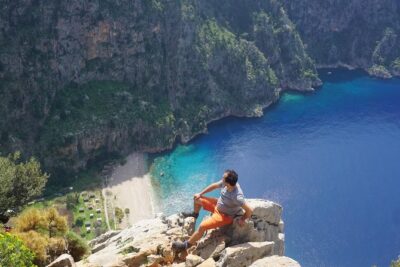
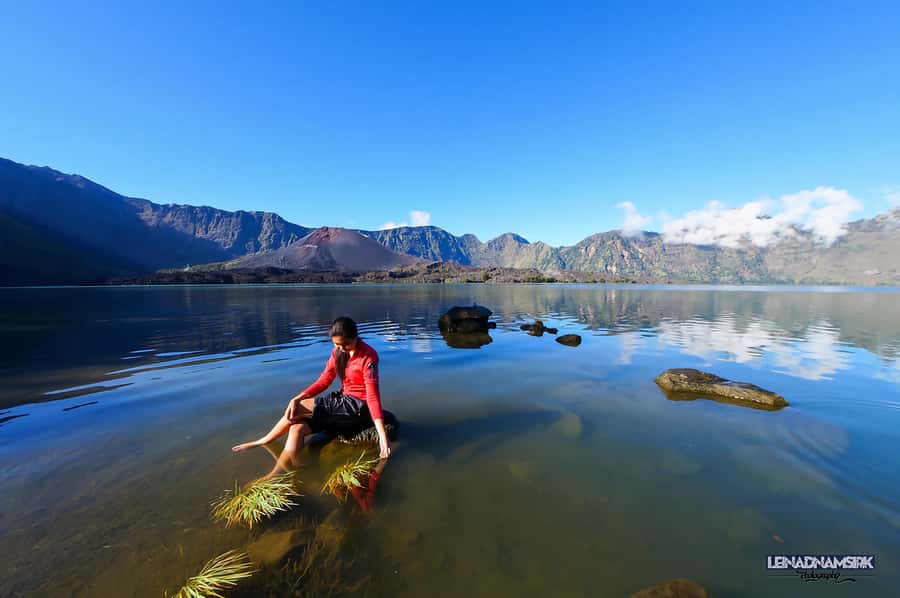
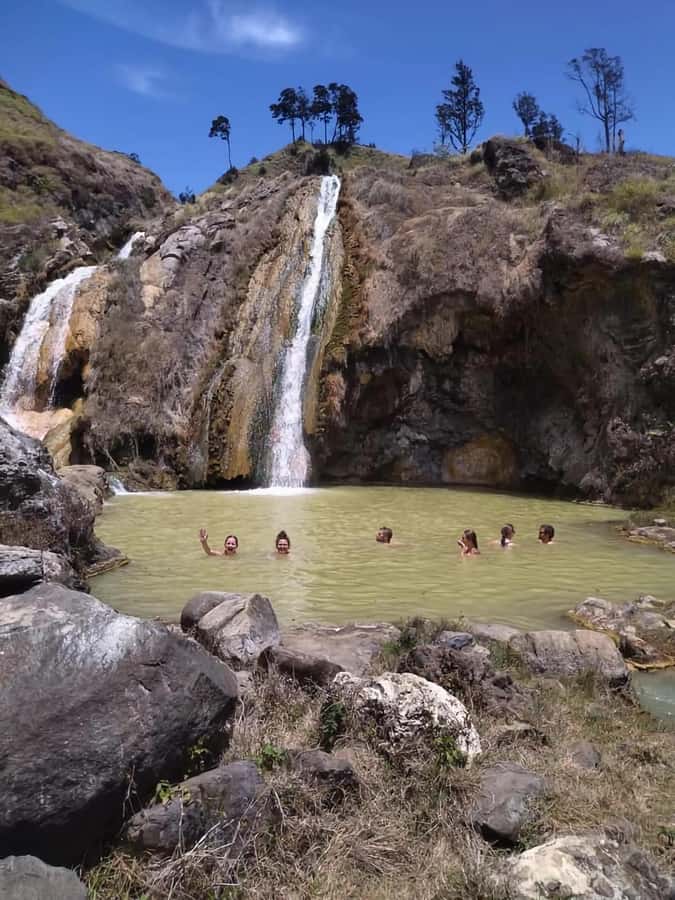
Next: you descend into the crater to Lake Segara Anak (around 2,000 m). Lunch is on the shore, and you also get time to swim in the hot springs—described as for a few minutes. This is a key moment because it’s not a long soak day. It’s more like a warm reset between hard segments.
Then you continue trekking around the lakeshore, followed by a steep climb out of the crater. That part is usually the one people underestimate, because you’re still working while you’re mentally on “sunrise mode.”
By late day, you reach Senaru Crater Rim (about 2,641 m) for dinner and your second night camp. Here’s where you get one of the trek’s most interesting view packages:
- across-the-lake views back toward the summit area
- a vantage point for Gunung Baru (the small volcanic cone inside the crater)
- views that can reach toward Mount Agung in Bali and the Gili Islands
Also, dense forest shows up more on this side, so the air and footing can feel different than the savanna start.
One caution from the reality of the schedule: this 3D plan includes a long walk after the summit. Plan for a grind that can run over seven hours on the post-summit portion before you settle into the second campsite. If you’re thinking the summit is the hard part only, adjust your expectations.
Day 3 descent: lush forest down to Senaru by about 1 pm
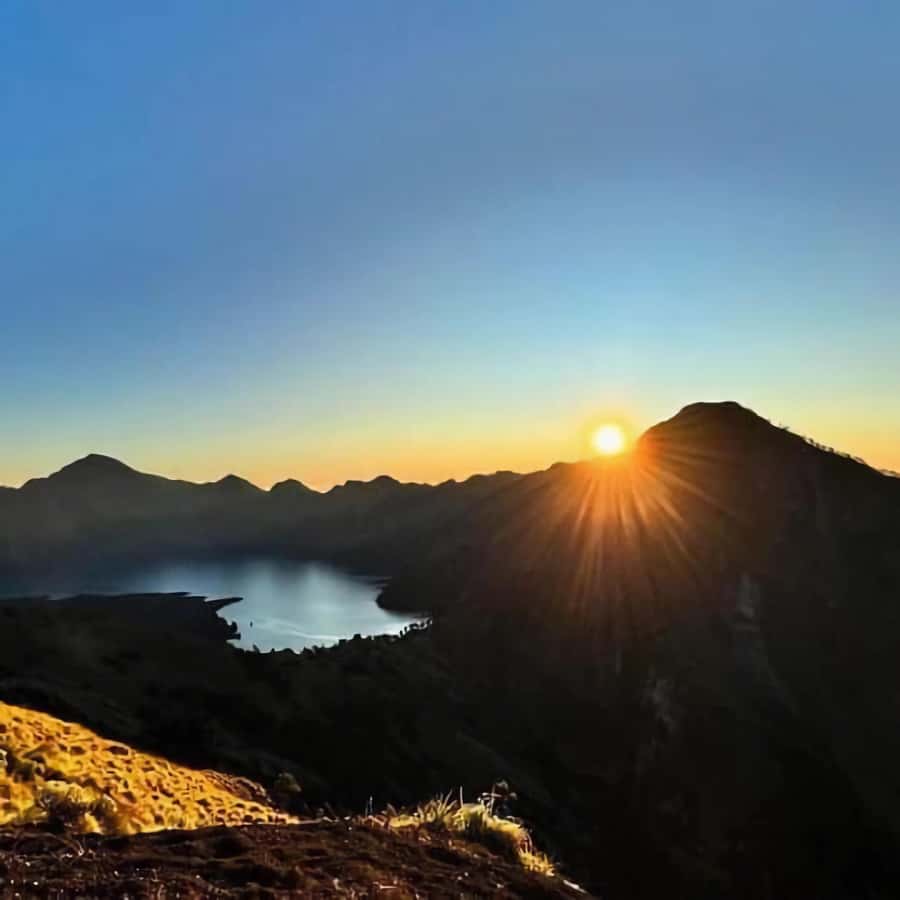
Day 3 is technically “just” the return, but it’s still a real descent. You start with breakfast, then begin going down using rest points:
- Pos 3
- Pos 2
- Pos 1
There’s also a longer break for lunch along the way.
As you go lower, the description says the forest becomes thicker and increasingly lush. That can make the trek feel scenic again, but it also means you’ll likely deal with uneven ground, roots, and possible dampness. Trekking poles can help a lot here, and they’re included.
You arrive in Senaru (around 601 m) at approximately 1 pm. That early finish is one of the nice logistical advantages. You’re not crawling back into town at sunset.
And yes, you get transfer support after the trek: drop-off is included to Senggigi, Bangsal Port, and Mataram, so you can keep moving without having to sort a ride while your legs are still mad at you.
Price and what you get for $141 (and what costs extra)
At $141 per person, this trek’s best value is that it’s a full working camp setup, not just a guided walk. The package includes:
- an experienced English-speaking guide
- porters who carry cooking gear and camping equipment
- meals (breakfast, lunch, dinner) across the trek
- water on the trek (listed as 3 liters mineral water per day per person)
- camping gear: tents, toilet tent and paper, sleeping bags, and mattress
- trekking poles
- head lamp/hand torch
- post-trek drop-off to Senggigi, Bangsal Port, and Mataram
What’s not included is important to budget early:
- National park entrance fee: IDR 200,000 per day per person
- raincoat
- trekking shoes
If you’re comparing options, this is the key way to think about it: you’re paying for a structured, multi-night trekking machine. The extra park fee is the only big “surprise” cost listed. Everything else is gear-and-food heavy, which is exactly what you want on an exposed volcano trek.
Gear, fitness, and weather: your comfort plan
Rinjani can change fast. Even if the days feel calm, mornings at altitude can feel brutally cold, and later descents can be wet or slippery.
Use the provided packing list as your base. The items that matter most on this specific trek are:
- jacket, gloves, and long pants (for early starts and cold crater air)
- sunglasses and hat (brightness at altitude is real)
- sunscreen and camera (you’ll want photos from the crater rim and summit)
- hiking shoes (trekking shoes aren’t included)
- head lamp/hand torch (included)
- power bank and cash (cash is explicitly listed)
Don’t ignore the “small” items. The headlamp matters on Day 2 because you’re climbing before sunrise. Trekking poles matter on Day 3 because you’re descending from crater rim back down through forest.
Fitness-wise, think “endurance and steady pacing,” not “athletic speed.” The route includes steep, rocky sections, dense forest, and a long day around the crater after summit. If you’re only comfortable doing a short hike in your home area, this 3D plan may feel like a rude awakening.
Who this trek fits best (and who should reconsider)
This 3D/2N trek fits you if:
- you want sunset + summit sunrise in one package
- you’re okay with camping at altitude twice
- you can handle a long day after the summit, including the crater-lake segment
- you like a guided plan and don’t want to manage camp logistics yourself
You might reconsider if:
- you’re expecting that 3 days equals easy pacing
- you prefer a shorter crater experience and less time on your feet
For some people, 2D trekking options are easier to manage because the full 3D itinerary includes the second crater rim night after the long post-summit segment.
Should you book this 3D/2N Mount Rinjani trek?
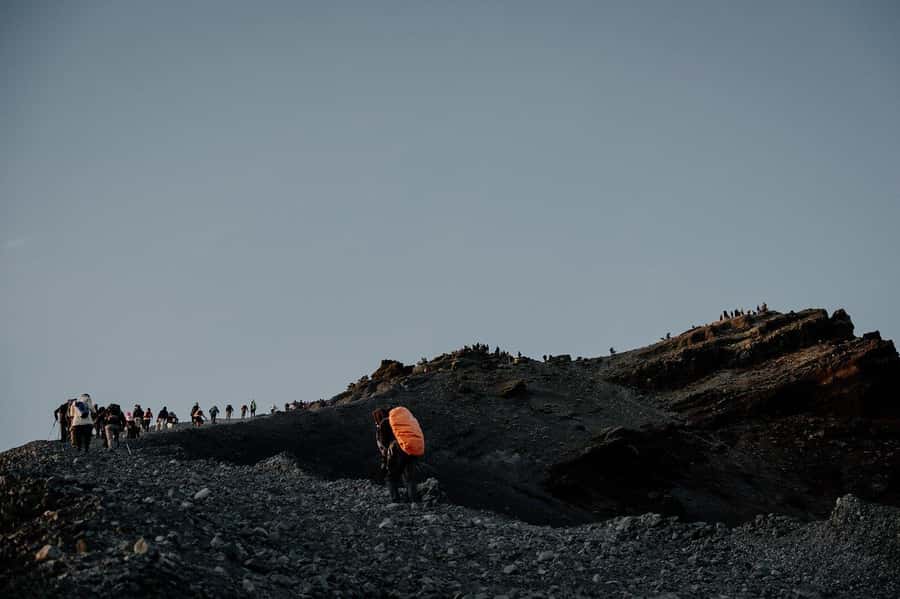
If you want the classic Rinjani highlights—Sembalun grass views, a dramatic Lake Segara Anak moment, and a true summit sunrise—this is the trek to book. The price makes sense because it includes camp gear, meals, poles, water, and the day-by-day setup.
But book it only if you respect the effort. The schedule includes early starts, steep terrain, and a long stretch after sunrise before the second campsite. If that kind of sustained work doesn’t match your current fitness, you’ll likely have a better time choosing a shorter option instead of forcing the full 3D loop.
FAQ
What is the duration of this Mount Rinjani trek?
It’s a 3-day program with 2 nights of camping.
Where does the trek start and end?
You can start from Senaru Gate or Sembalun Gate, depending on ticket availability. The program is designed so you end at the other side after the full circuit, with Senaru and Sembalun as the key endpoints.
What time do you get picked up?
If you stay in Sembalun, pickup is listed as 08:30. If you stay in Senaru, pickup is listed as 07:00.
What time do you climb to the summit on Day 2?
You wake at 3:00 a.m. and then begin the summit climb to 3,726 m for sunrise.
What’s included in the price?
Included are an English-speaking guide and porters, meals (breakfast, lunch, dinner), drinking water (3 liters mineral water per person per day), tents and other camping gear, toilet tent and paper, sleeping bags and mattress, trekking poles, head lamp/hand torch, and drop-off after the trek to Senggigi, Bangsal Port, and Mataram.
What costs extra?
The national park entrance fee is not included (IDR 200,000 per day per person). Also not included are a raincoat and trekking shoes.
What should I bring for the trek?
Bring essentials listed on the packing guidance such as passport, sunglasses, hat, hiking shoes, sunscreen, jacket, gloves, long pants, cash, hiking pants, sandals, and a camera and power bank.