REVIEW · SENARU
mount rinjani One day trek
Book on GetYourGuide →Operated by lombok trekking info · Bookable on GetYourGuide
Mount Rinjani can feel far away. This one-day Senaru crater-rim trek turns it into a fast, serious climb with views that spread wide. What I like most is the payoff at the top—crater-lake and volcano views from very high ground—and the fact that the day stays tightly managed with food, a guide, and proper gear support.
The main thing to consider is the physical load. The walk is steep and long enough that you’ll want real baseline fitness, and it’s not a good fit for people over 70.
In This Review
- Key points worth knowing
- One-Day Rinjani From Senaru: What You’re Really Signing Up For
- Hotel Pickup and the Climb Window: Timing That Matters
- The Ascent: Steep Trail, Roots, and the Kind of Burn You Earn
- The Crater Rim Payoff: Lunch at the Top and Views Over Rinjani
- Back Down to Senaru: The Part People Underestimate
- What the $138 Covers (and How to Judge the Value)
- Gear and Prep: What to Bring So the Hike Feels Like a Plan
- Guide Quality and Pace: Getting the Day You Need
- Who This One-Day Rinjani Trek Suits Best
- Litter on the Mountain: A Note on What You’ll See
- Should You Book This One-Day Rinjani Trek?
- FAQ
- How long is the Mount Rinjani one-day trek from Senaru?
- What time do I get picked up in Senaru?
- When do we reach the crater rim and have lunch?
- What time will I return to Senaru?
- What’s included in the $138 price?
- What should I bring that isn’t included?
- Is this trek suitable for older hikers?
Key points worth knowing
- Early start, big altitude effort: pickup happens in the Senaru area, then you’re climbing for hours with a crater-rim goal.
- Top views are the point: you’ll aim for a high viewpoint (around the 3000m second-summit area) with dramatic Rinjani scenery.
- Meals are built in: lunch is prepared at the rim by your guide.
- Gear support is included: headlamp and trekking poles help on early/low-light sections and steep descents.
- English guide is included, but fluency can vary: plan to keep instructions simple and clear.
- One day is intense: for many bodies, this is more “race + recover” than “easy hike,” even with a guide.
One-Day Rinjani From Senaru: What You’re Really Signing Up For
This is a tough-but-doable way to experience Mount Rinjani without committing to a multi-day trek. The plan is designed for people who have limited time in Lombok but still want the real Rinjani feeling: steep trail, high viewpoints, and a crater-world view from above.
What makes it special is how focused the schedule is. You’re not wandering for sightseeing hours—you’re climbing to a clear destination (Senaru Crater Rim / the crater area views), then working your way back down the same day. If you like your travel experiences direct and purposeful, this format fits.
The other big factor is altitude plus effort. Even if you’re fit, the combination of heat, steep steps, and uneven footing can wear you down fast. Think of it as a full workout day disguised as a scenic hike.
You can also read our reviews of more tours and experiences in Senaru.
Hotel Pickup and the Climb Window: Timing That Matters
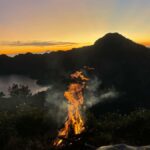
The day starts early. You’ll typically be picked up around 6:30 AM in the Senaru area and reach the trail starting point around 7:00 AM.
That early timing matters for two reasons. First, it helps you move before the hottest part of the day. Second, starting early gives you more chance of catching the crater-rim light that makes the view feel extra dramatic (not guaranteed, but it’s why these climbs run this way).
Your day is built around a top arrival and lunch break. You’ll reach the Senaru Crater Rim around 12:00 PM, have lunch there, and then head back down with a return to Senaru around 5:00 PM. That tight timeline is great for limited-time travelers—but it also means you should keep your rest breaks efficient.
The Ascent: Steep Trail, Roots, and the Kind of Burn You Earn
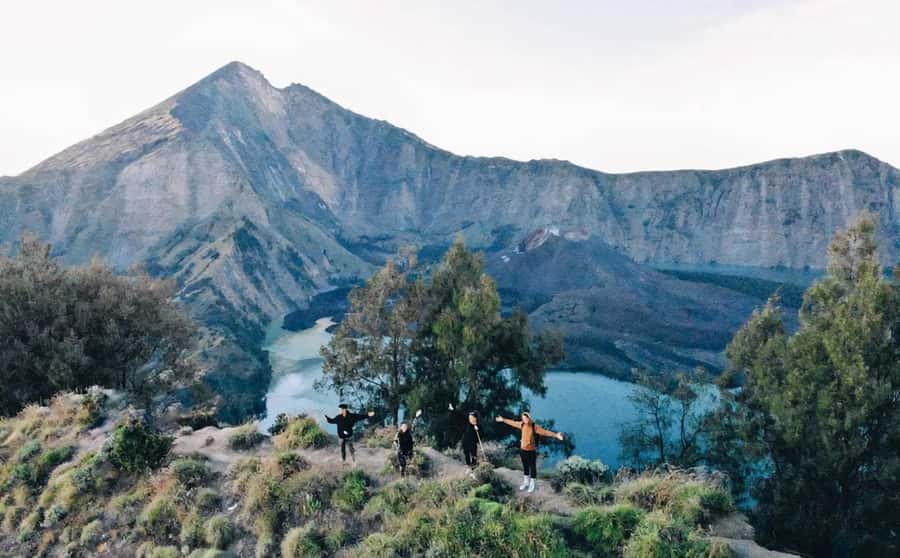
This trek includes about 7 hours of walking for the climb (and it can feel longer depending on your pace). The route is steep, and you’ll be moving over rough ground—so expect sections that demand careful foot placement.
This is where the included trekking poles earn their keep. They help with stability on steep uphills and make descents safer on tired legs. If you’re the kind of hiker who usually “does fine without poles,” you may still want them here.
A headlamp flashlight is included for a reason too. Even with a morning start, low light can happen during pickup or early trail time, and having your hands free to manage balance beats fumbling with a phone.
One practical tip: if you have any doubts about your pacing, tell your guide early. Some guides will adjust your rhythm and create a smoother climb. That’s not about politeness—it’s about preventing you from burning out halfway up.
The Crater Rim Payoff: Lunch at the Top and Views Over Rinjani
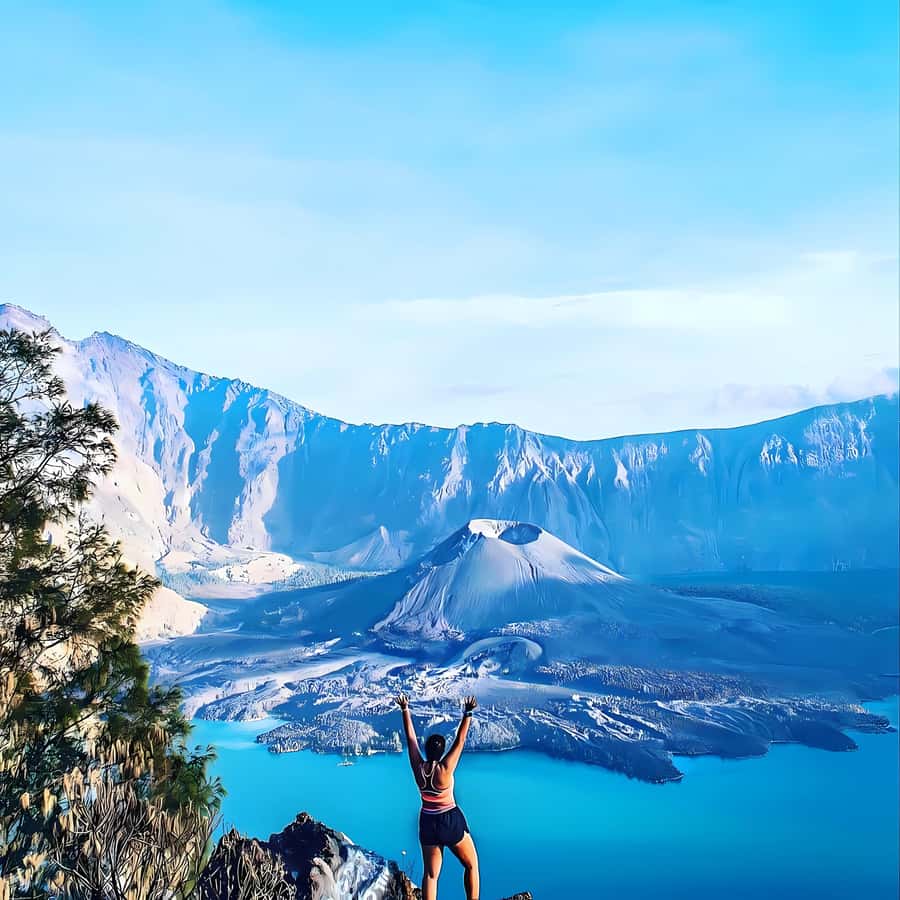
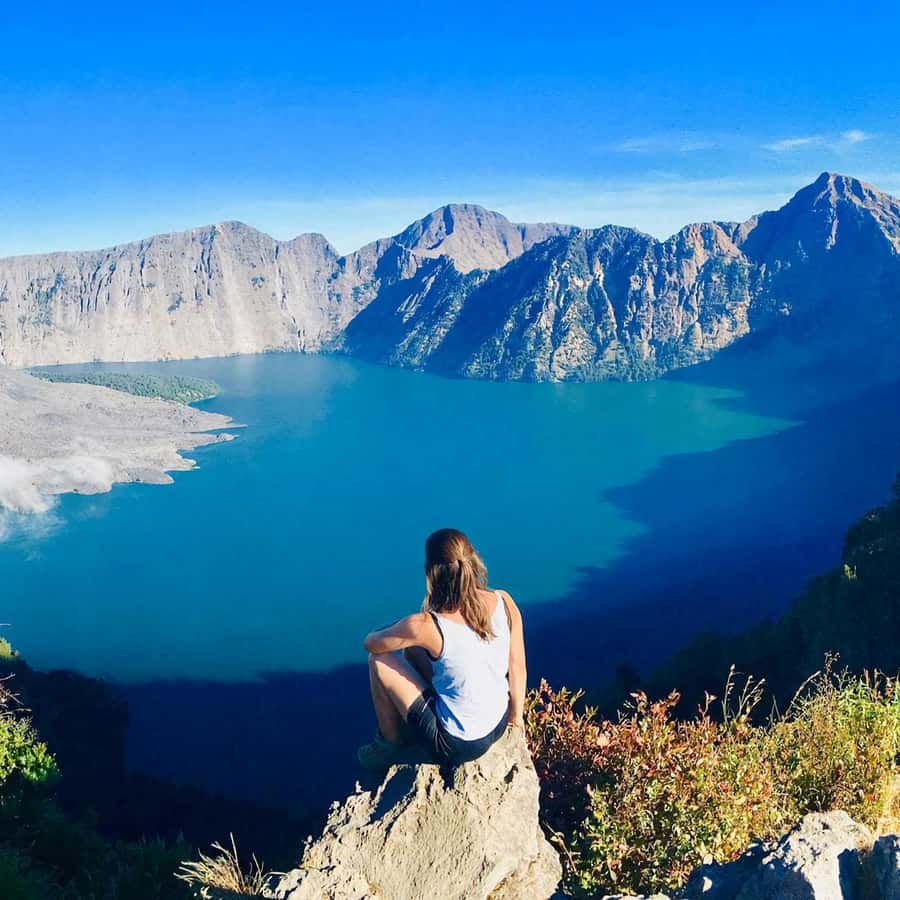
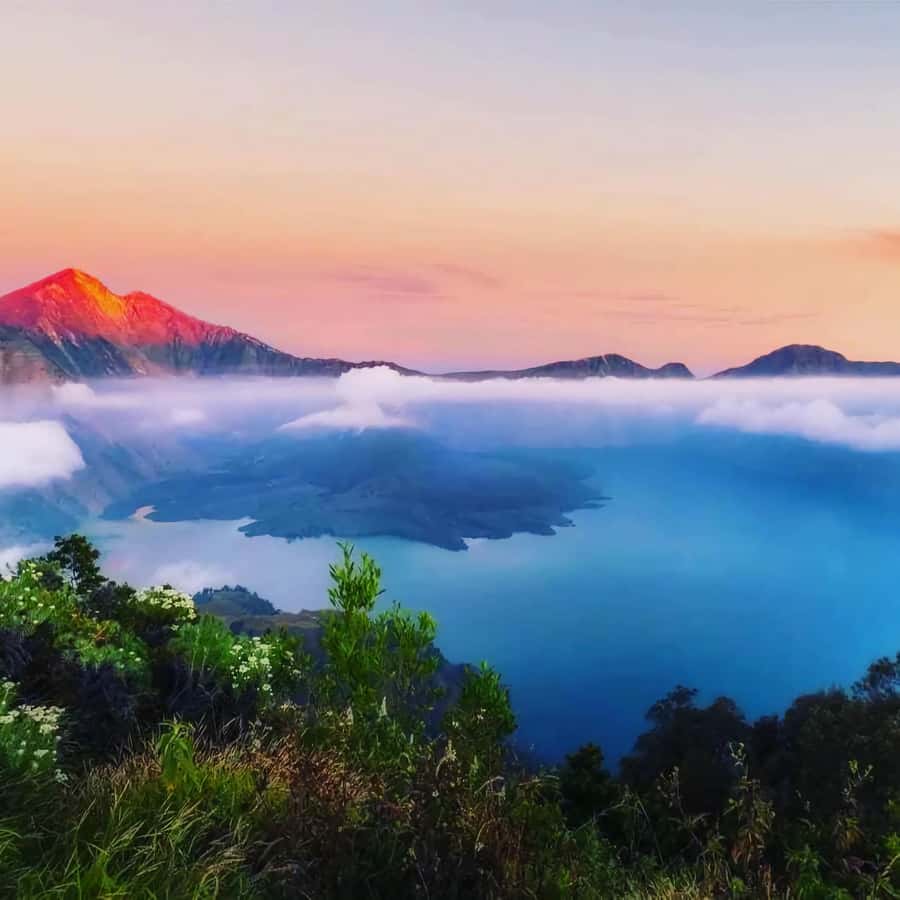
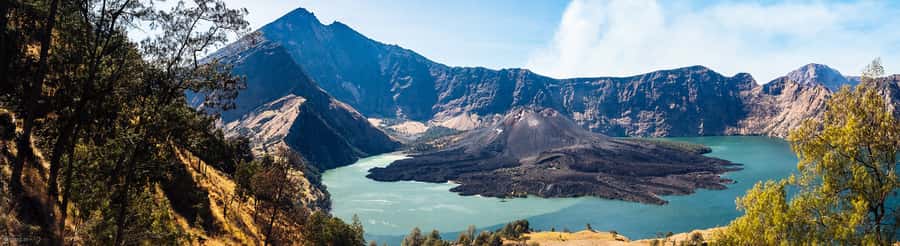
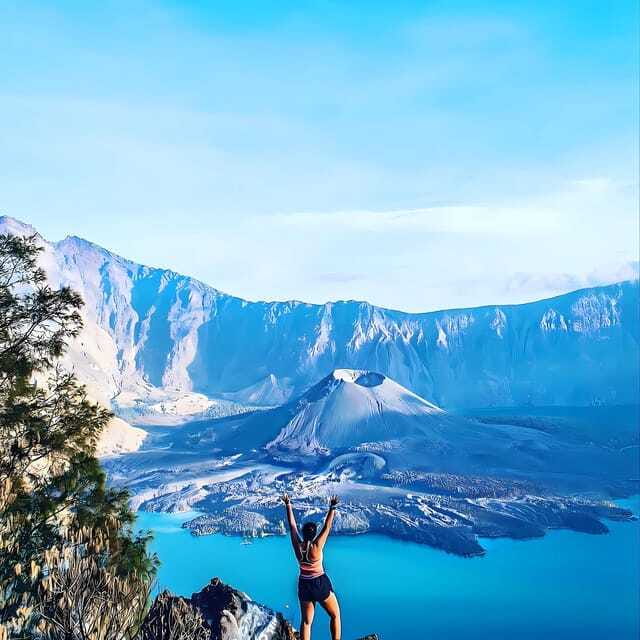
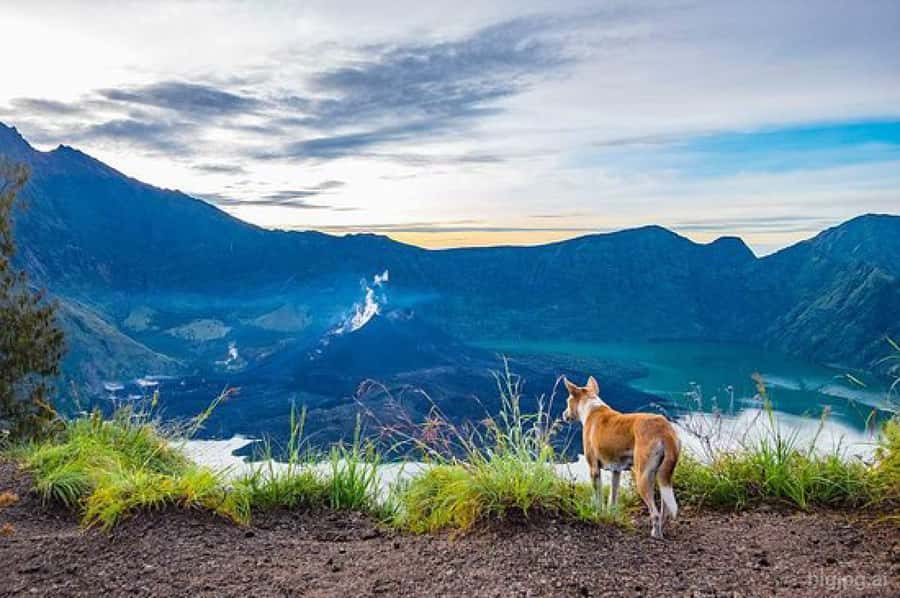
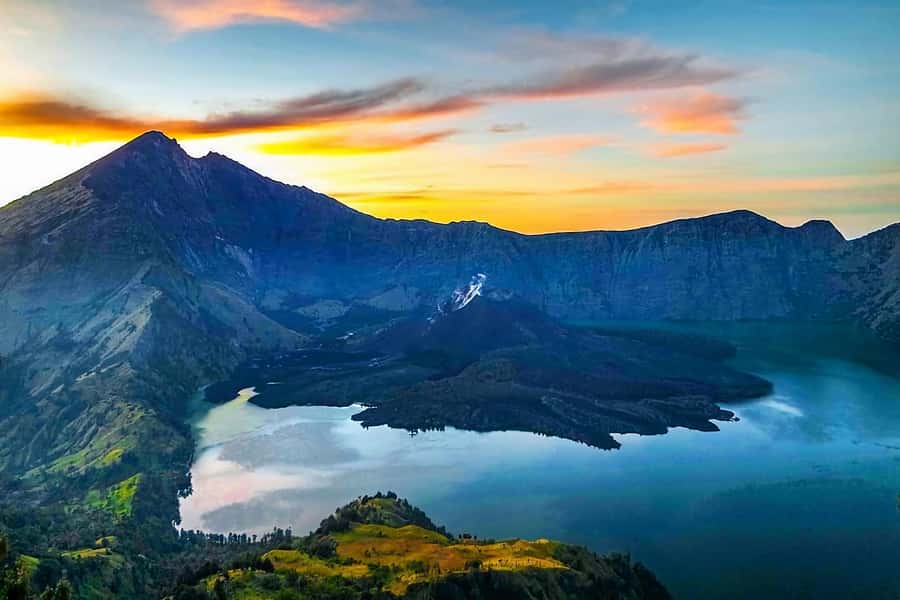
Getting to the rim is the main event. From the top viewpoint (including the 3000m second-summit area referenced for this program), you’re in position to take in Rinjani’s volcanic world—especially the crater area and the lake inside the caldera.
One of the highlights is the wide view potential. On clear days, you can look out over the Gili Islands and even toward Mount Agung in Bali. When that horizon is visible, it turns the trek from a local hike into something island-scale and unforgettable.
Lunch is prepared at the rim by your guide. That matters more than it sounds. A lot of day hikes stop you with snacks and good intentions. Here, you get real food while you’re already at the place you came for, which helps you make the descent without feeling wrecked.
Bring your camera, but also plan a moment to just stand still. The crater views tend to pull your attention the way a movie doesn’t. You’ll understand why people remember this part more than the miles.
Back Down to Senaru: The Part People Underestimate
The descent is scheduled for the late afternoon, with a return to Senaru around 5:00 PM. The hike down can be rough on knees, calves, and ankles because you’re absorbing impact on steep, uneven trail.
This is where your footwear choices (not included here) matter. If your shoes are worn out or too soft, the downhill can punish you. Even if the climb feels manageable, the return can turn into the real test.
Your best defense is simple: use poles, keep steps short, and don’t rush. If the group gets spread out, that’s normal; the goal is to get everyone down safely, not to sprint as a team.
Also remember the day’s theme: you’re doing a lot in one go. One-day treks leave fewer margins for recovery than people expect, even when the guide is organized and supportive.
What the $138 Covers (and How to Judge the Value)
The price is $138 per person, and what you get is a fairly complete package for a one-day volcano climb:
- English-speaking tour guide
- Meals and drinking
- Headlamp flashlight
- Trekking poles
- Hotel pickup and drop-off in the Senaru area
- National park entrance fee
For value, look at what’s actually hard to self-organize. A reputable guide, safe early-morning setup, poles for stability, entrance fees, and a structured day with food included are the kinds of details that add up fast if you try to piece it together. Here, the day is built to function as one unit.
What’s not included is just as important for your budget planning:
- Trekking jacket
- Trekking shoes
- Small daypack
- One night accommodation in Senaru before the trek
So if you’re coming in from elsewhere, plan for at least one night of your own in Senaru so you’re not scrambling. If you arrive exhausted, you’ll feel it on the trail. This trek is not the place to start the day behind schedule.
Gear and Prep: What to Bring So the Hike Feels Like a Plan
You’ll be happier if you treat packing like part of the workout.
Bring:
- Passport
- Camera
- Hiking shoes
- Rain gear
- Cash
Even if the day looks sunny in Lombok, weather can shift and crater areas can be damp. Rain gear helps you keep moving instead of stopping constantly to deal with wet conditions.
You should also consider bringing a small daypack. It’s not included in this package, and you’ll want somewhere for essentials like water, layers, and your camera.
One more practical point: this trek is listed as not suitable for people over 70. If you’re close to that age range, it’s worth discussing options before you commit.
Guide Quality and Pace: Getting the Day You Need
A big part of whether a one-day trek feels empowering or exhausting is the guide and how they manage pacing.
In practice, you’ll want a guide who can:
- keep you moving steadily on steep sections
- help with route guidance when the trail gets technical
- handle lunch preparation at the rim
- manage the safe descent pace
Some guides also bring more than logistics—they tell stories and explain what you’re walking through. That kind of context can make the hours feel less like effort and more like understanding.
One caution: English support is included, but not every guide’s English may be equally strong. If language matters to you, keep your questions simple and early. Tell your guide how fast you can walk and how you want breaks handled. Clear expectations reduce stress on the trail.
Who This One-Day Rinjani Trek Suits Best
This trek suits you if you:
- have limited time in Lombok but still want a true volcano experience
- are comfortable with steep hiking and uneven ground
- can handle a long, intense day without needing frequent major breaks
It may not suit you if you want a relaxed sightseeing pace. One-day climbing compresses a lot of strain into a short window. Even well-conditioned hikers can feel muscle soreness afterward, because it’s simply a big effort.
If you’re seeking a more body-friendly option, you’d typically want a multi-day approach so the ascent and altitude adjustment are spread out. For this one-day program, treat it like an athletic challenge with an incredible reward.
Litter on the Mountain: A Note on What You’ll See
One real-world consideration is that the mountain can show signs of waste and pollution. It’s a sad reminder that popular natural places take a hit when visitor behavior isn’t careful.
If this affects you, plan to focus on what you can control. Stay on the trail, avoid leaving anything behind, and pack out what you brought in. A day like this already asks a lot from your body—aim to leave the mountain at least as clean as you found it.
Should You Book This One-Day Rinjani Trek?
I’d book it if you’re short on time and you’re ready for a serious climb with a clear goal: Senaru crater-rim views, high-altitude scenery, and lunch at the top—wrapped into one efficient day. The included poles, headlamp, meals, and pickup/drop-off are the kind of practical support that helps you focus on the trail instead of logistics.
I’d think twice if you’re not confident with steep hiking, if you want a leisurely pace, or if you know your knees hate downhill workouts. One-day treks don’t forgive weak preparation.
If you’re on the fence, decide based on one question: can you comfortably walk uphill for hours on rough ground and then descend carefully the same day? If yes, this is a strong way to see Rinjani’s crater world without losing your whole schedule in Lombok.
FAQ
How long is the Mount Rinjani one-day trek from Senaru?
It’s a 1-day trek with a total walking time of about 7 hours.
What time do I get picked up in Senaru?
Pickup is listed for around 6:30 AM, and you arrive at the starting point around 7:00 AM.
When do we reach the crater rim and have lunch?
You’re scheduled to arrive at the Senaru Crater Rim around 12:00 PM, with lunch prepared by your guide.
What time will I return to Senaru?
You’ll head back down after lunch and are scheduled to return to Senaru around 5:00 PM.
What’s included in the $138 price?
Included are the guide, meals and drinking, headlamp flashlight, trekking poles, hotel pickup and drop-off in the Senaru area, and the national park entrance fee.
What should I bring that isn’t included?
You should bring trekking shoes, a trekking jacket, rain gear, and a small daypack. You’ll also want passport and cash.
Is this trek suitable for older hikers?
It’s not suitable for people over 70 years old.