REVIEW · KATHMANDU
Everest Base Camp Trek – 15 days
Book on Viator →Operated by Outshine Adventure Pvt Ltd · Bookable on Viator
First you land in Kathmandu, then you work your way toward the roof of the world. This trek mixes Kathmandu culture with a properly guided route through the Khumbu, with clear priorities: acclimatization, views (Everest, Ama Dablam, Nuptse), and daily logistics handled for you. I like the structure here, especially the early orientation and the fact that you’ll be trekking with a licensed English-speaking Sherpa guide and porters.
Two things I’d really key in on: the Lukla flight experience at the start (short flight, big “wait, we’re really doing this” payoff), and the way the itinerary builds in acclimatization stops instead of rushing. You’ll also get support beyond the big-picture planning, including staff insurance and medicine, plus loan gear like a down jacket and sleeping bag if you need it.
One consideration: meals during the trek and most city entrance fees aren’t included, and you’re still responsible for travel insurance with altitude coverage. Also, this trek depends on weather, and Lukla flights can be the wild card.
In This Review
- Key Highlights Worth Your Attention
- Kathmandu Start: Temples, Square Corners, and Trek Prep
- Lukla Flight + Phakding: The Moment Everest Feels Real
- Namche Bazar Climb + Everest View Hotel: Acclimatize Like You Mean It
- Tengboche to Dingboche: Monastery Mornings and High-View Valley Walking
- Chhukung Valley Day: Island Peak Views Without Overreaching
- Lobuche to Gorakshep to Everest Base Camp: Icefall Views and Glacier Reality
- Kalapathar Sunrise Viewpoint: The High-Altitude Reward Day
- Downhill Days to Namche and Lukla: Let Your Legs Recover
- Kathmandu Again: One Last Everest Glance Before You Fly Home
- What the Included Gear and Team Support Really Means for You
- Price and Logistics: Is $1,375 Good Value?
- The Human Side: Guides You’re Likely to Meet
- Who Should Book This Everest Base Camp Trek
- Should You Book Outshine Adventure’s 15-Day Everest Base Camp Trek?
- FAQ
- How long is the Everest Base Camp trek with this package?
- What flights are included?
- Do I have to carry my own luggage?
- What kind of lodging is included on the trek?
- What’s not included in the price?
- Is travel insurance included?
Key Highlights Worth Your Attention
- Lukla flight included: you start your trek with the signature Everest-region air link from Kathmandu to Lukla.
- Licensed English-speaking Sherpa guide: daily route guidance and safety decisions made on the ground.
- Acclimatization built into the plan: Everest View Hotel, Chhukung valley, and rest days that match how high places behave.
- Guesthouses, twin-sharing: simple, warm-enough trek lodging with less thinking for you.
- Kalapathar sunrise viewpoint timing: the itinerary pushes you toward the highest-view payoff days.
- Staff support covered: salaries, insurance, equipment, and medicine for the team are included in the price.
Kathmandu Start: Temples, Square Corners, and Trek Prep
Your trek begins in Kathmandu with a straightforward arrival process. You’ll be met at Tribhuvan International Airport, then transferred into Thamel to check in and complete documentation with the tour operator. That early “paperwork + orientation” step matters because Everest treks run on small details, like what you bring, what you pack lightly, and how you pace your first days.
On day two, you’ll tour major Kathmandu landmarks with a private car and an expert guide. The route covers Kathmandu Durbar Square, Swayambhunath, Boudhanath, and Pashupatinath—big names, but also practical stops that help you understand Nepal beyond the trekking-only bubble. You’ll also have time later in the day for equipment shopping or last-minute preparation, which is useful if you forgot gloves, base layers, or anything you’d rather not improvise at altitude.
Budget note: city admission tickets aren’t included. In Kathmandu, that can be the difference between “easy day” and “quick receipts later,” so plan a little cash for entrances. And yes, you’ll want to keep your energy for the next day’s flight.
You can also read our reviews of more tours and experiences in Kathmandu.
Lukla Flight + Phakding: The Moment Everest Feels Real
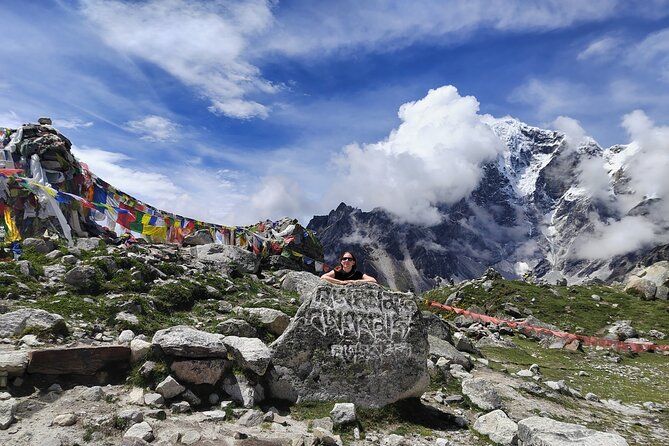
On the third day you take a short flight from Kathmandu to Lukla. It’s about half an hour, and the plan includes breakfast at or right near the Lukla guesthouse area so you can see the airport and surrounding views before you head down the trail. This is one of those experiences that stays in your head because you’re stepping out of the plane into the real Khumbu rhythm fast.
From Lukla you trek to Phakding, gradually down by about 200 meters. The walking time is around three hours, following the Dudh Koshi River, which gives you a gentle start and an easy way to settle into pacing. Early on, you’re not trying to “win the hike.” You’re trying to find a comfortable rhythm while your body gets used to the altitude and your pack finds its position.
This is also where you’ll start noticing what’s included versus not. You’ll have guidance and a planned route, but your main meal choices during free time won’t automatically be covered—so keep an eye on what you’re buying versus what’s already arranged.
Namche Bazar Climb + Everest View Hotel: Acclimatize Like You Mean It
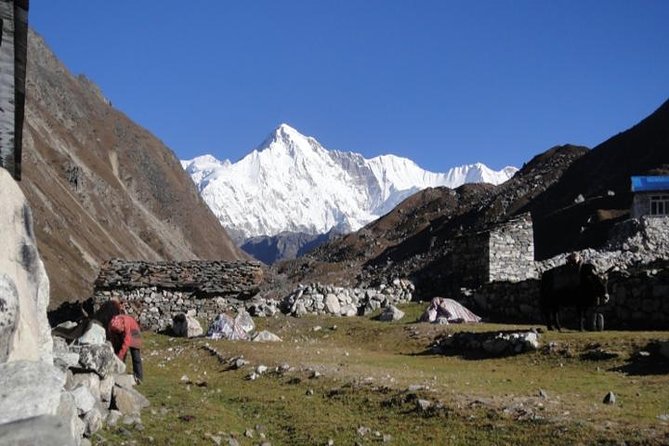
Day four is your big early push: a climb of about 850 meters to Namche Bazar over roughly five hours. It follows the Dudh Koshi river valley, so the route feels like a controlled ascent rather than a sudden wall. This is the day where you’ll likely feel the “new altitude” side of the hike, and that’s normal.
Namche Bazar is also where the trek shifts from “trail time” to “life in the Everest region.” You’ll have downtime in town—time to eat well, buy a few forgotten items, and adjust what you carry. If you’re the type who gets stressed when plans change, Namche is your buffer day: you can breathe, hydrate, and get your gear sorted without rushing.
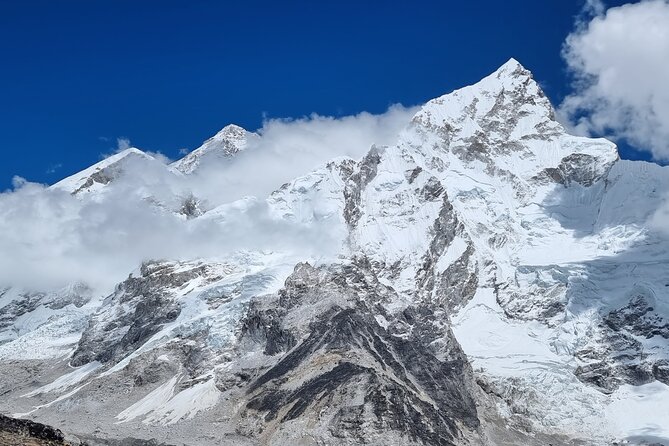
Then comes day five: acclimatization with a view. You’ll hike up to Everest View Hotel to see panoramic ranges including Everest, Nuptse, Lhotse, Ama Dablam, and more, with a tea break on the way back down to Namche. This day is not about crushing distance. It’s about letting your body catch up while you still get a huge payoff.
Tengboche to Dingboche: Monastery Mornings and High-View Valley Walking
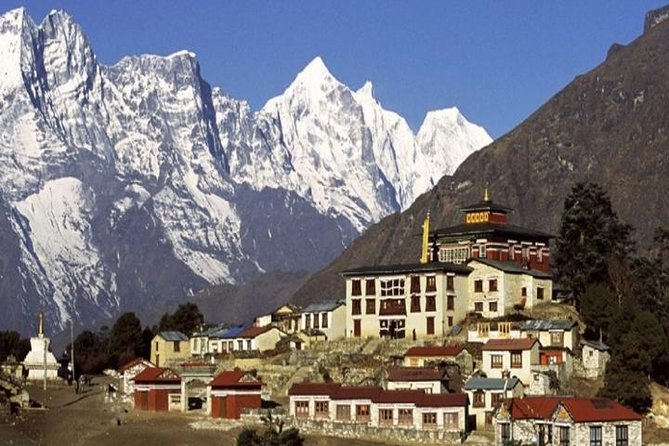
After a rest day in Namche, day six takes you to Tengboche. The trek takes around five hours, and Tengboche is known for its monastery and for the mountain views—especially the chance to see Ama Dablam from the area. You can visit the monastery and even catch worship sessions when lamas perform rituals, which adds a spiritual layer to the trek that’s easy to miss if you’re focused only on Everest.
Day seven continues toward Dingboche, with about five hours of walking. You’ll move through rhododendron-covered areas and into a pleasant-level zone, and the views keep stacking: Ama Dablam and Kantega appear as the route opens. The itinerary also includes passing a large mani stupa—one of those small moments that gives the trail its local texture.
This is where acclimatization becomes more than advice. Dingboche is higher, and the plan keeps you moving gradually while still giving you wide-angle mountain scenery. You’re not just climbing; you’re learning how to handle altitude with steady effort.
Chhukung Valley Day: Island Peak Views Without Overreaching
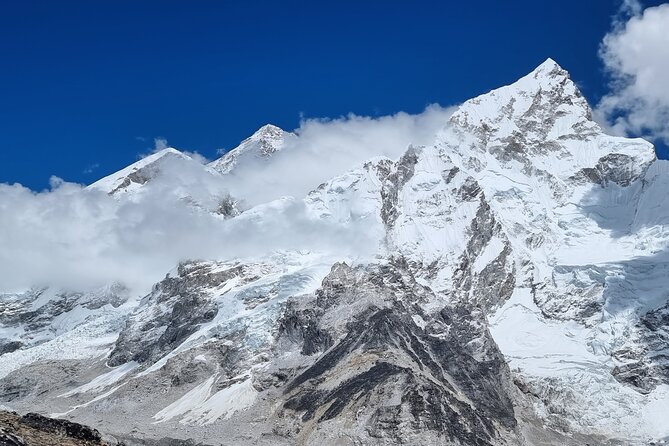
Day eight is your acclimatization loop to Chhukung valley and back to Dingboche. The walking is about five or six hours for the day, with exploration time once you reach the viewpoint area. You’ll see dramatic views connected to the routes toward Island Peak and the surrounding massif—Ama Dablam’s north face and the Lhotse-Nuptse ridge show up strongly from this part of the Khumbu.
You’ll also have afternoon time to relax back in Dingboche. That matters because altitude days are easier when you protect your rest time. This itinerary includes both movement and recovery, which is the blend you want on an Everest Base Camp trek—especially if you’re not training for extreme elevation every day.
Lobuche to Gorakshep to Everest Base Camp: Icefall Views and Glacier Reality
Day nine takes you to Lobuche in around five hours. The route is along the Dughla valley, with frozen rivers and stone houses in an icy setting. You’ll get eye contact with big features like the Khumbu Ice-fall, Pumori, and many smaller peaks from ridge tops, which is exactly what you want on this segment: wide terrain, fewer distractions.
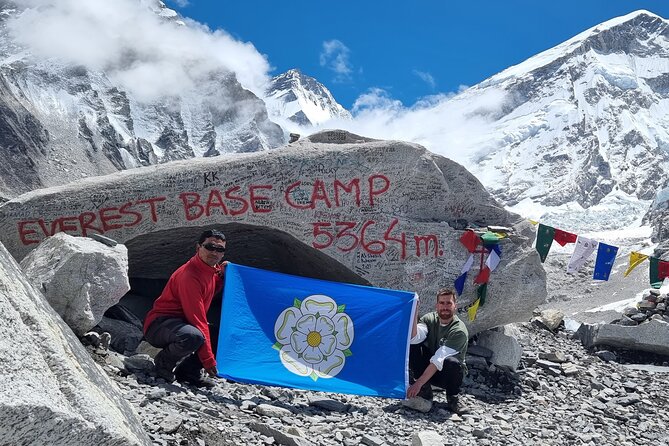
Then day ten is a long, focused day that brings you toward Everest Base Camp. You’ll walk about three and a half hours to Gorakshep, and then hike up and back toward Everest Base Camp, making the full day around seven hours. The goal is to reach Everest Base Camp (about 5,400m) with enough altitude-aware pacing so you’re not wiped out. The itinerary even notes short views of the Khumbu Glacier area and the possibility of hearing avalanche sounds along the route—because in the high Khumbu, quiet is never guaranteed.
Logistically, day ten is also where having porters helps most. You’re dealing with an altitude day and a longer walking schedule. Your job becomes simple: move, sip water, eat when the time comes, and follow the guide’s pacing.
Kalapathar Sunrise Viewpoint: The High-Altitude Reward Day
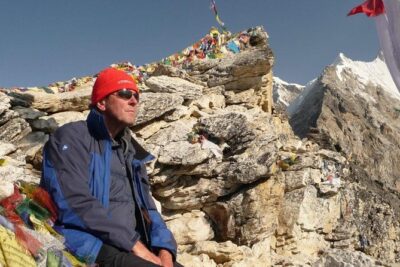
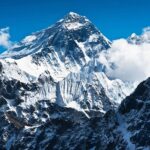
Day eleven is the big visual payoff: an early hike up to Kalapathar around 5,545m (the itinerary lists Kalapathar as the sunrise viewpoint at about that height). The walking time is about six hours, and you’ll reach one of the best vantage points for seeing Everest and surrounding Himalayan ranges.
The plan emphasizes panoramic views and includes the idea that you may feel better and less tired as you approach—often because you’re close to the top and your pace finally makes sense. Either way, this is your “I came for this” day: you’re earning the height with your legs, then cashing it in with a sky-level view.
Downhill Days to Namche and Lukla: Let Your Legs Recover
Day twelve is mostly downhill back to Namche Bazar, around six hours of walking. Downhill can still be hard on knees, but it’s often easier than the grind upward—especially once your body has moved through the highest part of the trek. The plan keeps it scenic, and you’ll also get evening time in Namche for drinks, pool, and shopping.
Day thirteen brings you back to Lukla in about five and a half hours. The plan routes you from Namche to Lukla via Phakding, giving you a final chance to see familiar sections before the trek formally ends. Once back in Lukla, you’ll have a rest of the day with bars, restaurants, and shops, which is a good time to unwind and reset for the flight back to Kathmandu.
Kathmandu Again: One Last Everest Glance Before You Fly Home
On day fourteen you fly back from Lukla to Kathmandu, again about half an hour, and you’ll likely catch another panoramic look at the Everest region through the small aircraft windows. It’s the final “replay” moment where your brain matches the peaks you walked toward with the views from the air.
Day fifteen is the finish: breakfast in your Kathmandu hotel area and transfer to the international airport based on your flight time. There’s also a note that if you have extra days, you can add more activities—so if you want a post-trek buffer (slow travel, not a tight schedule), this operator is set up for that kind of flexibility.
What the Included Gear and Team Support Really Means for You
The included support goes beyond the usual “we’ll guide you.” You’ll have guesthouse accommodation on the trek on a twin-sharing basis, plus three nights in Kathmandu at a standard hotel. On the ground, the team includes an expert licensed English-speaking Sherpa/Trekking guide, and porters carry your luggage—shared for two people or clients—so you’re hiking with less weight than you would if you were carrying everything.
Gear matters too. The trek includes a down jacket and sleeping bag by Outshine Adventure, if necessary. That’s not a guarantee you won’t still want your own items, but it reduces the risk of arriving unprepared—one less worry on the checklist.
The itinerary also lists that meals, accommodations, salary, insurance, equipment, and medicine for staff are included. While that’s not something you’ll “feel” like scenery, it’s part of what reduces chaos. When staff are covered and the operation is planned, you’re more likely to get consistent routing, consistent wake-up times, and better contingency handling if weather affects flight schedules.
Two practical reminders: tips for the trekking staff and driver aren’t included, and your travel insurance isn’t included either (and the plan specifically calls for altitude coverage up to 5,300 meters). On an Everest trek, those two line items are worth budgeting early.
Price and Logistics: Is $1,375 Good Value?
At $1,375 per person for a 15-day Everest Base Camp trek, the value is strongest if you factor in what’s included. You’re paying for a full operation: Kathmandu hotel pickup/drop by private car, a guided Kathmandu sightseeing day by private car with an expert guide, guesthouse lodging on the trek (twin-sharing), porters, and the flight tickets Kathmandu–Lukla–Kathmandu.
You’re also paying for the human layer that makes the trek work: a licensed English-speaking guide and trekking team with salary, insurance, equipment, and medicine included for staff. And if you need it, you’re covered for down jacket and sleeping bag support.
What pushes the cost outside the bundle: meals and drinks aren’t included, city entrance fees aren’t included, and tips are extra. Travel insurance is also your responsibility, specifically with altitude coverage up to 5,300 meters. If you’re the kind of traveler who buys snacks, coffee, and extra drinks along the way, build a daily buffer.
For many people, this kind of total-package planning is exactly what you want on EBC—because the mountain punishes decision-making. You’re trading a bit of freedom for a smoother plan, and that’s often a smart trade.
The Human Side: Guides You’re Likely to Meet
Outshine Adventure’s staffing shows up in multiple past trip experiences through guide names and operations support. You may hike with guides such as Kali, Kumar, Santosh, Dilli, Prakash, Bikash, or Nima, and operations coordination may involve people like Asmita. The owner, Gokul, also appears in multiple experiences as part of planning and care.
That pattern matters because on an Everest trek, good guiding is more than navigation. It’s pacing, comfort decisions, and keeping you calm when the altitude or schedule feels annoying.
Who Should Book This Everest Base Camp Trek
This trek fits best if you want a guided, structured route that handles flights, lodging, porters, and day-by-day pacing. It also suits you if you like cultural stops that explain what you’re seeing, not just a checklist of temples.
The trek is listed for travelers with a moderate physical fitness level. That doesn’t mean it’s easy—it means the itinerary supports a steady walking pace rather than constant steep effort every day. If you’re willing to walk daily, follow altitude guidance, and accept basic guesthouse conditions, you’ll likely enjoy how the days add up.
If you hate group schedules, dislike communal logistics, or you’re trying to micromanage every moment independently, you might find the fixed rhythm less fun. Also, if you’re not able to meet the insurance altitude requirement, plan to sort that before you book.
Should You Book Outshine Adventure’s 15-Day Everest Base Camp Trek?
If your top priorities are reliable logistics, English-speaking Sherpa guidance, included Lukla flights, and a trek plan that respects acclimatization, I think this is a strong booking candidate. You’ll get the signature Everest-region experience, including Kalapathar’s high viewpoint day, without needing to coordinate the complicated pieces yourself.
I’d say book it if you’re comfortable with guesthouse-style trekking lodging and you’ll budget for meals, city entrances, and tips. I’d pause if you’re underinsured for altitude, uncomfortable with weather-dependent flight risk, or you’re hoping the trek price covers every single meal and extra cost.
If you want one simple checklist: confirm your altitude insurance coverage, pack layers you actually need (or plan to use the included gear if offered), and keep some money set aside for meals and Kathmandu entrance fees. Do those, and the rest of the trip can run on autopilot in the best way—so you can focus on the views and the people who help you get there.
FAQ
How long is the Everest Base Camp trek with this package?
The trek runs about 15 days, starting in Kathmandu and ending back in Kathmandu.
What flights are included?
Flight tickets are included for Kathmandu–Lukla–Kathmandu.
Do I have to carry my own luggage?
You’ll have porters to carry your luggage during the trek. The porters are shared for two people or clients.
What kind of lodging is included on the trek?
You stay in guesthouses during the trek on a twin-sharing basis.
What’s not included in the price?
Meals and drinks, Kathmandu sightseeing monument entrance fees, and tips for trekking staff and the driver are not included.
Is travel insurance included?
No. You are responsible for travel insurance, and the package calls for altitude coverage up to 5,300 meters.