REVIEW · POKHARA
Pokhara: 4-Day Private Trek Tour
Book on GetYourGuide →Operated by Nepal Mountain Club Pvt. Ltd. · Bookable on GetYourGuide
Poon Hill hits fast. This short trek from Pokhara is built for first-timers who still want big Annapurna views and real mountain villages. I especially like how the schedule gives you an early start for sunrise and then builds in village time at a steady rhythm, with guest houses along the way. One thing to consider: days 3 to 4 can feel tough on the legs because you’re hiking and then doing plenty of descent.
This is also the kind of tour where the guide makes a visible difference. In past trips, guides like Krishna and Milan have handled everything from smooth tea-house stops to adjusting plans when weather or health issues pop up, and that matters when you’re spending four mornings on the trail. Still, it’s a private trek, so you’ll want to be honest about your pace and any knee concerns before you start.
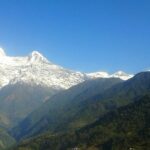
Here’s the big picture: you ride from Pokhara to Nayapul, walk through Ulleri and Ghorepani, climb to Poon Hill around 3,210 meters for sunrise, then move on to Tadapani and Ghandruk before returning to Pokhara. It’s a compact route that gives you variety without eating your whole vacation.
In This Review
- Key Points You’ll Care About
- Why This Short Poon Hill Trek Works for a 4-to-5-Day Vacation
- Pokhara Pickup to Nayapul: The Easy Start You Want on Day 1
- Rhododendron Forest to Ghorepani: The Walk That Builds the Mood
- 4:00 AM to Poon Hill: Sunrise Views and Why a Headlamp Helps
- Ghandruk Culture and the Descent Back to Nayapul
- Price and Logistics: What You’re Paying For at $243
- Guide Matters: What You Can Actually Learn from the Past Trips
- What to Pack: Shoes, Warm Layers, and Small Comforts That Get Overlooked
- Who This Trek Suits (and Who Should Skip It)
- Should You Book This Poon Hill Private Trek?
- FAQ
- Where does the trek start and where do I get picked up?
- What time does the trek start each day?
- Is Poon Hill part of the itinerary?
- What’s included in the tour price?
- Are meals included?
- What do I need to submit before the tour?
- Is this a private group tour?
- Who is this trek not suitable for?
Key Points You’ll Care About
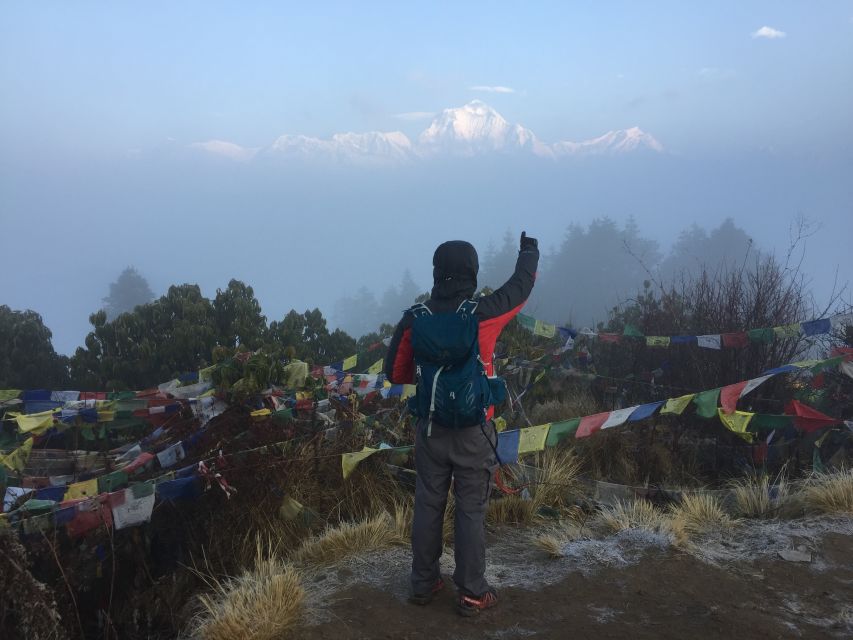
- Sunrise at Poon Hill (3,210m): You’ll start around 4:00 AM, climb to the viewpoint, and get the classic Annapurna-range morning light.
- Rhododendron forest day: Day 2 walks through dense rhododendron forest, a key reason this feels like more than just a point-to-point hike.
- Guest-house comfort, not camping: Three nights are in guest houses, with meals available for purchase along the trek.
- Ghandruk + Gurung Museum time: You’re not just walking; you also get culture time and a museum stop in Ghandruk.
- Guides matter on this route: Past groups benefited from patient pacing and practical help for cold weather, knee issues, and small emergencies.
- Private group pacing: It’s a private trek, so you can usually move at a speed that fits your comfort.
Why This Short Poon Hill Trek Works for a 4-to-5-Day Vacation
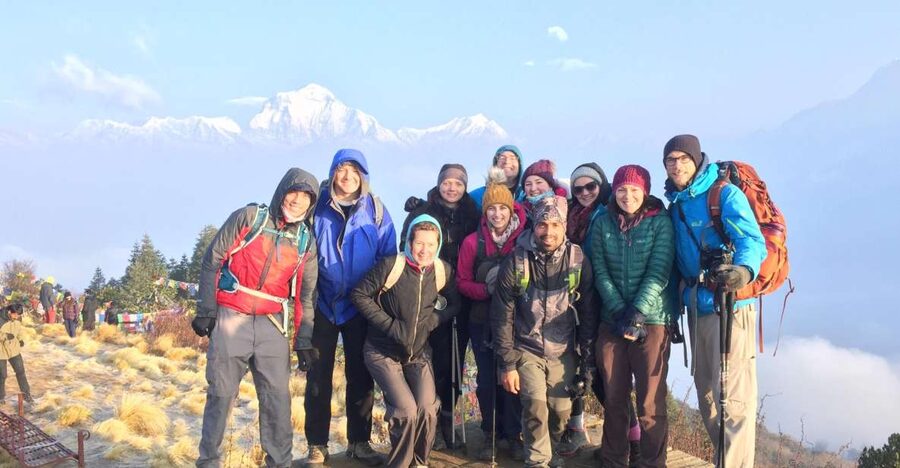
This trek is popular for a reason: it packages Himalayan scenery and village life into a timeframe that’s realistic. You’re not stuck planning months in advance, and you’re not committing to the longer, higher-altitude treks that can take a bigger toll.
The route also gives you variety every day. You go from tea-house trekking in the hills to an early-morning climb for the famous sunrise, then into more cultural time in Ghandruk. That mix is exactly what helps this feel like a real Nepal trip, not just exercise with a view at the end.
If you’re comparing options, the value here is that a lot is handled for you: you get an English-speaking guide, the permits, and transportation back and forth to the trailheads. You’re left to focus on your hike, your photos, and not overthinking logistics.
You can also read our reviews of more tours and experiences in Pokhara.
Pokhara Pickup to Nayapul: The Easy Start You Want on Day 1
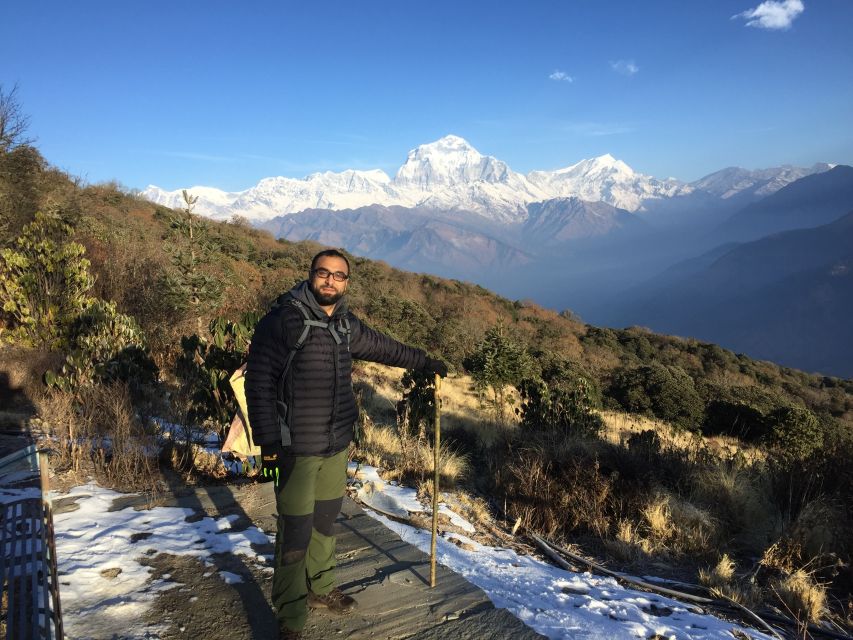
Your trek begins in Lakeside, Pokhara. You’ll meet your guide at 8:30 AM at your hotel or residence area, then take a scenic 1.5-hour drive to Nayapul.
From Nayapul, you walk to Ulleri. This is listed as about 4.5 hours of trekking, so day 1 is your warm-up day rather than a wall-to-wall grind. Ulleri is where the route starts to feel like you’ve stepped into mountain village Nepal, and you’ll sleep overnight in a guest house.
A practical note: Lakeside pickup is included, but if you’re outside that zone, some groups have reported extra cost for pickup. So if your hotel is farther out, ask early so you don’t get a surprise on arrival.
Rhododendron Forest to Ghorepani: The Walk That Builds the Mood
Day 2 starts after an 8:00 AM rise. You’ll hike through dense rhododendron forest on the green hills. Expect a full stretch of trail time here, about 5 hours.
The goal of this day is not just distance. It’s atmosphere. Rhododendron season can make the path feel alive, and even outside peak color, the forest shade keeps the hike from being brutally exposed. Ghorepani is a classic stop because it’s a place where the trekking world and local life meet: tea houses, friendly conversations, and a sense of being part of a bigger trekking flow without feeling rushed.
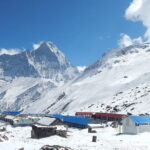
You’ll stay another night in a guest house. This matters because it keeps the trek “short-trek friendly.” You’re not sleeping in extreme conditions, and you can spend the evening planning the next morning’s early push.
4:00 AM to Poon Hill: Sunrise Views and Why a Headlamp Helps
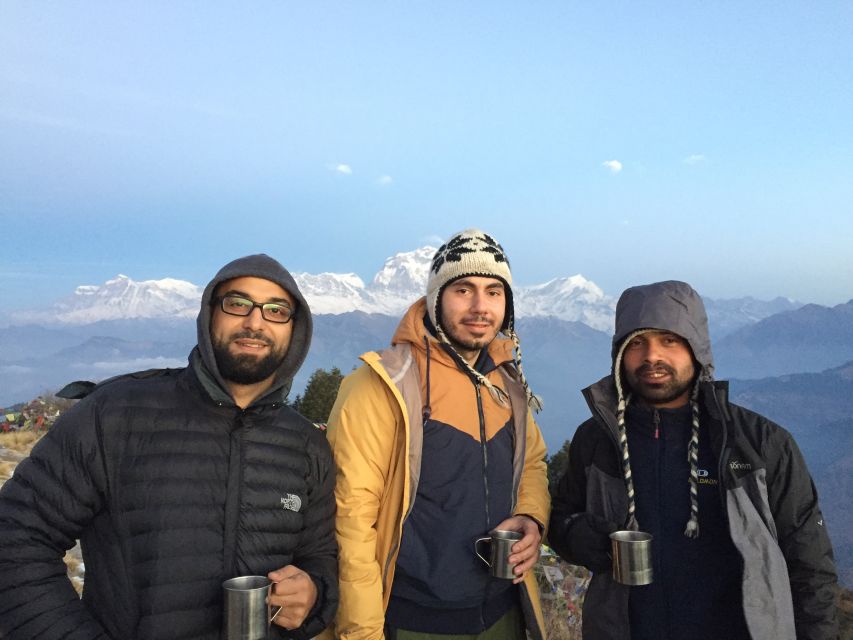
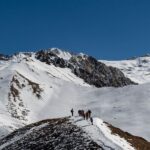
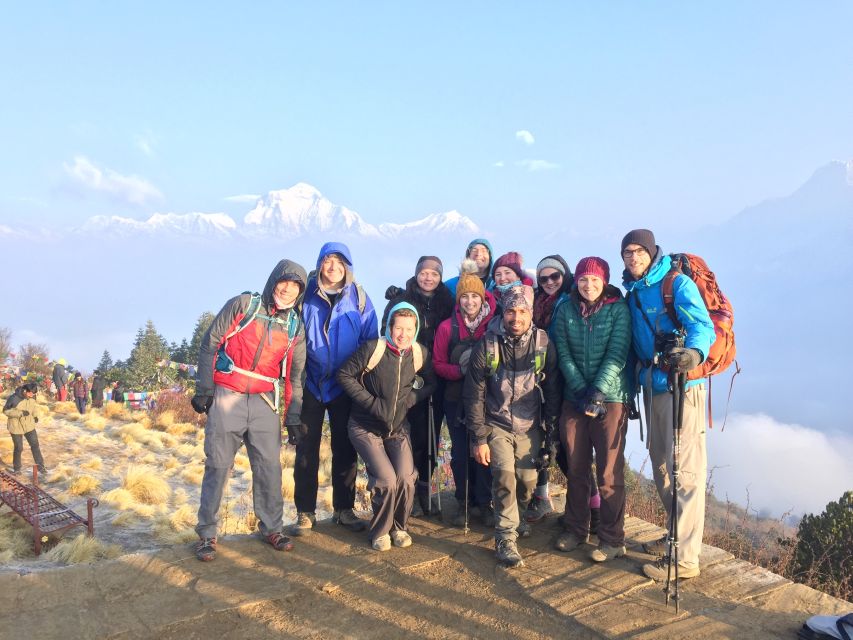
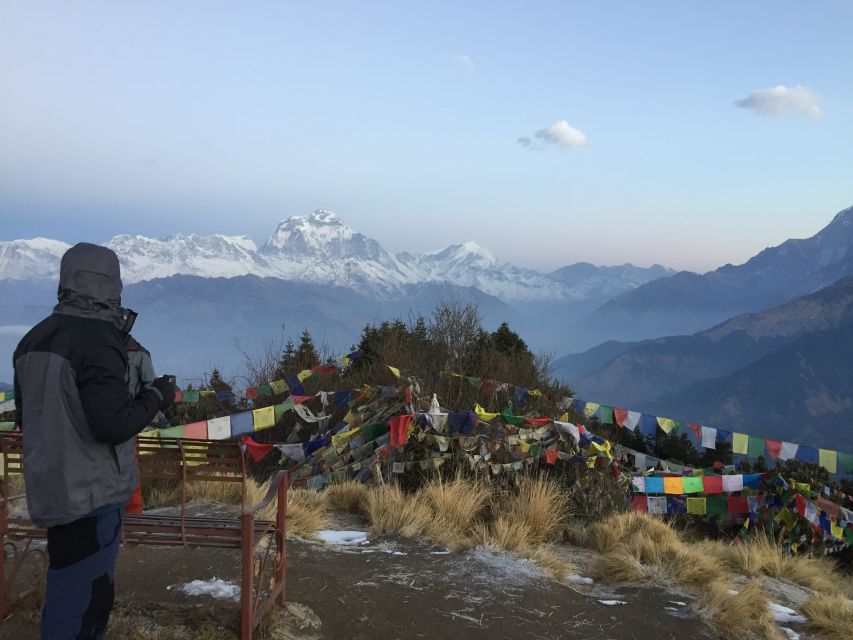
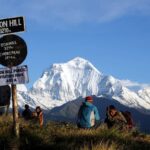
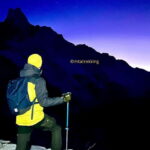
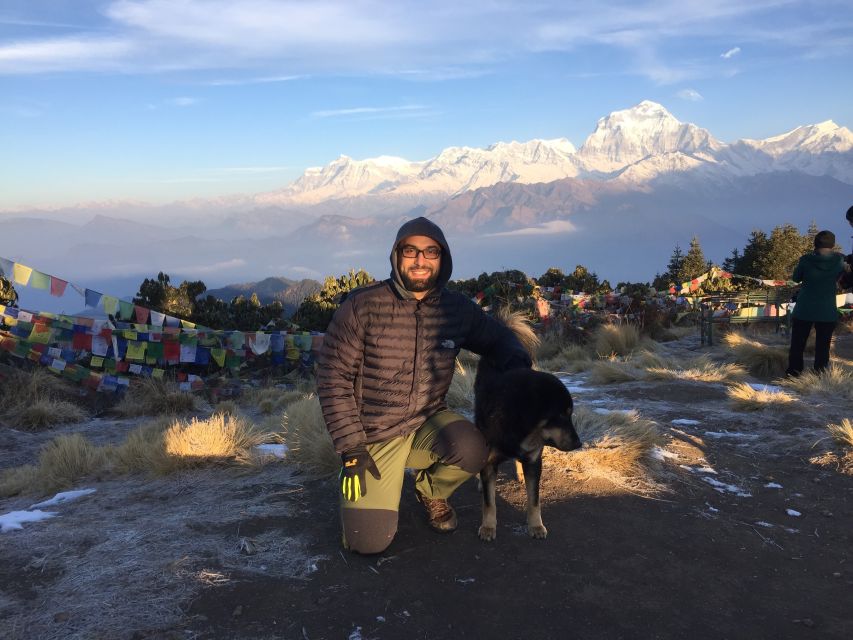
Day 3 is the showpiece day. You’ll start at 4:00 AM with a short trek—about 45 minutes—to the top of Poon Hill at 3,210 meters.
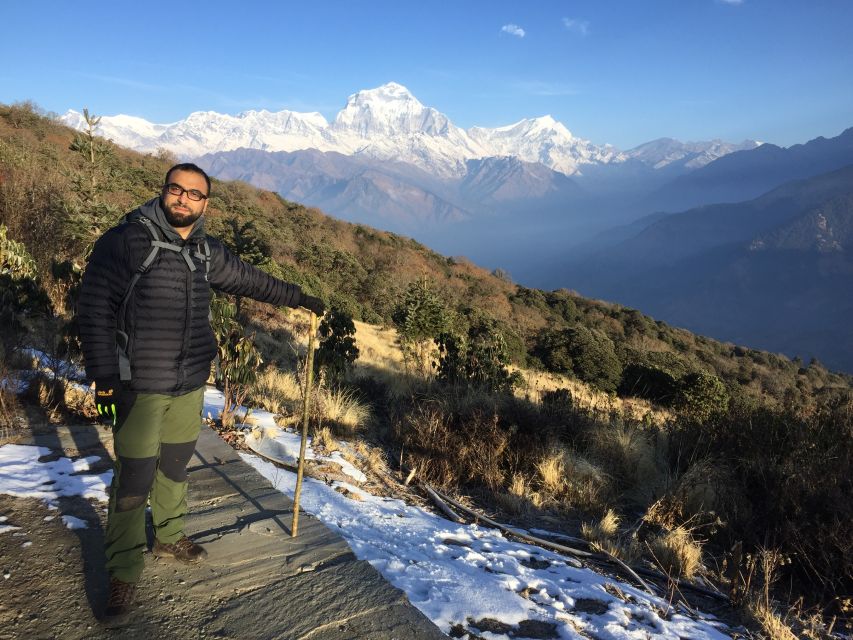
Then it’s sunrise time over the Annapurna mountain range. This is the moment many people remember even if they don’t remember every bend in the path. You’ll want to be ready for cold mornings: bring layers and plan on taking photos even if you’re tempted to stay cozy.
Because the climb happens before light, a headlamp is a smart idea. One helpful detail from trek advice: it’s worth having one so you can keep a steady pace and not worry about where your feet are going.
After you enjoy the sunrise, you’ll keep trekking for about 5 hours to Tadapani for the overnight stay. Tadapani is a good transition stop. It’s not just a checkpoint; it helps you break the route into something that feels human-sized.
Ghandruk Culture and the Descent Back to Nayapul
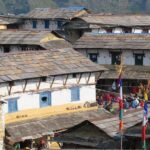
Day 4 begins at 8:00 AM. You’ll trek toward Ghandruk, and you’ll have time to explore the town, including the Gurung Museum. This is a standout part of the itinerary because it turns the trek from a scenery-only day into a place to learn about the people who live here.
From there, you continue trekking to Nayapul. Then you take a private car for about 1.5 hours back to Pokhara, where you’ll be dropped at your hotel.
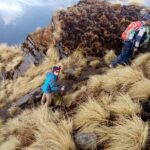
One reason this day can feel demanding is simple math: the walk back to Nayapul includes lots of descent. If you know you’re prone to knee pain, consider bringing support. In past trips, people have recommended strapping tape or knee braces for the downhill stretch.
Also, remember you’ll likely finish this day tired but satisfied. Ghandruk gives you a cultural landing, and the ride back to Pokhara feels like the reward for sticking with it.
Price and Logistics: What You’re Paying For at $243
At $243 per person, this trek can feel like a solid deal because several real costs are already covered. You get:
- An English-speaking experienced trekking guide
- 3 nights’ accommodation in guest houses
- Round-trip transportation
- Permits/entrance fees, including TIMS and trek permits
- Taxes and service charges
Meals are not included, and rescue costs are also not included, so you’re still managing your daily food spend. But this is normal for Nepal tea-house trekking: you can choose what you want to eat, and you’re rarely stuck with one boring option.
Value-wise, the big win is that your guide isn’t only there to keep you on track. In real situations, guides like Krishna and Dadhi have helped with medication support during sudden illness, adjusted the porter setup when needed, and kept the mood light even when rain rolled in. Milan has also been praised for suggesting the best path and keeping groups secure and comfortable, including solo trekkers who were new to hiking.
This doesn’t mean you should assume everything will go perfectly. It does mean your money buys more than directions.
Guide Matters: What You Can Actually Learn from the Past Trips
A short trek can still get messy if your guide treats it like a checklist. The best guides treat it like a living plan.
Here are the practical “guide advantages” you can take into your own planning:
- Medical common sense: When someone got sick, Krishna supported with help from a pharmacist and got the group back on track. That kind of local problem-solving is hard to replicate on your own.
- Flexible logistics: Some groups have had their itinerary adjusted flexibly, including arranging a horse for a change. Even if your plans stay the same, it’s reassuring to know flexibility is part of the service.
- Safety and comfort for solo hikers: Guides like Gobinda and Milan have been noted for making solo female trekkers feel safe and for letting them choose a comfortable pace.
- Downhill patience: Dadhi was praised for being patient with knee issues during descent. If you’ve got knee history, ask your guide how they manage downhill pace.
If you want to stack the odds in your favor, do two things before you leave:
1) Tell your guide about any knee, balance, or stamina limits.
2) Ask what time you’ll leave each morning and how you’ll handle cold and visibility on Poon Hill.
What to Pack: Shoes, Warm Layers, and Small Comforts That Get Overlooked
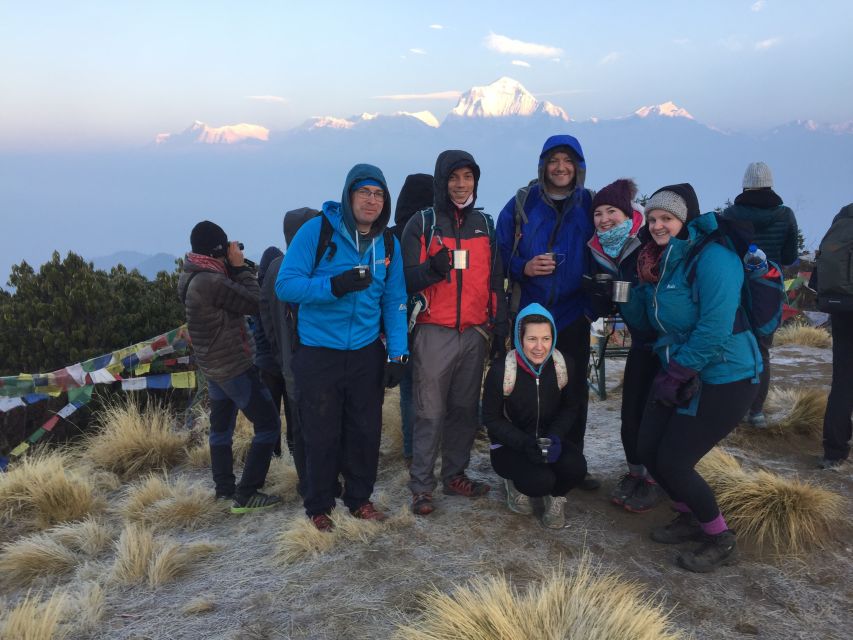
The tour info is clear: bring comfortable shoes. Past trekkers also recommended a few extras that make a difference on early starts and long descents.
Bring these because they match the trek reality:
- A jacket and warm layers for cold mornings and guest-house nights
- Sunscreen, sunglasses, and a hat for daytime glare
- Mosquito repellent
- A light day bag for water, snacks, and your camera
- A camera for sunrise and village moments
- Toilet paper and personal hygiene utensils
- Long pants, shorts, socks, plus t-shirts
- A headlamp for the early Poon Hill climb
- Hiking poles if you use them (helpful for downhill control)
Then add the “small stuff” people wish they’d packed:
- A towel and slippers: some groups reported these weren’t clearly listed but were useful in guest houses.
- Enough cash for meals: meals are available for purchase along the track, so plan for spending.
- If you’re trekking in colder months and you expect ice or heavy snow, consider the possibility of traction needs. One piece of advice was to bring crampons in case of heavy snowfall or ice.
Finally, don’t forget the paperwork requirement. You’ll need a scanned copy of your passport and a digital passport-sized photo before the tour for all participants.
Who This Trek Suits (and Who Should Skip It)
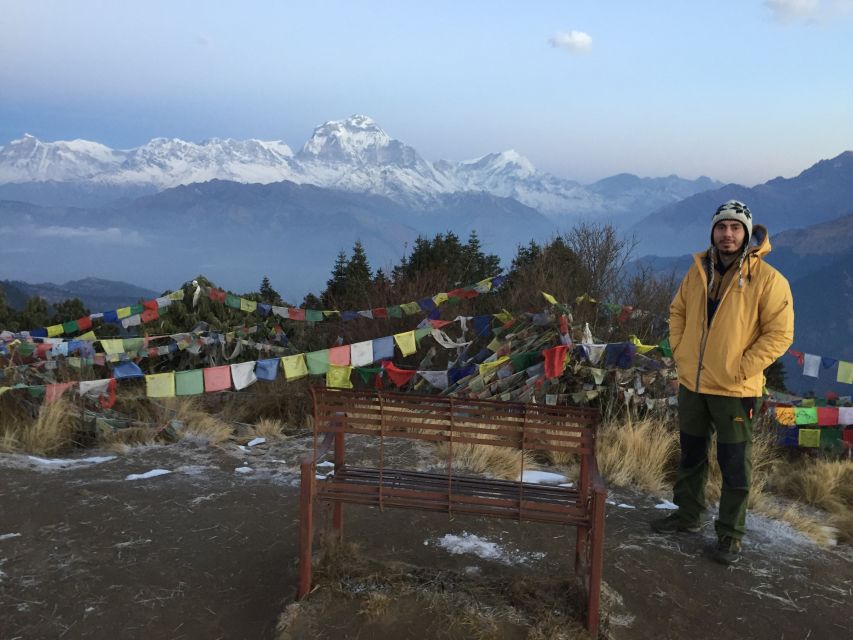
This route is best for people who want a meaningful Himalayan trek without the long-term commitment. It’s also a good fit if you like village stops, not just viewpoints.
It may fit beginners too, especially if your guide is patient about pace. Several guides were praised for working with less-experienced hikers and for keeping solo trekkers comfortable.
But it’s not for everyone. The tour is explicitly not suitable for pregnant women and not suitable for people with heart problems. Also, if you’re worried about knees, take the downhill seriously. Days 3 and 4 can feel brutal on descent, so plan support and slow down where you need to.
Should You Book This Poon Hill Private Trek?
I’d book this if you want:
- A short, well-run trek that still delivers sunrise views
- Village culture time in Ghandruk plus museum time
- A private guide who can adjust pace and keep logistics moving
- Guest-house trekking instead of rough camping
I might wait or look for another option if you:
- Know you can’t handle repeated downhill
- Are sensitive to cold mornings (you’ll be starting early on day 3)
- Need medical accommodations that aren’t possible within the stated suitability limits
If you’re ready, one last tip: message your guide about pickup location if you’re not right in Lakeside, and pack smart for the early 4:00 AM start. That’s where the trek turns from a hike into a memory.
FAQ
Where does the trek start and where do I get picked up?
You’ll be picked up from the Lakeside area of Pokhara. Your guide will meet you at your hotel or residence with a name card.
What time does the trek start each day?
Day 1 starts with pickup at 8:30 AM, then you drive to Nayapul and trek to Ulleri. Day 2 starts after an 8:00 AM rise. Day 3 starts at 4:00 AM for Poon Hill. Day 4 starts at 8:00 AM.
Is Poon Hill part of the itinerary?
Yes. Day 3 includes an early morning trek to the top of Poon Hill (3,210 meters) for sunrise views.
What’s included in the tour price?
Included are taxes and service charges, TIMS and permits, an English-speaking trekking guide, 3 nights in guest houses, and round-trip transportation.
Are meals included?
No. All meals are not included, but they are available for purchase along the trek.
What do I need to submit before the tour?
You need a scanned copy of your passport and a digital passport-sized photo prior to the tour for all participants.
Is this a private group tour?
Yes. The tour is a private group.
Who is this trek not suitable for?
It is not suitable for pregnant women or for people with heart problems.