REVIEW · SIRKKA
Levi: Riding Trek with Icelandic Horses
Book on GetYourGuide →Operated by Lapin Saaga · Bookable on GetYourGuide
Horseback riding in Lapland feels quietly magical. You’ll be guided through wintry fells and forests on gentle Icelandic horses, with the big draw being a chance to try the tölt, their signature gait. I also love that you get proper start-up instruction even if you’ve never ridden before. The main thing to plan for is the cold, so you need warm layers and warm shoes.
What really makes this work well is the pacing. You’re in a small group (up to 6 people), and the route and speed adjust to the group’s experience and the weather, so beginners aren’t thrown in at full speed. The guides are there for safety and guidance, in Finnish and English.
One more practical note: this isn’t for everyone. The trek has a rider max of 95 kg and kids must be at least 7 years old unless they’ve already done riding treks.
In This Review
- Key things that make this Levi horse trek worth your time
- Why Icelandic horses and Lapland winter work so well together
- What happens at Lapland Saga before you mount up
- The 1- or 2-hour trek: forests, fells, plains, and winter roads
- The tölt experience: your chance at a gait you can’t get anywhere else
- Staying warm in Levi: what to wear so you enjoy the ride
- The flow of stops: training, photos, a quick shop, and back again
- Price and value: what $111 gets you in a small-group winter trek
- Who should book this Levi horse riding trek (and who should skip it)
- Should you book Levi riding with Icelandic horses?
- FAQ
- Do I need previous riding experience to join?
- What’s the difference between the 1-hour and 2-hour trek?
- Where do I meet the guide, and are there pickup options?
- Is the trek suitable for children?
- What should I bring for winter riding?
- What are the rider limits and rules?
Key things that make this Levi horse trek worth your time
- Beginner-ready training before you ride, so you’re not guessing what to do
- Icelandic horses known for reliability, which matters when it’s winter-cold and you’re learning
- Trying the tölt during your ride, one of the most unique horse experiences in Finland
- Weather- and skill-based route choices, so you get a ride that fits the day
- Short photo stop and quick shopping time, so it’s not just sitting in the cold
- Small group size (max 6) for more attention from the guide
Why Icelandic horses and Lapland winter work so well together
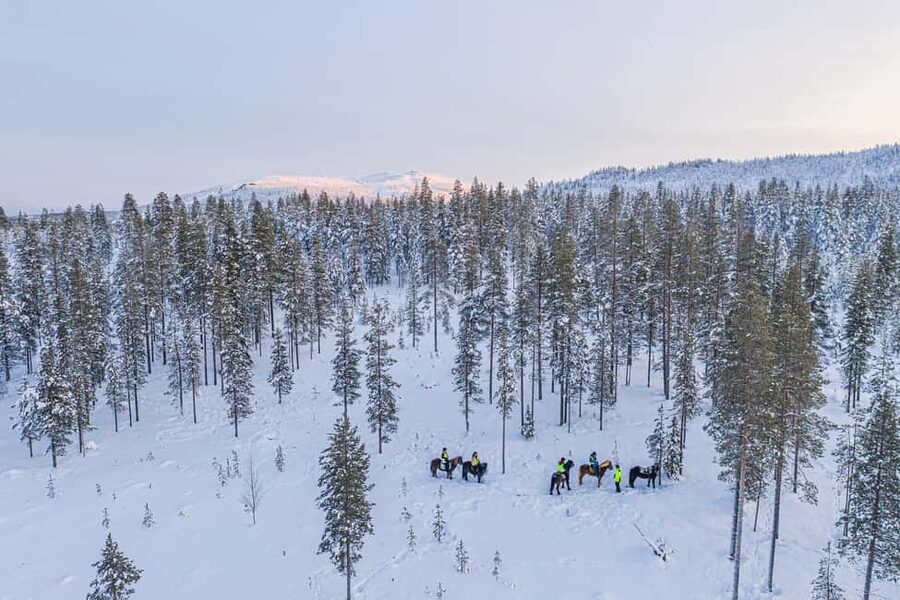
I like experiences that feel both authentic and user-friendly. This one does both. In Levi’s Lapland scenery, you’re not stuck watching nature from a window. You move through winter terrain with Icelandic horses that are described as gentle and reliable, which is exactly what you want when you’re learning.
The Icelandic angle matters, because the horses do things regular riding won’t. The trek is built around the tölt, a gait unique to Icelandic horses. For you, that means the ride can feel different from a basic walk-and-trot experience. Even if you’re a complete beginner, the guide’s instructions help you match the rhythm without you needing technical riding skills.
There’s also something comforting about the way the ride is designed. The pace isn’t fixed. It depends on participant experience and weather, which is a big deal in arctic conditions. I’d rather have a smooth, well-managed trek than a rushed one where you’re mostly concentrating on staying balanced.
If you’re the kind of person who likes animals and can stay calm around them, you’ll likely enjoy the whole flow. One tip from the vibe of the experience: it helps if you’re at least a little horse-minded, not nervous about being close to the animals.
You can also read our reviews of more tours and experiences in Sirkka.
What happens at Lapland Saga before you mount up
Most of the success here comes from the calm setup. You have two starting options, depending on what you booked: Lapland Saga or Design Hotel Levi. Then you’ll head to the stable area where everything starts with a short safety briefing.
Plan to arrive at the stable 15 minutes early. That timing matters because the trek has to depart on schedule, and winter days move fast. If you chose pick-up service, be ready to be picked up about 20 minutes before activity time. The driver waits 5 minutes at the pick-up point before departing, so don’t assume there’s a long buffer.
Once you’re at the stable, you get an initial training session and gear for the ride. The goal is simple: help you feel steady before you go anywhere near the deeper winter scenery. The briefing itself is short, about 10 minutes, so you’re not stuck in a classroom. It’s practical instructions, enough to get you moving safely.
Language coverage is good for real-world travel comfort: Finnish and English. That means you can ask questions and understand directions without playing guesswork roulette.
What I like about this setup is that it respects your time. You don’t have to become a rider before you enjoy Lapland. You just need to listen, dress right, and follow the guide.
The 1- or 2-hour trek: forests, fells, plains, and winter roads
You can choose either a 1-hour or a 2-hour trek. That choice affects how much time you’ll spend out in nature and how long your guide can spend working with your group on the ride’s rhythm. Either way, you’re out exploring Lappish nature around the area, with views of fells and forests forming the core of the experience.
The route you ride depends on two things: your group’s skill level and the weather conditions. That’s not a vague promise. It’s the smart way to run horse treks in winter. Some days may favor easier paths. Other days may allow more time for the gait you want to experience.
On the ride, expect a mix of terrain: forests, plains, and roads. That blend keeps it from turning into one long, repetitive path. You’re moving through different surroundings, which is great for photos and just plain mental variety when it’s cold out.
There’s also a planned break in the flow. You stop for photos for about 5 minutes. It’s brief, so make sure you’re ready with gloves on and camera accessible. Then you’ll have some free time, including a chance for shopping for about 10 minutes.
At the end, drop-off locations depend on what you booked: Design Hotel Levi or Lapland Saga. That matters if you’re combining the ride with other Levi activities, because you don’t want the trek to dump you in the middle of nowhere.
The overall timing is compact enough that it fits into a short winter itinerary, but long enough that it feels like an activity, not a quick novelty stop.
The tölt experience: your chance at a gait you can’t get anywhere else
This is the part that gives the trek its identity. Icelandic horses have a gait called the tölt, and the ride is designed to let you try it during your time outside.
If you’ve only ever ridden horses that do walk, trot, and maybe canter, the tölt feels more like a different kind of controlled movement than a typical faster trot. The horse keeps a steady rhythm that you follow from the saddle. Your guide’s job is to help you stay comfortable and understand what to do so the gait stays safe and smooth.
You should think of it as a guided experience, not a test. Beginners don’t need advanced riding balance for this part, since the trek is described as beginner-friendly and built around personalized pacing. More experienced riders get routes and speeds adjusted to their level, so they can enjoy more time and comfort at the right rhythm if conditions allow.
One reason this is valuable is simple: unique animal behavior turns a winter walk into something memorable. In Lapland, you can see snow, trees, and open air anywhere. But the tölt is tied to Icelandic horses specifically, and that makes it a strong reason to book.
If your only goal is scenery, you’ll still get that. But if you want a story you’ll tell later, the tölt is the thing that gives you one.
Staying warm in Levi: what to wear so you enjoy the ride
Winter riding is only fun if you can feel your body. This experience is very clear about what to bring: warm clothing and warm shoes. That’s not generic advice. When you’re out moving slowly on horseback, you still get exposed to cold air and wind.
Use layers. In the real world, more layers beat one bulky coat because you can adjust as your body warms up during training and movement. Keep your shoes warm and practical for cold ground. You’ll be happier if you’re not constantly thinking about numb toes.
Also remember that alcohol and drugs are not allowed. That’s not a party rule. It’s a safety rule for an activity that relies on calm focus, listening, and controlled movement around horses.
My practical recommendation: treat this as an outdoor winter activity first, and a tour second. If you dress like you’re going to a ski day, you’ll be in the right zone.
The flow of stops: training, photos, a quick shop, and back again
This trek has a nice rhythm. It starts with training and safety, then moves into riding through the winter scenery. There’s a short photo stop, then you get a little personal time before heading back.
That photo stop is only about 5 minutes. If you like photos, use that time to get a few angles without rushing. If you’re traveling with family or a group of friends, it’s also the moment when you can swap camera duties so everyone gets at least one decent shot.
After the photo stop, you get free time, including shopping for about 10 minutes. That’s a useful option when your itinerary is mostly about being outside. You get a chance to warm up, pick up small Lapland souvenirs, or just grab something you forgot you wanted.
Finally, drop-off happens at the locations you booked. So you’re not forced into long transfers right after being outside in the cold.
Price and value: what $111 gets you in a small-group winter trek
At about $111 per person, this isn’t a bargain activity. But it’s also not just you walking in snow with a horse nearby. Your price covers a full package: initial riding training, riding gear, a guided trek, and guiding services.
The biggest value factor is that small group limit of up to 6 participants. When you’re learning how to handle the saddle and follow instructions, group size matters. Smaller groups mean more attention and a better chance that the guide can adjust to individual questions.
Another value piece is personalization. The route and speed depend on skill level and weather. That means the trek can stay safe and enjoyable even when conditions change, instead of sticking to one plan and hoping everyone handles it.
If you’re choosing between a short ride and a longer ride, think about what you want. The 1-hour trek can be a great taste of Lapland horse life. The 2-hour option is better if you want more time to settle into the rhythm and spend longer out in the snowy scenery.
And if you like keeping flexibility, the experience offers free cancellation up to 24 hours in advance for a full refund, plus a reserve now & pay later option. That kind of flexibility is useful when winter weather can affect plans.
Who should book this Levi horse riding trek (and who should skip it)
This is a great fit if you’re:
- New to riding and want training first
- Traveling as a couple, family group, or friends with mixed experience levels
- Interested in Icelandic horse culture, especially the tölt
- Visiting Levi and want an outdoor activity that still feels structured and safe
It may not be a fit if you:
- Have a child under 7, since the minimum age is 7 unless they have previous riding trek experience
- Are over the 95 kg rider limit
- Want a long, independent ride without instruction, since this is guided and focused on safety briefing and training
Also, be honest with yourself about cold tolerance. You can control clothing choices, but you can’t fully control winter exposure. If cold easily ruins your day, plan to dress aggressively warm and keep your energy up.
Should you book Levi riding with Icelandic horses?
If you want a winter activity in Lapland that feels special without being complicated, I think it’s a strong choice. The core reasons are straightforward: gentle Icelandic horses, real instruction for beginners, a small group setup, and the chance to try the tölt instead of just sitting on a horse while taking photos.
Book it if you’ll take warm clothing seriously and you’re comfortable following guide instructions. Skip it if you don’t like cold outdoor activities or if you’re outside the age and weight limits.
One final decision tip: if you’re on the fence between 1 hour and 2 hours, lean toward 2 hours when you can. More time usually means more time to relax into the ride and enjoy the scenery without feeling like you’re waiting for the tour to end.
FAQ
Do I need previous riding experience to join?
No. The trek is rated easy and says no previous riding experience is required. You’ll get initial training and instructions from the guides.
What’s the difference between the 1-hour and 2-hour trek?
You can choose either a 1-hour or a 2-hour experience. The overall route and speed can still depend on group skill level and weather, but the longer option gives you more time riding.
Where do I meet the guide, and are there pickup options?
You have two starting options: Lapland Saga or Design Hotel Levi. Pick-up service is available if you choose it, and the driver arrives about 20 minutes before the activity start time.
Is the trek suitable for children?
Children must be at least 7 years old unless they have previous experience on riding treks.
What should I bring for winter riding?
Bring warm clothing and warm shoes. Dress in layers so you stay comfortable during the safety briefing and the ride.
What are the rider limits and rules?
The maximum rider weight is 95 kg. Alcohol and drugs are not allowed.