REVIEW · KATHMANDU
Private Nepal round trip including Ghorepani Poonhill trek
Book on Viator →Operated by Asian Heritage Treks and Travels · Bookable on Viator
Poon Hill sunrise is the payoff. This 15-day Nepal round trip strings together UNESCO culture and real nature time, then tops it off with a guided Ghorepani Poon Hill trek through villages, rhododendron forests, and big mountain viewpoints. I also like that you get a professional English-speaking guide for the whole journey, so you’re not just moving from sight to sight. One thing to keep in mind: parts of the trip involve optional paid activities and there are entry fees and tipping to budget for.
What I liked most was the mix of human-scale moments with the big-ticket sights. You’ll watch Hindu rituals at Pashupatinath, do a clockwise walk around Boudhanath stupa (kora), and then learn to make Tibetan momo in Thamel—small, hands-on stuff that makes the day stick. You also get a wildlife-and-culture combo in Chitwan, with both canoe time and a jeep ride, plus Tharu village experiences.
The main drawback is planning your budget and expectations for mountain views. The trek is timed for early starts and sunrise at Poon Hill, but weather can still limit what you see, and one optional cost (paragliding) adds up fast. If you hate early mornings, this might feel like a lot—otherwise, it’s a smart, full Nepal sampler.
In This Review
- Key highlights worth planning for
- Kathmandu temple day, with an actual workshop in Thamel
- Bhaktapur crafts, street food, and Namo Buddha’s quieter rhythm
- Chitwan: canoe, jeep viewing, and Tharu culture that isn’t just a show
- Lumbini’s calm, plus a monastery overnight
- Pokhara: lakeside evening time and Sarangkot sunrise over big peaks
- Ghorepani Poon Hill trek: villages, rhododendron, and the 3210m sunrise climb
- Trek comfort that matters: porters, lodges, and pacing your days
- Price and value: what your $1,829.12 covers (and what it doesn’t)
- Guide quality and small-group size you can feel
- Should you book this Nepal combo trip?
- FAQ
- What’s the meeting point and start time?
- What’s included in the price?
- What isn’t included?
- Is the Ghorepani Poon Hill trek guided, and do I get a porter?
- How high does the trek go?
- Is paragliding included?
- How far in advance can I cancel?
Key highlights worth planning for
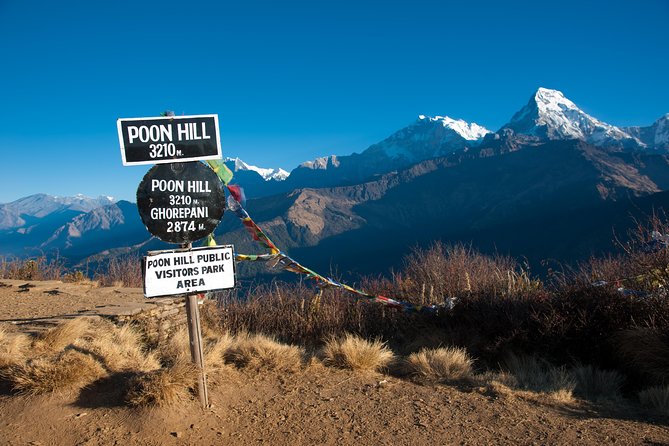
- Poon Hill sunrise timing at 3210m for first light over the Annapurna region
- Chitwan wildlife format: canoe ride plus jeep viewing with a national park guide
- Lumbini monastery overnight at a guest house inside the monastery area
- Hands-on Kathmandu workshops: Tibetan momo cooking and a pottery-making session
- Porter support on trek: two clients share one porter (porter can carry up to 18kg)
- Small-group feel with a maximum of 10 travelers
Kathmandu temple day, with an actual workshop in Thamel
Your trip starts with a meet-and-greet at Tribhuvan Airport in Kathmandu. A representative holds a sign with your name, helps with luggage, and drives you straight to your hotel. On the way, you’ll pass key landmarks like Pashupatinath Temple and get an outside look at the Narayanhiti Royal Palace Museum area, plus a roadside stop near the Garden of Dreams.
Day 2 is classic Kathmandu Valley, but it’s paced so you don’t feel like you’re sprinting. You begin at Swayambhunath (Monkey Temple), where the stupa sits on a hill and the views look out over the city and valley. If monkeys are around, treat your bag like it’s sacred—store snacks and valuables so they don’t get curious.
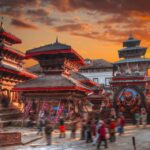
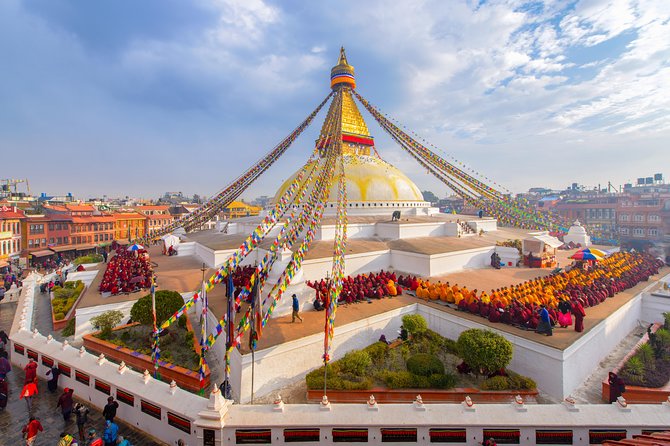
Next is Boudhanath Stupa, one of the largest spherical stupas in the world. You’ll do a clockwise kora walk around the stupa, which is the kind of simple practice that makes a place feel peaceful instead of touristy. You’ll also get free time to grab lunch nearby—rooftop options with a stupa view are a good call if you want photos that feel like Kathmandu.
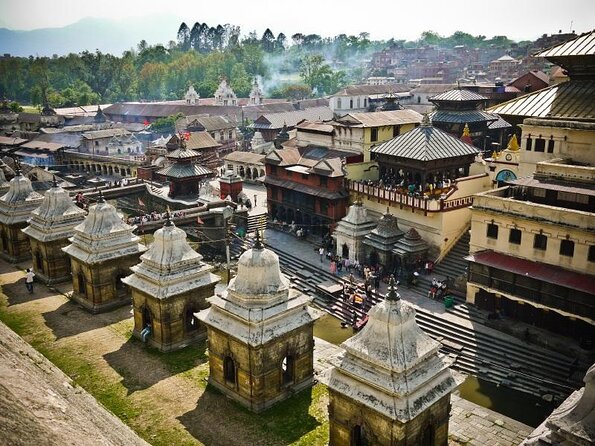
Pashupatinath is last on the temple list, and it’s powerful in a different way. You’ll see Hindu rituals along the Bagmati River, including the Sandhya Aarti in the evening worship timing (lamps, prayers, hymns). Then you get a change of pace in Thamel with a Tibetan momo dumpling cooking workshop. That hands-on meal is a great way to learn the food culture in one sitting, and you’ll finish the night with local dinner based on what you make.
You can also read our reviews of more tours and experiences in Kathmandu.
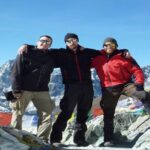
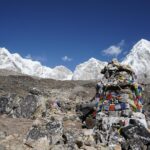
Bhaktapur crafts, street food, and Namo Buddha’s quieter rhythm
Day 3 leans into Kathmandu Valley culture beyond the big names. Bhaktapur Durbar Square is where you’ll slow down and let your guide explain the history of the square and its temples. Even if you’ve seen other Durbar Squares, Bhaktapur has a different feel—more craftsmanship energy and smaller-scale streets.
Lunch comes as street food time with your guide pointing you to stalls. This is one of those days where you learn how locals snack between chores and life, not just how tourists take photos. Don’t over-order—share items and taste broadly.
Then comes the Pottery Square workshop, where you can try making clay pots alongside local craftspeople. It’s the kind of activity that makes souvenirs feel earned. If you’ve ever bought a pot and wondered how it’s made, this answers that.
From there you travel via Namo Buddha stupa and monastery toward Dhulikhel, a calmer village area in the Kathmandu Valley region. Namo Buddha is a good contrast day—less noise, more reflection—so you land in the hills ready for the next leg.
Chitwan: canoe, jeep viewing, and Tharu culture that isn’t just a show
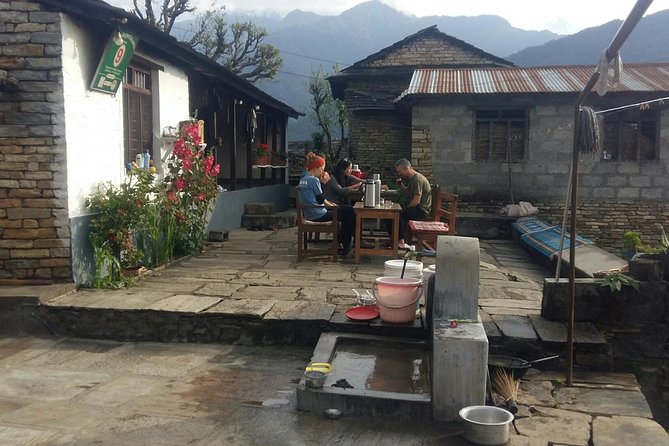
Chitwan is your move south, early drive from Dhulikhel into Chitwan National Park. You’ll arrive for lunch at your hotel, then spend the afternoon on Tharu village culture. A national park guide handles the village walk, which helps it feel like a real community visit instead of a scripted performance.
You’ll also stop at the Sauraha Tharu Cultural House for daily dance and music. If you want to join in, there’s an open invitation to participate in the dance act, and you’ll learn the rhythms and styles from the region. Even if you don’t join, it’s a straightforward way to understand Tharu culture without doing guesswork.
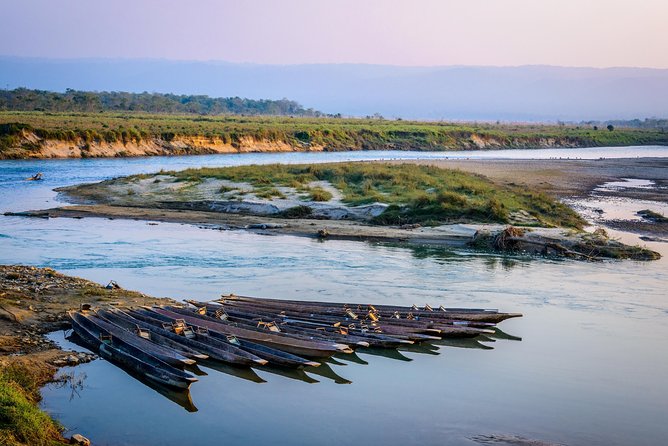
On Day 5, the wildlife portion runs on two tracks. First you have a canoe ride along the river toward a starting point for a jungle walk. After lunch, you switch to a jeep ride where you’ll look for wildlife like rhinos, elephants, birds—and tiger sightings if you’re lucky. This setup is practical: the canoe gets you quiet proximity, and the jeep increases your odds of spotting animals at distance.
One more note: national parks can be about patience more than instant results. If you go focused on the experience—birds, tracks, river bends—you’ll enjoy it even on days without the headline animal.
Lumbini’s calm, plus a monastery overnight
Day 6 shifts to Lumbini, the birthplace of Buddha, and a major pilgrimage site. It’s UNESCO-listed, and what you’ll notice right away is how many different temples belong to different traditions. Your local guide walks you through the key areas, including the place connected to the Buddha’s birth.
The standout detail here is the overnight stay in a guest house inside a monastery area. That’s not a standard hotel experience, and it changes the tone of the night. You’ll get a quieter rhythm, and it suits people who like their travel to include moments of stillness.
Even if you’re not a religious traveler, Lumbini works as a cultural reset. You’re surrounded by rituals, gardens, and careful architecture, and it’s one of Nepal’s best breaks from traffic and trekking.
Pokhara: lakeside evening time and Sarangkot sunrise over big peaks
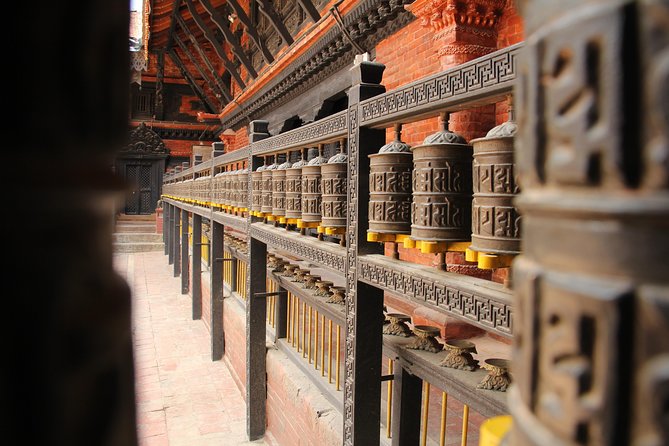
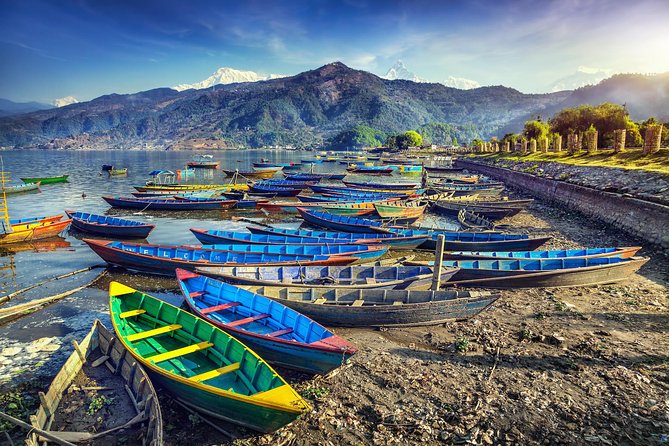
Pokhara starts with a private transfer from Lumbini. Once you arrive, you get free afternoon time around the lakeside with views over Lake Fewa. This is where you can slow down, pick a restaurant, and just watch the lake life.
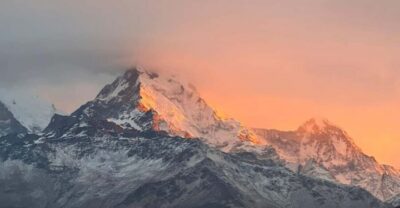
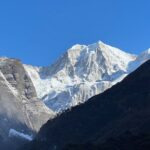
Day 8 begins early for Sarangkot. You’ll drive about 30 minutes to catch sunrise views as the first light hits the mountains in the background. From here, you can see Annapurna, Fishtail, Dhaulagiri, and more, which is why this stop is a staple. Sunrise is a good use of the early start because it’s a payoff you can feel in your photos and your memory.
After that, you’ll visit the International Mountain Museum, which focuses on Nepal’s mountaineering story and peak exhibitions. Then you move to the waterfalls and caves: Devi’s Fall (a waterfall flowing from underground) and Gupteshwor Mahadev Cave across the street, where a stalagmite is worshipped as a Shiva lingam.
You’ll also go to the World Peace Pagoda on a hill overlooking Lake Fewa and the mountains. Sunset time is built in here, which is a smart way to wrap a long day without another early-morning demand.
If you’re the adventure type, there’s an optional paragliding flight over Fewa Lake. It’s a 30-minute tandem experience and costs an extra 100 USD per person. If skies are clear, it can be a high-value add-on; if clouds roll in, you might feel you paid for weather. Your guide should be the one to confirm what’s practical on the day.
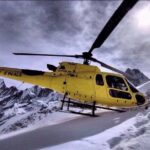
Ghorepani Poon Hill trek: villages, rhododendron, and the 3210m sunrise climb
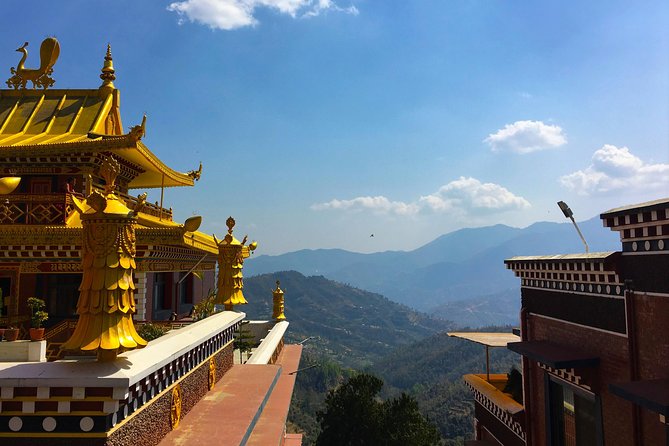
Days 9 through 13 are the heart of the trip: the Ghorepani Poon Hill trek. The route is guided, with lodge stays along the way, and you’ll hike through old villages, terraced fields, and green hills. You’ll start from Nayapul, trek toward Ulleri, and then move onward to Ghorepani.
On Day 9, the hike time is about 5 hours to Ulleri. You’ll stop for lunch at Hile, then continue to Ulleri. When you check in at the lodge, you’ll have a traditional Nepalese mountain dinner, which helps you feel like part of the trekking rhythm instead of just passing through.
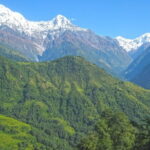
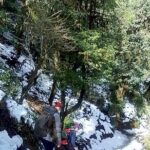
Day 10 brings another about-5-hour hike, from Ulleri to Ghorepani. Along the way, you’ll get mountain views including Machhapuchhre, Huinchuli, and Annapurna South, plus the world’s largest rhododendron forest. When you reach Ghorepani in the afternoon, you can stroll the village and talk with locals and other trekkers. This down time matters. It’s where you catch your breath and get comfortable with the altitude feeling.
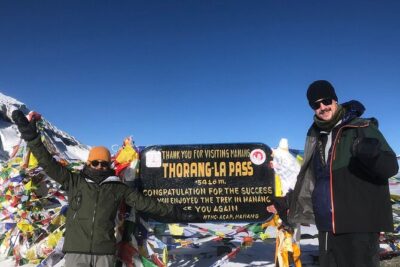
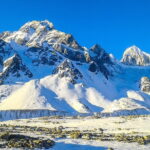
Day 11 is the early-morning push to Poon Hill (3210m). You’ll start before sunrise, then trek from Ghorepani to Tadapani after the view. Poon Hill’s advantage is the panorama: you’re set up for first light over Annapurna and Dhaulagiri ranges. Then the day shifts from peak excitement to forest trekking, with rhododendrons leading the way.
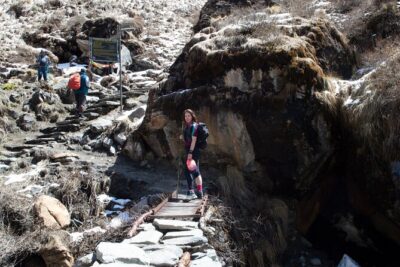
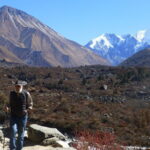
Day 12 is a longer walking day, around 8 hours. You’ll trek through jungle areas and streams, then pass through Gurung villages. You’ll reach Ghandruk for lunch and a rest, then continue toward Tolka via Landruk and other village sections. For me, this is where the trip becomes more than scenery. The village texture, the stone paths, and the slow rhythm of walking makes the mountains feel close.
Day 13 brings the downhill return segment. You’ll hike from Tolka back toward Pokhara via the Australian Base Camp area, then head downhill to Kande. A driver is waiting at Kande, and you’ll ride back to Pokhara. That transfer is a relief after the footwork, and it helps you avoid arriving at Pokhara exhausted.
Trek comfort that matters: porters, lodges, and pacing your days
One of the quietly important parts of this trek is porter support. During the trekking, you have a porter shared by two clients, with a porter carrying up to 18 kilos. That matters because your daypacks can stay lighter, and you’ll enjoy the trail more.
Lodge stays also help. You check in at Ulleri, Ghorepani, and Tolka, and you’re not doing a daily tent setup. That reduces stress and keeps your energy for views and walking.
That said, this is still trekking. Moderate physical fitness is required, and you’re spending long hours on foot on multiple days. If you’ve never hiked at altitude before, plan to take it slow and let your breathing guide your pace—especially around sunrise and the higher viewpoint at Poon Hill (3210m).
Price and value: what your $1,829.12 covers (and what it doesn’t)
At $1,829.12 per person for about 15 days, this trip is priced like a guided Nepal sampler with a mix of private transport and trekking logistics. You’re getting deluxe hotels with daily breakfast, all taxes/fees/handling charges as stated, national park fees and trekking permits, a fully guided sightseeing program, and land transportation by private air-conditioned vehicle with a professional driver.
It also includes meals during the trek periods: breakfast counts are listed as 9, plus 2 lunches and 2 dinners. If meals outside those listed aren’t included, you’ll pay for your own lunches and drinks during free time blocks.
What’s not included is important for budgeting. Nepal visa fee isn’t included. Entry fees during sightseeing are listed as approximately 60 USD per person, and tipping for guide, drivers, and supporters is also not included. Optional or surcharge activities include paragliding at 100 USD per person, and other cave/waterfall entry fees are not specified as included. Travel insurance and international flights aren’t included either.
For value, I’d look at the fact that you’re combining multiple big regions—Kathmandu Valley, Chitwan, Lumbini, Pokhara—and adding a guided trekking segment with permits and park access. If you tried to DIY even half of that chain, you’d likely spend more time on coordination and more money on last-minute fixes.
Guide quality and small-group size you can feel
The trip is set up for a small group experience with a maximum of 10 travelers. That matters on tour days. You’re more likely to get personal attention, quicker adjustments in timing, and less waiting than on bigger buses.
The guide piece is a big deal for Nepal. This operator uses English-speaking guides for sightseeing, and the trek is also guided. In past trips, guides have been specifically praised, including Nabaraj (Naresh) and Shiva, and a planner/coordinator named Nilam is mentioned in traveler feedback. You can’t guarantee a specific guide on your dates, but those examples tell you the service team gets it right often.
Should you book this Nepal combo trip?
I’d book this if you want one clear plan that covers the major Nepal hits without you managing details. The reason is simple: you get guiding where it matters (temples, park areas, and trekking) and you still get free time to enjoy Pokhara lakeside on your terms. The workshops in Kathmandu are another plus because they teach you something you can carry home.
I’d hesitate if your top priority is guaranteed mountain visibility. Weather can reduce views even when you plan for sunrise and peak viewpoints. Also, if you hate early mornings, the Sarangkot start and Poon Hill sunrise day are built into the rhythm.
If you’re okay with a little structure, a moderate fitness push, and budgeting for the extras you choose (and tipping), this tour looks like a strong value for a first-time Nepal trip with an unforgettable trek centerpiece.
FAQ
What’s the meeting point and start time?
The tour starts at Tribhuvan Airport in Kathmandu, Nepal, with a start time listed as 9:00 am.
What’s included in the price?
Accommodation (including daily breakfast as stated), taxes and fees, national park fees and trekking permits, a fully guided sightseeing program with an English-speaking guide, private land transportation, and trek porter support as described. Meals included are 9 breakfasts plus 2 lunches and 2 dinners.
What isn’t included?
Food and drinks outside what’s listed in the itinerary, tipping, donations at monasteries/temples/schools, Nepal visa fee, sightseeing entry fees (approx. 60 USD per person), international flights, travel insurance, and any other items not specified.
Is the Ghorepani Poon Hill trek guided, and do I get a porter?
Yes, it’s guided, and porter support is included. During the trekking, two clients share one porter, and the porter can carry 18 kilos.
How high does the trek go?
Poon Hill is listed at 3210m. The route also includes other elevation points such as Ulleri, Ghorepani, and Tadapani (listed as 2650m for Tadapani).
Is paragliding included?
No. Paragliding above Fewa Lake is optional, and it’s listed as a surcharge of 100 USD per person.
How far in advance can I cancel?
You can cancel up to 6 days in advance for a full refund. For a 50% refund, cancel 2–6 days before the experience start time. Within 2 days of the start time, no refund is listed.