REVIEW · KATHMANDU
Annapurna Tilicho Lake Trek
Book on Viator →Operated by Accessible Adventure Pvt. Ltd · Bookable on Viator
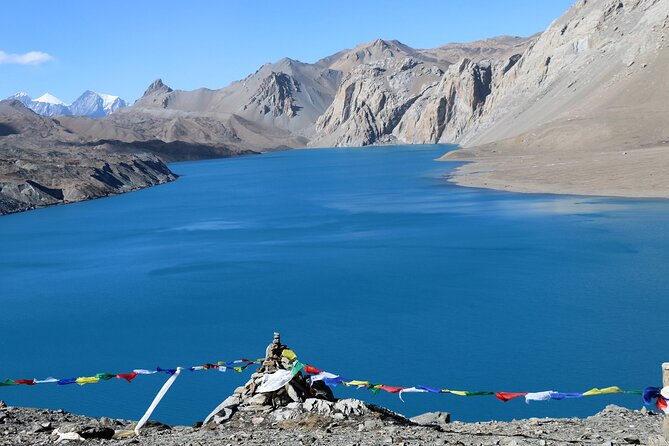
Tilicho Lake feels like a finish line. This Annapurna Circuit with Tilicho Lake and Poon Hill tour strings together forests, meadows, two of the Himalaya’s biggest “wow” days, and the famous pass-country in between.
I love that the trip is built for real trekkers’ pacing, with an acclimatization day in Manang and practical choices like sleeping at Thorong Phedi instead of gambling on the higher High Camp. I also like that you’re not left juggling logistics: permits, a trek leader, assistant guide, and porter support are included, plus you get key gear like a sleeping bag and down jacket.
The main drawback to consider is altitude. You’ll reach Thorong La (5416m) and spend long days at elevation, so you’ll want steady fitness and a no-rush mindset.
In This Review
- Key highlights that matter
- A Trek Built Around Big Nepal Moments (Tilicho, Thorong La, Poon Hill)
- Kathmandu Arrival: Two Hotel Nights and a Clean Start
- Syange to Dharapani: Waterfalls, Jeep Roads, and Oak-Forest Climbing
- Chame and Pisang: The Vegetation Shift You Came For
- Manang Acclimatization Day: How You Protect the Big Days Ahead
- West to Tilicho: Khangsar Sadak and the New-Path Scree Choice
- Tilicho Lake Day: Steep, Loose Ground and Glacier Steps
- Yak Kharka to Thorong Phedi: Meadows First, Then Pass Logistics
- Thorong La Pass Day (5416m): One Long Workday, Not a Sprint
- Muktinath to Marpha: Temples, Downhill Focus, and Jomsom Wind
- Kalopani and Tatopani: Gorge Views and a Real Hot Spring Break
- Ghorepani and Poon Hill Sunrise: The Classic Payoff
- Finishing in Pokhara and Back to Kathmandu
- Price and Logistics: Is $1,430 Good Value for 20 Days?
- Who Should Book This Trek (and Who Should Consider Another Plan)
- Should You Book the Annapurna Tilicho Lake Trek?
- FAQ
- How long is the Annapurna Tilicho Lake Trek?
- What time does the experience start?
- What’s included for trekking support?
- Are permits and equipment included?
- Are meals included during the trek?
- What Nepal visa details are provided?
Key highlights that matter
- Tilicho Lake: a long, scree-heavy push to reach the world’s highest lake area in the Manang region
- Manang acclimatization: an extra day in town with optional walks to help you adjust before the harder days
- Thorong La planning: pass day includes High Camp as an idea, but the team favors sleeping at Thorong Phedi
- Poon Hill sunrise: a pre-dawn hike for panoramic Annapurna views from a classic viewpoint
- Support that’s actually useful: experienced English-speaking licensed leaders plus a porter ratio built in
- Small group feel: up to 12 travelers, so you’re not hiking in a huge crowd
A Trek Built Around Big Nepal Moments (Tilicho, Thorong La, Poon Hill)
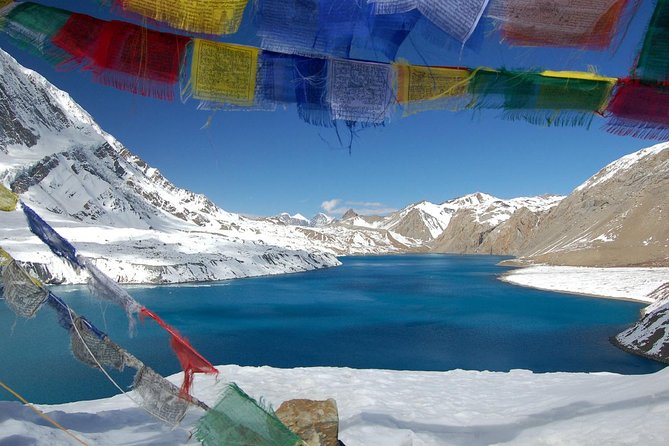
This is not just one signature day. It’s a chain of them. You start in Kathmandu, then work through the Annapurna Circuit route, detour west to chase Tilicho Lake, rejoin the main circuit for Thorong La, and finish with the classic “golden views” from Poon Hill.
What makes it work for most people is the rhythm. You’re given enough low-to-mid altitude walking to build legs, a full acclimatization day in Manang, then a gradual climb into the pass zone. The days are still demanding—this is high Nepal trekking—but the structure is designed to keep you moving safely and sensibly.
You can also read our reviews of more tours and experiences in Kathmandu.
Kathmandu Arrival: Two Hotel Nights and a Clean Start
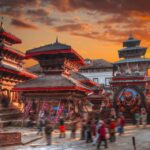
Your trip opens in Kathmandu with an airport representative and a private vehicle transfer to a hotel. You also get two nights in Kathmandu with breakfast at a deluxe suite-type hotel (and there are welcome and farewell dinners on the plan).
This matters because Kathmandu isn’t the part you want to scramble through. You’ll have time to handle Nepal entry paperwork, check gear, and mentally shift from traffic noise to trekking mode. If you’re a first-time trekker, those two buffered nights can make the whole experience feel less chaotic.
Practical note: the trek requires permits (included in the package), but it still helps to double-check your passport info and keep photos handy for the visa process you arrange on your end.
Syange to Dharapani: Waterfalls, Jeep Roads, and Oak-Forest Climbing
Day 2 takes you by vehicle toward Syange, with a jeep stretch at the end. Expect a bumpy, winding road that can be scenic if you’re okay on small roads—this is the kind of start that reminds you Nepal travel has its own style.
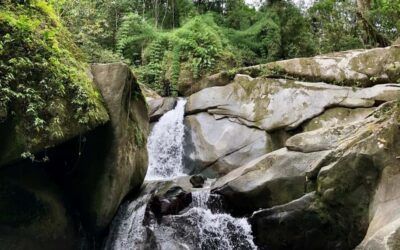
Then Day 3 becomes classic Annapurna river-valley trekking. You’ll walk up and down along trails, cross a suspension bridge, and climb through oak forest. The valley narrows into a deep gorge, with waterfalls showing up often, and you reach Tal (at around 1700m) and then onward to Dharapani, where the walking time is listed at about 6–7 hours.
A small cultural detail I appreciated from the route: there’s a local custom to pass mani walls on the left-hand side. It’s the kind of thing that costs nothing and makes you a better guest.
Chame and Pisang: The Vegetation Shift You Came For
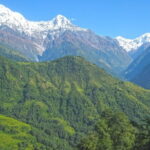
Days 4 and 5 focus on steady hiking through changing plant zones—exactly what makes the Annapurna region feel like a journey rather than just movement. You’ll climb from Dharapani toward Bagarchap, with views of peaks like Annapurna II when the valley opens, then continue through Danakyue to Temang.
On Day 4 you’ll notice the vegetation shift toward pine and fir, and you’ll also pass apple orchards around Thanchok Village. That’s a good sign the region’s ecology is transitioning, and it keeps the walk interesting even when weather or fatigue dull the mind.
Day 5 goes through blue pine and fir along the river, past the old Brathang area where you can still sense the Tibetan resistance story in the landscape, then up to Upper Manang. The trail clings to cliffs in places, and you’ll cross bridges with a big rock face (Mui Tscho / Paunde Danda) rising dramatically above the valley.
If you get motion-sickness easily, this middle segment can include cliffside exposure and river viewpoints—take it slow, drink water, and keep your focus on foot placement.
Manang Acclimatization Day: How You Protect the Big Days Ahead
Day 7 is an acclimatization day in Manang. This is one of the most valuable parts of the entire plan. You stay active with short walks, rather than sitting and hoping altitude won’t notice you.
The route even points you to nearby sites like Bodzo Gompa or Gangapurna Lake. Manang itself is also highlighted as a place where Himalayan Rescue Association operates with volunteer western doctors during trekking seasons. That doesn’t mean you’re expecting trouble—but it does mean the region is set up for the reality of altitude and emergencies.
This is also where you should make your “altitude rules” concrete. You’ll likely feel tempted to push, especially if you’re feeling good. Instead, you’ll protect yourself with steady effort, adequate rest, and a pace that doesn’t spike your breathing.
West to Tilicho: Khangsar Sadak and the New-Path Scree Choice
Once you leave Manang, the route heads out through western gates and follows the south side of the Marshyangdi River through conifer forest toward Khangsar. Day 8 includes an exposed scree section, plus crossing the Kangsar Khola and ascending back to village.
This section is important because Tilicho requires a different kind of mountain thinking. You’re not just climbing steadily; you’re dealing with loose rock and terrain that can slow you down. Your goal is rhythm, not speed.
Day 9 brings you toward Tilicho Base Camp. You’ll pass a monastery, then follow a recently constructed path up toward a high ridge. A key moment here is an intersection where one route maintains altitude but goes steep scree, while the other climbs differently along the ridge line. The plan favors the new path, then descends via switchbacks through scree to reach Tilicho Base Camp.
That one decision is the difference between a day that feels controlled and a day that feels like a scramble.
Tilicho Lake Day: Steep, Loose Ground and Glacier Steps
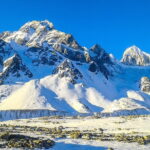
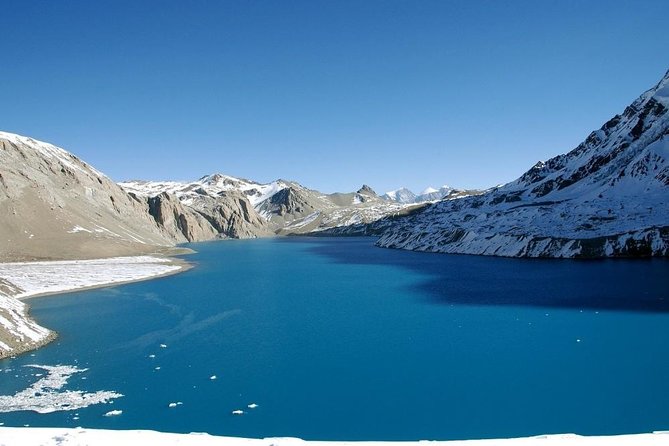
Day 10 is the Tilicho Lake hike. From Tilicho Base Camp, you continue along the route toward the lake shore and then leave the lake area to reach a small saddle above. The description emphasizes loose scree and boulders, and a steep approach that demands careful footing.
Then you move onto an area described as a flat glacier with no crevasses and considered safe. From there you’ll follow guidance for where to step and when to switch sides, aiming toward an obvious saddle westward and then through a watershed.
This is the part where you’ll want calm concentration. The scenery is the prize, but the success of the day comes from small things: staying balanced on scree, not over-striding, and following the route markers and instructions closely.
Yak Kharka to Thorong Phedi: Meadows First, Then Pass Logistics
Day 11 drops you from Tilicho Base Camp down to Kangsar and continues toward Yak Kharka. The route passes old mani walls in meadows—so you get a more open, less rock-heavy feeling after the Tilicho approach.
Day 11 also gives you a good hint about altitude strategy: the plan notes gradual ascent to help avoid altitude problems. Yak Kharka is simple and small, and that’s exactly what you want before the pass day.
Day 12 shifts gears to Thorong Phedi, the base for the pass approach. Thorong Phedi is described as a busy trekking settlement catering to tired trekkers and climbers. Some visitors attempt a hike to High Camp, but the team leader doesn’t advise it here, and instead you sleep soundly closer to the pass start.
That’s smart risk management. High altitude sleep is where people burn energy and make mistakes—so choosing the calmer base for the night can genuinely help you succeed on Day 13.
Thorong La Pass Day (5416m): One Long Workday, Not a Sprint
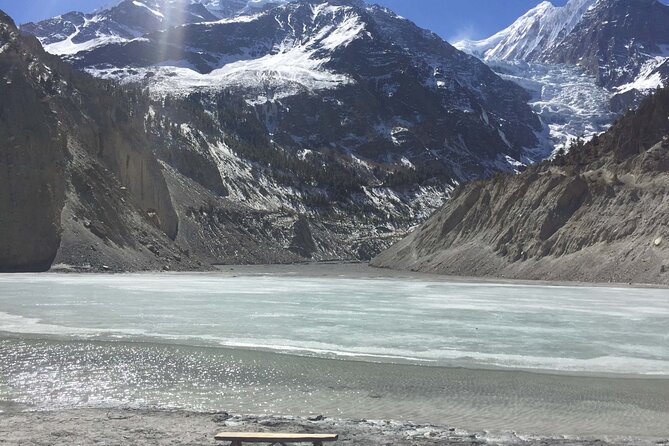
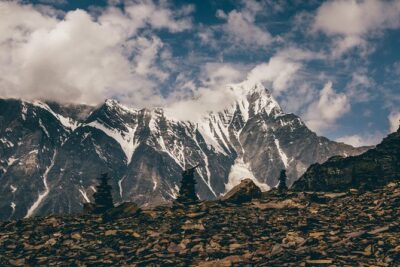
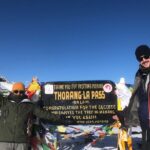
Day 13 is the big pass: Thorong La at 5416m. The route is described as early start, gradual climb, and then increasingly strenuous trekking with false summits. That’s a common pass pattern—your brain thinks you’re close, and the mountain politely keeps moving you goalposts.
When you reach the top, you’ll be rewarded with breathtaking scenery. But the plan also specifically reminds you that at high altitude you may feel lethargic. Translation: don’t treat it like a casual summit. You’ll plan for a long day, take breaks when needed, and keep your breathing steady.
Muktinath to Marpha: Temples, Downhill Focus, and Jomsom Wind
Day 14 begins with a morning visit to Muktinath and then breakfast before trekking downhill toward Ekley Bhatti. The route notes steep downhill, so trekking poles become less optional and more useful.
Then you head toward Jomsom. The route description gets very practical about conditions: Jomsom can be windy, and it suggests using a full face mask and wind stopper jacket to avoid windblast. That’s the kind of gear detail that can save your day.
Day 15 centers on Marpha (including apple day vibes) and then walking along bhattis and tea shops, with apple brandy tastings and views toward the Dhaulagiri side. There’s a mention of the Dhaulagiri icefall, plus an optional stop that could include visiting Tukuche Distillery that supplies water to nearby villages.
This day is more about rhythm and flavor than about crushing altitude. It’s a nice reset after pass intensity.
Kalopani and Tatopani: Gorge Views and a Real Hot Spring Break
Day 15 continues toward Kalopani with flatter walking through villages like Tukuche, and views of Dhaulagiri icefall if conditions allow good sightlines. It’s a supportive day for the legs—still hiking, but not the kind of terrain that punishes every step.
Day 16 brings you to Tatopani. The day includes a major descent (listed as more than 1000m down) toward Dana and lunch, with the route highlighting deep gorge views and then a trek mostly downhill for about 3 hours to reach Tatopani. The reward is a natural hot spring where you can relax and soak.
If your body is tired, this is the kind of “payback day” that makes the later trekking days feel possible again. Even if you don’t love hot springs, simply sitting there for a bit can help you recover.
Ghorepani and Poon Hill Sunrise: The Classic Payoff
Day 17 climbs from about 1190m up toward Ghorepani at around 2780m (a hike described as a challenge). You pass villages like Ghare, Shika, Phalate, and Chhitre and the route notes the Magar and Gurung communities. Expect narrow paths and frequent village interruptions.
It’s also emphasized that you’ll want to sleep early so you can wake up before sunrise on Day 18. That’s because the real star here is the Poon Hill pre-dawn hike.
Day 18 takes you up Poon Hill before sunrise for panoramic Annapurna views, then you descend to Ghorepani for breakfast and continue toward Nayapul on the popular route via Ulleri, Tikhedhunga, Birethanti, and onward.
This is a good transition from altitude work to lower-elevation trekking style. Your body will feel the difference.
Finishing in Pokhara and Back to Kathmandu
Day 19 brings you back to Kathmandu by tourist bus in the morning around 7–8 AM, and you’ll arrive near the company office area for hotel transfer and the chance to join a farewell dinner in Thamel. Then you stay overnight in Kathmandu.
You also get included accommodation in Pokhara with breakfast the prior night. That night is your buffer after the final trekking leg, so you can clean up, eat something normal, and sleep without worrying about the next morning’s pack-up routine.
If you want an authentic souvenir, grab snacks and small supplies in Pokhara, then go easy once you’re back in the Kathmandu rhythm.
Price and Logistics: Is $1,430 Good Value for 20 Days?
The listed price is $1,430 per person for roughly 20 days. For a trek in this region, the value depends on what you’d otherwise pay and manage on your own.
Here’s what’s included that usually drives costs up when you DIY:
- Government-licensed English-speaking trek leadership (leader plus assistant leader) and a defined porter ratio (2 trekkers to 1 porter)
- Permits (ACAP and TIMS) handled by the tour
- Key trekking support: medical kit carried by the trek leader
- Gear support like a down jacket and sleeping bag (returned after the trip) plus a trekking map and bag/duffel/t-shirt
- Transportation: Kathmandu-to-Syange by public vehicle, Nayapul-to-Pokhara by private vehicle, and the Pokhara-to-Kathmandu tourist bus
- Included nights: two nights in Kathmandu and one night in Pokhara with breakfast
- Welcome and farewell dinners
What’s not included (and can affect your real daily budget):
- Travel insurance and international airfare
- Nepal entry visa cost (you arrange it on arrival)
- Hot showers during the trek
- Cold drinks and extra beverages
- Personal trekking equipment
- Tips for staff and driver
- Most trek meals are listed as not included, though the plan shows at least some included meals on certain trekking days
So my practical take: this is a solid value if you want someone else to handle permits, leadership, and the hard coordination pieces—especially if this is your first major Nepal trek. It’s less of a bargain if you already have all your gear, you want to run independently, and you don’t need porter/guide support.
Who Should Book This Trek (and Who Should Consider Another Plan)
This tour is described for people with moderate physical fitness. In real terms, you should be comfortable with long walking days, steep ups and downs, and the idea that altitude can slow your energy fast.
You’ll likely be a great fit if:
- You want a structured route that includes acclimatization in Manang
- You prefer guided decisions on routing and safety (like the Tilicho/Thorong La logistics)
- You want the classics—Tilicho Lake and Poon Hill sunrise—without having to plan every turn
You might want to think twice if:
- You struggle with high altitude work and you don’t handle breathlessness well
- You’re unwilling to follow pace and rest guidance
- You’re sensitive to cold wind (Day 14 near Jomsom calls out mask and wind protection)
If you’re a first-time trekker, the support model matters a lot here. The plan’s porter ratio, leadership staffing, and permit handling can take stress off your shoulders.
Should You Book the Annapurna Tilicho Lake Trek?
I’d book this tour if you want a guided Annapurna experience that reaches the headline targets—Tilicho Lake, Thorong La, and Poon Hill—and you value clear logistics handled for you. The included permits, the leadership staffing, and the Manang acclimatization day make it feel more like a smart plan than a risky one.
If your budget allows and you’re mentally prepared for altitude and loose-rock terrain, you’ll get a trek that feels varied: forests, orchards, monasteries, hot spring recovery, and a sunrise viewpoint that’s famous for a reason.
FAQ
How long is the Annapurna Tilicho Lake Trek?
It’s listed as 20 days approximately, starting in Kathmandu and ending back in Kathmandu after the trekking and transfers.
What time does the experience start?
The start time is listed as 7:00 am.
What’s included for trekking support?
The package includes an experienced English-speaking government-licensed trek leader and assistant trek leader, plus porter service (2 trekkers to 1 porter). It also includes a medical kit carried by the trek leader.
Are permits and equipment included?
Yes. Permits (ACAP and TIMS) are included, along with equipment like a down jacket and sleeping bag (to be returned after the trip).
Are meals included during the trek?
Trek meals are listed as not included (breakfast, lunch, and dinner). However, welcome and farewell dinners are included, and some specific meals appear as included on certain days.
What Nepal visa details are provided?
You can obtain a visa on arrival at Kathmandu’s Tribhuvan International Airport. A multiple-entry tourist visa good for 30 days costs US $40 (or equivalent), and a multiple-entry tourist visa good for 90 days costs US $100. The guidance says to bring 2 copies of passport-size photos.