REVIEW · HANOI
Sapa Trekking Tour 2 Days 1 Night By Bus
Book on Viator →Operated by Hanoi Green Travel · Bookable on Viator
Two days in Sapa fly by fast. This tour strings together a sleeper bus ride from Hanoi with real guided trekking in the Muong Hoa Valley, plus village visits tied to the Black H’mong, Dao, and Dzay communities. I particularly like the overnight choice—from homestays to hotel options—so you can match the trip to your comfort level. And if you get lucky with the right guide, names like Vu, Koo, and Mu come up a lot for their clear explanations and friendly pace.
The main drawback to keep in mind is timing and effort. Treks can be rough in spots, and the bus ride depends on the driver—if the pace is slower, the trip can stretch longer than you expect. Cat Cat also has a more tourist-facing feel than the quieter trails, so set your expectations accordingly.
In This Review
- Key things to know before you go
- Entering Sapa the practical way: Hanoi pickup and the sleeper bus at 6:30
- My simple advice for comfort
- Day 1 in the Muong Hoa Valley: downhill trekking toward Lao Chai
- What makes Day 1 work well
- One reality check
- The village stops: Cat Cat, Giang Ta Chai, and Su Pan (and what to expect)
- A small social note that matters
- Overnight choice changes everything: homestay life vs hotel comfort
- Homestay option: closer, early, and more local
- Hotel option: easier logistics and a longer trek
- Comfort tip that really matters
- Day 2: Dzay morning at the homestay and the Ho Su trek (plus the hotel-route alternative)
- If you stayed in a homestay
- If you stayed in a hotel
- Food and the waterfall moment: what’s included and why it matters
- How to approach meals as a practical traveler
- Guides and group size: keeping it small enough to be real
- Trekking reality check: terrain, pace, and moderate fitness
- What you can do to make the trek easier
- Price and value at $85: what’s included and what you’d pay separately
- Who should book this Sapa 2D1N trekking tour
- Should you book it?
- FAQ
- What time does the tour start?
- How do I get to Sapa from Hanoi?
- Is pickup included in the price?
- What’s included with the tour price?
- Where do the village visits take place?
- What’s the trek distance on Day 1 and Day 2?
- What overnight accommodation options are available?
- What if the weather is bad or I need to cancel?
Key things to know before you go
- Hanoi pickup + sleeper bus: You’re collected early in the Old Quarter and travel overnight in an air-conditioned sleeping bus with WiFi.
- Two very different trek days: Day 1 leans into a longer downhill; Day 2 changes depending on whether you choose hotel or homestay.
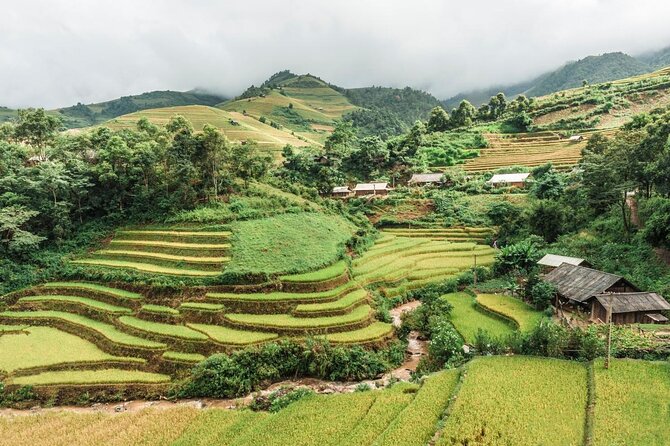
- Ethnic-minority village visits: You’ll pass through communities linked with Black H’mong, Dao, and Dzay people, not just viewpoints.
- Overnight options: Homestay can mean closer, simpler experiences; hotel options add comfort—your choice affects the whole rhythm.
- Some stops are more photo-focused: Cat Cat can feel built for visitors, so you may prefer the trekking sections for the most authentic moments.
- Moderate fitness is required: The program asks for moderate ability—terrain can be uneven and slippery after rain.
Entering Sapa the practical way: Hanoi pickup and the sleeper bus at 6:30
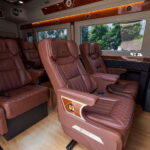
This trip starts early, with pickup around 6:30 am from the Hanoi Old Quarter (by taxi transfer to the bus station). Then it’s on to a sleeper bus to Sapa, with air-conditioning and WiFi onboard. You’ll reach Sapa around the early afternoon on the hotel option schedule, and the plan keeps you moving rather than waiting around.
Here’s the real-world value of the overnight bus: you save a full day of transit. That matters in Sapa, where the trekking starts best when your time isn’t chopped up. It also means you don’t need to solve transport on your own—hotel pickup, bus, and guide handoff are part of the package.
One thing to plan for: bus schedules can flex. Some people report that the drive can run longer than expected if the driver takes a slower pace and makes fewer toilet stops. So if you’re the type who gets anxious about delays, keep a little buffer in your mindset. A long, seated “sleep” ride isn’t always elegant.
You can also read our reviews of more tours and experiences in Hanoi.
My simple advice for comfort
- Dress in layers. Even with A/C, you can feel chilled on night buses.
- Bring something for your feet (socks help) and keep water handy when you can.
- Keep your day-pack small enough that you can access it without playing suitcase Tetris.
Day 1 in the Muong Hoa Valley: downhill trekking toward Lao Chai
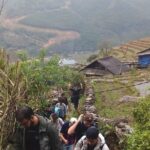
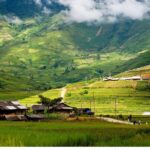
Day 1 is built around a 12km trek that runs down the Muong Hoa Valley toward the Black H’mong village of Lao Chai (in the homestay option timetable). Expect a downhill focus through village areas such as Y Linh Ho and Lao Chai.
Downhill trekking sounds easier than uphill—until you’re actually on uneven paths. The benefit is you often get steady views and a natural flow through terraced and valley scenery. The cost is your knees. Uneven stone steps, muddy sections, and slippery stretches after rain can make a “downhill” feel more like a careful scramble.
This is also where the village route starts to feel more human. Lao Chai isn’t just scenery; it’s a place where you’ll pass daily life along the trail. And since the tour includes lunch (and dinner on your overnight), you’re not forced to guess where you’ll eat once you’re out hiking mode.
What makes Day 1 work well
- Village-to-trail rhythm: You’re moving through real rural areas rather than only reaching viewpoints.
- A downhill start: It can be a good first trek day if you pace yourself.
- Lunch included: Less decision fatigue in the middle of trekking.
One reality check
If rain hits, expect slippery footing. The tour operates with a “good weather required” note, but weather can still shift. Pack for that possibility, not for perfect hiking conditions.

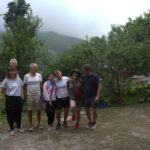

The village stops: Cat Cat, Giang Ta Chai, and Su Pan (and what to expect)
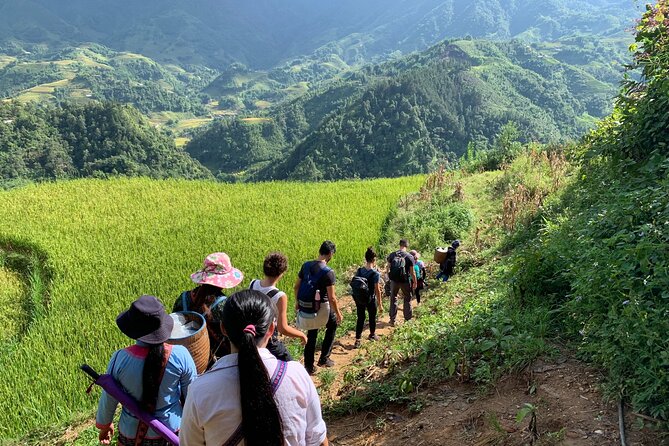
Across this 2 days, you’re set up for multiple village areas, including Cat Cat, Giang Ta Chai, and Su Pan. You also get the cultural framing: communities tied to Black H’mong, Dao, and Dzay people.
Here’s a balanced way to think about it. Not every village visit feels the same on the ground. Some stops can be more organized around visitor foot traffic—Cat Cat is the one you’ll want to approach with “photo-friendly, but don’t expect pure solitude” in your head. That doesn’t automatically make it bad. It just changes what you’ll notice: you’ll see more staged costume moments and easier access for quick photos.
If your priority is walking and views, you’ll likely love the trekking sections most. If your priority is meeting people and seeing village life, keep your eyes open on the transitions—when you pause, watch, and ask a simple question through your guide. That’s where explanations usually matter more than the photo ops.
A small social note that matters
Some stops can bring frequent sales attention. You might get locals following for product talk along the route. That doesn’t have to ruin the experience. Treat it like a normal market dynamic: be polite, keep moving when you’re not interested, and avoid getting pulled into rushed haggling.
Overnight choice changes everything: homestay life vs hotel comfort
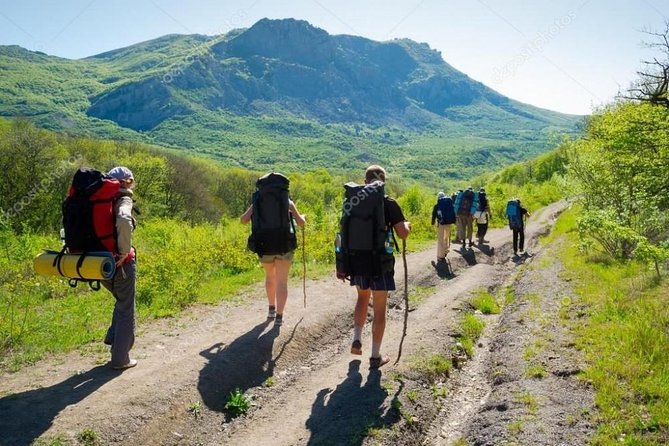
This tour gives you a big decision: homestay or hotel. That choice changes not only your sleep, but your schedule and how the morning feels.
Homestay option: closer, early, and more local
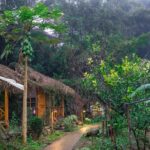
If you choose homestay, Day 2 can start with an experience focused on daily life—wake up early, learn about Dzay minority routines, and then have breakfast with the Dzay family before you head out trekking (a shorter 6–8km trek is listed for this option).
This is the kind of setup that often makes people feel like they got more than “a scenic walk.” You’re not only visiting; you’re sharing a meal and watching routines from inside the home rhythm. Even if you don’t speak the language, your guide can translate the meaning behind what you’re seeing.
Hotel option: easier logistics and a longer trek
If you choose hotel, the Day 2 plan shifts. You’ll have breakfast at the hotel, check out, then go trek again—listed as another 12km downhill segment. The trade-off is that you miss that early homestay-with-family morning.
Comfort tip that really matters
Temperatures can drop when you’re trekking and especially if it’s rainy. A heating blanket has been appreciated on this kind of itinerary, which tells you the trip may not stay warm and dry the whole time. If you’re choosing homestay, expect “simple” rather than luxury—then decide if you like the trade.
Day 2: Dzay morning at the homestay and the Ho Su trek (plus the hotel-route alternative)
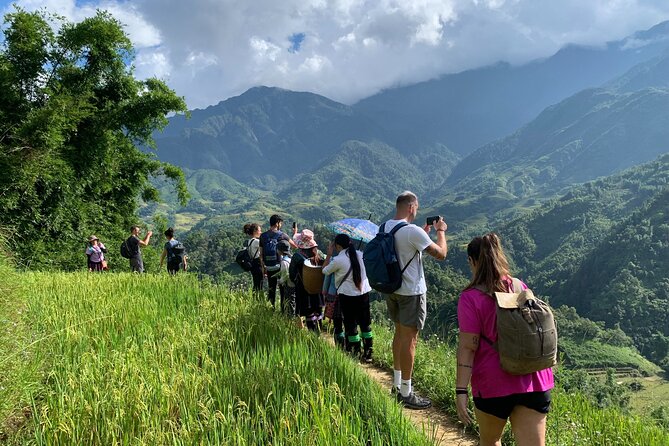
Day 2 is designed as the “second chapter,” with different lengths and vibes depending on your overnight choice.
If you stayed in a homestay
You’ll wake up to learn about Dzay daily life in the morning, then enjoy breakfast with the Dzay family, check out, and start a 6–8km trek into the Ho Su area (as listed in the program).
This route tends to feel more balanced: shorter distance, more interaction, and a strong sense of community context. It’s also a nice way to keep the day enjoyable if Day 1’s terrain left your legs a bit tired.
If you stayed in a hotel
You’ll have breakfast at the hotel, check out, and then trek down another 12km segment. The plan notes that there will be program changes between hotel and homestay options—so don’t assume the route is identical.
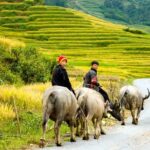
In both cases, the goal is the same: views over northern highlands scenery and rice-terrace style landscapes, plus village exposure. The difference is how much “inside life” you get versus pure trekking flow.
Food and the waterfall moment: what’s included and why it matters
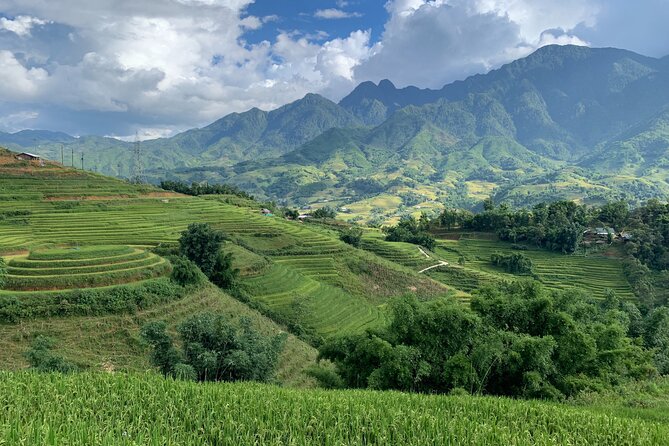
This tour includes meals: breakfast, dinner, and lunch (2). That matters because food decisions in trekking zones can turn into random waiting time or overpriced snacks if you’re hungry and tired.
You can also expect traditional Vietnamese food at key moments. On top of that, the highlights include a chance to swim by a waterfall. That’s the kind of detail that can make a trekking itinerary feel like a full day of memories rather than just exercise.
How to approach meals as a practical traveler
- If you’re sensitive to spicy food, say so to your guide early.
- Carry a small water bottle or plan to refill when you stop (water access can vary by route).
- After long walking, your appetite is usually strong—so accept that lunch hits like a reset button.
Guides and group size: keeping it small enough to be real

The group size is capped at 15 travelers, which is a sweet spot for a trek. It keeps things organized but still allows questions. You’re not hiking in a giant line of strangers, and your guide can slow down when footing gets tricky.
Guides like Vu and Koo come up for sharing culture in a way that’s easy to understand. Another guide name you might see is Mu, described as especially relaxed and friendly. In practice, this is what you want: someone who can explain what you’re seeing and keep your pace safe.
Also, if it rains, you’ll notice how guides handle it—this style of tour includes comfort items like a heating blanket on colder stretches, which makes the whole day feel more manageable.
Trekking reality check: terrain, pace, and moderate fitness
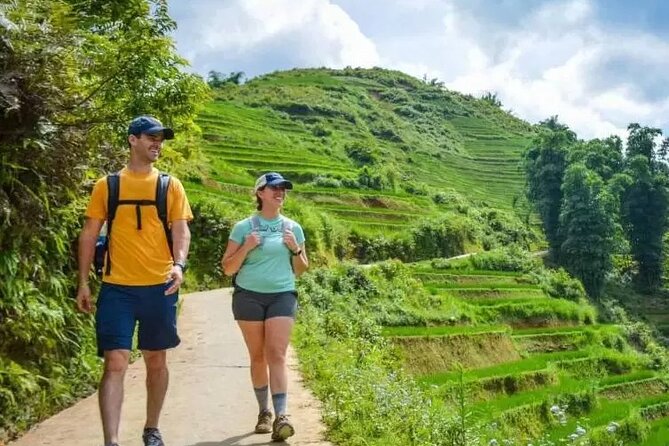
The tour calls for moderate physical fitness. That’s the correct warning. The trails can be rough in parts, even if you’re not doing extreme mountain climbing.
A downhill day can still be tough:
- uneven stones,
- muddy edges,
- sudden footing changes.
That’s why the local support matters on these routes. You may see local women and community members helping along rough terrain, and your guide will guide your path and pacing.
What you can do to make the trek easier
- Wear shoes you trust on slippery rocks.
- Bring a light rain layer or poncho if weather is unstable.
- Pace slower than you think on the downhill parts. Your legs will thank you later.
Price and value at $85: what’s included and what you’d pay separately
At $85 per person, this tour can be a strong value if you compare it to buying pieces separately. Here’s what you’re getting:
- Air-conditioned sleeping bus from Hanoi
- WiFi on board
- Hotel pickup in Hanoi
- Breakfast, dinner, and two lunches
- Guide-led trekking and village visits
- All fees and taxes (as listed)
A big cost driver in Sapa isn’t just trekking—it’s transport + guided logistics + meals. This itinerary handles those for you, which saves planning time and reduces risk of missing the right connection.
The only “hidden” cost can be optional comfort level (depending on your overnight choice) and any extra spending you want during village stops. But the core package is structured so you’re not constantly paying on the fly.
Who should book this Sapa 2D1N trekking tour
This tour is a great fit if you:
- want guided village trekking without building your own itinerary,
- like the idea of either homestay culture or hotel comfort,
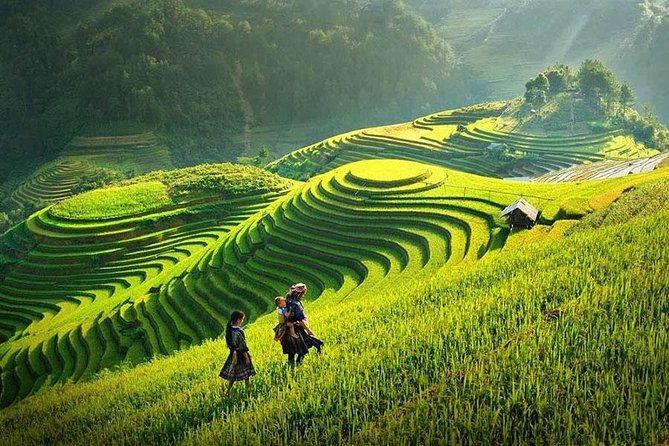
- enjoy scenic valley walks and rice-terrace views,
- can handle moderate trekking and uneven footing.
It may not be ideal if you:
- hate long bus rides (even in a sleeper bus),
- want total isolation (some village areas can be more tourist-facing),
- have knee issues that struggle on downhill terrain.
Should you book it?
I’d book this tour if you want a simple, structured way to experience northern Vietnam’s village trekking—without scrambling for transport, guides, and meals. The overnight choice is a real advantage: you can decide how close to homestay life you want to get, and the day 2 schedule adjusts to match.
If you’re picky about authenticity, lean into the trekking time more than the most visitor-oriented stops. And if you’re sensitive to cold or rain, pack for it and expect some rough trail moments. Overall, this is one of those “worth it because it’s organized” trips, with the trekking and village context doing the heavy lifting.
FAQ
What time does the tour start?
The start time listed is 6:30 am.
How do I get to Sapa from Hanoi?
You travel by sleeper bus from Hanoi, and hotel pickup is included (pickup in the Old Quarter, then transfer to the bus station).
Is pickup included in the price?
Yes. Pickup is offered, and hotel pickup is included on the Hanoi side.
What’s included with the tour price?
Included items are breakfast, dinner, two lunches, an air-conditioned sleeping bus, WiFi on board, and all fees and taxes.
Where do the village visits take place?
The program includes village visits in the Sapa area, including Cat Cat, Giang Ta Chai, and Su Pan, with communities linked to Black H’mong, Dao, and Dzay people.
What’s the trek distance on Day 1 and Day 2?
Day 1 lists a 12km trek (down the Muong Hoa Valley in the schedule provided). Day 2 depends on your overnight choice: 12km for the hotel option, or 6–8km for the homestay option.
What overnight accommodation options are available?
You can choose between a homestay option or hotel accommodation (the tour mentions options up to 5-star hotel, depending on what you select).
What if the weather is bad or I need to cancel?
The tour notes that it requires good weather. If it’s canceled due to poor weather, you’ll be offered another date or a full refund. There is also free cancellation up to 24 hours in advance for a full refund.