Lawudo Gompa turns the whole Everest trip idea on its head. I love how this route pairs classic Himalayan trekking (Lukla, Phakding, Namche) with quiet time at a real retreat cave far from the usual crowd scene. I also like the human side: Three Jewels Adventures leans on careful guidance, and past trips have included named support from Amber and Pemba, plus airport help from Lok.
One heads-up: this is not a quick sightseeing loop. You’ll fly into the mountains and then walk multiple days with a moderate fitness expectation, and flights in busy seasons or bad weather can shift your route timing.
In This Review
- Key things that make this trek feel different
- The big idea: Everest region plus a real retreat cave
- Price and what you’re actually buying for $970
- Kathmandu warm-up: Thamel and Swayambhunath (Day 1–2)
- Flying to Lukla, then walking into Phakding (Day 3)
- Following the Dudh Koshi to Monjo, then up to Namche (Day 4)
- The Namche rest day: Everest viewpoint, museum, and a local market (Day 5)
- Lawudo Gompa arrives on Day 6: five hours, then the quiet changes everything
- The retreat cave experience: cave visit and then time to practice (Day 7–8)
- Leaving Lawudo: back down toward Namche and then Monjo (Day 9)
- Return from the mountains: Lukla and the long travel day (Day 10–11)
- A built-in buffer day in Kathmandu (Day 12)
- Final logistics: airport timing for Day 13
- Guide support that shows up in real details
- What to pack and how to think about fitness (based on the plan)
- Should you book Lawudo Gompa Retreat Trekking?
- FAQ
- Where does the trek start?
- How long is the trek?
- What’s included in the price?
- Is Kathmandu–Lukla (or Ramechhap) airfare included?
- What fitness level do I need?
- Is this a private tour?
- What happens if weather ruins flights?
- What is the cancellation policy?
- Does the itinerary include a rest/acclimatization day?
Key things that make this trek feel different
- Lawudo Gompa is remote by design, with meditation huts set apart from any tourist flow
- Real retreat structure: slow mornings, cave visits, and time for meditation or yoga
- Everest acclimatization without the stress: a rest day spent with viewpoints, museum, and local market time
- Support you can count on: guides named Amber and Pemba, with a safety-first approach
- Flexible flight planning: in busy seasons you might use Manthali and drive partway to Kathmandu
- Meals are planned: breakfast, lunch, and dinners are included on set trek days
The big idea: Everest region plus a real retreat cave
This is a trek that tries to balance two worlds. One side is the well-known Everest-adjacent path through villages like Phakding and Namche Bazar, with a rest day that lets you take in Mt. Everest viewpoints and local learning stops. The other side is Lawudo Gompa, the meditation site and retreat cave associated with Lama Zopa, connected to Kopan Monastery in Kathmandu.
What makes it valuable (and not just another checklist trip) is the pacing. You’re not shoved from one dramatic photo spot to the next. The days built around Lawudo are specifically about slowing down: cave visits, quiet practice, and the chance to join whatever teaching or routine is happening there—if it’s available.
It also helps that the retreat site is tended by a small community. It’s looked after by Lama Zopa’s sister and a few devotees living on-site, with simple monastery spaces and huts made for visitors. That matters because it changes the feel of the days there. You’re visiting a living practice space, not a roadside attraction.
You can also read our reviews of more tours and experiences in Kathmandu.

Price and what you’re actually buying for $970
At $970 per person for about 13 days, the headline cost can look either high or reasonable depending on what you assume is included. Here’s the clean way to think about it:
What you get included:
- Airport pickup/drop in Kathmandu and an airport-accommodating vehicle for the sightseeing day
- Kathmandu sightseeing time, starting with Thamel and including stops like Swayambhunath Temple
- Meals on set days: 7 breakfasts, 7 lunches, and 8 dinners
- A trekking structure that’s private for your group, with support on your walking and transfers
What is not included:
- Kathmandu–Lukla/Ramechhap airfare (and any return air ticket cost)
- Personal travel/medical insurance
- Alcohol, bottled drinks, and bakery items
- The listing specifically notes private transportation isn’t included beyond what’s described
So where does the value sit? For a trek like this, logistics often decide whether the experience feels calm or chaotic. The inclusion of Kathmandu support, airport help, and planned meals reduces decision fatigue. And the retreat segment isn’t something you can easily stitch together on your own with the same level of guidance.
If you already have airfare lined up and you don’t need much hand-holding, you might feel less impressed by the price. But if you want a smoother start, clearer timing, and a team that handles the mountain travel details, this kind of packaged approach usually pays off.
Kathmandu warm-up: Thamel and Swayambhunath (Day 1–2)
Day 1 is built for arrivals. You land in Kathmandu, meet the staff, and settle in. The point is simple: don’t burn your first day chasing jet-lag through traffic.
On Day 2, you get a half-day orientation through Swayambhunath Temple plus older parts of Kathmandu. This isn’t only about the view. It’s also where you get practical bearings and cultural context so the trek later feels less random. After that, you get rest time in the afternoon.
Why that matters for your trek:
- It helps you understand why the route starts with Buddhist and Kathmandu heritage stops before moving toward Himalayan villages.
- It lowers the odds of feeling rushed when you later transition from Kathmandu’s pace to the mountain schedule.
A drawback to note: you’re still in a major city on a short timeline. If you’re the type who wants a slow, deep dive into Kathmandu neighborhoods, you may find only two days here a bit light. But for a trek-focused plan, the trade-off is usually worth it.
Flying to Lukla, then walking into Phakding (Day 3)
Day 3 starts with a short early morning flight to Lukla, then a first walking day of about three hours to Phakding, with an overnight in a local teahouse (as the plan states).
This day is a common place where trekkers either feel inspired or nervous. The flight is often the first reality check about mountain travel. After that, the walk serves as your body’s on-ramp.
Practical advice:
- Keep your breakfast and hydration simple on flight days so you feel steady during the first trail stretch.
- Expect early fatigue even if the distance isn’t huge. Air, nerves, and altitude feel personal.
Following the Dudh Koshi to Monjo, then up to Namche (Day 4)
Day 4 follows the Dudh Koshi River toward Monjo, then climbs the Namche hill into Namche Bazar.
This is one of those days that teaches you something fast: trekking in this region isn’t only about distance; it’s about rhythm and uphill grades. The river corridor can make the trail feel easier, then the Namche climb reminds you who’s in charge.
Why Namche is a smart stop:
- It’s where the trek starts to feel like a real base for both mountain life and Everest-region culture.
- You also get a place to reset—physically and mentally—before the planned rest day.
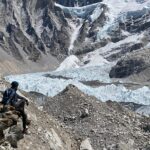
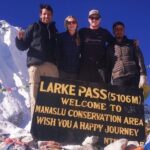
The Namche rest day: Everest viewpoint, museum, and a local market (Day 5)
Day 5 is an acclimatization rest day, and you use it well. The plan includes:
- An Everest viewpoint (not a long hike; about a 20-minute walk from your lodge)
- A local museum and Buddhist center
- Market time
This mix is underrated. Many treks treat a rest day like free time with no structure. Here, you get enough structure to stay engaged, but it’s still a low-pressure day.
What you’ll likely enjoy:
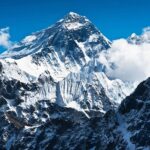
- A chance to see Mt. Everest from a viewpoint without turning it into a full-day chase.
- Learning stops that connect the landscape to local spiritual life and history.
One consideration: because it’s a rest day, you’re not earning it with miles. If you’re used to “active vacation” schedules, you might want a little more freedom here. The plan gives you options that keep it interesting without exhausting you.
Lawudo Gompa arrives on Day 6: five hours, then the quiet changes everything
Day 6 is your transition day into the Lawudo world: about five hours of trekking, partly gentle walking, with the last part climbing uphill to Lawudo Gompa.
The important detail is that Lawudo is set apart. The nearest village is at least an hour’s walk away, and that separation is the whole point. There’s a small monastery and huts for visitors, located near Lama Zopa’s meditation cave.
If you’re thinking this will feel like a scenic stop with a quick photo and a souvenir, you’ll be surprised. The place is designed for visitors to slow down. Even the setup—meditation cave context, simple visitor accommodations, and a small community maintaining the site—shifts the vibe.
Practical expectation:
- This is still trekking. The last uphill section is the part to respect.
- Once you arrive, keep your pace low. Don’t treat the first evening like a sightseeing sprint.
The retreat cave experience: cave visit and then time to practice (Day 7–8)
Day 7 is described as taking it easy, with a visit to the cave where Lawdo Lama meditated nearly a hundred years ago. That detail changes how the day feels. You’re not just walking to a historic point; you’re stepping into a place where practice has meaning.
Day 8 is even more flexible. If you practice meditation or yoga, the plan calls out the serene setting of Lawudo Gompa as a place for your practice. It also notes that if there is a regular teaching, you can join it for the day.
This is the heart of why people choose a retreat-style trek in the first place:
- You get time for reflection without turning it into a lecture tour.
- You don’t have to be an expert. The plan supports participation in a way that matches the retreat environment.
Potential drawback: if you’re traveling only for active trekking and don’t want spiritual components, these days can feel slower than you expect. That’s not a problem for everyone, but it’s worth knowing upfront so you pack the right mindset.
Leaving Lawudo: back down toward Namche and then Monjo (Day 9)
After breakfast on Day 9, you trek down from Lawudo toward Namche Bazar, then continue to Monjo in about five hours.
The psychological shift after retreat days can be real. Retreat tends to make time feel different. Then you’re back in the movement of the trail. I like how the plan doesn’t jump from Lawudo straight to the airport or a big jump in travel. It gives you a transition day back through familiar geography.
For your body:
- Downhills are often harder on knees than uphills feel to the lungs.
- Take your time on the descent and keep steps short if you’re prone to soreness.
Return from the mountains: Lukla and the long travel day (Day 10–11)
Day 10 is a long trekking day of about eight hours, going from Monjo down to Phakding, then continuing on to Lukla. That’s the day that tests stamina, because it mixes distance with the fatigue that builds after several trek days.
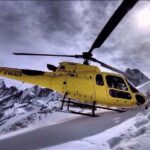
Then Day 11 handles the flight-to-Kathmandu complexity. In busy seasons, flights might be from Manthali instead of directly from Lukla. If you fly to Manthali, the flight is shorter, and then there’s a four-hour drive back to Kathmandu. If your flight is direct to Kathmandu, you can be in Kathmandu by around 10AM.
Why this matters for you:
- It means you shouldn’t plan tight Kathmandu appointments on the arrival day.
- It also explains why the itinerary leaves slack for weather and seasonal flight patterns.
A built-in buffer day in Kathmandu (Day 12)
Day 12 is kept as a free day. The stated reason is weather unpredictability for flights.
I like this approach. In mountain travel, the schedule isn’t always in your control. A buffer day means you’re not forced into stress if planes don’t cooperate. It also gives you room to shop, rest, or take a relaxed Kathmandu walk rather than sprinting to make up time.
Final logistics: airport timing for Day 13
Day 13 is for Tribhuvan International Airport, with advice to arrive about three hours before your flight time.
That simple buffer is worth taking seriously. Mountain travel already takes it out of you. Tight airport timing adds unnecessary stress.
Guide support that shows up in real details
The trek’s success isn’t only about route and views. It’s about whether things run smoothly when weather or schedules get annoying.
From the trip feedback, the names that kept showing up were Amber (the owner) and Pemba (guide). There’s also mention of Lok helping with airport pickup. The overall pattern: people felt safe, cared for, and supported with patience—especially when schedules changed or when rain and weather shifted plans.
Two things that stand out as practical:
- Safety is prioritized, not treated as an afterthought.
- The team adjusts with diligence when conditions change.
If you’ve never trekked before, or you’re returning to travel after illness, that kind of calm support matters more than you’d think. Even experienced hikers can get rattled by sudden weather.
What to pack and how to think about fitness (based on the plan)
The plan asks for moderate physical fitness. It’s also clear you’ll be moving most days with some uphill sections and at least one longer walking day on the way back.
So here’s how I’d plan for success:
- Train for consistent walking with some hills.
- Expect that trekking day length can feel longer than the hours on paper once altitude and tiredness stack up.
- Keep your layering simple so you can manage changing temperatures.
Also, note what’s included: meals are taken care of on set days, but personal insurance and beverages aren’t. If you’re going to remote areas, medical coverage is a smart move even if you’re fit and careful.
Should you book Lawudo Gompa Retreat Trekking?
Book it if you want more than Everest photos. This is for you if you like the idea of mixing mountain trekking with a retreat cave experience that’s calm, meaningful, and guided. I’d also recommend it if you value strong coordination—especially around flight timing and the real-world messiness of weather.
Consider another option if:
- You want a faster, more purely sightseeing itinerary.
- You’re expecting lots of nightlife or big-city comforts on the trek itself.
- You’re uncomfortable with meditation/spiritual elements taking real time.
The price is most fair when you factor in Kathmandu support, included meals, and a guided plan that tackles the biggest friction points: flying in and out, shifting flight routes when needed, and making Lawudo feel respectful rather than rushed.
If that sounds like your kind of trip, this one’s worth serious consideration.
FAQ
Where does the trek start?
It starts in Kathmandu. You’ll arrive, meet the staff, and then go into Kathmandu sightseeing before flying out on the trekking days.
How long is the trek?
The duration is about 13 days.
What’s included in the price?
The package includes airport pickup/drop in Kathmandu, Kathmandu sightseeing support, and meals on set days (7 breakfasts, 7 lunches, 8 dinners). It also notes features like pickup offered, group discounts, and a mobile ticket.
Is Kathmandu–Lukla (or Ramechhap) airfare included?
No. The plan specifically notes that Kathmandu–Lukla/Ramechhap airfare is not included.
What fitness level do I need?
You should have a moderate physical fitness level.
Is this a private tour?
Yes. It’s private, and only your group participates.
What happens if weather ruins flights?
The experience requires good weather. If it’s canceled due to poor weather, you’ll be offered a different date or a full refund.
What is the cancellation policy?
You can cancel for free up to 24 hours in advance for a full refund. If you cancel less than 24 hours before the start time, it won’t be refunded.
Does the itinerary include a rest/acclimatization day?
Yes. There’s a rest day in the Everest region for acclimatization, including time for an Everest viewpoint, a museum/Buddhist center, and the local market.