REVIEW · KATHMANDU
Annapurna Base Camp Trek
Book on Viator →Operated by Touch The Himalaya Treks & Expedition · Bookable on Viator
Ten days later, you’ll still be talking about the mountains. Annapurna Base Camp isn’t just a checkbox trek; it’s a step-by-step climb through villages, forests, and big viewpoint moments like Poon Hill sunrise before you reach the base camp. I also like that this trip is run with local experts from the Annapurna region, so the route feels practical and human, not generic.
Two things I especially value here are the way logistics get handled up front—permits, meals, and guide/porter costs are included—and the extra peace of mind for solo travelers. In real reviews, people specifically praised team support from organizers like Mr. Madan Neupane and guides such as Rishi and Roshan Pandey, plus porter help like Arjun and Ganesh for keeping baggage moving smoothly.
One consideration: ABC still means steep climbs, high-altitude discomfort, and long walking days. Even with good support, you should expect at least some “tough but worth it” effort, especially on the push toward base camp.
In This Review
- Key points I’d plan around
- What you’re really paying for with this $700 Annapurna Base Camp trek
- Local team advantage: guides, porters, and the safety factor that matters
- Days 1–2: Kathmandu-to-Pokhara transit, then Ulleri village steps
- Days 3–4: Ghorepani and the Poon Hill sunrise payoff
- Days 5–6: Sinuwa to Deurali and the colder, steeper turn
- Day 7–8: Machapuchare Base Camp on the way up to Annapurna Base Camp
- Days 9–10: Jhinu hot springs recovery and the return to Kathmandu
- Packing and trail strategy: tea houses, water, layers, and energy
- Who this Annapurna Base Camp trek fits best
- Should you book Touch The Himalaya for Annapurna Base Camp?
- FAQ
- Where is the meeting point and what time does the trek start?
- Is airport pickup and drop included?
- Does the price include permits and trekking fees?
- Are meals included, or do I need to budget for food?
- Is this a private trek?
- Do I need to tip the guide or porter?
Key points I’d plan around
- Private trip: only your group participates, which helps if you want a calmer pace and more direct guidance.
- Poon Hill sunrise built in: you get the early payoff before the deeper trekking days start.
- High-altitude care: the company emphasizes safety, acclimatization, and managing changing conditions.
- Food + permits included: breakfast/lunch/dinner and trekking fees are part of the package, so you’re not scrambling each day.
- Tea-house flexibility: meals can be bought on your own during the trek, which is useful for cravings and small energy fixes.
- Team support with baggage: reviews mention porter help for moving baggage between camps, which can reduce stress.
What you’re really paying for with this $700 Annapurna Base Camp trek
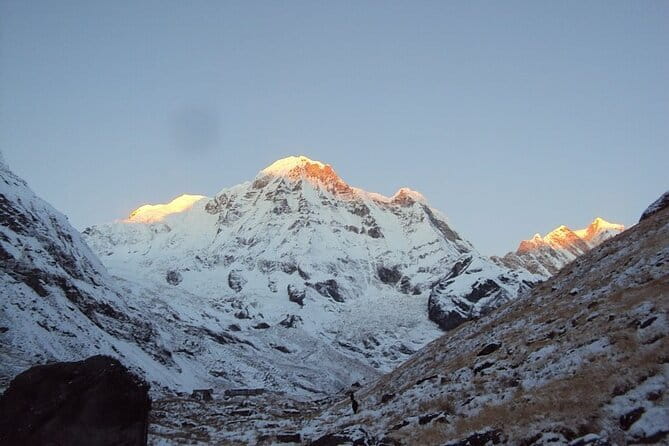
At $700 for about 10 days, the biggest value isn’t just the trek itself—it’s what’s wrapped around it. You’re not only buying mountain time; you’re buying planning, with airport pickup/drop, two nights accommodation in Kathmandu before and after the trek, and all necessary trekking permit and fees included.
On the trek days, the package includes breakfast, lunch, and dinner, plus a basic first-aid kit carried by the trekking guide. You also get a licensed guide (English/Hindi/Chinese government-licensed) and porter costs (salary, insurance, equipment, transport, food, and accommodation), which is one of the reasons the trip feels run-the-way-it-should-be rather than “good luck” style.
The one part you still control is snacks and extra food. You can buy meals in tea houses during the trek, and the practical note to bring light snacks and chocolate makes sense because you’ll want quick energy without negotiating or hunting for supplies every stop.
You can also read our reviews of more tours and experiences in Kathmandu.

Local team advantage: guides, porters, and the safety factor that matters
The overview says the guides are native to the Annapurna region, and that matters when your day changes based on weather, trail conditions, or how your body is handling altitude. ABC is high-country walking, and the company highlights that guides manage high-altitude conditions and acclimatization, which is exactly what you want when you’re not staying in one place long enough to adjust slowly.
You’ll also feel the difference in who’s answering questions. In multiple reviews, Mr. Madan Neupane is described as available and organized, and guides like Rishi and Roshan Pandey are praised for taking care of solo travelers and groups. Even more telling: porters are mentioned by name—Arjun and Ganesh—which lines up with the idea that this is not just a guide job, it’s a whole team job.
Practical upside for you: because this is a private tour/activity, your group gets more attention than you’d typically get on a crowded fixed-departure trek. That usually means fewer coordination headaches when you want to slow down, stop for photos, or ask a basic question like where water is easiest to refill.
Days 1–2: Kathmandu-to-Pokhara transit, then Ulleri village steps
Your trek starts in Thamel, Kathmandu with a start time listed as 6:15 am, which tells you the day is designed to begin early. Day 1 is all about getting to Pokhara: you’ll drive about 200 km (roughly 7 hours) along the Trishuli River side, with scenery breaks built in during the long ride.
Pokhara works as a reset before real trekking. You’ll sleep there before starting the trail, and having those two nights in Kathmandu total (pre and post) can also help you avoid feeling rushed when you arrive.
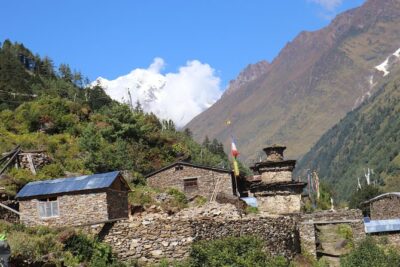
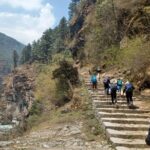
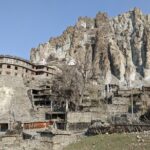
Day 2 is your first trail day: you drive about an hour to Nayapul, then trek to Ulleri. The route follows the Modi Khola River through villages, so it’s not just climbing in a void—it’s walking past real everyday life in the Annapurna region, plus the first stretch of forest-and-stairs rhythm that you’ll use for the rest of the trek.
Possible drawback here: the combination of a long travel day plus an early walking day can feel like a double hit. If you’re prone to travel fatigue, focus on hydration and keep your first day effort controlled.
Days 3–4: Ghorepani and the Poon Hill sunrise payoff
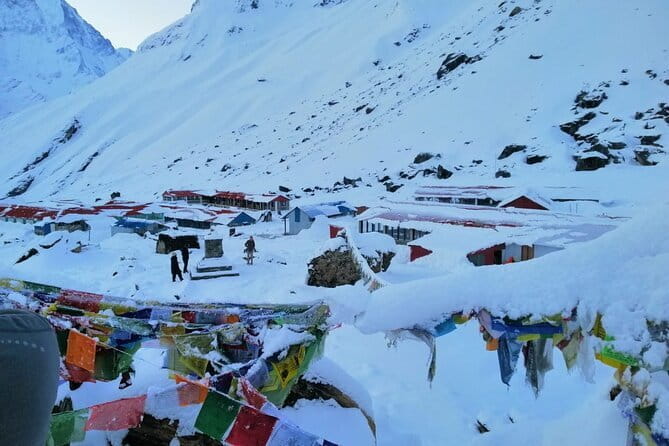
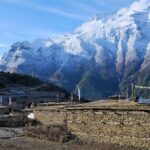
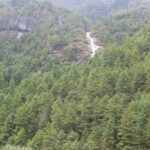
Day 3 takes you from Ulleri to Ghorepani in about 5–7 hours. This portion is described as walking through lush forests and gaining elevation, with Annapurna range views along the ascent. Ghorepani is often where trekkers settle in to set up for the next morning, and it’s also where the trail starts to feel more “trekking-focused” and less village-relaxed.
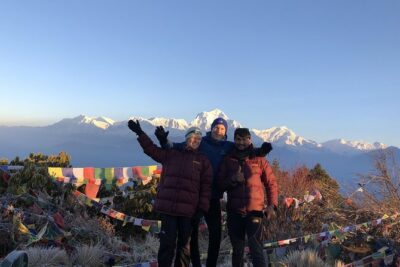
Day 4 is the big early-morning moment: you’ll hike to Poon Hill for sunrise over the Annapurna and Dhaulagiri mountains. That early push is one of the best ways to feel like you’re doing something special before the harder base camp approach days arrive. After the sunrise, you return to Ghorepani for breakfast, then continue trekking toward Tadapani.
What I like about this structure for you: it gives you a reward early, then you transition into the quieter middle stretch. The day is basically two chapters—sunrise payoff, then continued movement—so your motivation stays high even when your legs start complaining.
Consideration: sunrise days are early. If you hate being awake before your brain turns on, plan to pack layers carefully and don’t cut sleep too close the night before.
Days 5–6: Sinuwa to Deurali and the colder, steeper turn
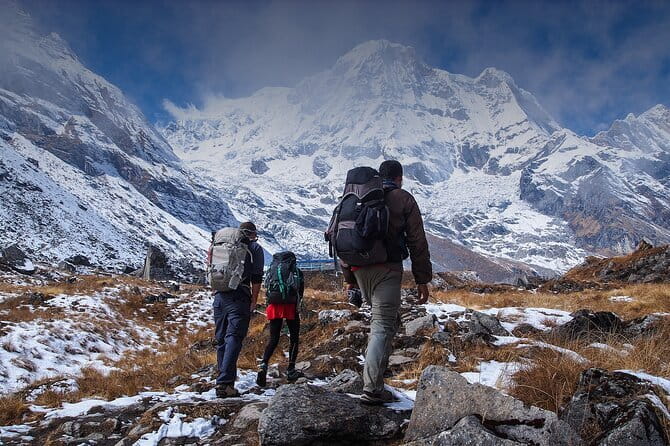
Day 5 moves from Tadapani to Sinuwa for about 6–7 hours. Expect descent at first through forests and multiple small villages, plus continued Annapurna views as the path trends and curves. This kind of day is helpful because it breaks the climb pattern and gives you a chance to find a sustainable pace.
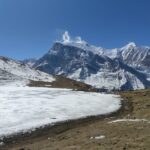
Then Day 6 shifts the vibe: Sinuwa to Deurali takes about 5–6 hours and includes a steadier ascent. The description notes crossing a glacier section and mentions ruggedness as you near Deurali, which signals the trek is getting into colder, more exposed terrain.
This is the point where acclimatization and body management matter most. The company’s overview talks about safety and high-altitude handling, and this is where those principles need to show up in real time: slower pace, hydration, and listening to how you feel rather than forcing speed.
Practical note: the guide and team are carrying a basic first-aid kit, but you still want to manage your own basics too. That includes water strategy and sun protection, because even when it’s chilly, reflection off snow and sky glare can be a lot.
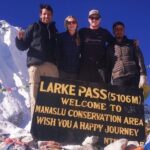
Day 7–8: Machapuchare Base Camp on the way up to Annapurna Base Camp
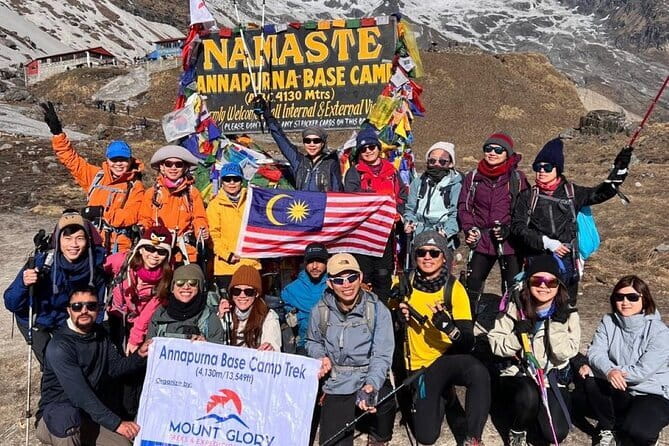
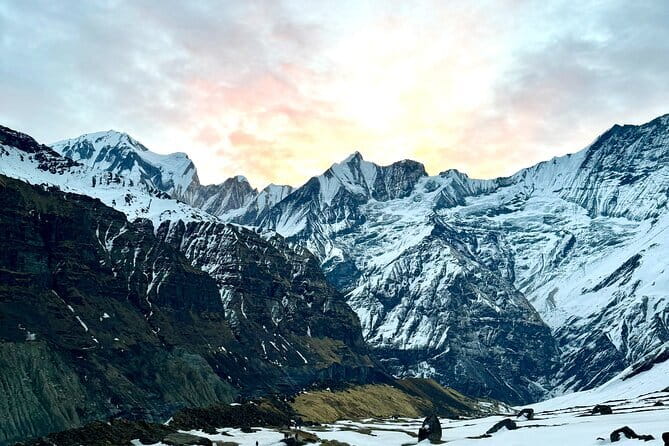
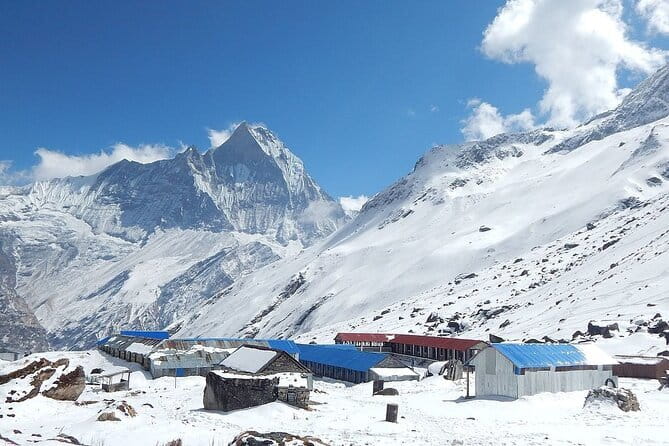
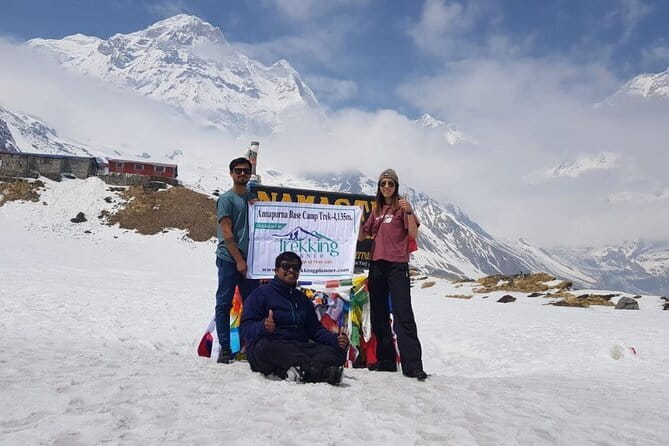
Day 7 is the summit day in spirit: you trek from Deurali to Annapurna Base Camp in about 6–7 hours, passing through Machapuchare Base Camp along the route. This isn’t a short day, and it’s also one where your goal changes from “make it through the hours” to “arrive and take it in.”
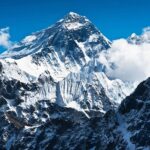
The route description promises stunning views as you ascend, and base camp itself is the kind of destination where you remember details later—how the air felt, how the sky looked, and how the walking finally stopped.
Day 8 brings the change of pace: Annapurna Base Camp down to Sinuwa takes about 5–7 hours. Descent is not automatically easier, but it usually feels more achievable because you’re not gaining altitude. It’s also mentally satisfying: you’ve done the big moment, and now you can notice the trail from a new angle as it returns you to familiar terrain.
One smart move for you: treat Day 7 like a controlled effort, not a sprint. Reviews mention that ABC is tough but worth it, and controlling your energy here protects you for the return day.
Days 9–10: Jhinu hot springs recovery and the return to Kathmandu
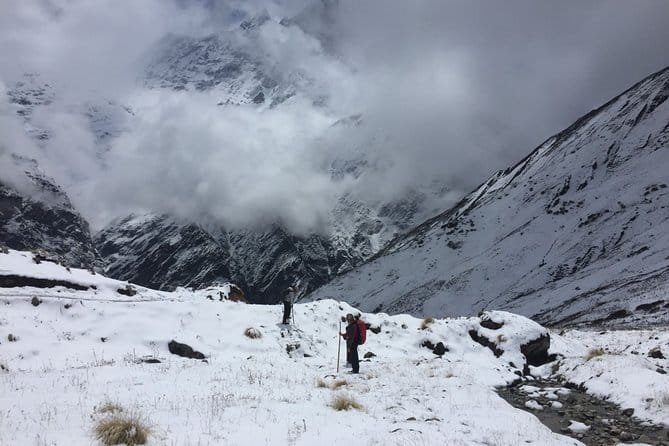
On Day 9, you trek from Sinuwa to Jhinu (about 5–6 hours), then relax at the natural hot springs near Jhinu. This is a classic trail-recovery payoff, and it’s especially useful if your knees start sending messages on the descent.
In the afternoon you drive back to Pokhara (about 1–2 hours), then on Day 10 return to Kathmandu. Day 10 gives you a choice: a scenic drive (around 7–8 hours) or a short flight. Having options matters because tired legs and long-road fatigue are real.
You finish back at your original meeting point in Kathmandu, with free time for shopping or exploring before your departure. That free time is not fluff—it’s what lets you recover from the trek instead of immediately jumping into another full day of plans.
Packing and trail strategy: tea houses, water, layers, and energy
The additional info is simple and practical: bring water bottles, sunglasses, and a charger. Add to that a sensible layering plan because sunrise and early mornings can feel much colder than the middle of the day.
Also listen to the note about carrying lite snacks and chocolate. Even though breakfast/lunch/dinner are included, snacks are how you smooth out the energy gaps between meals, especially on longer walking stretches where you might not want to stop too often.
Finally, plan for tea houses as a helpful option, not a life-or-death plan. The trek includes meals, but the guidance says you can buy meals in tea houses during the trek, which is useful if you want something specific or you feel hungrier than expected that day.
Who this Annapurna Base Camp trek fits best
This trip is a good match if you have moderate physical fitness and you want a clear structure with support. It also makes sense for first-timers because the team is set up for safety, acclimatization, and handling permits and logistics.
If you’re traveling solo, this can be especially reassuring. Reviews highlight support that made solo trekking feel safe and manageable, and the private format keeps your experience more controlled and less chaotic.
If you’re chasing an ultra-fast challenge, this might feel like the wrong style. The emphasis here is on comfort and acclimatization, which is exactly what you want on ABC, but it can feel slower than hardcore self-guided trekking.
Should you book Touch The Himalaya for Annapurna Base Camp?
I’d book this if you want clear logistics, full meal coverage on the trek, and a team that’s been praised by name for care and organization. The combination of local guidance, permits handled, and a private format is what turns ABC from a complicated plan into a steady experience.
I’d think twice if you know you struggle with early mornings, or if you want a trek that feels very flexible and DIY. This is structured by design, and that’s great—just make sure you’re comfortable with the long travel blocks (Pokhara and back to Kathmandu) and the fact that ABC is still physically demanding even with strong support.
FAQ
Where is the meeting point and what time does the trek start?
The meeting point is Thamel, Kathmandu 44600, Nepal, and the start time is listed as 6:15 am. The activity ends back at the meeting point.
Is airport pickup and drop included?
Yes. The tour includes airport pickup and drop, plus two nights accommodation in Kathmandu before and after the trek.
Does the price include permits and trekking fees?
Yes. The package includes all necessary trekking permits and fees along with meals during the trek.
Are meals included, or do I need to budget for food?
Meals are included during the trek: breakfast, lunch, and dinner. The info also notes you can buy extra meals in tea houses during the trek if you want additional options.
Is this a private trek?
Yes. It’s listed as a private tour/activity, so only your group participates.
Do I need to tip the guide or porter?
Tips are not included. The info specifically notes tips and gratitude provided to guide and porter are not part of the package.