REVIEW · MOSHI
Trek To Mount Kilimanjaro
Book on Viator →Operated by Sirikwa Travel · Bookable on Viator
Kilimanjaro feels bigger than it should be—until you walk it. This 2-day Lemosho route from Moshi targets the more scenic, less-typical way up, with forest going early and altitude prep built into the pacing. I like that it aims for a calmer feel than the most crowded approaches, while still giving you meaningful time on the mountain.
I also like the practical support built into the price: park access, camping fees, hot meals, treated drinking water, and hot water for washing. The crew side is taken seriously too, with rescue fees and emergency gear listed among the inclusions. One drawback to think about: the trip is short, so it’s not the right fit if you want a long acclimatization build-up or are chasing a classic summit timeline—ask questions if you’re planning a summit bid.
A final note before you decide: the trek starts at 8:00 am, groups are capped at 10, and the fitness level is listed as moderate. Guides and support staff include names you may see referenced in past client experiences, such as Ole, Alfred, Pail, and Jyroi, with Mary noted as a manager on the Moshi side.
In This Review
- Key Things That Matter on This Kilimanjaro Trek
- Lemosho on a Short Schedule: What a 2-Day Kilimanjaro Trek Really Means
- Moshi Base Camp Setup and Transfers That Keep You Loose
- Day 1 in Kilimanjaro National Park: 8 Hours of Park Power
- Day 2 on Mount Kilimanjaro: Another 8 Hours Where Altitude Starts Calling Shots
- What’s Included for $2,700: Value Beyond the Sticker Price
- Guides and Crew: Safety Feels Real When It’s Operational
- Route Logic: Why Lemosho’s Shira Plateau Prep Helps
- Who This Trek Fits (and Who Should Ask for More Days)
- Should You Book This 2-Day Lemosho Trek with Sirikwa Travel?
- FAQ
- How long is the trek?
- Where does the trek start?
- How many people are in the group?
- What’s included during the trek?
- Are park fees included?
- Is hotel accommodation included?
- What about transfers?
- What is not included?
- Is pickup offered?
- Can I cancel for a refund?
Key Things That Matter on This Kilimanjaro Trek
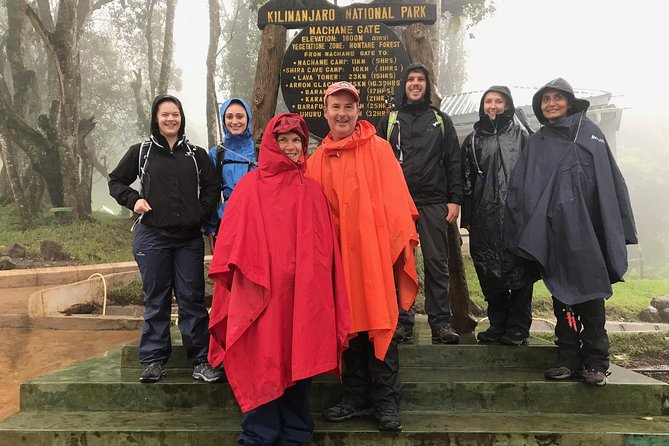
- Lemosho’s calmer vibe: more time in the quieter rhythm of the trail, not the rush of the busiest routes
- Altitude prep in the logic of the route: time across the Shira Plateau is part of why Lemosho is chosen
- Small-group cap (10 max): easier guiding, fewer bottlenecks on the trail
- Solid mountain support included: camping fees, tents, mattresses, and three hot meals daily on the trek
- Emergency readiness: an oxygen tank and an ox meter are included in the kit
- Full-day hiking blocks: both days are listed at about 8 hours in the park area
Lemosho on a Short Schedule: What a 2-Day Kilimanjaro Trek Really Means
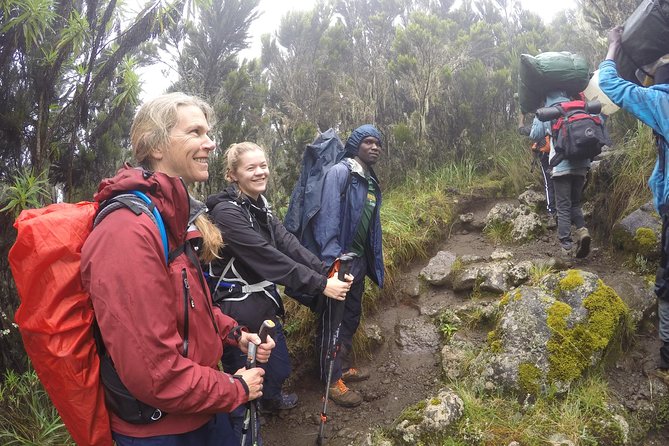
Let’s talk expectations, because Kilimanjaro punishes wishful thinking. This experience is built around a 2-day trek with a Lemosho-style approach. That makes it appealing if you want the Kilimanjaro experience—big mountain energy, real hiking in protected parkland, camp life—without committing to a week or more.
Here’s the practical way to think about it: in Lemosho planning, the early days are designed to help your body adapt before heavier summit-style efforts. The route’s overall reputation comes from that pacing, especially the time that typically lands on the Shira Plateau before the busier segments. With only two days, you’re not getting the full multi-day rhythm, but you are still getting a taste of that Lemosho method: walking in a way that respects altitude.
So who is this for? People who want a serious hike and mountain atmosphere, who can handle long walking days, and who understand this is more about experience and altitude exposure than a full summit journey.
You can also read our reviews of more tours and experiences in Moshi.
Moshi Base Camp Setup and Transfers That Keep You Loose
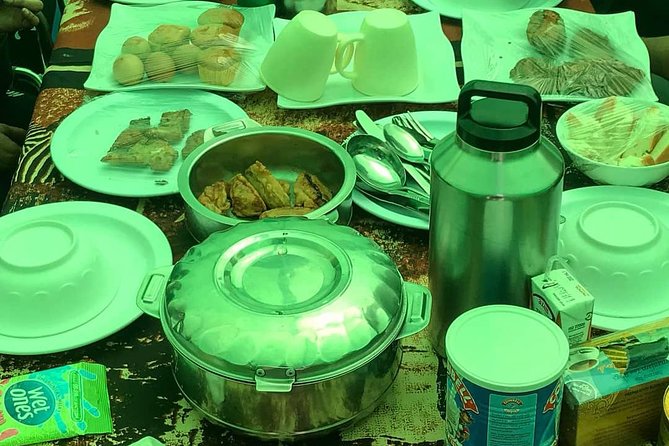
Your base is Moshi, Tanzania. The package includes 2 night’s hotel accommodation in Moshi, which is a huge quality-of-life factor. It means you’re not trying to cram logistics into a single day right before trekking.
On top of that, the tour lists overland transfers to Kilimanjaro International Airport. Translation: you’re not stuck hunting down transport when you’re tired from altitude. Even if the timing isn’t perfect for everyone, having transfers baked in usually reduces stress.
One more “small but important” detail: the start time is 8:00 am, and the meeting point is described as near public transportation. That matters if you’re arriving on your own and need a simple way to get where you’re going.
Day 1 in Kilimanjaro National Park: 8 Hours of Park Power
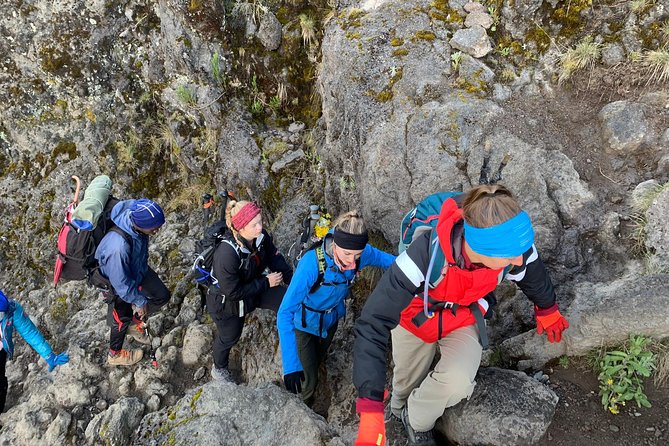
Day 1 anchors you inside Kilimanjaro National Park, with an 8-hour block listed for the day and park access included. This is the part where you feel the switch from normal vacation walking to real mountain hiking.
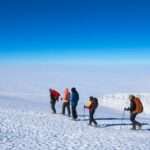
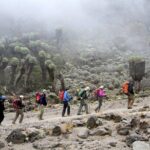
The Lemosho route is known for starting in greener terrain—often with lush rainforest early on—so your first day tends to feel like you’re in a different world than the dry, high-altitude zones that come later on longer itineraries. Even on a short trek, that early scenery shift can help you settle into the right mental pace: steady effort, frequent small breaks, and a steady drink pattern.
A practical tip for your first day: treat it like training for your breathing. Walk slow enough that you can talk in short sentences. If you’re gasping, you’re starting too fast—Kilimanjaro rewards restraint.
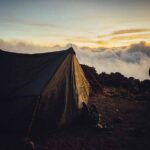
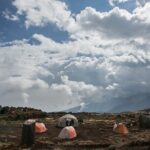
What you’ll get support-wise: the inclusions call out 4-season mountain tents, quality mess tents with table and chairs, a sleeping mattress, and hot water for washing. That means your body isn’t stuck in “rough it” mode all night. Camping still counts as camping, but the setup is designed to keep you from feeling miserable.
Day 2 on Mount Kilimanjaro: Another 8 Hours Where Altitude Starts Calling Shots
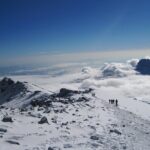
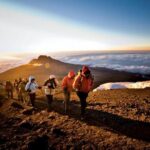
Day 2 is focused on Mount Kilimanjaro, again with about 8 hours scheduled. Admission for this stop is listed as included. This second day is where the altitude reality can become more personal—especially if you’re doing the trek soon after arriving.
This is also where the route’s core idea makes sense. Lemosho’s appeal is tied to acclimatization logic. The route’s design helps you get used to altitude gradually before tackling the more popular corridor to the summit on longer versions of the climb. On a two-day plan, you’re not running the full script, but you are still taking part in the mountain rhythm that Lemosho is chosen for: walk, breathe, rest, repeat.
Another practical note: you’re still going to be out there for hours. That means your gear matters. Wear boots you trust, bring layers (temperature can swing hard at elevation), and pack a rain layer even if the forecast seems friendly.
The biggest value of day two support is the emergency readiness included. The package lists an ox meter and an oxygen tank, plus an emergency first-aid kit. No one hopes to use it. But it’s reassuring to see it listed as part of the prepared kit, not just a vague promise.
What’s Included for $2,700: Value Beyond the Sticker Price
Let’s do the math with what’s explicitly included. The price is $2,700.00 per person, and the inclusions cover a lot of the expenses that add up fast on Kilimanjaro planning:
- 2 night’s hotel accommodation in Moshi
- Park entry fees
- Camping fees
- Team Kilimanjaro Rescue fees
- 4-season mountain tents
- Friendly and professional mountain guides, cook and porters
- 3 hot meals daily while on the mountain
- Enough treated & filtered drinking water throughout the trek
- Hot water for washing
- Ox meter & oxygen tank
- Quality mess tents with table and chairs
- Emergency first-aid kit
- Sleeping mattress
- Fair wages for the mountain crew as approved by KPAP
- 18% VAT on tour fees & services
Then there’s what’s not included: flights, visa, tips, and meals other than breakfast while in the hotel. Also, non-essential items like alcohol and snacks are not included.
So is it good value? For a short Kilimanjaro experience, it can be—because a lot of the “hidden” Kilimanjaro costs are already accounted for: park access, camping fees, and the mountain cooking and staffing. You’re also not piecing together your own emergency equipment story.
One warning that’s not about price: the trek is priced for the services listed. If you start adding summit-specific expectations, extra days, or special requests, that’s where the true cost can change.
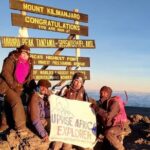
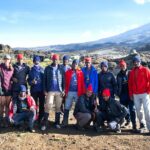
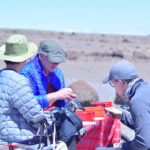
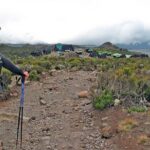
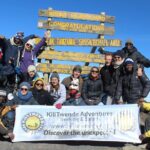
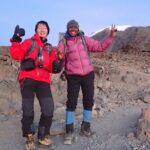
Guides and Crew: Safety Feels Real When It’s Operational
Kilimanjaro is not a one-person sport. You need a guide team and support crew that run a system day after day: pacing, water handling, food timing, and gear checks.
In the past experiences referenced for this operator, specific names show up: Ole and Alfred, plus guides Pail and Jyroi. The manager side is also referenced with Mary in at least one described scenario. While names aren’t the whole story, they do suggest you’re working with a group that keeps staffing consistent and accountable.
What I like about the inclusion list is that it’s not just “we’ll try our best.” It’s operational: rescue fees, emergency first-aid kit, oxygen equipment, and the promise of enough treated & filtered drinking water.
That water detail matters more than people think. Clean water is comfort and safety, especially when you’re sweating and climbing.
Route Logic: Why Lemosho’s Shira Plateau Prep Helps
You’ll see Lemosho described as more scenic and less crowded, and the reasoning is fairly clear. The route is designed to reduce the crush of the most popular trails and to give you altitude exposure earlier in a way that’s easier for many bodies to handle.
Here’s what you should keep in mind: the best-known version of the Lemosho logic includes time across the Shira Plateau to help with acclimatization before joining or aligning with the more crowded Barafu corridor later in longer climbs. That’s why the route is often recommended for people who want a better balance of scenery, crowd level, and a higher chance of doing the climb comfortably.
With a two-day format, you’re using the route’s “style” more than completing the whole multi-day acclimatization arc. Still, the payoff can be real: you get a less frantic start, and the walk is paced in a way that fits the mountain better than a sprint.
If your main goal is summit success, you should treat this as an acclimatization-focused taste. If your goal is the mountain experience itself, it can be a strong fit.
Who This Trek Fits (and Who Should Ask for More Days)
This trek is explicitly aimed at people with moderate physical fitness. That’s the right warning label. Two full days of about 8 hours of hiking can feel intense if you’re coming in without a walking base.
You’ll likely enjoy this if:
- you want a real Kilimanjaro hike without a week-long commitment
- you prefer a less crowded route approach and more breathing room on the trail
- you want camping gear, hot meals, and real support already arranged
- you’re okay with the idea that short time on the mountain means short-term acclimatization
You should probably ask questions or consider a longer itinerary if:
- you’re hoping for a classic summit-style timeline
- you get winded easily during steady climbs
- you want more time for your body to adjust to altitude before pushing harder
Also, keep an eye on group size. This plan limits it to 10 travelers max, which tends to help the guides manage pace and spacing. It’s one reason the experience can feel more personal and controlled.
Should You Book This 2-Day Lemosho Trek with Sirikwa Travel?
If your goal is a short, serious Kilimanjaro experience with a less-crowded route feel, this can be a strong booking. The best reasons to choose it are the included mountain support—camping gear, hot meals, treated water, hot washing water, and emergency oxygen equipment—plus the Lemosho approach that’s chosen for scenery and acclimatization logic.
I would book it if you’re a moderate fitter and you’re treating this as a mountain exposure and acclimatization taste. I would hesitate if you’re chasing a summit goal on a rigid two-day timeline, because altitude doesn’t care about spreadsheets.
If you do book, go in with a simple plan: walk slow, drink water, sleep as well as you can, and don’t try to “prove fitness” on day one. Kilimanjaro likes humility.
FAQ
How long is the trek?
The experience is listed as about 2 days.
Where does the trek start?
The start time is 8:00 am, and the meeting point is described as near public transportation.
How many people are in the group?
The tour has a maximum of 10 travelers.
What’s included during the trek?
On the mountain, the package includes 3 hot meals daily, treated and filtered drinking water, hot water for washing, camping fees, and camping gear such as 4-season mountain tents and a sleeping mattress, plus an emergency first-aid kit, an ox meter, and an oxygen tank.
Are park fees included?
Yes. The tour includes Kilimanjaro National Park entry fees.
Is hotel accommodation included?
Yes. It includes 2 night’s hotel accommodation in Moshi.
What about transfers?
The inclusions list overland transfers to Kilimanjaro International Airport.
What is not included?
Flights, visa, and tips for porters, Guide, Cook, and Assistant Guide are not included. Also, hotel meals other than breakfast are not included.
Is pickup offered?
Pickup is listed as offered.
Can I cancel for a refund?
Yes. Cancellation is described as free up to 24 hours in advance for a full refund.
If you want, tell me your fitness level and whether you’re aiming for summit or just the mountain experience, and I’ll help you sanity-check if a 2-day plan makes sense for you.