REVIEW · BUKIT LAWANG
From Medan: Magnificent View & Jungle Trekking in Sumatra
Book on GetYourGuide →Operated by Orangutan Trip · Bookable on GetYourGuide
A jungle trek in Sumatra can feel like a movie. What makes this one stand out is the focus on Mount Leuser wildlife plus real time on narrow trails, with nights in the rainforest and cool-down swims in mountain water. You’ll start from Bukit Lawang, where the trip is built around the orangutan sanctuary area and access to Mount Leuser National Park from the east side.
What I like most is how hands-on it is: walking, washing off in a fresh mountain stream, and eating jungle meals instead of just driving past scenic spots. Second, the small group setup (limited to 7) helps you feel less like a cattle line and more like you’re moving with the same crew for the whole 4 days. One thing to consider: the plan mixes trekking with lighter, water-based moments, so if wildlife sightings are your only goal, you’ll need some patience.
In This Review
- Key points before you go
- Bukit Lawang and Mount Leuser: why this stretch matters
- The 4-day trek rhythm: what you’ll feel on each day
- Day 1: easing into the jungle, then putting boots on
- Day 2: shorter trekking, more water time
- Day 3: the best blend of trekking and orangutan time
- Day 4: river tubing out, and less wildlife time
- Orangutan odds: what the trek really promises (and what it doesn’t)
- Walking, swimming, and sleeping in the rainforest (the practical part)
- What to bring so you’re not miserable
- Rain, mud, and energy management
- Food and timing: why meals included can be a big value
- Price and logistics: what $277 is buying you
- Small group (up to 7) and guide support you can feel
- Who this trek suits best
- Should you book this Mount Leuser jungle trek from Bukit Lawang?
- FAQ
- Where is Bukit Lawang, and how far is it from Medan?
- How long is the Mount Leuser jungle trekking trip?
- What does the price include?
- Are meals included if I’m staying at the hostel?
- How big is the group?
- What should I bring for the trek?
Key points before you go
- Bukit Lawang base: about 86 km northwest of Medan, and a main entry area for Mount Leuser from the east side.
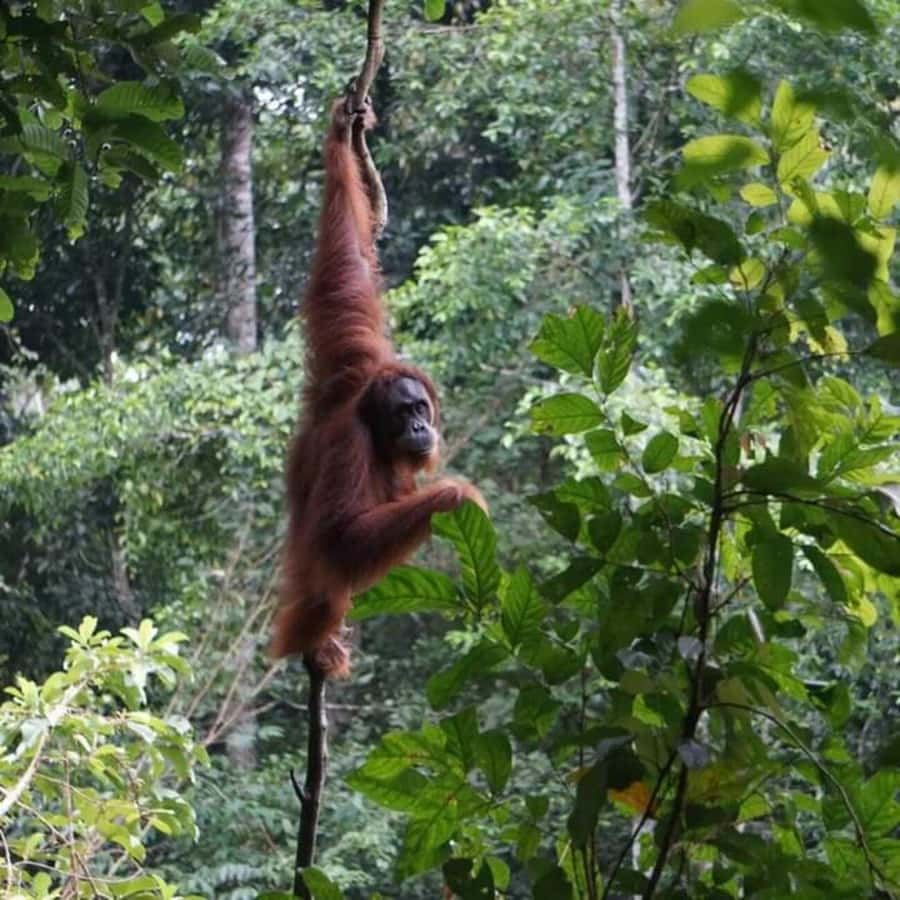
- Orangutan focus: the trek aims for sightings of the critically endangered Sumatran orangutan in its natural habitat.
- Real rainforest time: expect nights in the tropical forest, not just a day hike and back to town.
- Water breaks are part of the rhythm: swimming in mountain streams and river tubing are woven into the experience.
- Small group (max 7): easier pace control and more guide attention when the group stops for wildlife or photo breaks.
Bukit Lawang and Mount Leuser: why this stretch matters
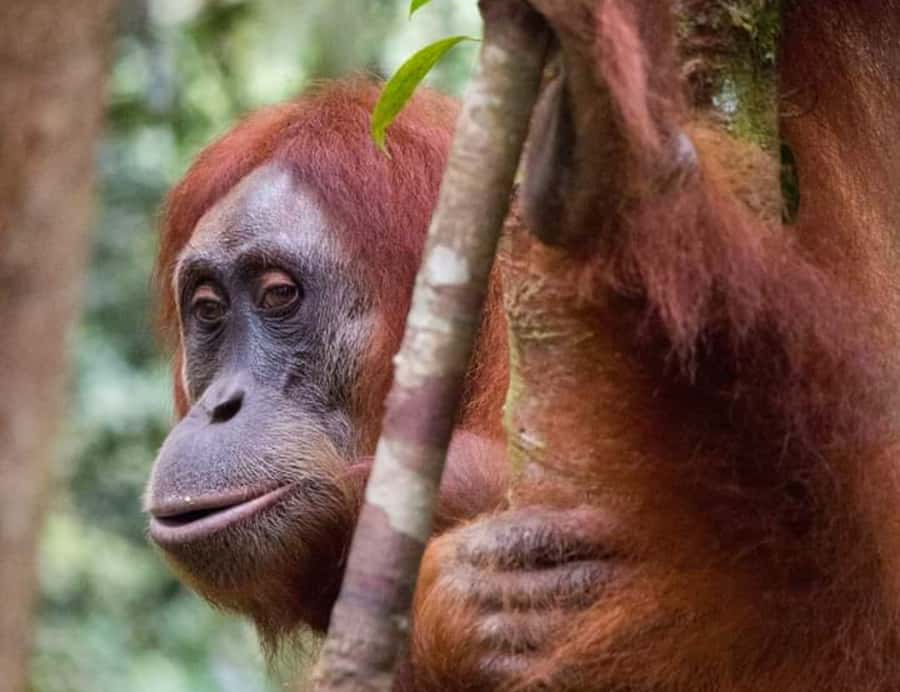
Bukit Lawang is a small jungle tourism village in North Sumatra, and it’s positioned as a gateway to Mount Leuser National Park. It’s also known for the Sumatran orangutan sanctuary area, which supports around 5,000 orangutans in the region. That number isn’t a guarantee you’ll see one, but it explains why this part of Sumatra is taken seriously by people chasing real wildlife—not just a generic “jungle tour.”
The way this trek is packaged also matters. You’re not just paying for a guide and a trail. You’re paying for a full 4-day rhythm that combines entry permissions, meals during trekking days, overnight lodging in Bukit Lawang, and transport from Kualanamu. In practice, that means less worrying and more time paying attention to what’s moving above you.
And because Bukit Lawang sits at the edge of the action, you get a different feeling than tours that start deep in a city and then rush you into the forest. Here, you arrive, settle into the jungle setup, and gradually shift into the walking-and-watching mode.
You can also read our reviews of more tours and experiences in Bukit Lawang.
The 4-day trek rhythm: what you’ll feel on each day
This tour runs 4 days, and the big pattern to expect is a mix of trekking and rainforest water time. Some days are more intense; some days trade distance for immersion and rest. That balance can be great—just know what you’re signing up for.
Day 1: easing into the jungle, then putting boots on
Day one usually starts with a transfer from Kualanamu to Bukit Lawang and then a first push into the forest trails. In a couple of real-world cases, people got their first orangutan sighting very quickly—around 20 minutes into the jungle—after arriving and going in with the group.
It’s also a day where the trek effort can vary. One guest described being offered a shorter walk option on day one, then continuing with a longer trek after the group declined the short version. Translation for you: if you want to move at a steady pace, you can usually do that, but if you need to conserve energy, you’ll likely have some flexibility in how far you go on the first day.
What to watch for: early sightings are possible, but you also need to keep your energy. The rainforest has a way of making you sweat first, then think later.
Day 2: shorter trekking, more water time
Day two can be lighter on trekking distance. One described version started later in the day and wrapped shortly after lunch, followed by a waterfall swim afterward. The catch: in that instance, there was no wildlife sighting during the trek portion, which can be frustrating if you came only for orangutans.
So what’s the value anyway? Water breaks in a jungle setting aren’t an afterthought. Swimming in cool mountain water is often the moment you feel your body reset after humidity and steady walking. If you’re the type who gets cranky when plans stall, keep your expectations realistic: day two might be more about recovering and enjoying the rainforest than ticking off a checklist of animals.
My advice: treat day two as a bonus day. If you get wildlife, great. If you don’t, you’re still building the “I’m really in the jungle” part of the trip.
Day 3: the best blend of trekking and orangutan time
Day three tends to be the stronger walking day. One guest described a decent trekking day and then an excellent orangutan encounter close enough to feel personal—with just the small group present.
This is where the small group size pays off. When you’re only a handful of people, your guide can slow down faster, keep a respectful distance, and give everyone a chance to see what matters without turning the moment into a crowd scene.
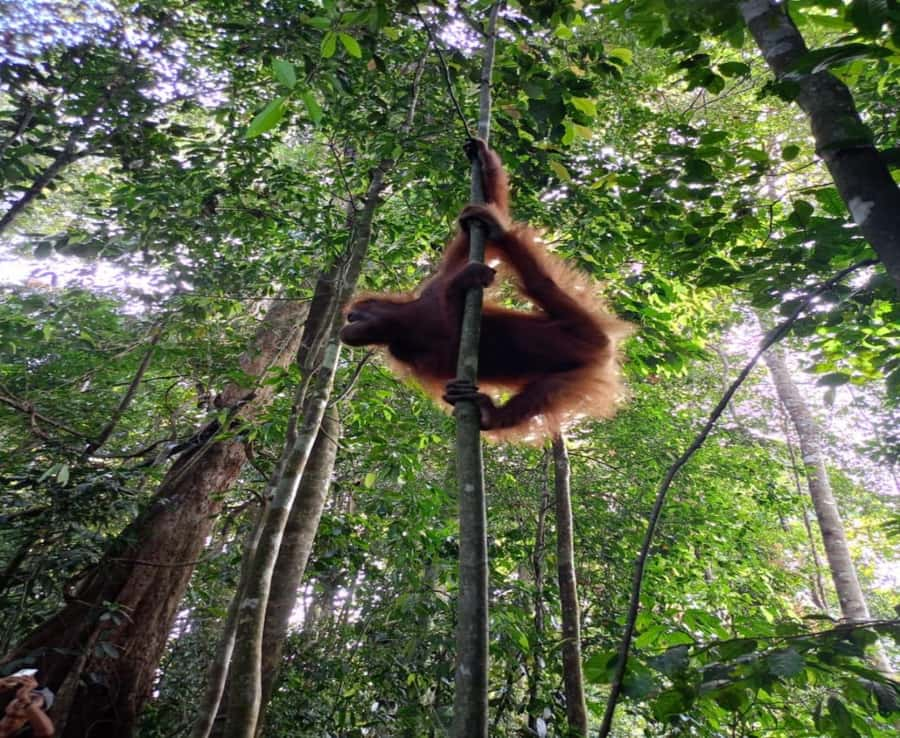
What to watch for: orangutans can move high and jump short distances (the tour materials mention jumps up to about 50 feet high). That means the animals might not always appear where you expect. Keep your eyes on movement in trees, and listen when the guide signals attention—often the key moment is brief.
Day 4: river tubing out, and less wildlife time
Day four is different. In one described experience there was no trekking and no wildlife encounter, followed by tubing downstream for about 45 minutes to return to Bukit Lawang.
That can sound like a letdown if you’re chasing animals only. But tubing is still a legitimate way to enjoy the region after days of jungle walking. You get a change of pace, you cool off, and you close the loop by returning to the village area via the river rather than another long road transfer.
How to frame it: if you’ve already had good wildlife time earlier (like on day three), day four feels like a relaxing finish. If wildlife was thin throughout the trip, the tubing day might feel like a pause you didn’t ask for.
Orangutan odds: what the trek really promises (and what it doesn’t)

The trek is designed to help you observe Sumatran orangutans in their natural habitat. That’s the headline. It’s also the reason people book this in the first place.
But wildlife watching has a hard reality: animals choose their own timing. Even with a sanctuary area known for orangutans, you’re still walking through the forest, not setting up a guaranteed viewing platform.
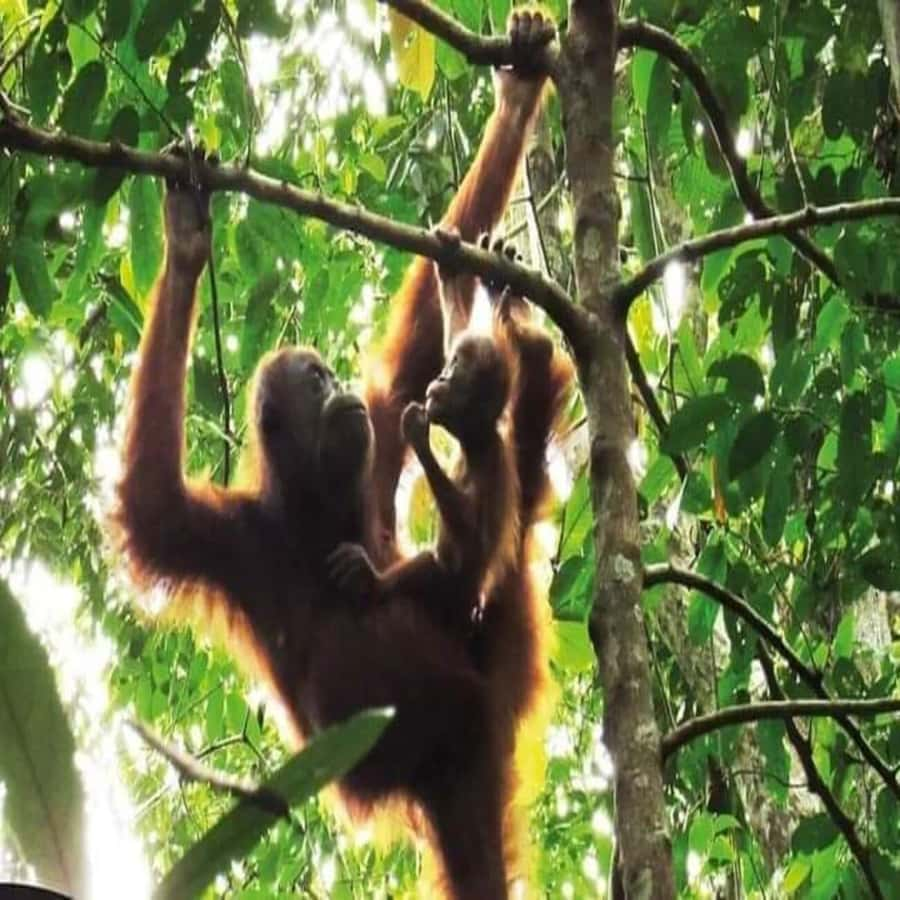
What the data here suggests is that good sightings can happen early or mid-trip. One person saw an orangutan mother with a child shortly after entering the jungle, while another got their best close-up encounter on day three with the small group.
So, how do you maximize your chances?
- Stay quiet when the guide stops the group. In thick jungle, the difference between talking and listening can be huge.
- Be patient about height and distance. Orangutans can be up in the canopy. Their movement often gives them away before you see them clearly.
- Keep your camera ready but not frantic. Fast movements can disrupt the group’s line of sight and the guide’s pacing.
And emotionally: if you treat orangutans like a lottery ticket, you’ll feel betrayed. If you treat them like a possibility you’re working toward with time and attention, you’ll enjoy the trek more even on the quieter days.
Walking, swimming, and sleeping in the rainforest (the practical part)

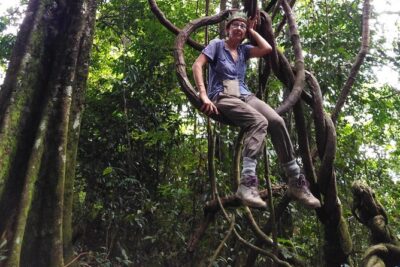
This trek isn’t a gentle stroll. It’s real walking on narrow trails, with a jungle pace that can feel steeper and slower than expected because you’re moving through wet, uneven terrain.
A big part of the tour concept is contrast:
- Walking up and down narrow trails
- Washing off in cool mountain stream water
- Swimming (including after-lunch waterfall time on some schedules)
- Sleeping overnight in the tropical rainforest
That overnight piece changes the trip from a daytime activity into an experience. The rainforest night is also where your comfort planning matters most.
What to bring so you’re not miserable
The tour recommends:
- Comfortable shoes
- Change of clothes
- Towel
- Flip-flops
- Long pants
- Biodegradable insect repellent
I’d add one practical mindset: pack for dampness. Even if you’re lucky with rain, the jungle environment tends to create wet gear and sweaty clothes. Having a backup set of clothes and a towel you actually like using makes the whole thing feel more manageable.
Rain, mud, and energy management
Since you’re in rainforest territory, plan for the fact that conditions can change quickly. If a day feels heavier than expected, don’t try to “win” the trek by pushing too hard. Save your stamina for the moments when the guide calls the group to attention for wildlife.
Food and timing: why meals included can be a big value
You’ll get breakfast, lunch, and dinner in the jungle during trekking days. That’s a meaningful inclusion because it removes the need to search for food while you’re away from Bukit Lawang.
There’s also a clear note that no food is served at the hostel. So the value is real: the tour covers your jungle meals, but you should not count on extra snacks or full meals back at the lodging.
One guest praised the food as great and plentiful, which lines up with the logic of feeding you properly during active walking and warm, humid conditions. If you’ve ever done hikes where you’re running on empty, you’ll appreciate getting real meals at the right times.
Price and logistics: what $277 is buying you
At $277 per person for 4 days, you’re paying for more than a trail guide.
Here’s what’s included based on the tour setup:
- Pickup and transfer from Kualanamu to Bukit Lawang hostel
- Entry ticket for the national park
- Jungle trekking activities
- Breakfast, lunch, and dinner in the jungle
- Hostel in Bukit Lawang
- Skip-the-ticket-line support
- Live guide (English, French)
- Audio guide included (English, Chinese)
That adds up quickly. Without these inclusions, you’d be piecing together transport, park entry, and meals on your own—often with a lot more friction.
Where the price needs a bit of smart thinking is the “leap of faith” side. This is not a zoo experience. If you’re hunting wildlife only, you might end up on a day with less animal action, like a shorter day followed by swimming. Yet if you love the rainforest itself—walking, swimming, the rhythm of jungle life—the trek can still land as a one-time memory.
Also, there’s a social element: part of the tour bill is directed to charity for visiting orphans and widows. It won’t replace your travel budget planning, but it’s a reason this feels more purposeful than just consuming an experience.
Small group (up to 7) and guide support you can feel
Limited to 7 participants, the group size is built for wildlife viewing. With fewer people, the guide can:
- adjust the pace more easily,
- keep a calmer distance when animals appear,
- and give you real attention when everyone needs to look at the same spot.
Language support is also practical:
- Live tour guide in English or French
- Audio guide included in English and Chinese
So even if you’re not fluent in Bahasa, you’re not stuck. The guide focus matters because rainforest walking is about more than the route. It’s about timing stops, managing the group, and helping you spot movement that you might miss on your own.
Who this trek suits best
This tour fits best if you want a real jungle experience, not just a quick hit of nature.
You’ll likely be happy if you:
- care about the possibility of seeing wild orangutans and other jungle creatures,
- enjoy walking on narrow trails and don’t mind a humid pace,
- like active downtime, like swimming and river tubing,
- and prefer a small group for better wildlife viewing.
You might reconsider if:
- wildlife sightings are your only measure of success,
- you get impatient when a day is shorter or shifts toward water time,
- or you’re seeking a fully consistent day-by-day wildlife schedule (this isn’t that kind of tour).
Also, the tour notes it’s not suitable for babies under 1 year and people over 95 years. Plan accordingly for your fitness and stamina.
Should you book this Mount Leuser jungle trek from Bukit Lawang?
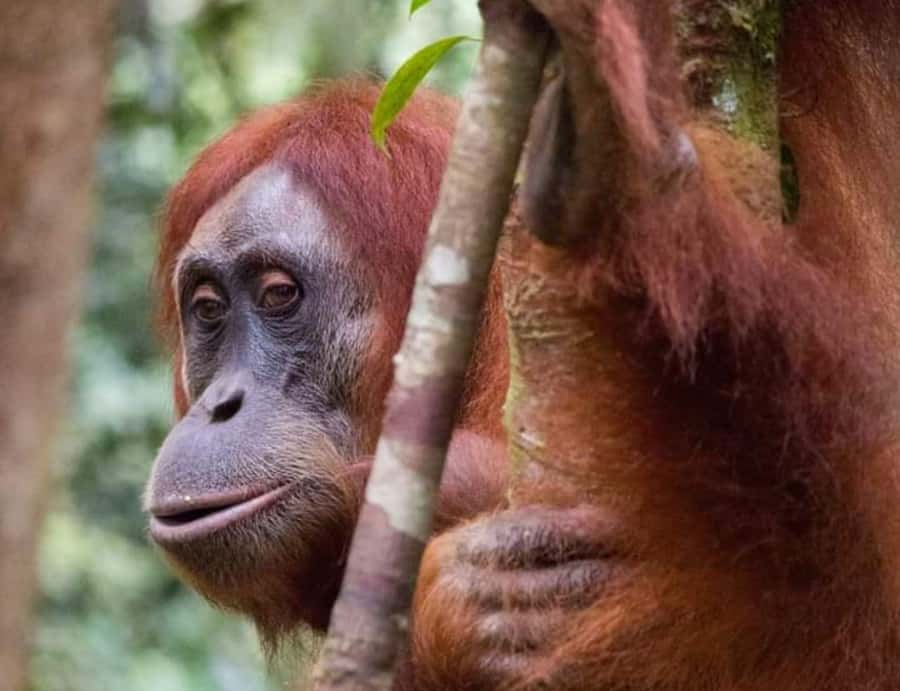
Book it if you’re the type who loves being in the rainforest, even when nature goes quiet. The combination of orangutan-focused trekking, overnight jungle time, included meals, and a small group makes this feel like a thoughtfully run jungle adventure rather than a rushed day trip.
Skip it or shop around if you’re only happy with constant wildlife action every day. The trek’s rhythm can include lighter walking periods and water-based finishing days, like tubing. That’s not wrong. It’s just a different promise.
If you decide to go, pack smart for dampness and insects, keep your expectations flexible about wildlife timing, and lean into the whole experience: the walking, the stream wash, the rainforest night, and those moments when the canopy finally gives you what you came for.
FAQ
Where is Bukit Lawang, and how far is it from Medan?
Bukit Lawang is a small jungle village about 86 km northwest of the city of Medan in North Sumatra.
How long is the Mount Leuser jungle trekking trip?
The experience lasts 4 days.
What does the price include?
It includes pickup/transfer from Kualanamu to Bukit Lawang hostel, entry ticket to the national park, jungle trekking activities, breakfast/lunch/dinner in the jungle, and hostel in Bukit Lawang. It also includes an on-the-ground guide (English and French) plus an audio guide (English and Chinese).
Are meals included if I’m staying at the hostel?
Jungle meals are included (breakfast, lunch, and dinner during the trekking days). The tour notes that no food is served at the hostel.
How big is the group?
The group is limited to 7 participants.
What should I bring for the trek?
Bring comfortable shoes, a change of clothes, a towel, flip-flops, long pants, and biodegradable insect repellent.