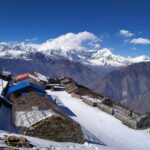
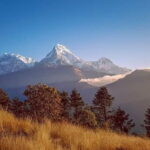
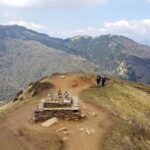
Throng La tests your lungs, then your grin. This 12-day Annapurna Circuit trek takes you from Pokhara out into Throng La 5,416m country, then back down through classic villages and viewpoints. I like that the route builds in smart altitude time, especially with Manang acclimatization and a visit to Bhojo Gompa. One thing to consider up front: you need strong fitness for long hiking days, and meals and drinks are not included.
What makes the trek feel good to plan is the mix of structure and simplicity: English-speaking trekking guide, guesthouse accommodation, trekking permits (including TIMS), and transport by sharing bus plus a hotel shuttle by private car. Guides mentioned in feedback—like Bikram, plus Prakash and Krishna—get praised for being patient and taking care of the details so the high-pass day feels manageable. If you want a private trip that stays with your group, this is set up for that.
In This Review
- Key things I’d circle before you go
- Why the Annapurna Circuit Feels Like One Long, Real Adventure
- Price and Logistics: What $718.77 Covers (and What It Doesn’t)
- Day-by-Day Walkthrough: From Besisahar to Jomsom and Back to Pokhara
- Day 1: Early bus to Besisahar area, trek to Nadi
- Day 2: Nadi to Jagat
- Day 3: Jagat to Dharapani (village trekking and scenery breaks)
- Day 4: Dharapani to Chame, with big peak views
- Day 5: Chame to Pisang
- Day 6: Pisang to Manang
- Day 7: Short acclimatization walk + Bhojo Gompa
- Day 8: Manang to Yak Kharka
- Day 9: Yak Kharka to Thorong Phedi / Thorong La Road
- Day 10: Thorong Phedi to Thorong La (5,416m) then down to Muktinath
- Day 11: Muktinath down to Jomsom, village time
- Day 12: Morning bus back to Pokhara + hotel transfer
- Manang Acclimatization and Bhojo Gompa: Not Just a Nice Detour
- Crossing Thorong La: How to Make the Pass Day Feel Less Scary
- Your Guide, Your Rhythm: What the Best Feedback Suggests
- Guesthouses, Meals, and Daily Comfort (What You’ll Love, What You Must Plan)
- Who This 12-Day Trek Suits Best
- Should You Book This Annapurna Circuit From Pokhara?
- FAQ
- How long is the Annapurna Circuit trek on this tour?
- What is the highest point on the trek?
- What is included in the price?
- Are meals included?
- Is pickup offered from Pokhara?
- What are the main transport parts of the itinerary?
- Do I need strong fitness for this trek?
- Is this tour private or group-based with other travelers?
- What is the cancellation policy?
Key things I’d circle before you go
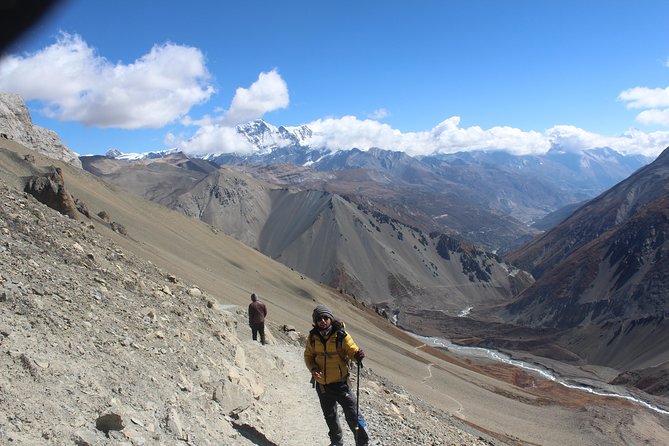
- Throng La at 5,416m is the clear highlight, with a long but rewarding day to crest the pass.
- Manang acclimatization + Bhojo Gompa gives you altitude support instead of pushing too hard too fast.
- Permits and TIMS are included, so you spend less time on paperwork stress.
- Guesthouses are included, which helps keep each day straightforward after trekking.
- English-speaking guide support gets strong mentions for pace, knowledge, and calm.
- Meals and drinks are on you, so budget for food during trekking days.
Why the Annapurna Circuit Feels Like One Long, Real Adventure
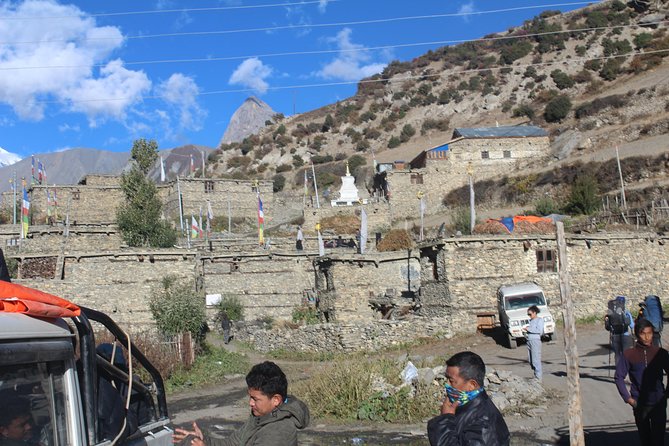
The Annapurna Circuit isn’t a museum walk. It’s a working, moving slice of Nepal—villages, passes, and changing air pressure that makes every decision feel physical. In this 12-day format, you don’t just chase altitude. You also spend time in places like Chame, Pisang, and Manang where the trek starts to feel like a journey through different “moods” of the mountains.
I also like the logic of how the days are arranged. You start with steady hiking blocks (around 5 to 7 hours on several days), then you get into the higher-elevation rhythm with acclimatization in Manang. By the time you’re close to Thorong La, you’ve been walking long enough to understand your pace, and high enough that the pass day doesn’t feel like it comes out of nowhere.
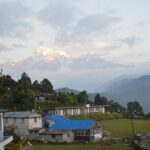
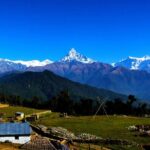
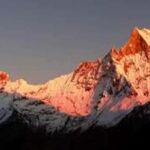
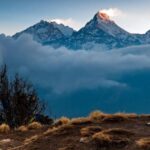
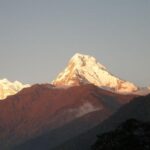
The other thing: the circuit is famous for views of the Annapurna range, and this itinerary actually flags those moments. You pass through sections where you’re looking at peaks like Annapurna II and Annapurna IV and also Lamjung Himal. That matters because you’ll remember the trip in pictures later—but you’ll feel it moment by moment while you’re walking.
You can also read our reviews of more tours and experiences in Pokhara.
Price and Logistics: What $718.77 Covers (and What It Doesn’t)
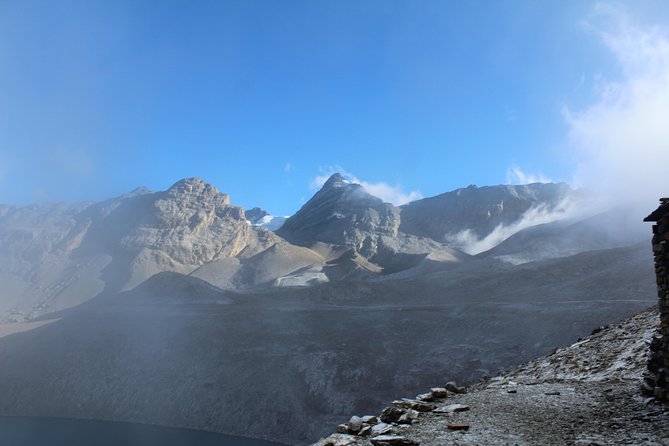
At $718.77 per person for roughly 12 days, you’re paying for the parts that are hardest to DIY safely and smoothly. The big inclusions are the trekking permits and TIMS, an English-speaking guide, guesthouse accommodation, and transport (sharing bus to and from the trekking points plus hotel shuttle in a private car). There’s also a private-trip setup, meaning it’s only your group.
That’s good value if you don’t want to coordinate logistics daily. Permits and a guide aren’t just “nice to have” on a big trek; they remove friction and let you focus on pacing, weather, and staying comfortable enough to keep moving.
What you need to plan for: meals and drinks are not included. That sounds obvious, but it changes your real budget. You’ll also want to think about emergency coverage, because rescue costs aren’t included. Even with a guided route, altitude trekking is still altitude trekking.
Finally, gratuity is optional, which is always worth noting if you’re trying to keep costs predictable. If you like to tip, just remember it’s not built into the base price.
Day-by-Day Walkthrough: From Besisahar to Jomsom and Back to Pokhara
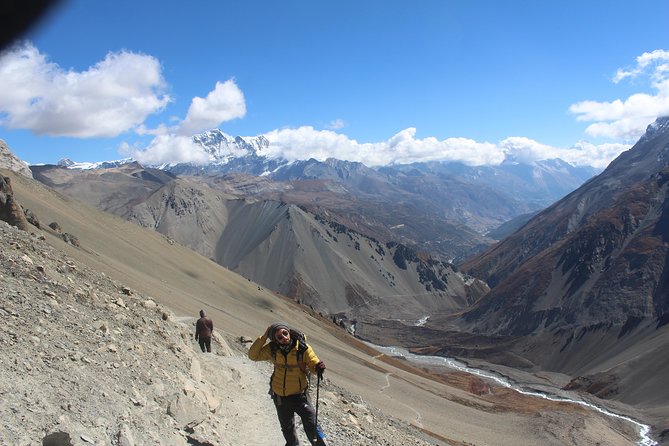
This trek runs as a sequence of manageable days that gradually climb toward the big high pass. I like that you get a clear rhythm: walk hard enough to earn rest, then sleep and recover before the next step up.
Day 1: Early bus to Besisahar area, trek to Nadi
You start early (the schedule shows a 6:15 am start) and connect by bus to the Besisahar/Beshishahar area, then trek to Nadi for about 6 hours. This is your warm-up day in spirit, even if it’s not “easy easy.” Expect a transition from travel energy into trekking focus. If you’re prone to going too fast on day one, resist it. Save some gas for later.
Day 2: Nadi to Jagat
Day two is about 5 hours to Jagat. This is the kind of day that helps you settle into the trail rhythm—steady walking, watching your breath, and getting a feel for how your legs respond once the elevation starts to build.
Day 3: Jagat to Dharapani (village trekking and scenery breaks)
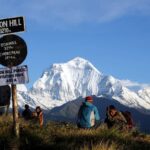
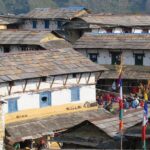
You trek for about 7 hours toward Dharapani, passing through villages and enjoying the surrounding mountain views. A longer day like this is where having a guide helps: you’ll likely get pacing advice so you don’t spike too hard before you’re ready.
Day 4: Dharapani to Chame, with big peak views
About 6 hours to Chame. This day is highlighted for views of Lamjung Himal, Annapurna II, and Annapurna IV. When the mountains line up like that, it changes how you experience the uphill. It’s not just effort anymore—it becomes focus.
Day 5: Chame to Pisang
About 6 hours to Pisang. This is another steady mountain day. Expect continued ascent and classic trekking vibes: short breaks, long stretches, and that feeling of getting deeper into the circuit.
Day 6: Pisang to Manang
About 6 hours to Manang, with more of those snowcapped views on the way. Manang is where many trekkers start to feel the altitude more clearly, even if the day itself is just “walking.” You’ll appreciate arriving with time to settle, eat, and let your body catch up.
Day 7: Short acclimatization walk + Bhojo Gompa
This day is only 3 hours, but it’s a key one. You take a short walk to higher altitude to acclimatize, and you also visit Bhojo Gompa. I really like this structure because it’s not a rest day in disguise. You get a controlled exposure to higher ground, which can make the later days feel more doable.
Day 8: Manang to Yak Kharka
About 4 hours. The route is described as increasingly inclined and gives you more aerial views. A shorter day can still be tough when the air is thinner and the ground keeps pulling you upward. Treat this as a “stay steady” day, not a “prove something” day.
Day 9: Yak Kharka to Thorong Phedi / Thorong La Road
About 4 hours to the Thorong La area. This is your setup day for the pass. You’re getting high and positioning yourself for an early start the next morning.
Day 10: Thorong Phedi to Thorong La (5,416m) then down to Muktinath
This is the headline day. You trek from Thorong Phedi to Thorong La at 5,416 meters, starting early in the morning, then descend to Muktinath (3,800 meters). The trek is about 8 hours total.
Crossing a high pass day is less about heroic speed and more about keeping a consistent effort. Going early matters, because it helps you manage weather and timing. And descending afterward can feel almost unfair—your legs are tired, but you’re moving into lower elevation where you can breathe better. Still, downhill can be rough on knees, so pace counts.
Day 11: Muktinath down to Jomsom, village time
About 5 hours descending to Jomsom. You also get time to explore Jomsom village and nearby places. This is a nice mental shift. After the pass, you trade big altitude drama for calmer village wandering and the satisfaction of reaching the other side.
Day 12: Morning bus back to Pokhara + hotel transfer
You take a morning bus drive back to Pokhara, about 8 hours, then get transferred to your hotel. It’s a long travel day, but it’s also a satisfying finish. You’ll likely feel the trek more on this day than you expect, so plan for a slow evening.
Manang Acclimatization and Bhojo Gompa: Not Just a Nice Detour
The Manang portion is where this itinerary shows good sense. Instead of treating the pass like the only goal, you build in an acclimatization walk to higher altitude. Even though the day is short (3 hours), the purpose is practical: help your body adjust before you start the final push.
The Bhojo Gompa visit also adds cultural texture without derailing the schedule. A trek can feel like a sequence of steps and breath. Places like this break that up and remind you that you’re walking through communities with spiritual sites and traditions.
If you’re the type who hates “wasted” time, don’t look at this as downtime. It’s time that can save you on the hardest day later.
Crossing Thorong La: How to Make the Pass Day Feel Less Scary
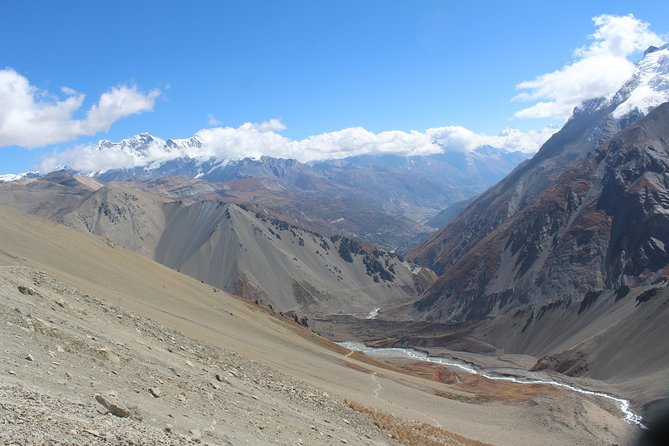
Thorong La at 5,416m is the moment people talk about for a reason. The pass day is long at 8 hours, and it starts early. That early start isn’t just a logistical detail; it changes how you experience the day. You’re less likely to spend the worst of the day fighting conditions.
Here’s the mindset that helps:
- Go slow early, so you’re not paying for it at the top.
- Expect breathing to feel different. That’s normal at these heights.
- Treat the summit/crest moment as a step in the route, not a sprint finish.
After crossing, you descend to Muktinath (3,800m). The contrast can be a relief for your breathing, but don’t get sloppy. Downhill is where legs complain. A good guide approach matters here, especially for timing and pacing.
Your Guide, Your Rhythm: What the Best Feedback Suggests
The most praised part in the feedback is the guide experience. Names that come up include Bikram, plus Prakash and Krishna. What I take from that is less about one person’s personality and more about the style of guiding that works on a big trek: patient pacing, clear briefing, and care for how you’re doing on the trail.
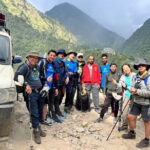
One review specifically highlights Bikram as patient and experienced, with decades of guiding behind him. Another notes Prakash briefing on Himalayas and culture, plus taking care so the pass felt manageable. A third mentions Krishna and the CAN team, and a group of six completing the trek smoothly.
So when you book, pay attention to fit. You want a guide who keeps you calm, makes the day’s plan understandable, and adjusts pace if someone in the group is lagging.
Guesthouses, Meals, and Daily Comfort (What You’ll Love, What You Must Plan)
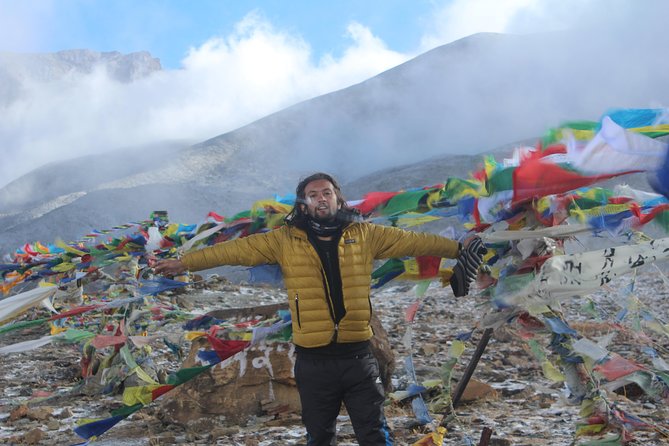
Guesthouse accommodation is included, which is a big comfort win. It means you’re not searching for beds every night while you’re tired. Still, guesthouses on trekking routes are simple by design. Think clean enough, warm enough when possible, and practical. Don’t expect hotel polish.
Meals and drinks are not included, which you should treat as part of your planning rather than a surprise cost. Budget for food during the walking days, and plan to keep hydration in mind. Even when the trail feels short on paper, the altitude can make you feel thirst sooner.
Also consider how you’ll manage your energy after hiking. If you rely on full meals and snacks to recover, plan your spending so you don’t run low mid-trek.
Who This 12-Day Trek Suits Best
This tour fits best if you:
- Are comfortable with long hiking days (roughly 5 to 8 hours on most days).
- Take fitness seriously, because the trek asks for it and the pass day is real.
- Want a private trip for your group, with an English-speaking guide handling key logistics.
- Prefer structured days but still like the outdoors as the main event.
If you’re still building trekking stamina, you might want to consider a shorter or lower-altitude trek first. Thorong La is not a “maybe” pass; it’s a commitment.
Should You Book This Annapurna Circuit From Pokhara?
I’d book if you want the classic Annapurna Circuit experience with a clear plan, included permits and TIMS, guesthouses handled, and a guide who can keep the group moving at a humane pace. The itinerary’s inclusion of Manang acclimatization and Bhojo Gompa is a smart balance between mountain goals and recovery.
I would pause if you hate the idea of paying for meals and drinks separately, or if you’re not confident in your physical fitness for multi-hour hikes plus a high pass at 5,416m. Also, consider insurance carefully since rescue costs are not included.
If you’re ready for real mountain trekking and you like having someone experienced managing the flow of days, this is strong value for the work it removes from your plate.
FAQ
How long is the Annapurna Circuit trek on this tour?
The trek is listed as 12 days (approx.).
What is the highest point on the trek?
You reach Thorong La at 5,416 meters.
What is included in the price?
It includes hotel shuttle service in a private car, trekking permit and TIMS, an English-speaking trekking guide, guesthouse accommodation, transport by sharing bus from and to trekking point, and a private trip.
Are meals included?
No. All meals and drinks are not included.
Is pickup offered from Pokhara?
Yes. A hotel shuttle service in a private car is included, and pickup is noted as offered.
What are the main transport parts of the itinerary?
You use sharing bus transport from and to the trekking point, and the final transfer returns you to Pokhara by bus plus hotel transfer.
Do I need strong fitness for this trek?
Yes. The tour notes that travelers should have a strong physical fitness level.
Is this tour private or group-based with other travelers?
It’s a private tour/activity. Only your group will participate.
What is the cancellation policy?
You can cancel for a full refund if you cancel up to 24 hours in advance of the experience’s start time.