REVIEW · KATHMANDU
Pokhara: 5-Day Annapurna Base Camp (ABC) Trek
Book on GetYourGuide →Operated by MTA Trekking Pvt. Ltd. · Bookable on GetYourGuide
Pokhara’s quieter lakeside energy turns into real mountain work fast. This 5-day Annapurna Base Camp trek takes you from lakeside comfort to 4,130m and back, with hot-spring pauses and village life along the way.
I especially like how the route moves through real everyday places—terraced rice fields, dense forest, and Gurung villages—before you earn the big reward at the base camp. I also like the organization: hotel pickup/drop-off in Lakeside Pokhara or the airport, private transport to the trail start, and an English-speaking guide who keeps things running smoothly.
The main drawback to plan for is simple: altitude. Annapurna Base Camp is high, and even though altitude sickness is said to be rare, you should still take the pace seriously and listen to your guide.
In This Review
- Key Things You’ll Care About on This ABC Trek
- From Lakeside Pokhara Into the Hills (Day 1: Jhinu to Lower Sinuwa)
- Lower Sinuwa to Deurali: A Long Climb With a Purpose (Day 2)
- The Big Day: Machhapuchhre Base Camp Detour to Annapurna Base Camp (Day 3)
- Base Camp to Bamboo: Sunrise Views Plus a Real Descent (Day 4)
- Bamboo Back to Jhinu and Then Pokhara (Day 5: Hot Springs Optional, Travel Unavoidable)
- Your Guide and Group Dynamic: Private, English, and Actually Helpful
- Tea Houses, Full-Board Meals, and What to Expect on Food
- Price and Logistics: Is $136 Good Value?
- Altitude, Monsoon Rain, and Leeches: The Stuff That Can Change Your Day
- What to Pack (So You Don’t Waste Energy)
- Should You Book This 5-Day Annapurna Base Camp Trek?
- FAQ
- How many days is the Annapurna Base Camp trek?
- What is the highest altitude you reach?
- Are meals included in the price?
- Where do you pick up and drop off?
- What permits are included?
- Do you provide an English guide?
- Do I need a porter?
- Is there luggage storage in Pokhara?
- Can I cancel and pay later?
Key Things You’ll Care About on This ABC Trek
- A private group with an English live guide keeps your day moving and questions answered
- Hot-springs detours at Jhinu add comfort and a reason to look forward to the return route
- Machhapuchhre Base Camp view detour gives you a second big photo payoff before Annapurna Base Camp
- Tea house comfort and full-board meals make it realistic as a 5-day plan
- Luggage storage in Pokhara means you don’t haul extra weight on the climb
From Lakeside Pokhara Into the Hills (Day 1: Jhinu to Lower Sinuwa)
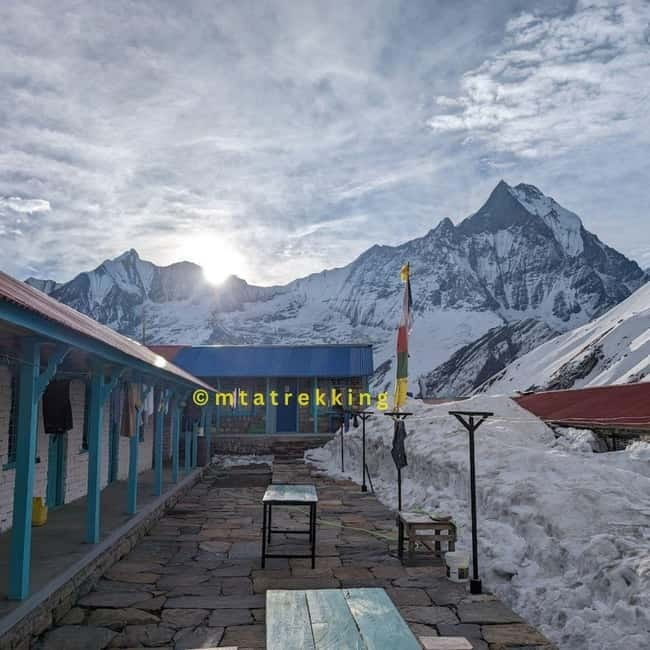
Day 1 starts with a pick-up from any hotel in Lakeside Pokhara (or the international airport), then a private SUV/jeep ride toward the trailhead. You’re not trekking immediately at sea-level drama speed. This buffer matters: it helps you get used to the rhythm of the day before the climbs begin.
After the drive, you hike roughly 5 hours to Lower Sinuwa (2,300m). Along the way, you pass through Jhinu, famous for its natural hot springs—one of those Nepal travel moments that feels both practical and oddly luxurious after walking.
Lower Sinuwa is also a good “first altitude” step. You’ll feel the air change, but you’re still in that zone where you can settle in, eat well, and rest without starting your trip totally gassed.
You can also read our reviews of more tours and experiences in Kathmandu.
Lower Sinuwa to Deurali: A Long Climb With a Purpose (Day 2)
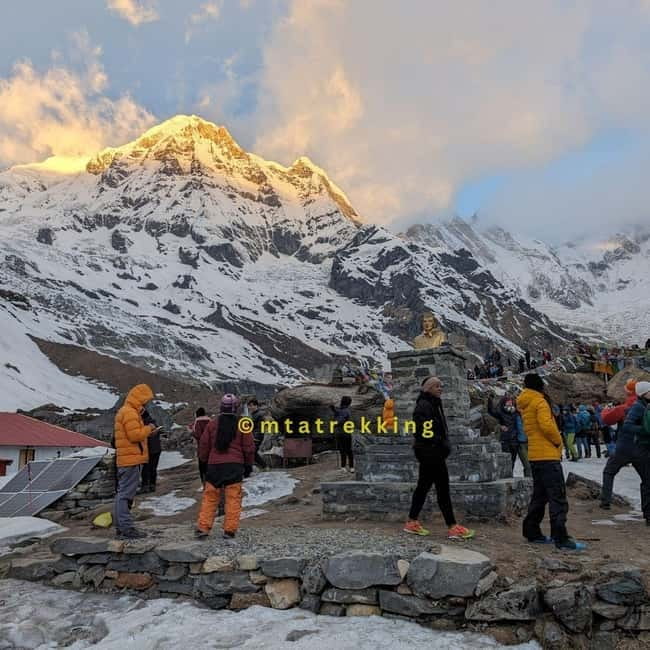
Day 2 is your main uphill day. You ascend toward Deurali (3,200m) in about 6 hours, with the mountain air tightening in your lungs as you go. This is where you learn how your body handles effort at altitude—without yet pushing all the way to the top.
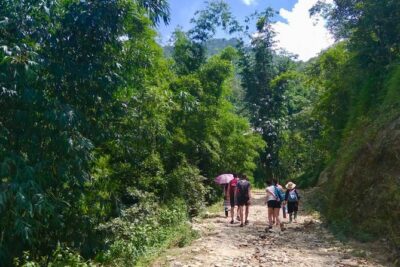
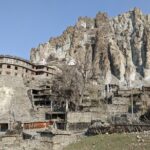
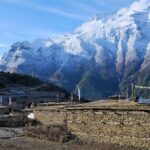
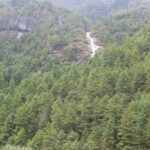
One of the best parts here is the variety: you’ll pass through places that feel like they belong to different Nepal seasons and traditions. You might walk past terraced rice fields that look almost domesticated, then transition into thicker areas with the forest feel. That contrast isn’t just scenic—it helps break the monotony of switchback walking.
Deurali is also a strong place to sleep because it’s tucked into a village setting where you can eat, recover, and watch the mountain mood change as the light shifts.
The Big Day: Machhapuchhre Base Camp Detour to Annapurna Base Camp (Day 3)
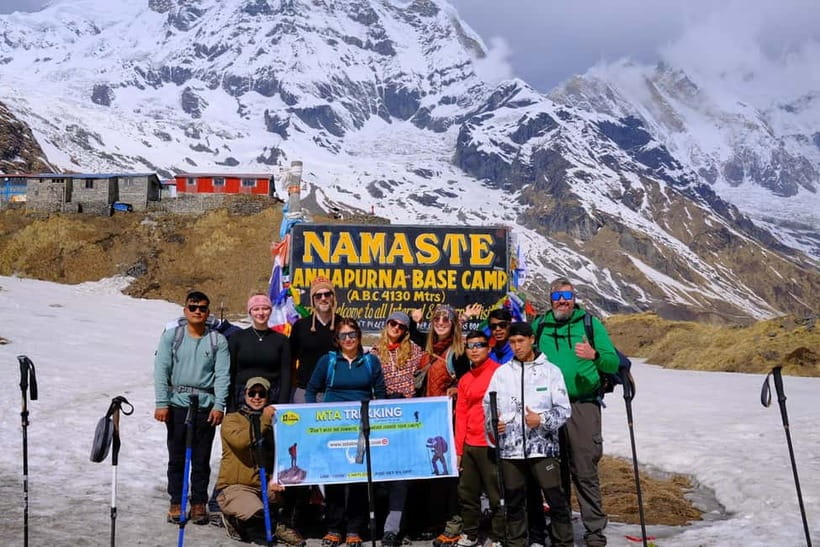
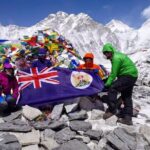
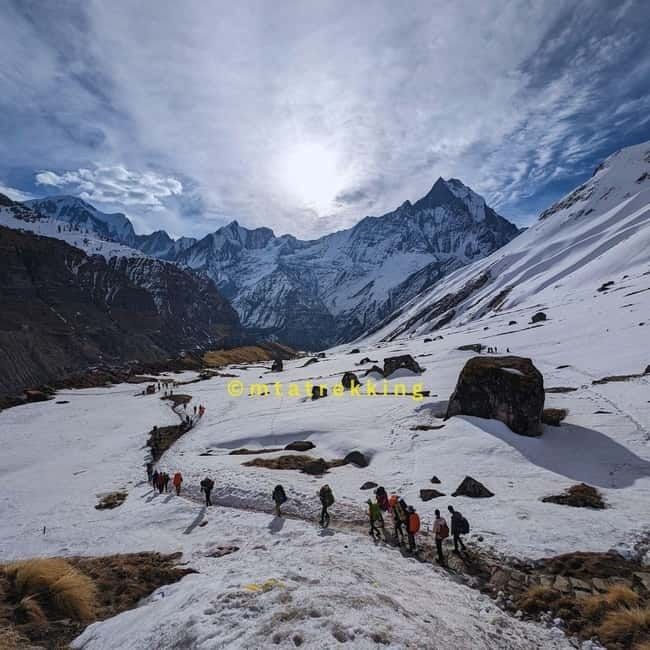
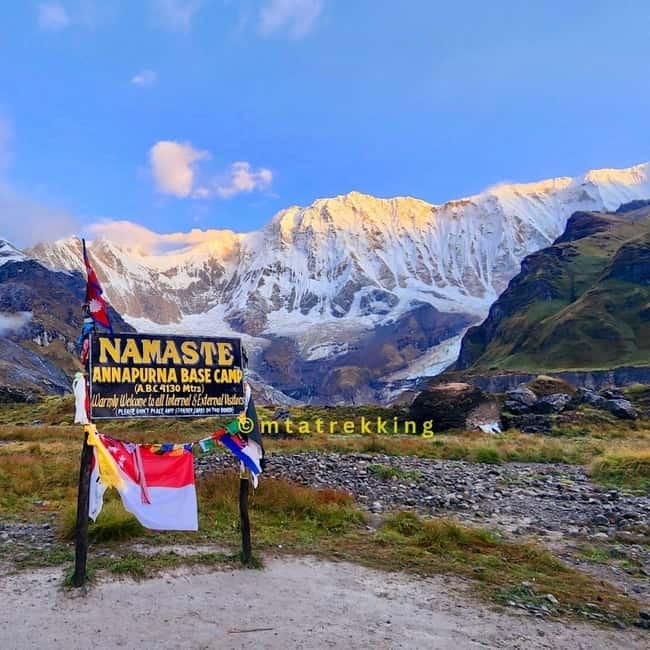
Day 3 is short on paper—around 4 hours of hiking to reach Annapurna Base Camp—but it’s huge in impact. After you start your climb, you reach the iconic Annapurna Base Camp at 4,130m (13,550 ft), the whole reason most people make the trip.
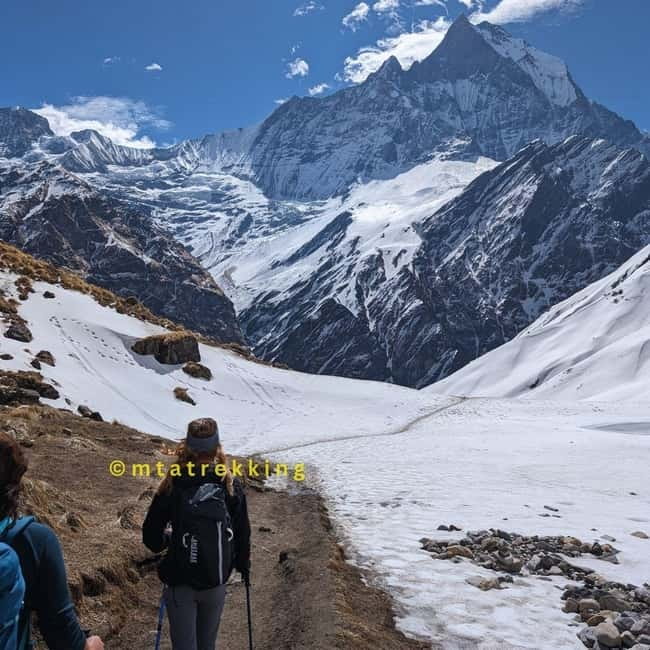
Here’s the detail I like: you don’t just go straight to ABC. You take a detour to Machhapuchhre Base Camp for views of the Fishtail Peak. It’s a smart design. It gives you a “major moment” before the main moment, so you’re less likely to feel like the day has one single payoff and then ends.
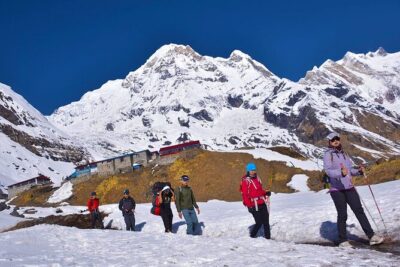
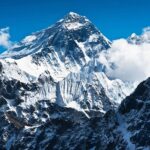
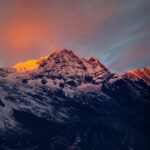
Once you arrive at Annapurna Base Camp, you get the feeling of being inside a wall of big peaks. Your photo breaks will multiply, sure—but the bigger value is mental. This is where you stop “training” and start arriving. You’ll likely feel that quiet sense of accomplishment when you finally see what you’ve been walking toward.
Tip that keeps things sane: pace your excitement. Take the photos, then take a few minutes to slow your breathing before you overdo effort or keep pushing too long after reaching base camp.
Base Camp to Bamboo: Sunrise Views Plus a Real Descent (Day 4)
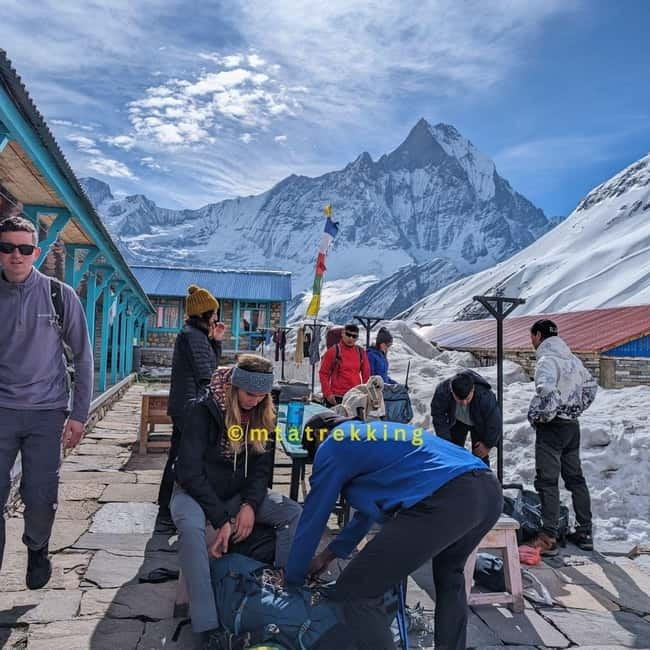
Day 4 has two jobs: absorb Annapurna Base Camp properly and then walk down to Bamboo (2,400m). After the altitude of base camp, the descent is welcome, but don’t treat it like a casual stroll. Your legs still do work—downhill can be rough on knees and shins.
This is the day where you’ll want to prioritize views and timing. The plan includes sunrise opportunities around the base camp area, so you can catch the early light when the peaks often look at their most dramatic. That early start can feel annoying at first, but if you’re trying to get the most out of the high-altitude part of the trip, it’s worth planning your energy.
When you finally reach Bamboo, it’s a lower altitude reset. You’ll feel the air ease and you can focus on recovery: eating well, hydrating, and letting your body adjust for the final travel day.
Bamboo Back to Jhinu and Then Pokhara (Day 5: Hot Springs Optional, Travel Unavoidable)
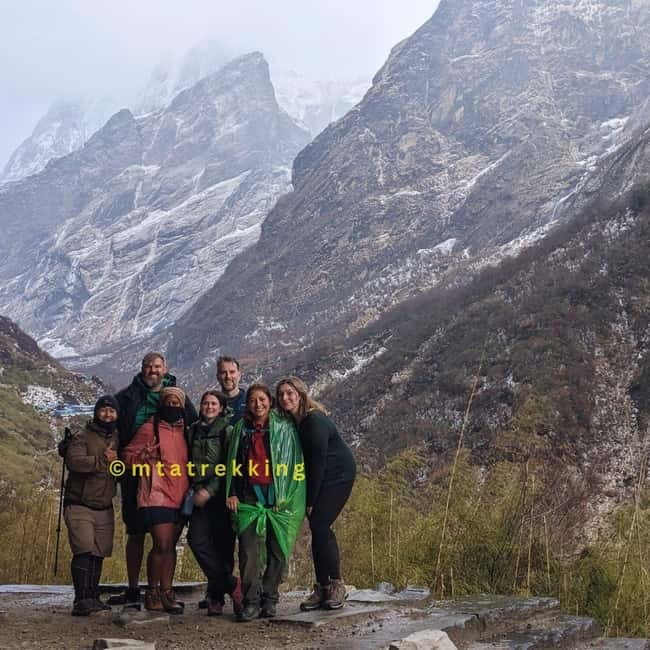
On the last day, you walk back toward Jhinu Danda and have the option of relaxing in the natural hot springs. This is a smart ending move. Instead of ending with only travel logistics, you finish with something that feels like a reward for all the effort.
After the trek portion, you drive back to Pokhara in a private jeep/SUV. You’ll likely notice how quickly “mountain mode” switches back to “city mode” once you’re back on the road—so I’d plan a simple evening meal and a long rest. Your body has earned that.
Your Guide and Group Dynamic: Private, English, and Actually Helpful
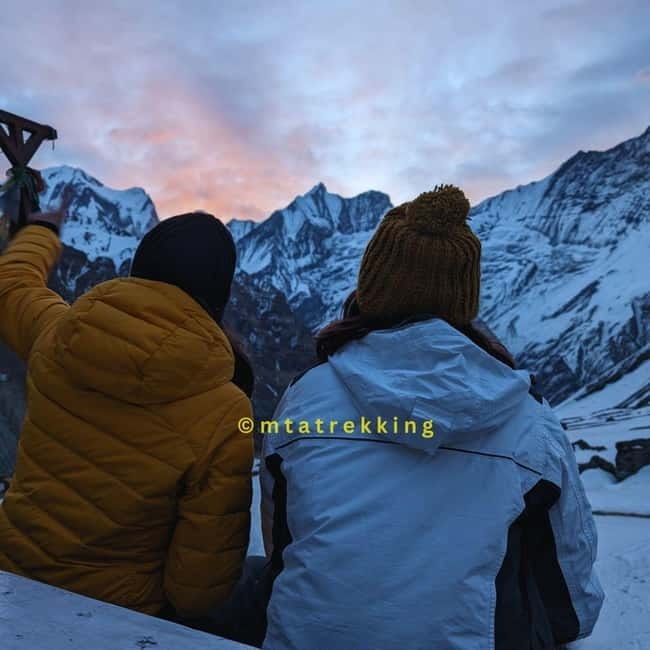
This trek works best when the guide isn’t just translating words, but managing effort, pacing, and decisions on the fly. The guide experience shows up clearly in the trip feedback you can feel in how the day runs: people specifically praised guides like Santosh, Prabit, and Ramit for being kind, informative, and attentive to fine details.
What I like about the guide setup here:
- English live tour guide means you can ask questions about peaks, culture, and what you’re walking through
- Private group means the pace is more flexible and you’re less likely to feel lost in someone else’s speed
- Government-registered trekking guides suggests more accountability than the wild west of random arrangements
If you care about culture as much as the view, you’ll also like the attention to Gurung village life—the kind of contact that doesn’t feel like a staged stop. It’s part of how the trek becomes more than steps in a line.
Tea Houses, Full-Board Meals, and What to Expect on Food
This trip includes tea house accommodation and meals using a full board approach (as noted in the inclusions). Translation: you’re not constantly budgeting for meals at each stop. That matters on a trek, because unpredictable food runs can add stress right when your body already has enough to handle.
Tea houses also mean predictable sleep setups—simple rooms, shared dining spaces, and the usual trekking rhythm where you eat, warm up, and settle. I’d still expect basic conditions rather than hotel polish. The win is consistency: you know what you’ll get day after day, and that helps you keep your energy.
One practical thing: avoid assuming you’ll have unlimited comfort extras. Items like hot shower, Wi‑Fi, drinks, and laundry on the mountains are listed as not included, so bring a realistic mindset.
Price and Logistics: Is $136 Good Value?
At $136 per person for 5 days, this is one of those prices that only makes sense if you look at what’s bundled. You’re not just buying a “guide + hike.” Included are:
- Tea house stays
- Meals (full board option)
- Hotel pickup/drop-off in Lakeside Pokhara or the airport
- Private transport from Pokhara to the trek start area (and back)
- ACAP permit plus government permits, TIMS, and taxes
- An English-speaking trekking guide (plus first aid kit)
- Luggage storage facility in Pokhara
What’s not included matters too. If you want a porter, it’s listed as $20 per day, and you’ll still handle personal expenses like drinks, Wi‑Fi, and hot showers. Rescue and insurance aren’t included, which is normal for many tours—but you should still treat insurance as part of your real planning.
My take on the value: this price works best if you want a guided, permission-handled, meal-covered trek with minimal admin stress. If you already have your own gear and you like improvising logistics, you might find cheaper independent setups—but the tradeoff is effort, time, and uncertainty. For most people, paying for the system is the easier win.
Altitude, Monsoon Rain, and Leeches: The Stuff That Can Change Your Day
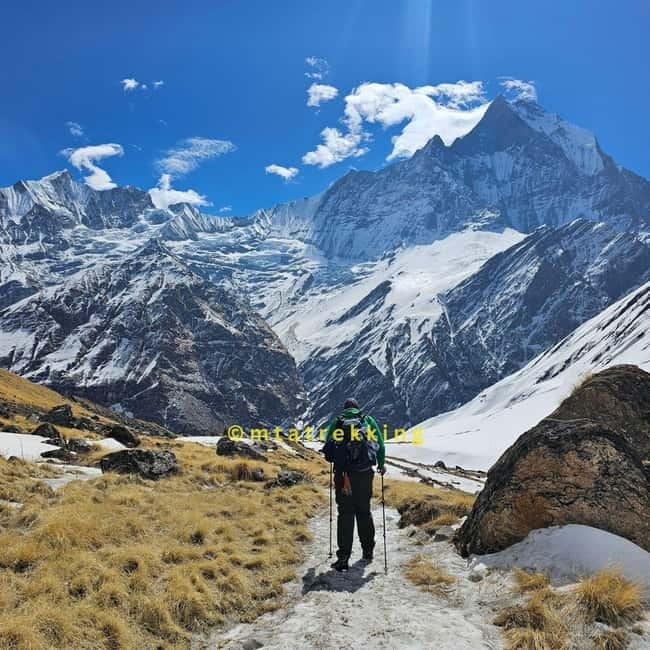
Annapurna Base Camp reaches 4,130m. Altitude sickness is described as rarely happening, but “rare” isn’t “impossible.” So I’d go in with a conservative attitude.
Here’s what I recommend based on the safety notes you’re given:
- Take it slow even when you feel good. The goal is steady effort, not hero moments.
- Be ready for erratic weather in June–August. Expect heavy rainfall potential and pack accordingly.
- Plan for leeches, especially during monsoon periods. The advice is practical: wear long pants, tuck them into gaiters, and use insect repellent.
Also note what the trip signals about who should not go: the trek isn’t suitable for pregnant women, people with mobility impairments, wheelchair users, people visually impaired, people with altitude sickness, and people over 70 years. If any of those apply, don’t try to “tough it out.” Pick a different experience that matches your health needs.
What to Pack (So You Don’t Waste Energy)
You’re told to bring comfort items and basic documentation. I’ll translate that into how you should think about packing:
- Comfortable walking shoes (not “new,” not “maybe”)
- Change of clothes
- Comfortable clothes for cool mountain nights
- Cash
- Passport or ID card (a copy is accepted)
For trek comfort, I also think about what isn’t listed but logically follows from the included notes: extra layers for cold evenings at height, and gear that helps with rain if you’re going in monsoon season. If you’re unsure, ask your guide what they expect for the dates you’re traveling.
Should You Book This 5-Day Annapurna Base Camp Trek?
Book it if you want a well-paced guided trek that hits Annapurna Base Camp in a realistic 5 days, with hot-spring stops and village culture along the way. The private, English-guide setup is a big plus if you like context, not just views. And if you’re the kind of person who appreciates that meals, permits, and logistics are handled, you’ll likely find this very satisfying.
Skip or rethink if altitude is a concern for you personally, if you’re in one of the listed “not suitable” categories, or if you want a totally low-effort vacation. This is a Himalayan trek. Even with guidance and tea-house comfort, your body will work—especially on the climb days.
If you’re healthy, motivated, and ready to take altitude seriously, this route is a strong value way to experience Annapurna Base Camp without turning your trip into a paperwork-and-chaos project.
FAQ
How many days is the Annapurna Base Camp trek?
The trek runs for 5 days (4 nights and 5 days).
What is the highest altitude you reach?
You reach Annapurna Base Camp at 4,130 meters (13,550 feet).
Are meals included in the price?
Yes. Meals are included with a full-board option.
Where do you pick up and drop off?
You can be picked up from any hotel in Lakeside Pokhara or from Pokhara International Airport, and dropped off at the same general locations after the trek.
What permits are included?
The price includes the Annapurna Conservation Area (ACAP) permit plus government permits, TIMS, and taxes.
Do you provide an English guide?
Yes. A live tour guide is provided in English.
Do I need a porter?
A porter service is optional and costs $20 per day. You can also store luggage in Pokhara during the trek.
Is there luggage storage in Pokhara?
Yes. There is a luggage storage facility in Pokhara during the trekking period.
Can I cancel and pay later?
You can cancel up to 24 hours in advance for a full refund. You can also reserve now and pay later.