REVIEW · SAPA
Sapa Valley Trek and Homestay – 3D2N
Book on Viator →Operated by Trekking Tour Sapa · Bookable on Viator
Three days, five villages, and one real homestay night. This Sapa Valley trek links mountain trails with visits to multiple ethnic minority communities, including chances to see rice terraces and major valley scenery, all guided by locals. It’s built as a 3D2N loop that starts in Sapa Town around 9:00am and ends back at the meeting point.
I love how much of the day is spent with people living the culture, not just watching it from a distance. I also really like the role of the guide, since guides such as SoSo and Ly are praised for clear explanations and practical help on the trail.
One thing to consider is that this is real trekking. Expect a moderate physical fitness level (and sometimes slippery, longer stretches), and go with the weather—this experience depends on good conditions.
In This Review
- Key things to know before you go
- How the 3D2N trek works: timing, group size, and walking pace
- Day 1: Y Linh Ho down to Cat Cat’s road, then Ta Van village and your homestay night
- Day 2: Coffee and rice fields, Giang Ta Chai waterfalls, then Ban Ho with Red Dao and Tay culture
- Day 3: Traditional houses and Tay culture, then the route to Nam Tong
- Homestay reality check: what you get, what to pack, and how to be a good visitor
- Why the guide makes or breaks this trek (and why names matter)
- Price and value: what $170 includes and where your money goes
- Who this tour suits best (and who might want a different option)
- Should you book Sapa Valley Trek and Homestay (3D2N)?
- FAQ
- What time does the trek start, and where do I meet the group?
- How long is the trek, and how many nights is the homestay?
- Is this trek suitable for everyone in terms of fitness?
- What’s included in the price?
- What is not included?
- What happens if weather is bad or the tour can’t run?
Key things to know before you go
- Small-group feel (max 15) keeps the pace and questions manageable.
- Local minority guides often focus on everyday life, not just facts.
- Homestay night included (1 night) gives you the full rhythm of village life.
- Village entry fees and meals included, so the budget stays simpler.
- Multiple ethnic groups across villages: Hmong, Giay, Red Dao (plus Tay mentioned along the way).
How the 3D2N trek works: timing, group size, and walking pace
This is a 3-day, 2-night format (often called 3D2N), running roughly over three days with an early start. You meet at Sapa Church (or your hotel in Sapa Town if pickup is offered), with departure at 9:00am.
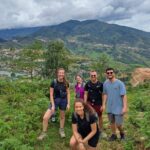
The group stays small—up to 15 travelers—which matters on a trek like this. Small groups mean you can move efficiently along narrow paths, but you also get more back-and-forth with your guide when questions come up.
Physically, the tour is described as requiring a moderate fitness level. That’s a useful heads-up. You’re not doing a flat stroll. You’ll walk up and down slopes, and some days include sections that can get slippery depending on recent weather and ground conditions. If you’re the kind of traveler who wants a light, mostly seated experience, you’ll probably feel the walking.
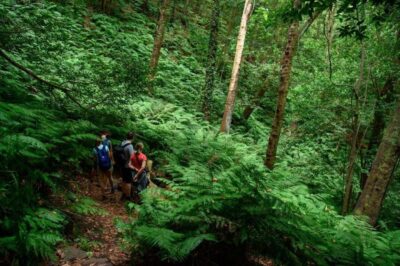
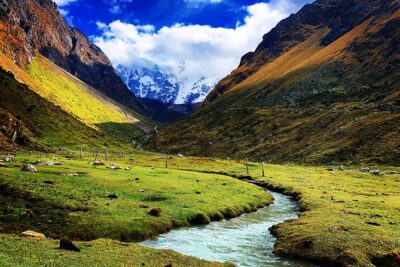
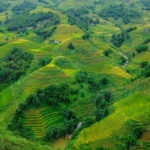
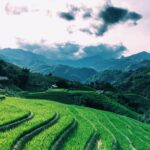
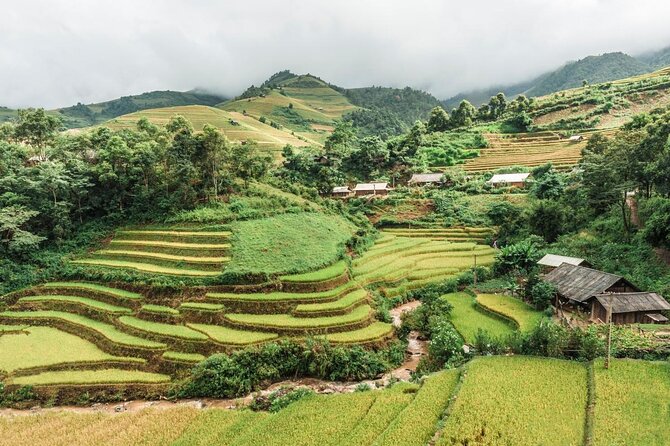
The upside: if you’re comfortable with hikes, you’ll get to experience why Sapa’s valleys are so famous—through footpaths, village roads, waterfall-area routes, and the slow reveal of terraced rice.
You can also read our reviews of more tours and experiences in Sapa.
Day 1: Y Linh Ho down to Cat Cat’s road, then Ta Van village and your homestay night
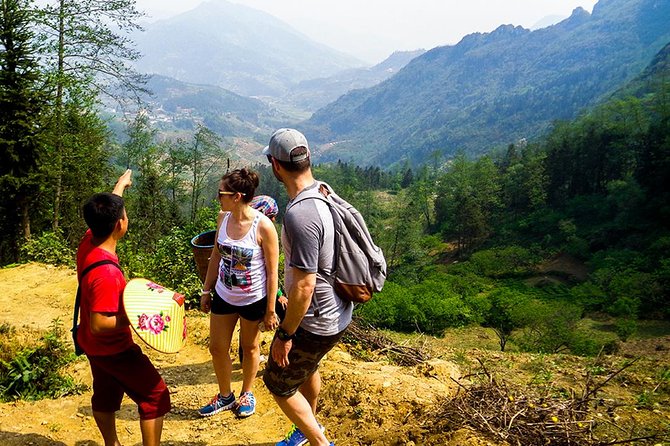
Day 1 starts with your guide meeting you in Sapa Town, then a short orientation. From there, the plan takes you downhill first—about 2km down to Cat Cat’s road—a move that helps you ease into the rhythm of the trek rather than going straight into steep climbs.
You’ll pass through the first village focus at Y Linh Ho, which sets the tone: you’re not just traveling through scenery, you’re meeting local life at village level. There’s an included admission ticket here, and that’s one of the ways the tour keeps things organized during the day.
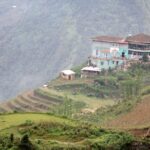
Next comes the shift to Ta Van village, home to the Giay minority. Your local host family welcomes you, and this is where the homestay part stops being a line on a brochure. You get time to rest, and the homestay includes practical comforts like a hot shower (at least for the Ta Van stay timing described). After that, dinner is included, so you don’t lose daylight figuring out food.
What I like about Day 1 is that it balances views and culture with decompression time. You walk, you arrive, you reset, and you get a real village evening instead of racing straight back to town.
Day 2: Coffee and rice fields, Giang Ta Chai waterfalls, then Ban Ho with Red Dao and Tay culture
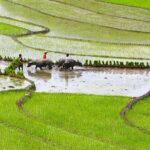
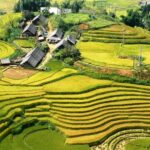
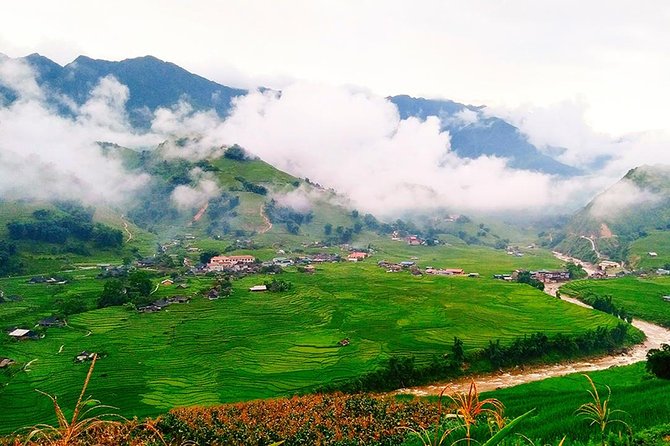
Day 2 begins with a slower start at your homestay: you can have hot coffee or tea, then take in the homestay surroundings and nearby rice fields. That small piece of time matters more than it sounds. It helps you notice details—terraces, paths, and how the village sits into the valley—before the bigger walking begins.
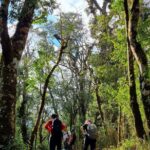
After breakfast, you head uphill into the mountains toward the waterfalls of Giang Ta Chai. This is the kind of stop that tends to feel different on a hike, because you’re earning it step-by-step. The tour description signals this is part of your day’s main movement, not a quick photo stop.
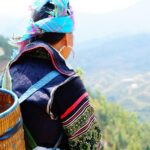
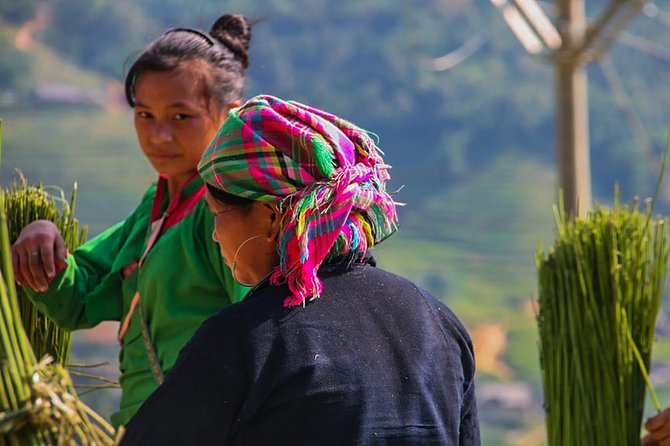
Then you continue to Ban Ho village. The route includes a stop around Su Pan, described as a community of the Black Hmong minority, before walking onward to Ban Ho, where you meet multiple groups including Red Dao and Tay (and others mentioned along the way).
This is also where the cultural side gets especially practical. Guides are praised for explaining customs and daily life clearly, including things like work routines and home building techniques. Even if you’re not hunting for anthropology, it’s the difference between seeing colorful clothing and understanding what life looks like behind it.
If you want one useful planning tip: pack for wet or muddy conditions. Waterfall-area routes plus mountain trail conditions can mean slick patches. A guide who helps you navigate slippery stretches is a big part of why people rate this trek so highly.
Day 3: Traditional houses and Tay culture, then the route to Nam Tong
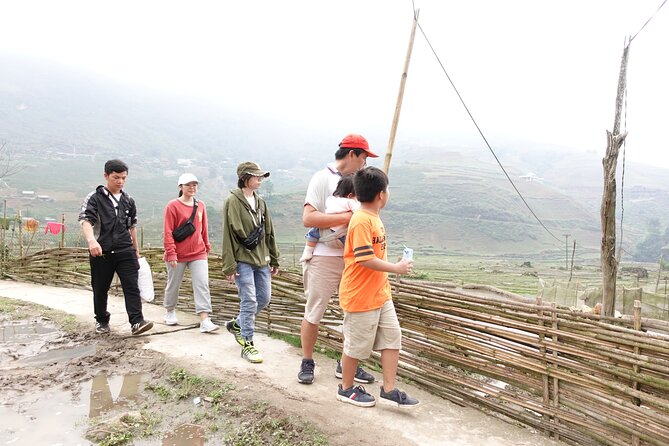
Day 3 is shorter on paper, but it still keeps the day’s focus on culture and village movement. After breakfast at the start of the day, you’ll visit traditional houses and learn about Tay culture—then you head toward Nam Tong village.
The structure here is straightforward: you see how people live through the design and layout of homes, then you continue trekking to your next village stop. Since this is the final day, it also tends to feel like the “takeaways” day: you’ve already walked the valleys, shared homestay time, and learned the basic cultural context.
As the hike ends, the tour includes transport back to Sapa after the trek finishes in the villages. The timing keeps you from getting stuck with an awkward late-day logistics problem.
Homestay reality check: what you get, what to pack, and how to be a good visitor
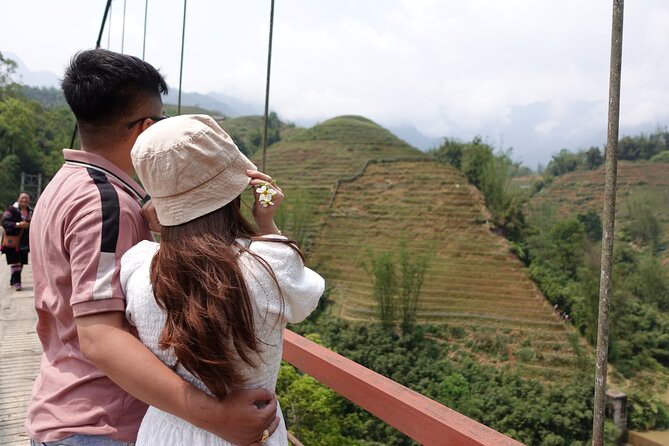
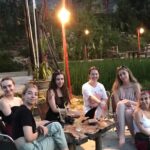
The homestay is part of the value here, not an optional add-on. You’re included for 1 night in a homestay, plus 2 dinners total across the 3 days (and breakfasts and lunches are included too). In practice, that means you can think about trekking and conversation, not meal planning.
Homestays are described as cozy and comfortable by people who went, and the Ta Van stop specifically mentions a chance to rest and enjoy a hot shower.
What you should still plan for:
- Trails can make your gear messy. Bring a small dry bag or separate pouch for electronics.
- Shoes matter. The trek includes uphill and downhills, and at least some people call out difficult or slippery sections. Good traction is your friend.
- Extra costs can appear at the homestay. Extra drinks (like additional bottled water or beer) are not included.
How to be a respectful guest without overthinking it:
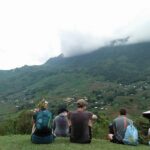
- Bring a friendly attitude and be ready for the simple pace of homestay life.
- Ask questions, then listen. Guides are there to translate culture, but your tone and patience set the mood.
- Don’t treat village time like a checklist. This tour works best when you slow down.
Why the guide makes or breaks this trek (and why names matter)
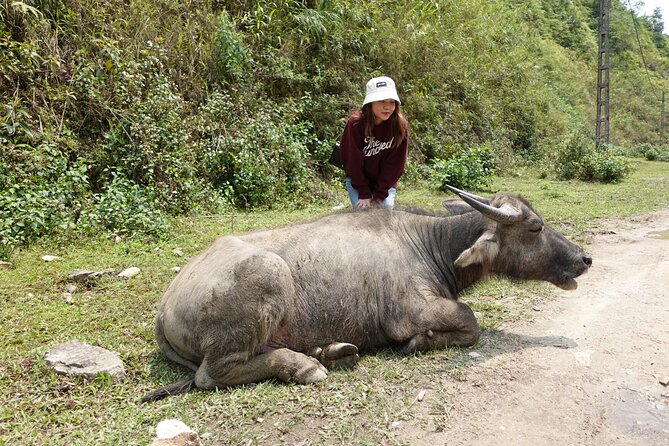
This trek is built around your guide, and the guide quality is one of the strongest recurring positives.
You’ll meet locals who guide from the inside, and you may be assigned different guides depending on the date. Names that show up in the best feedback include SoSo, Ly, May, Dom, Sush, and Mae. Across these guides, the praise clusters around:
- clear communication (especially for culture explanations)
- genuine care and help during harder or slippery track sections
- adapting the difficulty based on how the group is feeling
- building the experience into daily life, not just landmarks
That last point is huge for value. A guide who simply leads you from stop to stop turns the trek into a schedule. A guide who explains house building, rice field life, and customs turns it into context—and that’s what makes the villages feel real.
Price and value: what $170 includes and where your money goes
At $170 per person, this trek is easy to judge as either a bargain or a rip-off—depending on what’s included. In this case, a good chunk of the day is covered:
Included:
- Local guide
- Homestay (1 night)
- Village entry fees
- Meals: 2 breakfasts, 2 dinners, and 3 lunches
- Transport back to Sapa after the trek ends
- Water: 1 large bottle per person
- Pickup offered and mobile ticket
Not included:
- Personal travel insurance
- Extra drinks at the homestay
- Tips
So the “hidden math” is pretty favorable: you’re paying for guided trekking plus the homestay with meals and entry costs. If you were to stitch this together yourself—guide fees, homestay booking, transport coordination, and meal planning—it often becomes more expensive and more stressful.
The best way to think about the price: you’re buying time and local access. For a 3-day trek, that’s a fair trade if you actually want village life and not just photos.
Who this tour suits best (and who might want a different option)
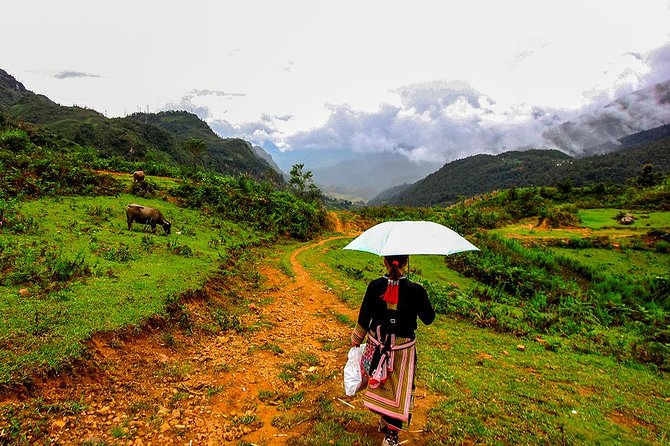
This is ideal if:
- you like hiking and can handle a moderate trekking day
- you want to meet multiple ethnic groups across villages, not only one
- you care about culture that comes with daily routines: farming, building, and customs
- you prefer a small group pace (up to 15 travelers)
It may be less ideal if:
- you want minimal walking or mostly flat ground
- you’re very sensitive to weather changes (the experience requires good weather)
- you’re expecting a fully “hotel-style” standard of accommodation everywhere
One practical note: people have done longer distances and even included teenagers in the group when they had trekking experience. That suggests the trek can work for capable hikers, but don’t assume every person in your group will enjoy the same walking length. Choose with your group’s comfort in mind.
Should you book Sapa Valley Trek and Homestay (3D2N)?
If your goal is authentic village life in Sapa, this is a strong pick. You get a small-group trek, multiple village visits across ethnic communities, and a homestay night with meals included—so the experience feels “complete,” not half-finished.
Book this tour if you:
- want the blend of rice fields, waterfalls, and village culture
- appreciate a guide who helps you understand daily life (and can help on tougher trail moments)
- are okay with the idea that your legs will do some work
Skip it (or choose a gentler plan) if you want mostly sightseeing with little hiking, or if you know you’ll struggle with uneven, slippery mountain paths.
FAQ
What time does the trek start, and where do I meet the group?
The meeting point is Sapa Church, and the start time is 9:00am. The tour also notes that pickup may be offered, and you can meet the guide at your hotel in Sapa Town or in front of the local main church.
How long is the trek, and how many nights is the homestay?
It’s a 3-day experience (often described as 3D2N), with 1 night of accommodation in a homestay.
Is this trek suitable for everyone in terms of fitness?
The tour notes that moderate physical fitness is required. Expect uphill and downhill walking and be ready for potentially slippery tracks depending on conditions.
What’s included in the price?
The price includes local guide, village entry fees, homestay accommodation (1 night), transport back to Sapa after the trek, 1 large bottle of water per person, and meals (3 lunches, 2 breakfasts, 2 dinners).
What is not included?
Not included are personal travel insurance, extra drinks at the homestay, and tips.
What happens if weather is bad or the tour can’t run?
The experience requires good weather. If it’s canceled due to poor weather, you’ll be offered a different date or a full refund. It can also be canceled if a minimum number of travelers isn’t met, with the same options: different date or full refund.