REVIEW · CUSCO
Small Group: 4-Day Inca Trail Trek to Machu Picchu
Book on Viator →Operated by Inkayni Peru Tours · Bookable on Viator
Four days, one sacred line to Machu Picchu.
This small-group Inca Trail trek follows the official route to the UNESCO-listed citadel, then lands you at Machu Picchu early enough to enjoy the famous first views. I like that the group stays small (max 10) and that the schedule is built around key passes and ruins instead of rushing.
What I really like is how the trip handles the hard parts for you: pick-up in central Cusco, bus to Km 82, and a return train-and-van route after Machu Picchu. I also like the camp setup and food support—there’s a chef, porters for cooking and camping gear, plus a personal porter who carries up to 5kg of your items, along with an oxygen bottle and inflatable sleeping mattress.
The main drawback is simple: this is still a serious high-altitude hike. You’ll hit Dead Woman’s Pass (Abra de Warmihuañusca) at 4,215m, and weather can swing fast, so you need solid fitness and patience with cold, rain, and steep climbs.
In This Review
- Quick Hits: What Makes This Inca Trail Trek Feel Like It Has Space
- Cusco Morning Start: How the Trek Begins Without Chaos
- Day 1 to Wayllabamba: Wilka Rakay and Camp Life at 3,000m
- Day 2 Over Dead Woman’s Pass: Your Biggest Altitude Check
- Day 3 Cloud Forest to Wiñayhuayna: Ruins, Pass Views, and a Flow State
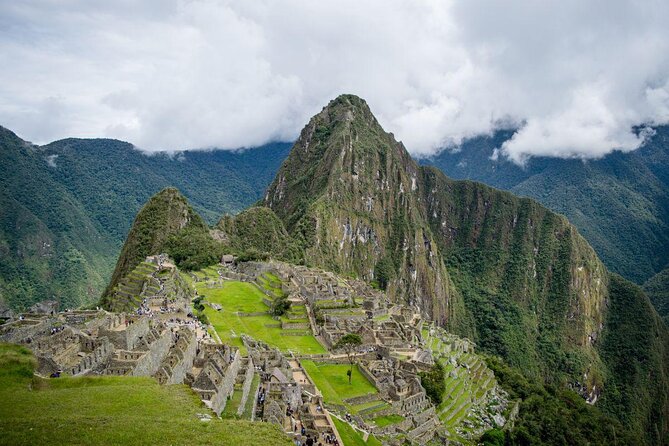
- Day 4 Sun Gate to Machu Picchu: The Moment You’ve Been Waiting For
- Price and Logistics: What You’re Paying For at $850
- Food, Tents, and the Small Comforts That Save Your Mood
- What to Pack for Inca Trail Weather and High Passes
- Who This Trek Suits Best (and Who Should Rethink It)
- Final Call: Should You Book This 4-Day Inca Trail to Machu Picchu?
- FAQ
- What time does the Inca Trail trek start?
- How many people are in the group?
- Is a sleeping bag included?
- What meals are included?
- Is Huayna Picchu included?
- Do I need to bring water at the start of the trek?
Quick Hits: What Makes This Inca Trail Trek Feel Like It Has Space
- Max 10 people means you can actually hear your guide and take photos without constant crowd pressure
- Official starting point at Km 82 with a scenic approach through Chinchero, Urubamba, and Ollantaytambo
- Personal porter for 5kg so you hike lighter instead of dragging a heavy day pack all day
- Chef + camp service (tables/chairs in the dining tent, hot water every morning, oxygen bottle)
- Sun Gate arrival sets up the classic Machu Picchu first look, with optional extras if you want more hiking
Cusco Morning Start: How the Trek Begins Without Chaos
Your day kicks off early. The listed start time is 5:00am, with pick-up from your hotel and departure by bus toward the Sacred Valley. The drive is part of the acclimation story: you pass through Chinchero, Urubamba, and Ollantaytambo before continuing to Km 82, the official trailhead.
This matters because the Inca Trail isn’t just a walk in nice scenery. You’re moving to high altitude fast, and the first day sets the tone for how you’ll feel over the next few days. A smooth transfer and a clear morning schedule help you keep your focus on pacing, not logistics.
One more practical point: the trip includes a briefing 1 to 2 days prior, so you’re not guessing how camp life works or what your daypack needs to contain. If you’ve ever done a trek where you’re handed a pile of gear and told good luck, you’ll appreciate the structure here.
You can also read our reviews of more tours and experiences in Cusco.
Day 1 to Wayllabamba: Wilka Rakay and Camp Life at 3,000m
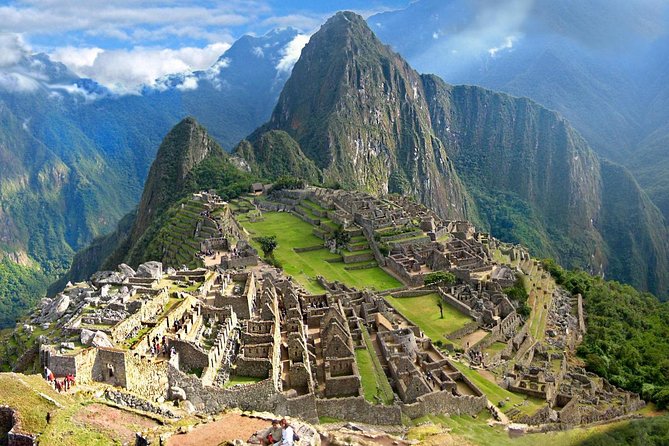
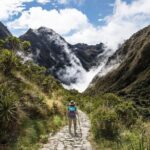
Day 1 starts with your first push up toward Wilka Rakay, with views over the Inca site of Patallacta and the Kusichaca Valley. From there, the trail immerses you in Andean terrain—ruins, flora, and that steady feeling that you’re walking on history that still breathes.
By late afternoon, you reach Wayllabamba (around 3,000 masl / 9,842 ft.) and set up camp. What I like here is that the camp isn’t just a tent in the dirt. You get a structured setup: a dining tent with tables and chairs, dinner prepared by the chef, and a team that handles the cooking and camping equipment.
You’ll also be sleeping in a 4-man tent shared in pairs (one tent used by two people) with an inflatable sleeping mattress. That “good enough” comfort is a big deal on a trek like this, because your body won’t recover if you’re constantly fighting cold and bad sleep.
Day 2 Over Dead Woman’s Pass: Your Biggest Altitude Check
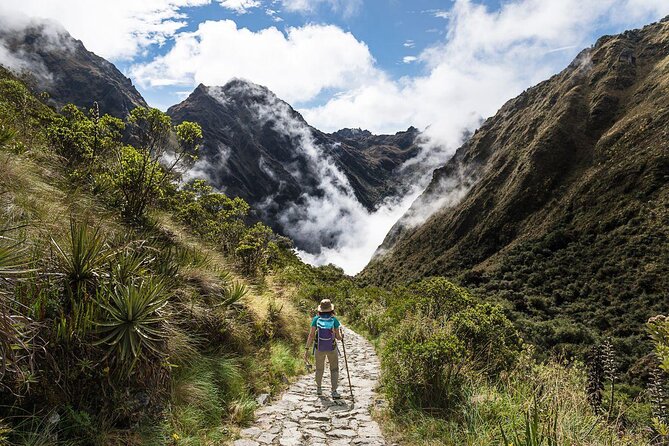
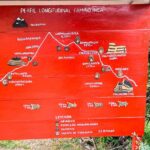
Day 2 is where the trek earns its reputation. After breakfast, you hike about an hour to Tres Piedras (The Three Stones), then enter the cloud forest—cooler air and lush vegetation—before pushing toward the high point: Abra de Warmihuañusca (Dead Woman’s Pass) at 4,215m.
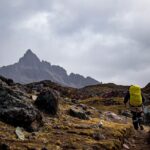
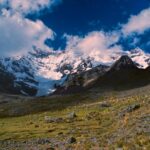
This is the climb that tests your legs and your breathing. Expect it to feel long, even when the time on the schedule sounds manageable. Once you cross that high-altitude grassland, the effort pays you back with wide panoramic views of rugged terrain.
Then comes the steep part: a descent to Pacaymayo (about 3,600 masl / 11,811 ft.). That’s a weird kind of relief—your lungs feel better, but your knees start reminding you they exist. The good news is that you arrive at camp with time to eat, settle in, and reset for Day 3.
Also: Day 2 is listed as about 7 hours, and altitude adds time even when your feet move fine. If you tend to overpace early, this day is where you’ll learn to slow down.
Day 3 Cloud Forest to Wiñayhuayna: Ruins, Pass Views, and a Flow State
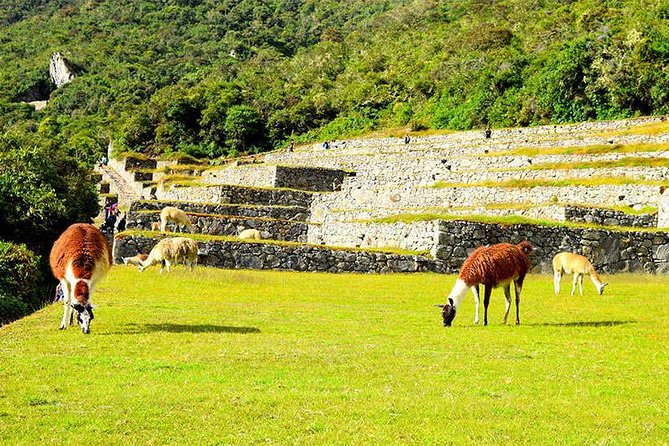
Day 3 begins with a climb to Runkurakay, then another ascent to Runkurakay Pass (around 4,000m). From that pass, you descend toward Sayacmarca ruins, built on a steep mountainside with an unmistakable Inca sense of placement.
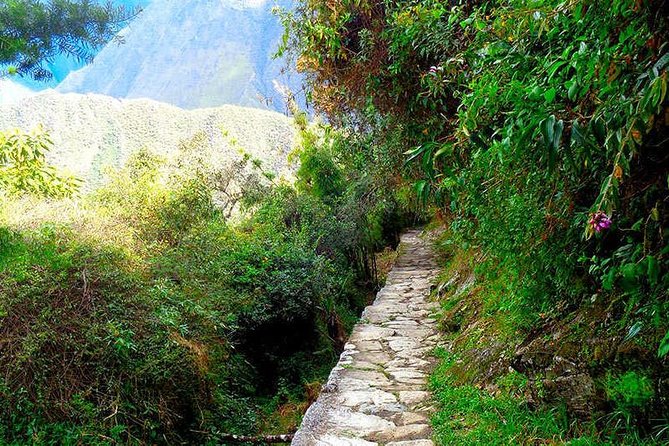
After exploring Sayacmarca, you continue on a preserved Inca path toward lunch at Chaquicocha. This segment matters because it shifts your energy: you’re not only climbing and descending—you’re also stopping long enough to absorb the way these sites were designed around the terrain.
Then you enter cloud forest again, following a narrow ridge toward Phuyupatamarca Pass, where you get dramatic Sacred Valley and peak views. The route continues past ceremonial sites and agricultural terraces before reaching Wiñayhuayna, your final campsite before Machu Picchu.
This day is about rhythm. If Day 2 is your altitude exam, Day 3 is your momentum day—still demanding, but also the one where you start feeling like the trek is leading you somewhere instead of just asking you to keep moving.
Day 4 Sun Gate to Machu Picchu: The Moment You’ve Been Waiting For
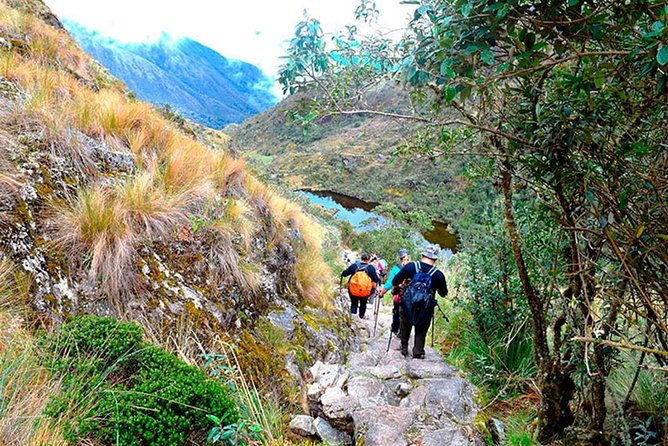
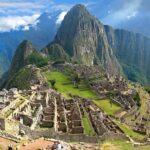
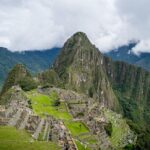
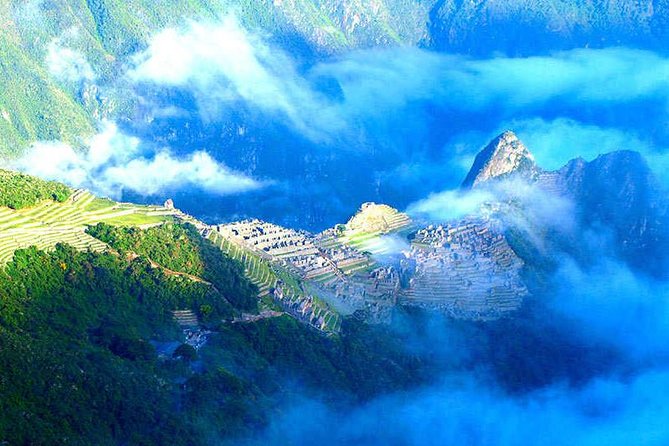
Day 4 starts early again, with your final stretch to Inti Punku (Sun Gate). This part of the trek is described as relatively easy compared to the earlier days, but early morning at altitude still takes focus. After about an hour, you arrive at Sun Gate, a key viewpoint for the first big look at Machu Picchu.
Weather decides what kind of sunrise you get. If you’re lucky, the view is spellbinding; if clouds roll in, you still get that shock of scale when the stones reveal themselves below.
From Sun Gate, you descend about 45 minutes to the upper terraces, which are ideal for the classic photos. Then you have options:
- A guided tour inside the citadel is available, but it may require an extra ticket for re-entry (optional, extra cost for the new ticket)
- If you pre-book, you can hike Huayna Picchu or Machu Picchu Mountain for more views (both involve extra cost and are not included)
After time at Machu Picchu, you return to Aguas Calientes for a break and lunch, then board a train back to Ollantaytambo. A private van takes you back to Cusco, so you’re not stuck figuring out your next move while tired.
Price and Logistics: What You’re Paying For at $850
At $850 per person, the real question is what that covers, and it covers a lot of the stuff that usually makes treks stressful.
Included items cover:
- the English-speaking professional guide
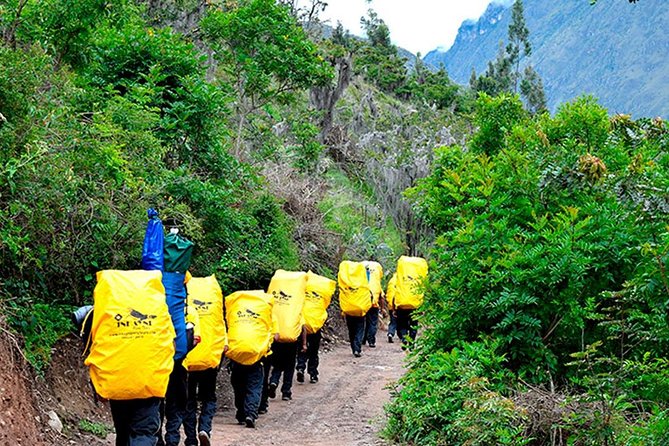
- a chef plus porters for cooking and camp equipment
- porters for personal gear up to 5kg
- bus to Km 82 and the return train and bus/van flow
- camping basics: tents, inflatable mattress, hot water every morning, dining tent setup
- required access components for the trek days (each day lists admission ticket included)
Not included:
- a sleeping bag (you can rent it locally)
- optional hikes like Huayna Picchu
- travel insurance (strongly recommended)
Here’s how I’d frame the value: you’re paying for a service team that carries the heavy load and organizes your days so you can focus on walking, pacing, and sleeping. If you’re the kind of traveler who hates “DIY trek math” (what’s included, what you forgot, how you get from A to B), this price will feel fair.
Food, Tents, and the Small Comforts That Save Your Mood
You camp, so “comfort” is relative. Still, this trip gives you several supports that make a big difference after long days.
You’ll have:
- a dining tent with tables and chairs
- hot water every morning
- inflatable sleeping mattresses, plus an inflatable pillow (you need to carry it)
- an oxygen bottle and a first aid kit
- dinner and breakfasts on most days (breakfast Day 1 is not included, and lunch/dinner on Day 4 are listed as not included)
The chef part is not fluff. On hard days, food is fuel and morale. In the experiences shared with this company, the chef team gets credited for meals that feel properly satisfying even though you’re camping.
And yes, weather can be brutal. One account you’ll see in the mix describes rain, hail, cold, and blazing sun over the same trek. When that happens, the best luxury is warm drink options, proper camp support, and a staff that helps you keep going without drama.
What to Pack for Inca Trail Weather and High Passes
The trek runs in high altitude, so packing for extremes is smart. Use the provided list as your baseline:
Essentials for clothing and gear
- walking boots
- waterproof jacket or rain poncho
- warm jacket
- hat and gloves
- t-shirts and comfortable trousers
- sunscreen (factor 35+)
- insect repellent
- toiletries and hand sanitizer
- personal medication
For timing and comfort
- a torch with spare batteries
- personal camera items as you need
Important travel document
- a current valid passport on the day of travel
Also, note the water rule: water is provided except for the first 4 hours of the trek, when you need to bring your own. Build that into your daypack plan.
Who This Trek Suits Best (and Who Should Rethink It)
This trek is for people with moderate physical fitness who can handle altitude and long hike days. You’ll be moving for roughly 5 to 9 hours depending on the day, and the pass at 4,215m is the headline challenge.
It’s not recommended for participants with:
- back problems
- heart disease
- other serious medical conditions
And there’s a real-world motivation here: the route is regulated, and you’ll still feel every steep segment. One account mentions around 71,000 steps up and down. That’s not meant to scare you—it’s meant to help you train and pack smart.
If you’re traveling with a teen or you’re someone who likes guided history plus hard outdoor time, this hits a nice balance. If you want a short, leisurely hike with no altitude stress, you’ll probably find this too demanding.
Final Call: Should You Book This 4-Day Inca Trail to Machu Picchu?
If your dream is the classic Inca Trail experience—official route, small group, Sunrise Gate timing, and a team that handles camp and transport—this itinerary makes sense. The $850 price feels most justified when you want fewer moving parts: pick-up, permits/admissions included, chef-led meals, and porters plus a 5kg personal gear carry.
I’d only tell you to pause if you’re unsure about altitude fitness or you don’t handle cold and rain well. Also remember: this is a non-refundable trek, so double-check your readiness before you lock it in.
If you want one clear decision tip: if you’re confident you can hike steep sections at high altitude and you want a guided experience that reduces logistics, then book.
FAQ
What time does the Inca Trail trek start?
The meeting point is listed with a start time of 5:00am.
How many people are in the group?
The tour is described as maximum 10 travelers (and also noted as a small group with a maximum of 12 people).
Is a sleeping bag included?
A sleeping bag is not included. It can be rented from a local tour operator.
What meals are included?
The trip includes breakfast (3), lunch (3), and dinner (3). It also lists that breakfast on Day 1 and lunch and dinner on Day 4 are not included.
Is Huayna Picchu included?
Huayna Picchu Mountain entrance is not included. It’s described as optional with an extra ticket/cost if you pre-book.
Do I need to bring water at the start of the trek?
Yes. Water is provided excluding the first 4 hours of the trek, so you need to bring your own water for that initial stretch.