REVIEW · KATHMANDU
Circle the Annapurna: A Life-Changing Trek Adventure
Book on Viator →Operated by Alpine Luxury Treks Pvt Ltd · Bookable on Viator
A life-changing trek starts with one big pass. This guided Circle the Annapurna adventure takes you around the Annapurna range, with Gurung and Thakali culture in the mix and real mountain time at high altitude. Two standout draws for me are the steady logistics and the way the schedule builds in acclimatization. One thing to consider: it’s a serious physical challenge, especially once you’re heading toward Thorong La at 5,416m.
What makes this trek feel worth doing is the human support. You’ll travel with a guide and porter team, and in recent groups people specifically praised Govinda and Purna for taking good care day after day. Still, at this price point ($2,100), you’ll want to budget carefully for items not included, like visa fees, your Kathmandu meals, insurance, and beverages.
In This Review
- Key Things I’d Circle on This Trek
- Annapurna Circuit in 21 Days: What You’re Really Signing Up For
- Kathmandu First: Getting Your Bearings Before You Climb
- From Ngadi to Dharapani: The Early Walk That Sets Your Tempo
- Lower Pisang to Manang: Where Acclimatization Becomes the Real Game
- Thorong La at 5,416m: The Day That Defines the Trek
- Muktinath to Ghasa to Tatopani: High Country to River Valleys
- Ghorepani and Poon Hill: The View Payoff Before the Long Finish
- Price and Logistics: Is $2,100 Good Value Here?
- Team Support That Actually Feels Like Support
- How the Trek Matches Different Travel Styles
- Should You Book This Circle the Annapurna Trek?
- FAQ
- How long is the Circle the Annapurna trek?
- Where does the trek start and when?
- Is pickup offered?
- How many people are in the group?
- What’s included in the price?
- What’s not included?
- Do I need strong fitness?
- When is the highest point on this trek?
- What happens if the trek is canceled due to poor weather?
Key Things I’d Circle on This Trek
- Small group size (max 10) keeps the pace and communication manageable.
- High-altitude acclimatization rhythm with a rest day in Manang helps your body adjust.
- Thorong La crossing is the big moment, with a long day that rewards smart pacing.
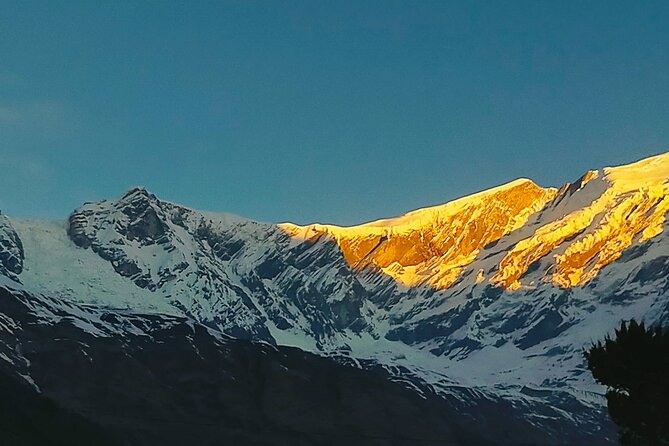
- Poon Hill sunrise hike plus Ghandruk gives you a strong view payoff near the end.
- Guides and porters (like Govinda/Purna, Dhruba/Keshab) can make the difference between stressful and confident trekking.
Annapurna Circuit in 21 Days: What You’re Really Signing Up For
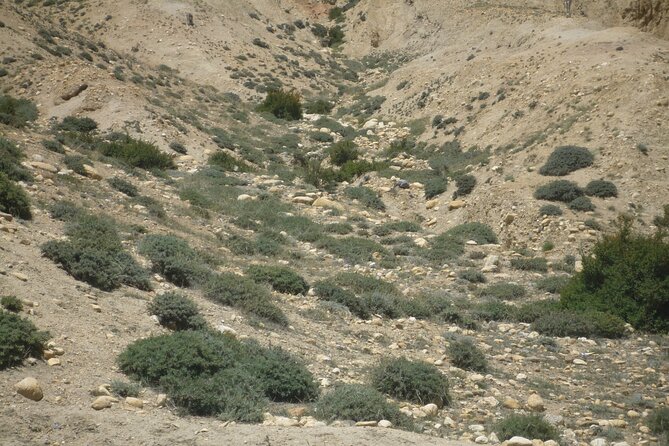
The Annapurna Circuit is popular for a reason. You get long stretches of walking through different elevations, changing weather, and small villages where life feels close up. This version of the trek is built as a full 21-day loop (approx.), starting in Kathmandu and ending back near the meeting point.
What you’re buying with a guided trek like this is more than directions on a map. You’re buying a plan that manages the hardest parts: long drives, repeated altitude changes, and the logistics of where you sleep and how you eat. That matters because the Annapurna region punishes poor pacing and sloppy planning, especially as you climb toward major passes.
One more practical note: it’s a small group. With a maximum of 10 travelers, you typically get a better shot at matching the group’s rhythm and getting help quickly when weather or altitude gets tricky.
You can also read our reviews of more tours and experiences in Kathmandu.

Kathmandu First: Getting Your Bearings Before You Climb
You start with arrival in Kathmandu and a transfer to your hotel (Day 1 at 1334m). You then get Kathmandu Valley sightseeing and prep time (Day 2, with meals B/D). This early buffer is valuable. It helps you handle jet lag, meet your team, and deal with any last details before the big push into trekking.
Day 3 is a long one: a drive to Ngadi (890m), listed as roughly 8–9 hours and around 200 km. The point of this day is simple: you’re positioning yourself to start walking in the right place, and you’re doing it with the route planned in advance. The trade-off is obvious. It’s a long day in a vehicle, so I’d treat it as a day to hydrate, stretch, and keep your energy.
If you’re the type who hates wasted time, you’ll have to accept that the first three days are about preparation and transit. On the plus side, you’re not doing it alone.
From Ngadi to Dharapani: The Early Walk That Sets Your Tempo
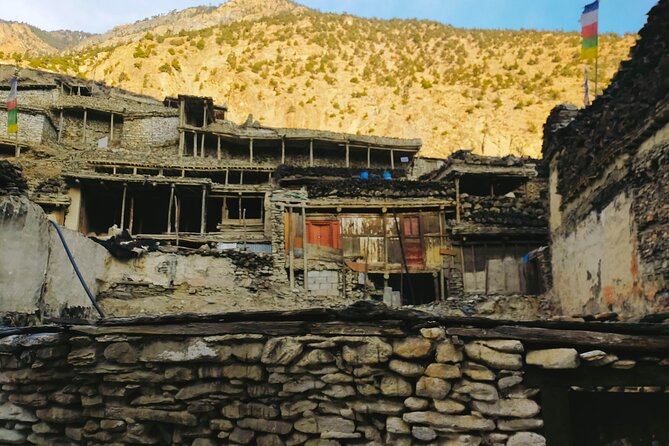
Your first trek day (Day 4) goes to Jagat (1,300m), roughly 4–5 hours and about 7 km. Then Day 5 to Dharapani (1,860m) takes around 5–6 hours and about 8 km.
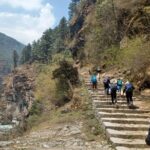
Day 6 is Chame (2,670m), another 5–6 hours and about 8 km. These early days do two things at once: they start you hiking right away, and they teach you what your body thinks about elevation. You’re climbing, but not yet in the zone where every step becomes a battle.
From a practical standpoint, this is where trekking “habits” form. I’d focus on slow, consistent movement. If you go too fast at the start, you often pay for it later as altitude climbs.
Also, these stages are long enough to feel like a real trek but not so extreme that you’re completely wrecked before the higher part of the journey. It’s a smart foundation.
Lower Pisang to Manang: Where Acclimatization Becomes the Real Game
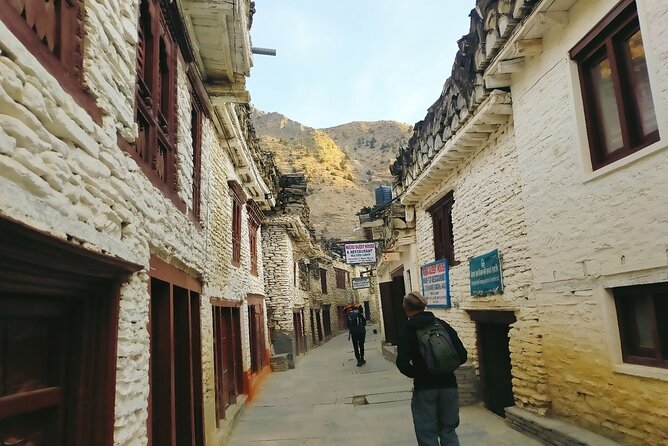
Then the trek steepens. Day 7 takes you to Lower Pisang (3,200m) in about 4–5 hours over about 7 km. Day 8 reaches Manang (3,500m) in 5–6 hours and around 8 km.
Day 9 is a rest day in Manang (3,500m). That pause is one of the most important features of this plan. High altitude isn’t just about going up; it’s about giving your body time to adjust. A rest day here is where you can feel the difference between a trek that feels manageable and a trek that feels like survival.
Day 10 then goes to Yak Kharka (4,050m), listed around 4–5 hours and about 7 km. This is when you start living closer to the edge of comfort. Your walking might feel easier on day 10 than you expect, or it might feel harder. Either way, the key is staying conservative with effort.
If you’re coming from low altitude or you’ve never done serious altitude trekking, your attitude here should be: finish the day, don’t prove anything. The schedule gives you chances to recover. Use them.
Thorong La at 5,416m: The Day That Defines the Trek
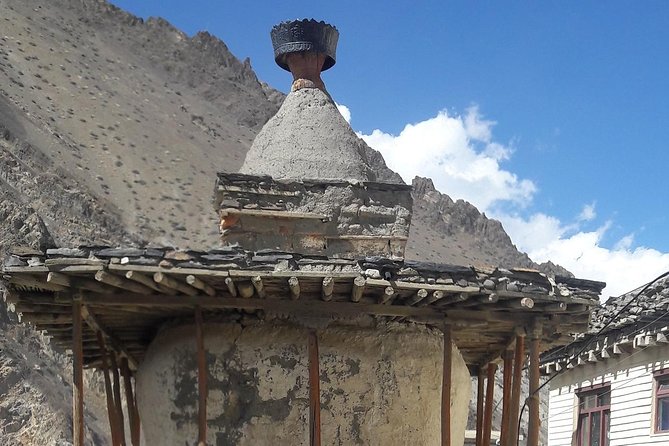
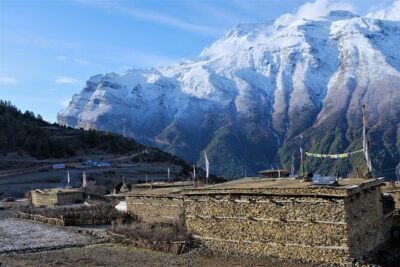
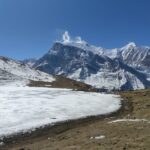
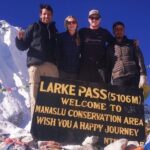
Day 11 takes you to Thorong Phedi (4,525m) in about 4–5 hours and around 7 km. Day 12 is the defining day: you pass Thorong La at 5,416m and then trek to Muktinath (3,800m), roughly 7–8 hours and about 9 km.
This is the kind of day where logistics and pacing matter more than the total hours. A “long” trek day at lower elevation can feel tough but doable. A “long” trek day at high altitude can be punishing because your breathing, sleep, and energy levels all get involved.
The payoff is that you’re crossing a major pass, then dropping to Muktinath. That descent can feel like a relief, but you’ll still need to manage your legs carefully. Going down too fast is a common mistake, and it can lead to knee or shin soreness that hurts the days after.
If you’re deciding whether you can handle this trek, this is the section to be honest about. You don’t need to be a mountain athlete. But you do need consistent hiking ability, smart pacing, and the willingness to stop when you need to.
Muktinath to Ghasa to Tatopani: High Country to River Valleys
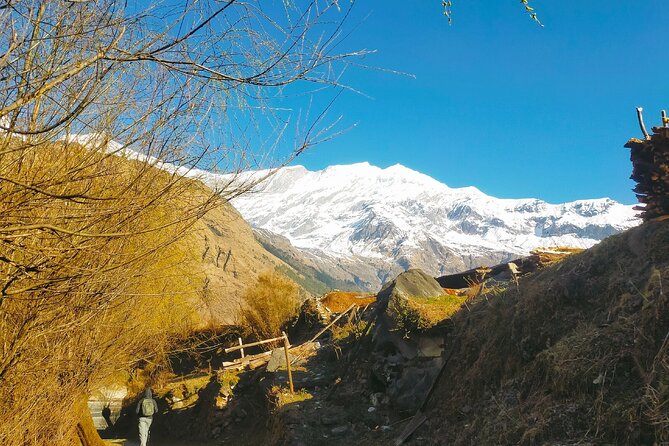
Day 13 trek is to Kagbeni (2,810m) in about 4–5 hours and around 6 km. Day 14 takes you to Marpha (2,670m), about 5–6 hours and around 8 km. Day 15 is Marpha to Ghasa (2,010m), about 5–6 hours and around 8 km.
Then Day 16 goes to Tatopani (1,190m) in about 5–6 hours and around 7 km.
This sequence is a major “downshift” from the highest elevations. That matters because your body is finally getting away from the constant altitude pressure. It’s also where the trek feels more human scale again. You’ll have more opportunity to slow down, look around, and settle into a rhythm.
One caution: descending can fool you. You might feel better at altitude, but your muscles still need time to adapt to changes in terrain and step length. I’d keep your effort smooth and avoid racing downhill.
Ghorepani and Poon Hill: The View Payoff Before the Long Finish
Day 17 takes you from Tatopani to Ghorepani (2,860m) in about 5–6 hours and around 8 km. Day 18 includes a hike to Poon Hill (3,210m) for about 1 hour over roughly 2.5 km, then a trek to Ghandruk (2,600m) for about 6–7 hours over about 15 km.
This is where the trek rewards you in a more relaxed, “I can enjoy this” way. Poon Hill is a short hike by comparison, which helps when you’re already tired. Then you switch to a longer push to Ghandruk, and that final distance (listed at about 15 km) is your reminder that you’re still doing real hiking.
Day 19 is a trek back to Nayapul (950m) in about 4–5 hours over around 7 km, followed by a drive back to Pokhara (about 1.5 hours, with Pokhara at 820m).
Then Day 20 is a drive or flight back to Kathmandu (6–7 hours by drive or about 30 minutes by flight), and Day 21 is your fly-back home.
That mix of hiking and transportation is practical. You’re not asked to do one more huge climb at the end; instead you transition out of trekking into travel.
Price and Logistics: Is $2,100 Good Value Here?
$2,100 per person sounds like a chunk of money until you look at what’s included. In this package, you get:
- Three meals during the trek
- All overnight accommodations while on the trek
- Kathmandu accommodation (B/B)
- Office staff wages and travel/rescue fees
- Meals and accommodation for office staff
What’s not included is also clear:
- Lunch and dinner in Kathmandu
- International airfare and airport departure tax
- Personal equipment and extra services
- Travel insurance and trip cancellation insurance
- Nepal visa fees
- Beverages
So the value question is: do you want a team to handle the details, or do you want to self-organize? If you’re not experienced with arranging guides, permits, porter logistics, and the day-to-day meal and lodging plan, this price can be reasonable. You’re paying to avoid the most time-consuming parts.
Where you need to plan ahead is budgeting beyond the base cost. Insurance, your visa, Kathmandu meals, and beverages add up. Also, your own trekking equipment matters. This plan doesn’t include personal gear, so make sure you’re not underpacked.
Also note: this is a non-refundable experience and cannot be changed for any reason (with the weather exception noted in the FAQ). That matters for people booking far ahead or those who aren’t confident about timing.
Team Support That Actually Feels Like Support
The Annapurna Circuit can be mentally demanding. The mountains don’t care if you booked with confidence. You still have to walk.
That’s why I’m glad this trek emphasizes guide and porter support, and it shows up clearly in the strongest parts of the feedback. Some recent groups referenced:
- Guide Govinda and porter Purna for careful day-to-day support
- Supervision by Badri
- Another guide, Dhruba, paired with porter Keshab
- Mentions of Nawin and Keshav as part of the team experience
I can’t promise which names you’ll get, but the pattern is consistent: when the guide sets a calm pace and the porter handles the load reliably, the trek feels less like you’re fighting the day and more like you’re working your way through it.
Another detail from the feedback that helps you picture the trip: you’re likely spending most nights in tea houses. The food is described as delicious, and you’re eating what’s available locally along the route. That matters because tea-house trekking runs on a simple bargain: you accept the basic comfort, in exchange for being fully in the trail rhythm.
How the Trek Matches Different Travel Styles
This is best for you if:
- You want a guided route with planned acclimatization, not a sketchy DIY attempt
- You like cultural contact with villages along the way (the overview specifically calls out Gurung and Thakali hospitality)
- You’re comfortable with daily hiking blocks ranging from about 4–8 hours for much of the trek
- You want a small-group feel (up to 10 travelers) rather than a huge herd
This is not ideal if:
- You’re looking for a relaxed vacation with short walks and lots of downtime
- You’re not confident physically. The operator states you should have strong fitness.
- You’re tight on budget once you account for visa, insurance, and personal expenses.
If you’re traveling as a couple, this kind of guided trek can also be a good fit because you’ll still move as a unit, but you’re not stuck alone with logistics.
Should You Book This Circle the Annapurna Trek?
If you’re physically ready and you want a full Annapurna Circuit experience with real support, I think this is an easy yes. The schedule makes sense: early build-up, Manang rest day, a clearly defined high pass day, then a steady transition down toward Pokhara.
Book it if you want the peace of mind of having meals, sleeping, and the main logistics handled, and you’re willing to invest in the right gear and travel insurance. The big “check yourself” point is Thorong La day. If that sounds like it fits your current fitness and mindset, you’re likely to enjoy the whole journey far more than you fear it.
If you want to take on the Annapurna region but you’re not ready for high altitude or long trekking days, I’d rethink. This isn’t a casual trek dressed up with mountains in the background. It’s the real thing.
FAQ
How long is the Circle the Annapurna trek?
It’s listed at 21 days approximately.
Where does the trek start and when?
The start meeting point is Bagawan Bahal Marg 29, Kathmandu 44600, Nepal, with a start time of 6:15 am.
Is pickup offered?
Yes, pickup is offered.
How many people are in the group?
The maximum group size is 10 travelers.
What’s included in the price?
Included are three meals during the trek, all overnight accommodations while on the trek, accommodations in Kathmandu (B/B), and coverage for office staff wages and travel/rescue fees (including meals and accommodation of office staff).
What’s not included?
Not included are lunch and dinner in Kathmandu, international airfare, airport departure tax, personal equipment and extra services, travel insurance and trip cancellation insurance, Nepal visa fees, and beverages.
Do I need strong fitness?
Yes. The operator states travelers should have a strong physical fitness level.
When is the highest point on this trek?
Thorong La is listed at 5,416m (Day 12).
What happens if the trek is canceled due to poor weather?
This experience requires good weather. If it’s canceled due to poor weather, you’ll be offered a different date or a full refund. The experience itself is non-refundable and cannot be changed for any reason.