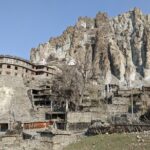
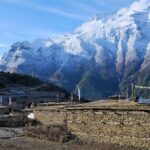
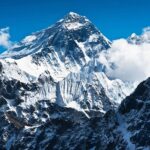
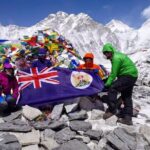
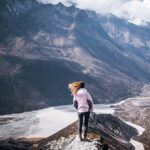
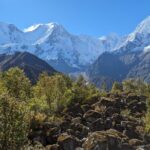
Manaslu hits hard, then stays with you. This 14-day trek through the Manaslu Conservation Area pairs real Himalayan trekking with a memorable high point at Larkya La Pass (5,160m). You’ll start from Soti Khola and follow the Budhi Gandaki River, moving from forest paths and terraced farms toward harsher high-altitude terrain.
I love the rhythm of tea-house trekking here: you’re never guessing where you’ll sleep, and the schedule keeps you moving without feeling like a race. I also especially like the Samagaon acclimatization day, because it builds in time to rest, visit the local lake and village, and take in the views of the 8th-highest peak before you go higher.
One drawback: this is a serious altitude trek, so you really do need strong physical fitness and good weather. If conditions turn bad, the whole experience can be shifted or refunded, since this route is weather-dependent.
In This Review
- Key highlights worth knowing
- Why Manaslu Circuit feels different from the usual Nepal routes
- The Kathmandu to trailhead start: a long travel day done the local way
- Soti Khola to Jagat: entering the restricted and conservation zones
- Jagat to Deng: small villages, bamboo, and rocky climbs
- Deng to Namrung and on to Samagaon: farming valleys to the high-view stage
- Samagaon acclimatization day: rest that actually helps
- Samagaon to Samdo: a frontier-feeling day with Tibetan trade vibes
- Samdo to Dharamsala: following glacier paths and setting up for Larkya La
- Larkya La day and the drop to Bimthang: the pass moment
- Bimthang to Gho to Dharani to Tal: finishing the circuit through steady altitude work
- Tal to Kathmandu: express bus home with one last mountain day behind you
- Price and value: what $1,300 includes (and what you should budget for)
- Who this trek suits best (and who should think twice)
- Practical tips for packing and pacing on Manaslu
- Should you book the Manaslu Circuit Trek?
- FAQ
- How long is the Manaslu Circuit Trek tour?
- Where does the trek start?
- What is the total trekking distance?
- What is the highest point on the trek?
- What meals are included during the trek?
- What kind of accommodation do you stay in during the trek?
- Are trekking permits included?
- Does the package include a guide and porters?
- What transport is included between Kathmandu and Soti Khola?
- What are the minimum age and fitness expectations?
- Can I cancel for a full refund?
Key highlights worth knowing
- Larkya La Pass at 5,160m: the dramatic high point that makes the whole loop feel worth it.
- Samagaon acclimatization day: you gain altitude with an actual built-in rest plan.
- Tea-house lodges each night: practical comfort during a long, remote trek.
- Manaslu Restricted Area access: permits are part of the package so you don’t have to juggle paperwork.
- Guide + porter support: a licensed guide and local porters are included for safer, smoother days.
- Public transport to the trail: you’ll use public express bus for the Kathmandu↔Soti Khola route, with private jeep options if you want more comfort.
Why Manaslu Circuit feels different from the usual Nepal routes
If you’re choosing between the popular Nepal treks and something less crowded, Manaslu Circuit is a strong pick. You’re still in classic Himalaya country, but you’re not stuck in the same trail patterns every other visitor walks. The Manaslu Conservation Area route feels rugged, quiet, and more about steady progress than big crowds.
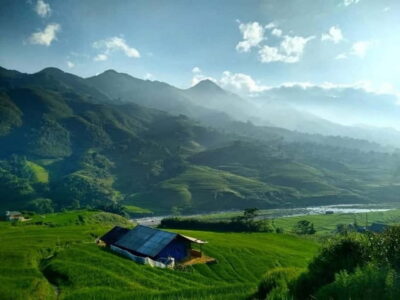
What really hooks me is the mix of terrain. You move from greener lower valleys up into alpine country, then into the barren, high-altitude feel above the tree line. That gradual change makes the scenery worth paying attention to day after day.
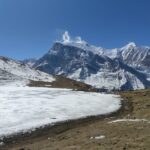
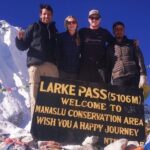
And the payoff is real. Reaching Larkya La Pass (5,160m) is the moment that turns a tough hike into a long-lasting memory. Even before the pass day, you’ll notice the air getting thinner and the views widening—then the pass ties it all together.
You can also read our reviews of more tours and experiences in Kathmandu.
The Kathmandu to trailhead start: a long travel day done the local way
This trek begins in Kathmandu with airport welcome and hotel transfer. From there, you’ll start early (meeting time is 7:30am) and head toward the trail via road. You’ll likely make stops for tea/snacks along the way, and you’ll pass through areas like Thankot and the Prithvi Highway, with changing river and terraced-field views.
Expect rougher roads as you get closer to the start point. The plan includes traveling toward places like Arughat (an old starting point) and then onward to Soti Khola. That bumpy ride isn’t glamorous, but it’s part of the real logistics of this region—so it’s smart to plan for a slower start and keep your first-day expectations simple.
Once you reach the lodge area for the night, you’ll have a chance to settle in and prepare for the first proper trekking days the next morning. If you’re sensitive to long travel days, bring patience—and snacks—because Nepal overland days can be more time-consuming than you expect.
Soti Khola to Jagat: entering the restricted and conservation zones
Your trekking phase kicks off after the drive and initial setup, starting from Soti Khola and following the Budhi Gandaki River corridor. The early days matter because they get your legs moving gently while you transition into a more remote feel.
One key thing here: you’ll be trekking through Manaslu Restricted Area and Manaslu Conservation Area. That’s not just a label. Restricted-area trekking means permits are essential, and in this package, all trekking permits are included, which saves you from handling paperwork on the ground.
Jagat is a big early stop in the Manaslu region (it’s also described as a major Gurung trail area), and it gives you a sense of local culture before the trek turns more alpine. You’ll get used to lodge life too—simple rooms, steady meals, and the idea that tomorrow’s altitude is your real agenda.
Jagat to Deng: small villages, bamboo, and rocky climbs
As you move from Jagat toward Deng, you’ll pass more small villages and local market points such as Sidibas bazaar. The days here can feel “busy” in a good way: you’re walking through lived-in places, not just mountain trails.
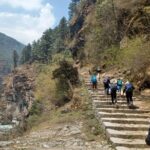
A standout detail on this stretch is the bamboo forest section. It comes with a climb that can feel steep for about an hour, then you reach Deng for the night. This is a nice reminder that on this circuit, elevation comes from constant changes—small climbs add up.
The practical takeaway for you: don’t treat these early days like warm-up only. A strong early pace helps you get into rhythm, but you still want to keep your effort steady. The trekking is challenging, and your body will thank you for pacing yourself rather than attacking every rise.
Deng to Namrung and on to Samagaon: farming valleys to the high-view stage
From Deng toward Namrung, you’ll pass through villages like Ghap, and you’ll see cultivated fields—millets, wheat, and barley are mentioned in the region. This stretch gives you a sense of how people live along the trekking corridor, with agriculture shaping the valleys.
Then the route shifts as you climb toward Samagaon. Samagaon is one of the stops that signals you’re getting closer to the big Himalayan wall. You’ll spend time with views and high-country atmosphere, and along the way you may reach areas tied to the Phungen Glacier for a couple of hours.
For many people, Samagaon becomes the emotional turning point of the trek. You go from “walking in the mountains” to “walking under mountains.” Everything feels larger, colder, and more dramatic, and the pace starts to be about controlled breathing instead of speed.
Samagaon acclimatization day: rest that actually helps
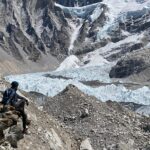
You’re not just sleeping in Samagaon and hoping your body adapts. This plan includes a proper acclimatization day where you can visit a lake and a local village while soaking in views of the surrounding peaks, including Mount Manaslu.
This day is valuable because it’s built for how your body works at altitude. Instead of rushing higher and paying the price with exhaustion, you give yourself a buffer. It also helps you enjoy the day, not just survive it—important when you’re doing a long trek.
If you’re the type who hates “wasted” days, here’s the reality check: altitude days aren’t wasted. A good acclimatization day often turns into smoother days later, especially around the pass area.
Samagaon to Samdo: a frontier-feeling day with Tibetan trade vibes
The trek continues from Samagaon toward Samdo, with long high passes ahead in your mind. This part of the trail offers big views and a different atmosphere—less farmland energy, more high-altitude remoteness.
One of the unique details mentioned on this route is the chance to see scenes tied to Tibet trading and yak-carrying goods—Chinese and Tibetan items moving along the trail. It’s not just scenery. It feels like you’re walking through the supply routes that keep people connected at altitude.
You’ll also cross streams and follow the route with a sense of staying on track through high-country terrain. This is where your trekking rhythm becomes more important than ever. If you keep a steady pace and take quick breaks as needed, you’ll reach Samdo without turning the day into an all-out suffer-fest.
Samdo to Dharamsala: following glacier paths and setting up for Larkya La
From Samdo, the route heads toward Dharamsala, with a planned passage that includes glacier-following segments and stream crossings. The trail is described as following glacier terrain for a couple of hours, then crossing streams coming from a route tied to Gya la, before reaching Larkya bazaar and continuing toward Dharamsala.
This is a strategic build-up day. You’re not just walking; you’re moving through terrain that leads directly into the pass crossing. Dharamsala works as your staging point for Larkya La, and it’s smart to treat the night as preparation: early sleep, warm layers, and careful fueling.
If you’re nervous about the pass, you’ll feel it here. That’s normal. Use the time to organize your kit, double-check your altitude essentials, and accept that the next day is about effort management more than pushing.
Larkya La day and the drop to Bimthang: the pass moment
Crossing Larkya La is the headline event of the Manaslu Circuit. You’ll reach the pass, then shift into a steep, hard-earned downhill direction toward Bimthang.
This day usually feels like two different treks: the climb and the altitude grind on top, then the descent where your legs have to work differently. You’ll want to protect your knees by using controlled steps and frequent micro-breaks rather than long, exhausting strides.
When you reach Bimthang, you’ll have a night that feels well-deserved. Bimthang is part of the circuit’s pattern of alternating higher and lower effort days, helping you keep moving while your body processes the altitude stress from Larkya La.
Bimthang to Gho to Dharani to Tal: finishing the circuit through steady altitude work
After Bimthang, the trek continues with more high-country village stops. You head to Gho, then onward to Dharani, and later to Tal. These days are about keeping your legs moving and staying focused, because the hardest work is now the lingering fatigue—less the mystery, more the effort.
On the Gho day, the route description emphasizes views and regional natural gifts, and it’s again framed as a straightforward climb-and-arrive kind of day. Dharani and Tal continue the pattern of trekking between settlements with rest at lodge stops.
Tal is a great final “walking” checkpoint before the return drive. The route timing here matters: you want your energy intact for the last trekking segment so your return to Kathmandu feels like a transition, not a crash.
Tal to Kathmandu: express bus home with one last mountain day behind you
After completing the circuit, you’ll have breakfast, then continue by road back toward Kathmandu. This plan includes an express bus ride back and then a local sharing stay overnight in Kathmandu.
On the last day, you’ll be dropped at TIA for your final departure. It’s a nice close: you finish the trek, then you move into the city without having to plan extra transportation.
If you’re the kind of person who needs closure, give yourself a simple Kathmandu evening. A hot shower isn’t guaranteed in every budget situation, but even a relaxed meal after 10-plus days on the trail is a mental milestone.
Price and value: what $1,300 includes (and what you should budget for)
At $1,300 per person, this trek can feel like a bargain compared to many trekking packages that tack on permits, guides, and daily meals separately. Here, the big value is that key costs are already covered: all trekking permits, three meals during the trek (breakfast, lunch, dinner with tea), and tea-house accommodations each night.
You also get airport/hotel/airport pick up and drop by private car/van/bus, and public express bus transport between Kathmandu and Soti Khola. Add in a licensed trekking guide and local porters, plus government taxes and service charges, and the total package becomes easier to trust.
What’s not included matters for your final budget:
- Tips for guide and porter
- Travel and evacuation insurance
- Personal expenses like wifi, mineral water, hot shower, and drinks
- Optional private jeeps: USD 240 per jeep for Kathmandu to Sotikhola (4 to 5 seats), and USD 340 per jeep for Dharapani to Kathmandu (4 to 5 seats)
My advice: budget for those extras before you commit. The trek itself is already demanding; the last thing you want is stress over small costs when you’re far from ATM options.
Who this trek suits best (and who should think twice)
This trek is for you if you want a hard, high-altitude circuit with real village walking and a strong chance of unforgettable pass views. You’ll be happiest if you enjoy long days on foot, can handle stair-step altitude gains, and don’t need luxury between trail days.
This is also a good choice if you like structure. The plan includes set meals, tea-house lodging each night, and a guide/porter setup. That removes a lot of the guesswork that can turn trekking into a logistical headache.
But think twice if your fitness isn’t solid. The route is described as challenging, and it specifically calls for a strong physical fitness level. Also, because it depends on weather, you should be flexible with expectations around timing.
Practical tips for packing and pacing on Manaslu
I’d plan on layers. Even when trekking days feel manageable, mornings near higher elevations can turn cold fast. Keep rain protection in mind too, because high Himalaya weather can shift quickly.
For pacing, treat every day like it has two goals: arrive safely and preserve your legs. On a circuit like this, you won’t benefit from sprinting early because fatigue later is what usually decides how smooth your pass day feels.
Finally, lean on the support you’re paying for. With a license-holder guide and local porters included, use them: ask questions about weather, pacing, and what to expect near the next big climb. Names mentioned with this operator in past trip experiences include Sandesh, Veer, Rabin, Dhansingh, Aita, Sukra Gurung, and Sushil Gurung, and the common thread is clear: organized guidance and care for safety and comfort.
Should you book the Manaslu Circuit Trek?
Book it if you want a meaningful Himalayan circuit with a strong sense of place and you’re ready for real altitude work. The combination of permits included, tea-house comfort, and a guide/porter-supported plan makes it a practical way to do a tough route without turning every day into problem-solving.
Don’t book it if you’re chasing a simple walk with no elevation stress. This trek needs fitness, mental patience, and flexibility for weather.
If that sounds like you, Manaslu is one of those treks that doesn’t just entertain for a week. It changes how you see effort, distance, and views.
FAQ
How long is the Manaslu Circuit Trek tour?
The tour duration is listed as 14 days (approximately).
Where does the trek start?
The journey begins from Soti Khola (with earlier road travel from Kathmandu toward the region).
What is the total trekking distance?
The trek covers about 177 kilometers (110 miles).
What is the highest point on the trek?
The highest point is Larkya La Pass at 5,160 meters (16,930 feet).
What meals are included during the trek?
Lunch and dinner are included, and the trek also includes breakfast. The package notes 3 time meals during the trek (breakfast, lunch, and dinner with cup of tea).
What kind of accommodation do you stay in during the trek?
Accommodation during the trek is in tea houses.
Are trekking permits included?
Yes. All trekking permits are included.
Does the package include a guide and porters?
Yes. It includes a license holder trekking guide and local porters.
What transport is included between Kathmandu and Soti Khola?
It includes both-way public express bus between Kathmandu and Soti Khola, plus airport/hotel/airport pickup and drop by private car/van/bus. Private jeeps are listed as optional at extra cost.
What are the minimum age and fitness expectations?
Minimum age is 18 years, and travelers should have a strong physical fitness level.
Can I cancel for a full refund?
You can cancel up to 24 hours in advance for a full refund. If the experience is canceled due to poor weather, you’ll be offered a different date or a full refund.