REVIEW · KATHMANDU
14 Days Annapurna Circuit Trek
Book on Viator →Operated by Yolo Hike · Bookable on Viator
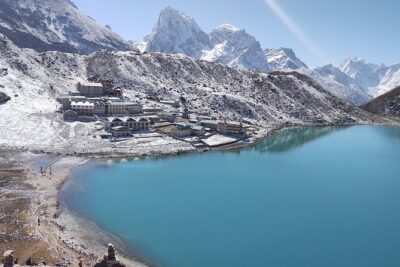
One big reason the Annapurna Circuit feels worth it is that it’s demanding but not chaotic. This 14-day itinerary links guided trekking with clear logistics, plus a high-stakes centerpiece at Thorong La and a spiritual stop at Muktinath. What I like most is the guide and porter structure (so you aren’t carrying the heavy stuff alone) and the built-in rhythm of acclimatization in Manang so your body has a chance to adjust before the pass.
The only real drawback to consider is pacing and comfort: you’ll spend long hours on the move, and the included hot drinks and extras aren’t part of the package—so you’ll want to plan for limited creature comforts on the trail.
In This Review
- What you’re really signing up for
- Key highlights you’ll feel day to day
- Kathmandu: get set up before the mountains do their job
- Drive to Besisahar: the slow start that prepares your legs
- Chame by sharing jeep: a long ride into the trek gate
- Chame to Pisang: first big views, village trails, and the moment it clicks
- Pisang to Manang: the trail rises, and the vibe shifts
- The Manang acclimatization day: your insurance policy for Thorong La
- Manang to Yak Kharka: rugged country and steady ascent
- Yak Kharka to Thorong Phedi: night before the pass
- Thorong La crossing and the Muktinath descent: the pay-off with meaning
- Jomsom to Pokhara to Kathmandu: the circuit closes, slowly
- Price and value: what $900 covers, and what it doesn’t
- Who this trek fits best (and who should think twice)
- Communication and team vibe: the kind of support that matters
- Should you book the 14 Days Annapurna Circuit Trek?
What you’re really signing up for
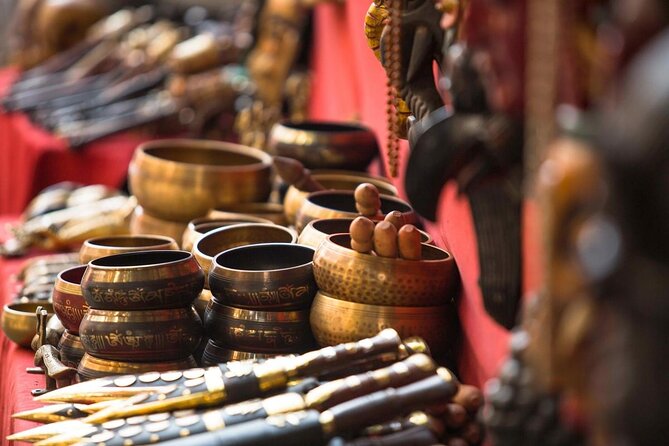
You’re not just buying a ticket to see mountains. You’re buying a full day-by-day flow: Kathmandu setup, a long drive into trek country, multi-day village trekking, a deliberate altitude day, the big crossing, then a descent toward temples and the return through Pokhara. It’s a true circuit experience: varied scenery, different cultures, and enough structure that you can focus on breathing, walking, and enjoying the views when they show up.
Key highlights you’ll feel day to day
- Certified guide + assistant for up to 6 trekkers keeps decisions clear on route and at altitude
- Porter support (1 porter per 2 trekkers) helps you stay strong for long days
- A dedicated acclimatization day in Manang before Thorong La crossing
- Thorong La early start gives you the best odds for calmer conditions on the pass
- Muktinath temples after the descent adds meaning to the hardest section
- Pokhara add-ons with included tickets (International Mountain Museum and Devi’s/Davis Fall)
You can also read our reviews of more tours and experiences in Kathmandu.



Kathmandu: get set up before the mountains do their job
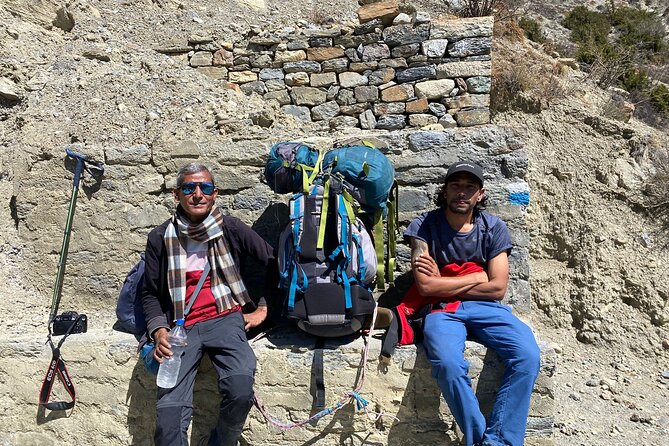
Your trip starts at Tribhuvan Airport in Kathmandu, with private vehicle pickup and drop-off. That matters more than it sounds. A trek this long can fall apart on day one if transfers drag, paperwork is unclear, or your hotel is hard to reach after a flight. Here, you’re met, guided through the basics, and given time to land.
On your first night, you’ll also have a practical chance to get oriented in Thamel, the trekking hub where you can sort footwear, layers, and small gear needs with your guide’s help. If you’re the type who likes to show up prepared, this is where you do it. If you’re the type who hates surprises, this is still where you do it.
Your second day is a “prep day” in Kathmandu Valley, with time for major cultural sights. The ones listed are Pashupatinath Temple and Boudhanath Stupa. I like mixing pilgrimage-level quiet with trek-level physical focus. It helps you shift gears from city mode into mountain mode.
Why this matters: the better your first two days go, the less stress you carry into the driving and the first long walking days.
Drive to Besisahar: the slow start that prepares your legs
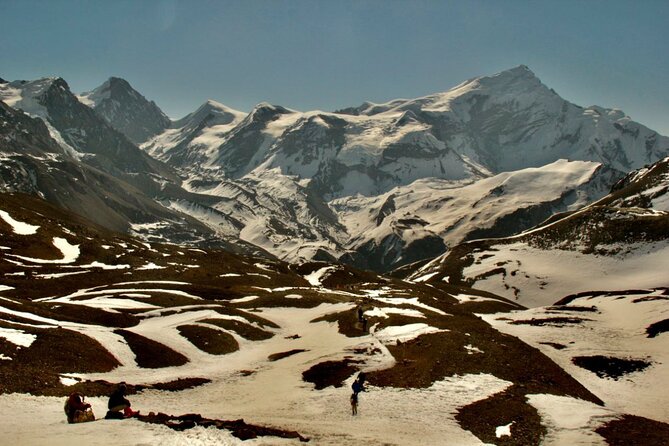
Day 3 is a long road transfer from Kathmandu to Besisahar (about 175 km). The timing is described as typically 6–7 hours depending on roads and traffic, but you should plan for a full-day travel experience.
This isn’t just “getting there.” You’re transitioning from Kathmandu’s bustle into the countryside that feeds into the Annapurna region trek. If you’ve never done a Himalayan trek before, this day helps you understand how the journey itself is part of the experience: the changing scenery, the slower pace, and the way your body starts to feel “work-mode” again.
Packing tip that comes from real-world trekking logic: use this day to tighten your systems—snacks, water plan, sunscreen, and a simple way to keep your essentials easy to reach during the drive and the first trek.
Chame by sharing jeep: a long ride into the trek gate
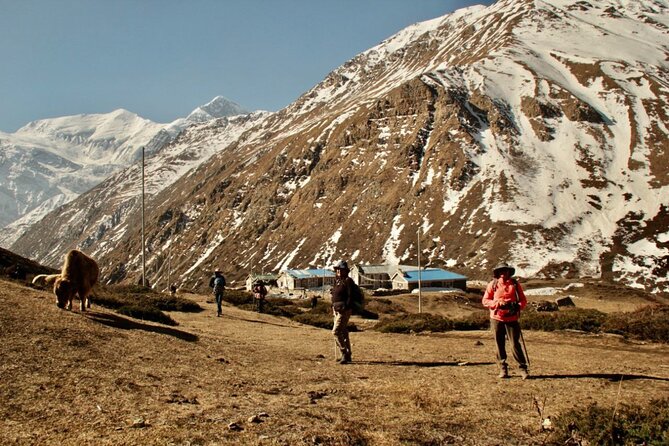
From Besisahar, the itinerary takes you onward to Chame via a sharing jeep. This leg is listed at about 10–11 hours, and it’s described as a scenic route through rural villages.
Chame is the gateway into the trekking heart of the circuit. Reaching it by jeep means you don’t waste your first trek day on transport; instead, you arrive ready to start walking. It also gives you a useful mental reset: you go from road time to trail time in one clear transition.
What I like: a guided trek that starts with real transport makes your walking feel purposeful, not rushed. You’ll also have a chance to observe the rhythm of the area—how people live, how markets and villages sit along the route, and how the mountains begin to dominate the horizon.
Chame to Pisang: first big views, village trails, and the moment it clicks
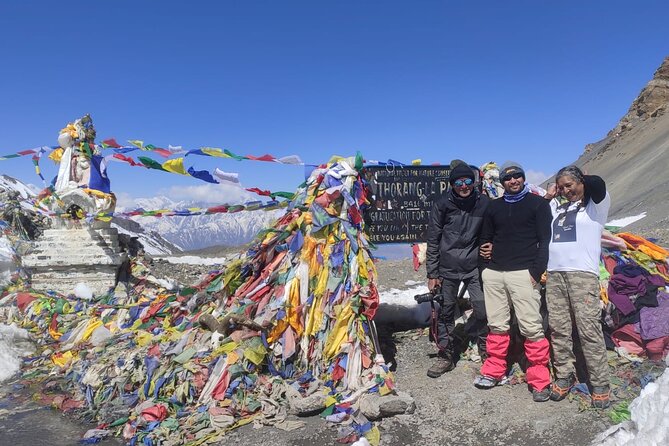
The trek begins on Day 5 with the walk from Chame to Pisang. The route is described as winding through picturesque landscapes, including views of Annapurna II and Lamjung Himal. You’ll also cross bridges and move through forest areas early on, which helps break up the monotony of nonstop uphill.
On a trek like this, the early days have a psychological job. They teach you pacing. You’re learning how to walk at an altitude where your breathing changes, even if your legs feel okay. Pisang is where that “it’s really happening” feeling tends to hit—especially with the mountain views called out in the itinerary.
Possible drawback: early trek days are sometimes deceptively long. The day is listed as about 11 hours, so if you’re hoping for a short and scenic opener, plan for a full-day effort.




Pisang to Manang: the trail rises, and the vibe shifts
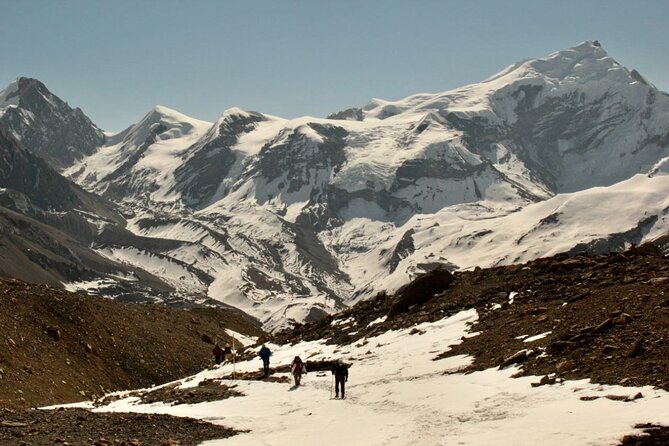
Day 6 continues the circuit toward Manang, and the itinerary describes a gradual ascent where Himalayan peaks become more prominent. You’ll trek for about 10 hours.
Manang matters on two levels. First, it’s a place to rest your body. Second, it’s a place to understand the culture. The overview highlights Manang as Tibetan-influenced, with heritage and strong mountain vistas.
This is one of the best “experience” parts of the circuit because Manang doesn’t feel like a random stop. It feels like a hub in the high Himalaya: people live their lives at altitude, and the town’s character changes as you move deeper into the route.
The Manang acclimatization day: your insurance policy for Thorong La
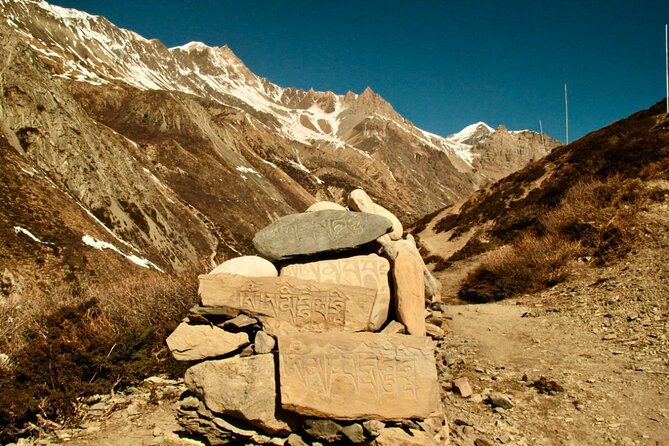
Day 7 is a designated acclimatization day in Manang. The itinerary is clear about why this day exists: to adjust to high altitude and thin air to reduce altitude sickness risk.
You’ll have time to explore, and the description suggests you can spend the day taking in the cultural heritage and mountain scenery. I like an acclimatization day that doesn’t feel like a punishment. Done right, it’s where you learn how your body responds—without turning it into a forced march.
Practical advice: treat this day like training, not like sightseeing at maximum intensity. You’re not trying to “win” the day. You’re trying to keep your energy steady so the next segment doesn’t hit you harder than it has to.
Manang to Yak Kharka: rugged country and steady ascent
On Day 8, you trek from Manang to Yak Kharka. The description calls out barren terrain and panoramic views as you ascend further, and it also notes that you’ll notice a decrease in vegetation as you go higher.
Yak Kharka is more than a waypoint. It’s where the circuit starts to feel rougher around the edges—less “village stroll,” more high-altitude trekking country. If you enjoy the stark beauty of open mountain regions, this is a good day to embrace the simpler setting and focus on walking rhythm.
The day is listed as about 10 hours. That’s a long time, so your biggest job is to pace yourself early. Save your energy for the pass days.
Yak Kharka to Thorong Phedi: night before the pass
Day 9 takes you from Yak Kharka to Thorong Phedi, positioned at the foot of Thorong La. The route is described as gradually climbing through rocky terrain and glacial moraines.
This is a key psychological moment: you know the pass is close. The itinerary signals that the day is one step in the build-up, not the final test. Thorong Phedi is where you’ll want to settle, rest, and prepare for early movement.
What to watch: in this area, the ground can feel more irregular and the air thinner. Even if you feel strong, you want to avoid pushing too hard today—because tomorrow you need stamina and mental focus.
Thorong La crossing and the Muktinath descent: the pay-off with meaning
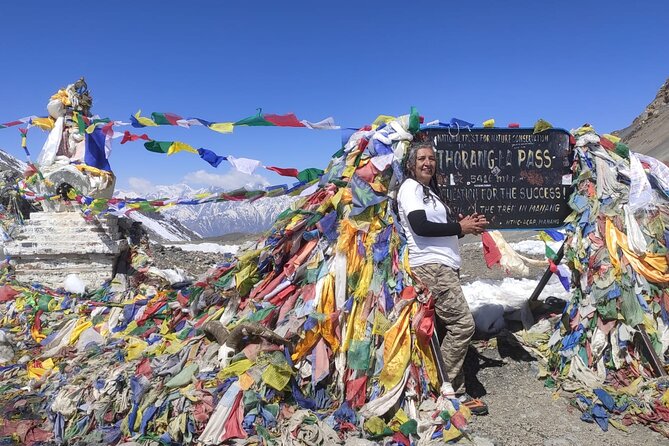
Day 10 is the main event: crossing Thorong La. It’s described as starting early, with a steep ascent to reach the pass at high altitude. Then you descend gradually toward Muktinath, a sacred site for both Hindus and Buddhists.
The itinerary gives you a short window at Muktinath Temple (listed as about 1 hour), then it continues onward toward Jomsom by drive (listed as about 10 hours).
This is the part of the circuit where the emotional math starts to balance. Yes, the pass is physically intense. But you’re also moving into a place with spiritual weight, which changes how the day feels. A temple stop after a big crossing doesn’t feel like a random sightseeing add-on; it feels like a reward that matches the effort.
Real consideration: the pass day is not a casual “peak photo” day. It’s early start + long effort. If you don’t like waking up before dawn, this is where you’ll learn to.
Jomsom to Pokhara to Kathmandu: the circuit closes, slowly
After reaching Jomsom, the itinerary flows toward Pokhara and then back to Kathmandu.
Here’s a crucial detail: the flight from Jomsom to Pokhara is not included. That means you’ll need to arrange that part yourself if your plan depends on the route described. The itinerary text also mentions a scenic drive through countryside after arriving in the Pokhara area, which fits the overall travel rhythm of return.
In the last stretch, you get Pokhara time and two included cultural stops:
- International Mountain Museum (admission included)
- Devi’s (Davis) Fall (admission included)
Those are small compared to what you’ll see on the trek, but I actually think they’re smart. They’re a way to process what you just did—mountain culture and water, both very Nepal.
Finally, you return to Kathmandu for departure assistance.
Price and value: what $900 covers, and what it doesn’t
At $900 per person, the value comes from what’s actually included. You get:
- Airport pickup and drop-off by private vehicle
- Professional certified trekking guide plus an assistant guide for each group (the ratio is 1 assistant guide for each 6 trekkers)
- 1 porter for each 2 trekkers
- Accommodation: 2 nights in Kathmandu and Pokhara (twin sharing), plus 9 nights in the trekking area (twin sharing)
- Meals: breakfasts (13), lunches (9), dinners (9)
- Guide and porter lodging, food, insurance, and salary
- All fees and taxes
- Tickets included for the International Mountain Museum and Devi’s Fall
- Mobile ticket is mentioned, and pickup is offered
What’s not included is where you need to plan:
- Your Jomsom to Pokhara flight
- Personal expenses like bar bills and shopping
- Tea, coffee, and hot water
- Personal nature expenses
- Your international flights to Nepal (not listed, but logically not included)
My take on value: paying $900 makes sense mainly because you’re buying manpower and coordination—guide + assistant + porter support—plus the bulk of meals and lodging. If you were to self-organize trekking permits, guide hire, and porter logistics, the costs usually creep up fast.
Who this trek fits best (and who should think twice)
This experience is clearly aimed at hikers with strong fitness. The additional info says travelers should have strong physical fitness level, which is a fair warning for a 14-day route with multiple 10–11 hour trekking days and a major pass crossing.
You’ll likely enjoy this trek if you:
- Want a structured circuit with acclimatization support
- Prefer a guided experience over full self-navigation
- Appreciate porter support (so you can focus on your walking and altitude rhythm)
- Like combining mountain effort with cultural stops (temples in Kathmandu and Muktinath, museum and waterfall in Pokhara)
You might want to rethink if you:
- Want frequent comfort breaks or shorter walking days
- Are highly sensitive to early starts
- Don’t want to handle the Jomsom to Pokhara flight on your own
One more practical note: the tour is described as private in the sense that only your group participates. That’s good if you don’t want to be mixed with strangers outside your booking.
Communication and team vibe: the kind of support that matters
Even on a trek with great scenery, the real difference-maker is decision-making: route timing, altitude pacing, and handling the annoying logistics you’d rather not think about.
In the feedback style reflected in the provided information, Yolo Hike is described as responsive and organized, with guides and support teams that people felt were friendly and experienced. One key theme is fast replies during planning, with team members named Anil and Alin highlighted for communication and support in past trips. That kind of responsiveness is exactly what you want before you’re far from your usual comforts.
Also, the itinerary’s structure—guide lodging and insurance covered, porter ratio set, and a planned acclimatization day—suggests they’re managing more than just the walking.
Should you book the 14 Days Annapurna Circuit Trek?
I’d book it if you want the Annapurna Circuit experience with real support built in: a certified guide, an assistant for the group size, porter help, meals and lodging mostly handled, and a practical acclimatization day before Thorong La. The $900 price makes more sense when you see what you’re not paying separately for: much of the staffing, trek-area lodging, and the meal plan that keeps you fueled during long days.
I’d hesitate if you hate early, long days or if you don’t want to manage the missing piece: the Jomsom to Pokhara flight. Also, if you’re expecting hot drinks and extras to be part of the day-to-day, the plan says those aren’t included—so bring your budget mindset.
If your goal is a classic circuit with a team that helps you stay focused on altitude and views instead of logistics, this is a strong option. Just be honest about your fitness, respect the pass day, and use Manang wisely.