REVIEW · KATHMANDU
Poon Hill Trek
Book on Viator →Operated by Ace the Himalaya · Bookable on Viator
Sunrise from Poon Hill is the whole point. This trek layers unobstructed mountain views with a straightforward walking route and solid support, and I like that the team handles the moving parts from Kathmandu to the trails. A key consideration: you’re up early, and if weather rolls in, sunrise can be less dramatic than you hoped.
Before you even lace up boots, you get a focused Kathmandu valley sampler: Pashupatinath, Boudhanath, and Bhaktapur Durbar Square in a single day. Then you switch gears to Pokhara, which gives you a calmer base than Kathmandu for meeting your trekking rhythm.
On the trail, the plan is designed for moderate fitness: mostly twin-share guesthouses (with occasional dorm nights) and a route through Magar and Gurung villages, rhododendron forests, and classic Annapurna viewpoints. And with a maximum of 15 travelers, the pace stays manageable and you’re not lost in a sea of people.
In This Review
- Key things you should know before you go
- Landing in Kathmandu: airport pick-up and a tight valley tour
- Pokhara is your warm-up phase, not just a bus stop
- Nayapul to Tikhedhunga: start steady along the river valleys
- Ulleri to Ghorepani: forests, rhododendrons, and the build-up to the viewpoint
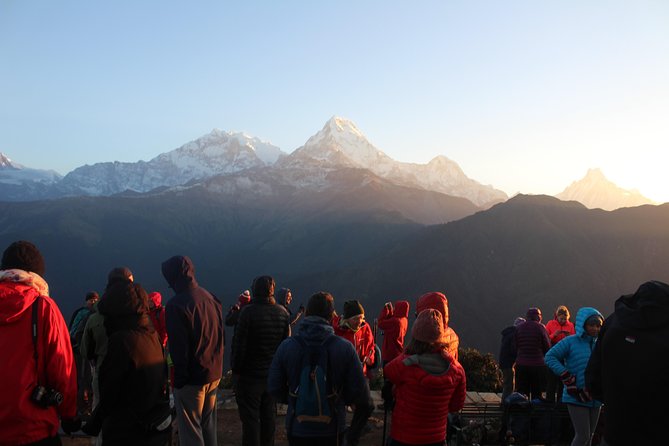
- Poon Hill sunrise at 3,210 m: the short hike with a big payoff
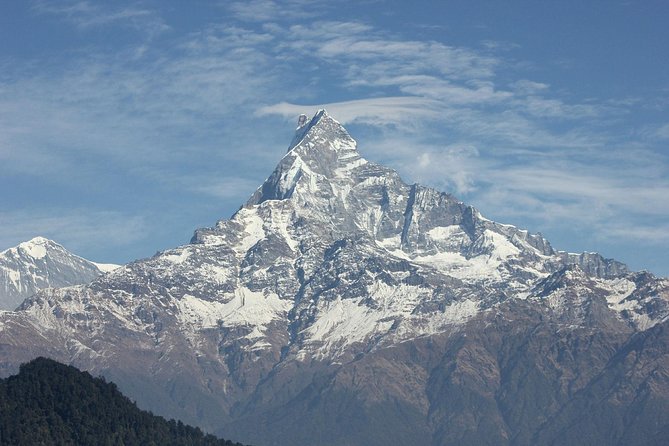
- Tadapani to Ghandruk: Gurung village life and that Machhapuchhare skyline feeling
- Finishing at Nayapul and easing back into Pokhara
- Back to Kathmandu and a farewell dinner with culture performances
- Guide and porter support: how this stays easy for your body
- Price and value at $1,172.27 per person: what you’re paying for
- Pacing, lodging, and food: the practical side of an easy trek
- Should you book the Poon Hill Trek with Ace the Himalaya?
- FAQ
- What does the trek start and end with?
- How do the airport transfers work?
- Is pickup included in this experience?
- What kind of accommodations should I expect during the trek?
- Are permits included?
- Will I need a porter?
- What meals are included?
- Can I cancel for a full refund if plans change?
Key things you should know before you go
- Early start for Poon Hill sunrise (3,210 m): short hike at first light, built around getting the view.
- Kathmandu valley sights are included: temple and stupa visits plus Bhaktapur’s royal square.
- Guesthouse trekking setup: mostly twin-share rooms, simple meals, and porters to carry your luggage.
- Permits and trekking paperwork covered: Annapurna Conservation Park permits plus TIMS are handled.
- Village culture matters here: Gurung and Magar communities, with time to explore Ghandruk.
- A small-group feel: up to 15 travelers, so the guide can actually manage the day.
Landing in Kathmandu: airport pick-up and a tight valley tour
Your trip starts in Kathmandu with an Ace the Himalaya representative meeting you at Tribhuvan International Airport. From there, you’ll be transferred to your hotel in a private tourist vehicle. If you land after 4 pm, you get a briefing and pre-trip meeting by the guide; arrive earlier, and that meeting happens either that day in the office or on the same day schedule.
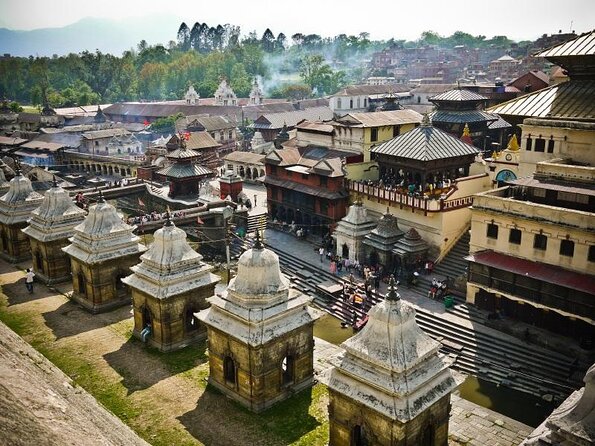
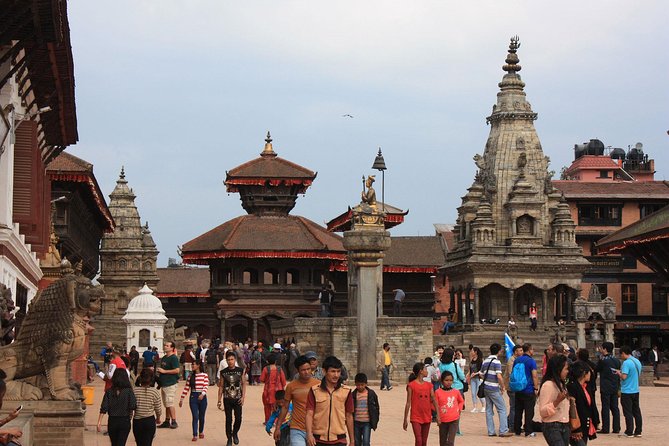
Kathmandu day is not random sightseeing. You’ll visit three heavy-hitters: Pashupatinath Temple (Hindu worship on the Bagmati River), Boudhanath Stupa (major Buddhist pilgrimage with prayer wheels), and Bhaktapur Durbar Square (a royal residential quarter with famous pagoda-style architecture). You won’t be able to enter Pashupatinath if you’re not Hindu, but you can watch the temple life clearly from the eastern bank.
What I like about this setup is how it gives you contrast fast: Hindu and Buddhist Kathmandu in motion, then the more intact, detail-rich feel of Bhaktapur.
You can also read our reviews of more tours and experiences in Kathmandu.

Pokhara is your warm-up phase, not just a bus stop
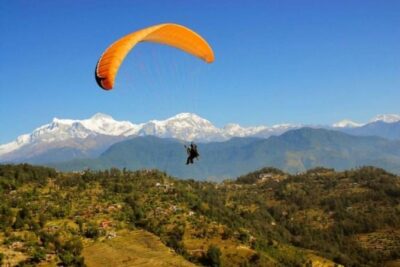
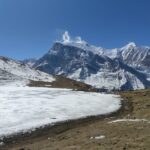
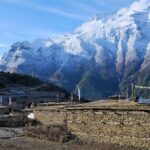
Pokhara is where the trip becomes a trek. You take a tourist bus from Kathmandu (around 7:30 am) and reach a lake-side city known for panoramic views of Annapurna and Machhapuchhare (Fish Tail Peak), plus Dhaulagiri, Lamjung Himal, and Manaslu in the broader range.
The advantage of Pokhara here is practical. It’s smaller and less hectic than Kathmandu, and it gives you a chance to settle your gear, pace your energy, and mentally switch from city walking to high-altitude hiking. You also start the trekking logistics from Pokhara the following morning with a direct drive toward the trailhead area.
If you’re the type who gets anxious about “logistics,” this is a relief. The plan removes a lot of guesswork: transfers are handled, and the route starts with an intentionally easier day.
Nayapul to Tikhedhunga: start steady along the river valleys
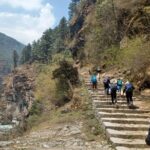
The trek begins after about an hour drive from Pokhara to Nayapul. From there, you take a short walk along the Modi Khola area, then head through Birethanti (around 1,015 m). This is a classic “legs feel it, lungs don’t panic” day. After the early village stretch, the trail climbs steadily toward Hille (1,495 m), then continues up to Tikhedhunga (around 1,570 m).
Why this day matters: it sets your pace. The climb is gradual, and you get time to test footwear, hydration habits, and how your body handles Nepal’s steep steps without yet throwing you into the big altitude push.
One small note for your planning: this day is short enough that you might feel tempted to speed up. Don’t. Nepal stairs punish fast hikers. Better to walk steady and arrive feeling like you could still keep going.
Ulleri to Ghorepani: forests, rhododendrons, and the build-up to the viewpoint
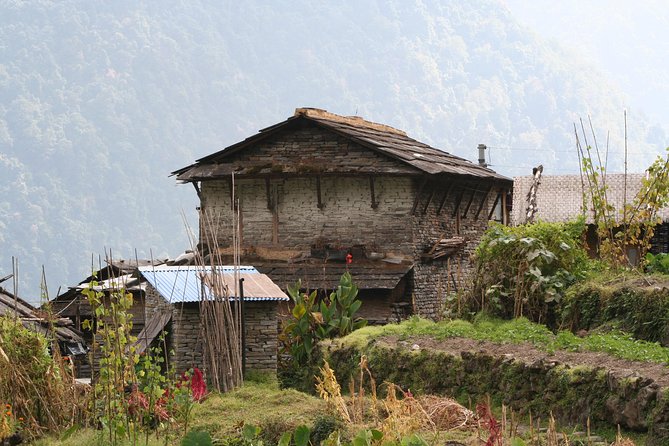
From Tikhedhunga, the route turns toward Ulleri, a Magar village at about 2,070 m. The trail then climbs through oak and rhododendron forests—exactly the type of hike that makes Poon Hill treks feel special even before you see anything postcard-perfect.
You’ll pass Banthanti (about 2,250 m), then Nangethanti (about 2,460 m), and finally reach Ghorepani at about 2,840 m. This is the day where the trek starts to feel more “Annapurna” and less “pretty walk.” You’re moving through layered vegetation and higher, cooler air.
By the time you settle in Ghorepani, you’re in the neighborhood of the big payoff. Think of Ghorepani as your base camp for the sunrise climb and your chance to enjoy the guesthouse rhythm—hot tea, simple meals, and that early-to-bed vibe that makes next morning easier.
Poon Hill sunrise at 3,210 m: the short hike with a big payoff
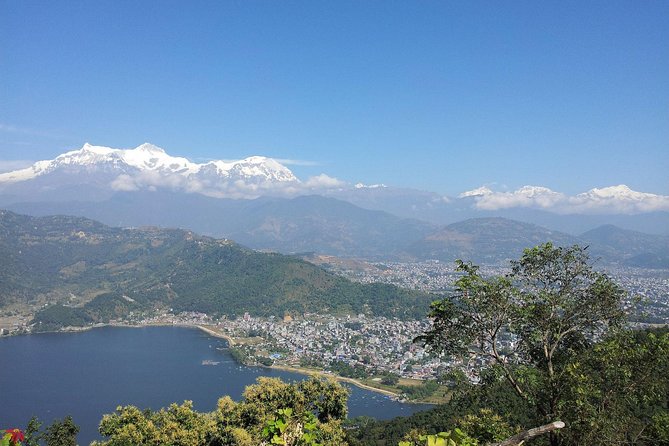
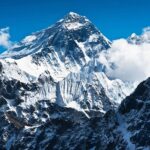
This is the signature morning. You’ll start very early and hike about an hour to Poon Hill at roughly 3,210 m. The goal is sunrise over the high Himalayas, and the plan is set so you’re at the viewpoint at the right time.
There’s no need to treat it like an exhausting summit bid. The hike is relatively short, but the altitude and the pre-dawn cold can surprise you. Dress like your thermostat just broke: layers you can zip, gloves or something warm for hands, and something that blocks wind.
After you watch the show, the schedule brings you back to Ghorepani for a hot breakfast. Then you continue hiking from there, moving along ridges and through pine and rhododendron forests toward Deurali (around 2,960 m). You descend to Banthanti again, then turn off toward Tadapani.
This is where you get two kinds of trekking reward in one day: first the sky drama at sunrise, then the satisfying downhill rhythm that keeps fatigue manageable.
Tadapani to Ghandruk: Gurung village life and that Machhapuchhare skyline feeling
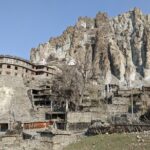
The next stretch drops you toward Ghandruk via forests and village paths. Ghandruk is a Gurung settlement with its own dialect, culture, and costumes, and it’s also known for its mountain views. A detail I really like: Ghandruk is also associated with Gurkha soldiers, so you’re not just passing through scenery—you’re stepping into a place with identity and stories.
You’ll have time in the afternoon for cultural and learning stops. The plan includes visiting the Annapurna Conservation Office and museums, plus exploring the village.
From a traveler’s perspective, this matters because it’s not only about elevations. It’s about how people live under the Annapurnas and how conservation is tied to the trekking economy. Even if you’re not a museum person, you’ll likely find the subject matter practical and directly connected to the trail you’re walking.
Over dinner and hot drinks at the lodge, this is also a good day to talk with your guide about what the next morning and return feel like—especially if weather has been touchy.
Finishing at Nayapul and easing back into Pokhara
After reaching Ghandruk, the plan brings you down to Nayapul to end the trek. From there, you drive back to Pokhara. Once you’re back in town, you have an afternoon for easy time—strolls near the lake are built into the schedule, with no pressure to turn it into a marathon.
This part is underrated. After days of stepping up and down, it’s nice to have an actual decompression window instead of immediately jumping back into travel stress.
If you want to keep energy up, use this afternoon for low-effort things: a relaxed meal, gear check, and sleep earlier than you think you need. You’ll appreciate it the next day when Kathmandu comes back into your life.
Back to Kathmandu and a farewell dinner with culture performances
You’ll drive back to Kathmandu in the morning. That gives you time for the transition without losing a whole day to transport.
In the evening, you’ll have a farewell dinner in a traditional Nepalese restaurant with cultural performances. It’s one of those endings that feels like a proper close to the trek—less rushed than trying to assemble plans yourself on short notice.
This final night is also a good chance to reflect on the difference between Kathmandu sightseeing and what you just did outside the city. Kathmandu gives you temples and urban heritage. The trek gives you altitude, weather patience, and a slower view of how valleys connect.
Guide and porter support: how this stays easy for your body
A big reason Poon Hill treks feel manageable is the team setup. Ace the Himalaya assigns porters to carry your luggage, using a ratio of one porter for every two guests. That means you can hike with a smaller daypack instead of dragging everything up steep steps.
I also see a pattern in past trip experiences: people repeatedly credit specific guides and porters for making the route feel smooth and not stressful. Names that have come up include guides like Sushanta, Sushan, Ishwar, Baburam (Babu), Janardan, Raj, Shyam, Ramesh Karki, and Gopal. Porter names like Bipi, Poson, Limbhu, RJ, and others show up too. The takeaway for you is simple: the human side here is strong, and having an English-speaking trekking guide matters when you’re deciding how hard to push on a given day.
If you’re a first-time trekker, ask your guide how they handle pacing and weather. Good questions are things like: when to take breaks, how to dress for cold mornings, and what pace they recommend on steeper sections.
Price and value at $1,172.27 per person: what you’re paying for
At $1,172.27 per person for about 10 days, you’re paying for more than a hike. You’re covering Kathmandu and Pokhara hotels with breakfast (3 nights in Kathmandu, 2 in Pokhara), a Kathmandu valley city tour by private vehicle, and guesthouse accommodation during the trek.
You’re also paying for the key “don’t want to manage this yourself” parts:
- local English-speaking licensed trekking guide
- porter support (1 porter per 2 guests)
- Annapurna Conservation Park permits and TIMS permits
- private tourist vehicle transfers plus the tourist bus between Kathmandu and Pokhara
- sightseeing and monument entrance fees in Kathmandu
- meals during the trek portion (the plan includes multiple breakfasts, lunches, and dinners)
Could you DIY this cheaper? Maybe—but DIY means permits, transport timing, lodging coordination, and figuring out guides/porters. Here, the value is in having a plan that’s already stitched together.
Two items you should budget separately: travel insurance (including emergency rescue/evacuation coverage) and your Nepal entry visa. Also note that lunch and dinner in Kathmandu and Pokhara are not included, so plan on paying for meals in those cities.
Pacing, lodging, and food: the practical side of an easy trek
This trek is often described as easy, but easy doesn’t mean flat. You’ll do daily climbs, and you’ll hike at higher elevations each day. The tour itself specifies a moderate physical fitness level, which matches what you’re likely to feel: you should be comfortable walking for hours, but you don’t need mountaineering skills.
Lodging is mostly twin-share rooms during the trek, with occasional dormitory nights. You’ll be in guesthouses, which typically means simple rooms, shared dining spaces, and basic comfort. The food is planned with included meals during the trek, and you’ll get breakfast even on the summit-day morning after sunrise (because you’re coming back for it).
One thing to pack mentally: mornings can be cold, especially for sunrise. Plan layers that work for wind, and keep a dry layer or warm hat accessible.
And don’t overlook downtime. Some parts of the route are shorter, and that can be nice if you enjoy slow exploration. If you want maximum trail time, talk with your guide about how you want to pace your day.
Should you book the Poon Hill Trek with Ace the Himalaya?
If you want iconic Himalayan views without a punishing itinerary, this is a very sensible choice. You get a classic sunrise moment at Poon Hill, a village walk through Gurung and Magar communities, and a helpful support structure with guides and porters.
Book it if:
- you’re aiming for a manageable altitude hike with guesthouse comfort
- you want permits, transport, and city sightseeing handled for you
- you like early mornings if the payoff is worth it
Think twice if:
- you hate cold starts or you get grumpy when plans depend on weather
- you want total freedom to set your own schedule every day (this is organized travel)
If you do book, do one thing that pays off: ask your guide what clothing and morning strategy they recommend for sunrise conditions. That one prep step can make the difference between a good view and a great memory.
FAQ
What does the trek start and end with?
You’ll trek between areas around Nayapul and the Annapurna region, then finish at Nayapul. After that you drive back to Pokhara, and later return to Kathmandu before flying out from Tribhuvan International Airport.
How do the airport transfers work?
An Ace the Himalaya representative meets you at Tribhuvan International Airport in Kathmandu and transfers you to your hotel by private tourist vehicle. At the end of the trip, an airport representative drops you at the international airport for your departure.
Is pickup included in this experience?
Yes. Pickup and drop-off services are included, with private tourist vehicles used for airport and local transfers.
What kind of accommodations should I expect during the trek?
During the trek you’ll stay in guesthouses, mostly in twin-share rooms with occasional dormitory-style nights. In Kathmandu and Pokhara, the plan uses three-star hotels with breakfast included.
Are permits included?
Yes. The trek includes Annapurna Conservation Park permits and TIMS permits.
Will I need a porter?
Porters are included. The plan uses one porter for every two guests to carry your luggage during the trek.
What meals are included?
Breakfast is included (9), along with lunch (6) and dinner (6). Lunch and dinner in Kathmandu and Pokhara are not included.
Can I cancel for a full refund if plans change?
You can cancel for a full refund up to 24 hours before the experience’s start time. If cancellation is less than 24 hours before the start time, the amount paid is not refunded.