REVIEW · KATHMANDU
Everest Base Camp Trek
Book on Viator →Operated by Nepal Trekking Routes Pvt. Ltd · Bookable on Viator
Lukla first, Everest soon after. This 14-day Everest Base Camp trek strings together the big hits: a scenic Kathmandu to Lukla flight, Sherpa hubs like Namche Bazaar, and the classic viewpoint at Kala Patthar. What makes it especially interesting is how it mixes high-mountain awe with day-to-day culture stops, from Tengboche Monastery to Sherpa villages you can actually chat with along the trail.
I love two things right away: the Lukla flight that drops you into the Khumbu world fast, and the way the trek builds toward real moments of Everest—especially the panoramic payoff at Kala Patthar. One drawback to consider is altitude. Even with a solid plan and frequent village stops, you’ll still be climbing into thin air around 5,380m (17,600ft), so you’ll want a moderate fitness base and a sensible pace.
The tour is built around the Everest dream—so you get Mount Everest and neighbors like Lhotse and Cho Oyu in your field of view, plus the Sherpa history tied to mountaineering pioneers like Edmund Hillary and Tenzing Norgay. On top of that, I like the human side: the trek includes cultural encounters and practical pauses such as meals around the Khumbu, including time at the Everest View Hotel for breakfast or lunch when you’re in the right zone. A consideration here is logistics patience: Lukla flights can face delays, and while the team works to keep things moving, you should plan to be flexible.
In This Review
- Key things to know before you go
- Kathmandu to Lukla: the flight that sets the tone
- Namche Bazaar: where Sherpa life and the Everest plan overlap
- Tengboche Monastery and Ama Dablam’s attention grab
- Sagarmatha National Park: the protected Everest zone you’re walking through
- Everest View Hotel and the meal moments that keep you steady
- Kala Patthar: the 360-degree Everest payoff at 5,380m
- Sherpa villages, traditions, and food that feel like real life
- Guides, organization, and why the small group matters
- Price and value: what $1,290 covers and what you’ll budget anyway
- Who should take this Everest Base Camp trek?
- Should you book Nepal Trekking Routes for Everest Base Camp?
- FAQ
- How long is the Everest Base Camp trek?
- Where does the trek start, and where should I meet the group?
- What is the highest elevation on this trek?
- What’s included in the tour price?
- Are international flights included?
- What is the cancellation policy?
Key things to know before you go
- Kathmandu → Lukla on Tenzing Hillary Airport: a fast route into the Everest region, starting at about 2,860m.
- Namche Bazaar as a real hub: trade, daily life, and a Sherpa Museum stop that helps the trek click.
- Tengboche Monastery: the largest monastery in the Khumbu region, tied to Ama Dablam’s drama.
- Sagarmatha National Park: UNESCO World Heritage context, with park fees included.
- Kala Patthar for the Everest panorama: a 360-degree viewpoint that’s the emotional climax of the trek.
- Small group feel (up to 15): generally easier coordination and more personal attention.
Kathmandu to Lukla: the flight that sets the tone
Your Everest Base Camp adventure starts in Kathmandu, with a pickup offered and the meeting point at Tribhuvan Airport. Then comes the thing most people remember for years: flying to Lukla (Tenzing Hillary Airport). It’s not just a transfer. It’s your first real taste of altitude and terrain, and it basically turns “theory about Everest” into “I’m actually here.”
Lukla sits at around 2,860m, which means you’re not waiting days to feel the elevation. That can be a good thing if you want to move quickly, but it also means you’ll benefit from pacing your body from the first day. Even if you’re excited, I’d treat the first hours like jet lag—drink water, eat something reasonable, and don’t try to prove you’re invincible.
One practical point: Lukla flights can change. In the reviews, people mention flight delays and cancelations, but also describe the team as organized once plans shift. That matters because the Everest trek depends on making it into the mountains on time. A good operator doesn’t just sell you the trek; they handle the real-world chaos that comes with mountain schedules.
You can also read our reviews of more tours and experiences in Kathmandu.
Namche Bazaar: where Sherpa life and the Everest plan overlap
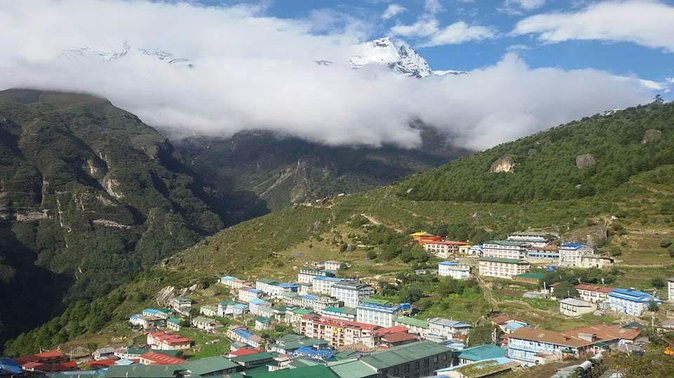
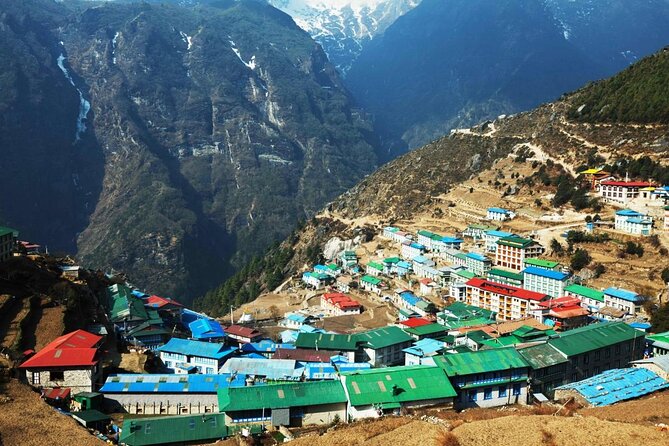
After Lukla, you’ll reach Namche Bazaar, described as the business hub of the entire Khumbu region. That phrase is important. Namche isn’t a random stop on a hiking route—it’s where the trek becomes understand-able. You see the networks: how supplies move, how people live, and how visitors fit into the rhythm of the mountains.
Namche is also the gateway experience. You’ll find that being here changes how you walk later. The air may still be thin, but your brain is calmer because you have a sense of place. Plus, you’ll have a Sherpa Museum stop. That’s a smart add because it gives context for what you’ll later notice on the trail: Sherpa traditions, mountaineering connections, and daily life adapted to high altitude.
From a comfort angle, Namche also gives you a chance to slow down without feeling like you’re wasting time. You’ll be surrounded by teahouses, viewpoints, and guides who know how the next stages feel. If you’re the kind of person who worries about getting it wrong, Namche is where you start getting your bearings fast.
Tengboche Monastery and Ama Dablam’s attention grab
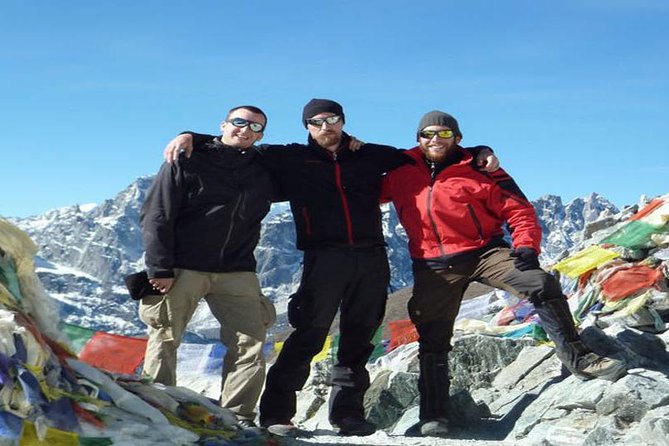
Tengboche Monastery is a big deal on this route—called the largest monastery in the Khumbu region—and it’s also positioned with Mt. Ama Dablam nearby, which is why the views have gravity. Monasteries in the Himalayas aren’t just photo stops. They’re spiritual centers, and even when you’re not doing anything “religious,” you can sense how community and mountain life connect.
What I like about putting Tengboche on the itinerary is the contrast it brings. You go from market energy (Namche) to sacred stillness, with the kind of quiet that makes you notice details: prayer flags, the flow of people, and the way conversations shift when the setting changes.
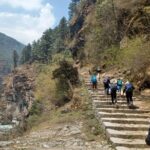
If you’re someone who needs a break from constant uphill, Tengboche also works emotionally. The trek keeps climbing, but this is a moment where you can look around and understand why people return to these valleys again and again.
Sagarmatha National Park: the protected Everest zone you’re walking through
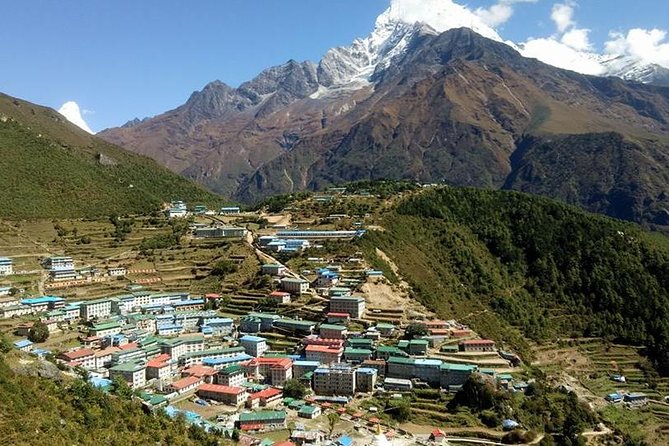
This trek includes entry related to Sagarmatha National Park, and it’s noted as a UNESCO World Heritage Site. That’s not just trivia. It helps you remember that Everest Base Camp isn’t an amusement park. It’s a protected environment with rules, staff, and conservation priorities. When you know you’re inside a designated area, you’re more likely to treat your trash, your water use, and your trail behavior with care.
The park context also ties into the “why” of your trek. You’re not just hiking for a peak photo; you’re walking through a place with an ecological and cultural footprint that matters.
And yes, it’s still fun. The Himalayas have a way of making you forget deadlines and inboxes. But it’s smart to keep the mindset grounded: you’re moving through real habitats, not just scenery.
Everest View Hotel and the meal moments that keep you steady
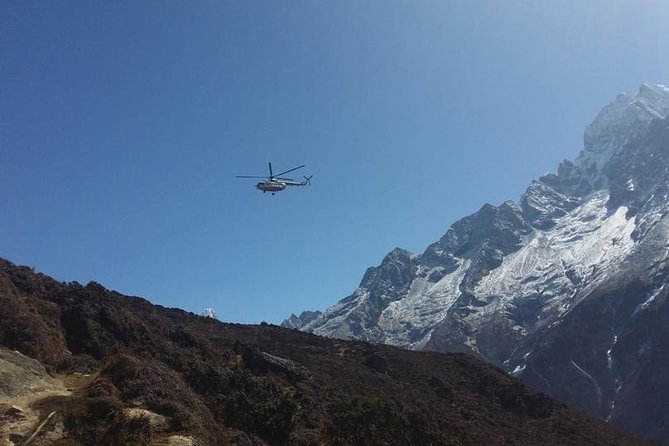
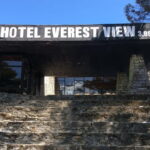
One of the practical highlights: you’ll have breakfast or lunch at Everest View Hotel, described as one of the world’s highest-altitude hotels. Even if you don’t think of yourself as a “hotel person,” these meal stops matter because they anchor your day. You’re dealing with altitude stress and steady effort, and food is how you manage both.
What’s worth noting: meals at altitude are not just comfort. They’re fuel management. If you eat too little, you’ll feel it in your energy. If you eat too much, you might feel heavy while climbing. A good operator helps you get the timing right so you can stay functional.
The trekking style here also leaves room for the human side of the mountains. You’re not only counting steps toward Everest; you’re learning what hospitality looks like when every tea and meal comes with the mountain as the backdrop.
Kala Patthar: the 360-degree Everest payoff at 5,380m
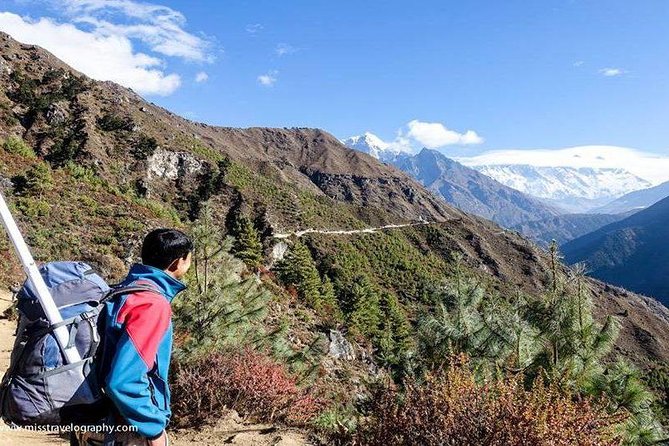
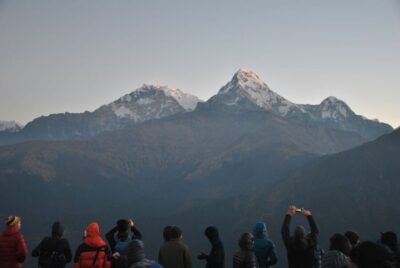
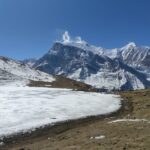
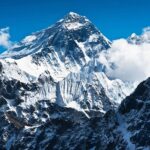
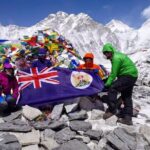
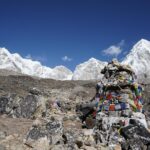
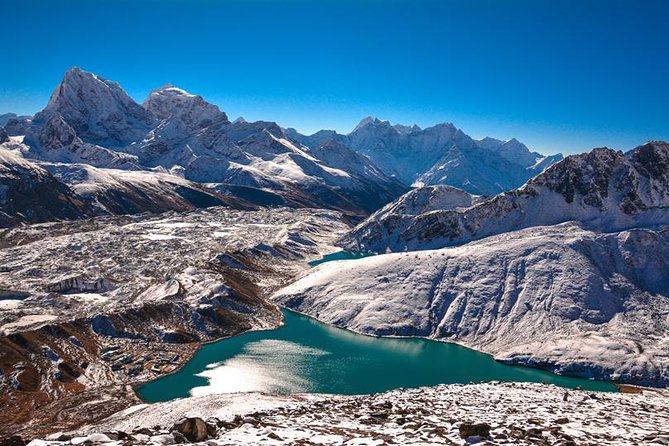
If you care about Everest views, Kala Patthar is the moment that counts. It’s described as the spot where you can enjoy a 360-degree panoramic view of Mount Everest along with nearby snowcapped peaks.
This is also where the trek’s altitude target lands. The route reaches a highest elevation around 5,380m (17,600ft). That doesn’t automatically mean it’s a technical climb, but it does mean you’ll need to respect your body. At these heights, you’re working with less oxygen, which changes how everything feels: breathing, sleep, appetite, and recovery.
From a planning perspective, Kala Patthar is also a weather moment. Clear skies are the difference between a jaw-dropping panorama and a “hmm, clouds got the memo.” That’s why I like that this trek frames Kala Patthar as the climax—it encourages you to be mentally prepared for a possible early push and a patient viewpoint.
When you finally look out, it’s not just the tallest peak you’re thinking about. You’re seeing a whole system of mountains, glaciers, and ridgelines that make Everest feel less like a single point on a map and more like a massive, connected world.
Sherpa villages, traditions, and food that feel like real life
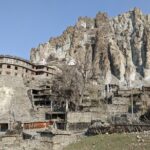
This trek includes observation of Sherpa villages and time for culture, tradition, and typical cuisines. That sounds broad, but here’s why it matters: Sherpa culture is not an add-on. It’s the backbone of high-altitude trekking logistics and mountain knowledge.
In the reviews, people often emphasize hospitality and the lived-in feel of the trek, not just the landmarks. I’d take that seriously. When you’re walking through these villages, you’re not only passing through lodges—you’re stepping into a community that understands the trail.
Food also deserves a quick reality check. You’re in small mountain settlements, and menus will be limited compared to Kathmandu. But “limited” doesn’t mean bad. In fact, simple meals and tea houses are part of how the trek works: they keep you warm, they get you moving again, and they help you build relationships with the people running the place.
Guides, organization, and why the small group matters
This is where the reviews get loud, and it’s the part you should care about most because it affects safety and stress levels. The company is Nepal Trekking Routes Pvt. Ltd, and the local owner/manager Shailesh shows up repeatedly in feedback for communication and responsiveness.
People describe clear pre-trek communication, fast answers, and logistics that feel taken care of. Guides mentioned by name include Bishnu, Hari, Navien, Nawin, and Raj. Porters and team members like Santa and Tek also get credit. That’s not random. When you’re trekking at altitude, you want a guide who understands pace, hydration, and how to read when someone needs to slow down.
It also helps that the group size is limited to up to 15 travelers. Smaller groups often mean fewer bottlenecks at tea houses and better attention to individual pace. If you’re the type who gets stuck in your head, a supportive team can keep you calm and moving.
One more real-world detail from the reviews: people mention airport pick up and drop off being smooth. That’s underrated. The trek starts and ends with ground transport and timing, and good coordination reduces the “I hope I found the right person” stress.
Price and value: what $1,290 covers and what you’ll budget anyway
The price is $1,290 per person for a trek around 14 days. That’s a big number, so here’s how I’d judge value: you’re paying for an organized high-altitude experience where costs aren’t just meals and hotels. You’re also paying for access and mountain logistics.
Included items are:
- Overnight accommodation
- Airport/Departure Tax
- National Park fees
Not included items are:
- Alcoholic beverages
- WiFi on board
- Personal expenses
- Nepal arrival visa (handled via arrival visa system)
- International flight fare
- Tips for guide and porter
So, what does that mean for your actual budget? You’ll still want to plan money for day-to-day personal spending and for tipping your guide/porter. You’ll also need to handle your visa and your international flights separately.
One smart way to think about it: included accommodation and park fees are the “fixed” costs you don’t want to scramble for at the last minute. Then your budget becomes more about personal comfort—like snacks, hot drinks, and any extra purchases needed on the trail.
And because you’re paying for organization and trained local support, the value isn’t just the scenery. It’s having someone handle the chain of decisions that makes Everest trekking doable.
Who should take this Everest Base Camp trek?
This trek is meant for people with moderate physical fitness. That’s a good clue about pacing. You don’t have to be a mountaineer, but you should be comfortable hiking for long stretches and coping with a gradual altitude rise.
I think this is a strong fit if you:
- Want a classic Everest itinerary without guessing logistics
- Care about Sherpa culture, monasteries, and village life, not only peak photos
- Appreciate a small-group feel where the team can pay attention to your pace
- Want a route that builds toward Kala Patthar as a major viewpoint payoff
If you’re prone to altitude issues or you know you need extra support to acclimatize, you should still do it—but you’ll want to go slow and ask your team how they manage pacing. Altitude is the real boss on this trek.
Should you book Nepal Trekking Routes for Everest Base Camp?
Based on the high ratings and the repeated themes in feedback, I’d say this is worth serious consideration—especially if you want reliable communication, a safety-focused guide, and logistics that don’t fall apart when mountain conditions get messy.
Here’s my decision rule:
- Book it if you want a classic Everest Base Camp trek with strong local support, and you like the idea of learning the Khumbu through Namche Bazaar, Tengboche Monastery, and Sherpa village culture.
- Think twice if you’re not comfortable with altitude at around 5,380m or you strongly dislike any chance of schedule changes related to flights.
If you go in with flexible expectations, a reasonable fitness base, and a mindset that this is as much about people and culture as it is about mountains, you’ll likely love what this trek delivers.
FAQ
How long is the Everest Base Camp trek?
It runs for about 14 days (approx.).
Where does the trek start, and where should I meet the group?
The start is at Tribhuvan Airport, Kathmandu, Nepal. Pickup is offered.
What is the highest elevation on this trek?
The trek reaches an elevation of about 5,380m (17,600ft), and you’ll also get panoramic views from Kala Patthar.
What’s included in the tour price?
The price includes overnight accommodation, airport/departure tax, and national park fees.
Are international flights included?
No. International flight fare is not included.
What is the cancellation policy?
Free cancellation is available up to 24 hours in advance for a full refund. If you cancel less than 24 hours before the experience start time, the amount paid is not refunded.