REVIEW · KATHMANDU
Langtang Valley Trek
Book on Viator →Operated by Alpine Luxury Treks Pvt Ltd · Bookable on Viator
One road trip and seven days of mountain walking. The Langtang Valley trek is a calm, scenic build-up to big views of Langtang Himal, plus a real dose of Tamang culture along the way.
What makes it especially appealing is the mix: Tserko Ri and Kyanjin Ri for panoramic sightlines, and Kyanjin Gompa with spiritual stops that change the mood of the trek. You’ll also have the chance—no promises—of seeing wildlife in Langtang National Park, including red pandas.
One thing to consider: this isn’t a stroll. You’ll need moderate fitness and the patience to walk day after day (and then do it again on the return).
In This Review
- Key highlights you’ll care about
- First morning in Kathmandu: 6:15am start to Syabrubesi
- Days 2–3: Syabrubesi to Lama Hotel, then into Langtang Village
- Day 4: Kyanjin Gompa and the spiritual side of the trek
- Day 5: Tserko Ri and Kyanjin Ri—your big view payoff
- Days 6–8: the return to Syabrubesi and the Kathmandu wrap-up
- Teahouses, food, and what you’ll actually spend money on
- Price and value: what $1,050 buys you (and who will love it)
- Should you book this Langtang Valley Trek?
- FAQ
- Where is the meeting point for this trek?
- What time does the trek start?
- How long is the Langtang Valley Trek?
- What meals are included?
- What is not included in the price?
- Is this a private tour?
Key highlights you’ll care about
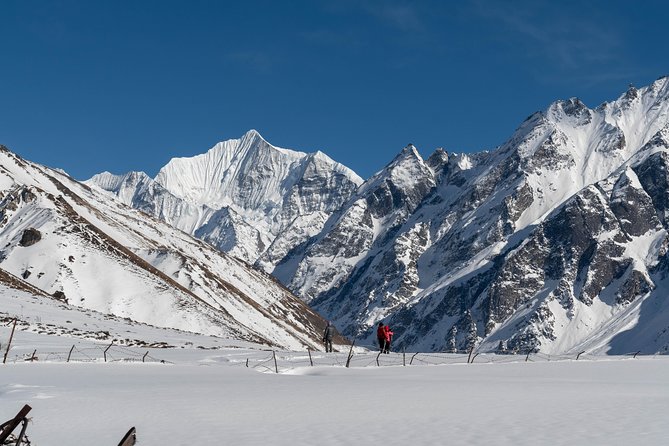
- Tserko Ri + Kyanjin Ri: two viewpoint pushes that feel like a reward for the week’s steady effort
- Kyanjin Gompa: a spiritual stop that’s as much about atmosphere as photos
- Tamang culture: daily encounters that make the valley feel lived-in, not staged
- Wildlife chances: Langtang National Park is home to animals like red panda and Himalayan tahr
- Support beyond the trek: your trip contributes to post-2015 earthquake recovery and cultural heritage work
- Private group experience: only your group participates, so pacing and needs are easier to manage
First morning in Kathmandu: 6:15am start to Syabrubesi
You start early, with a pickup option and a clear departure time of 6:15am from Sorhakhutte, Kathmandu (and yes, that means an early wake-up). Then you’ll drive out toward Syabrubesi, the jump-off point for the trek. This day is less about “hero moments” and more about setting your legs up and getting your bearings fast—especially if you’re new to Nepal trekking.
I like how the logistics are kept simple on Day 1: you get from the city to the trail start without turning it into a scavenger hunt. There’s also a mobile ticket involved, which cuts down on fuss once you’re already stressed and excited.
Possible drawback: road travel in Nepal can be bumpy, and you’ll still be walking soon after. If you’re sensitive to motion or back discomfort, plan for it and pack accordingly (I’d rather be slightly overdressed on the drive than miserable later).
You can also read our reviews of more tours and experiences in Kathmandu.
Days 2–3: Syabrubesi to Lama Hotel, then into Langtang Village
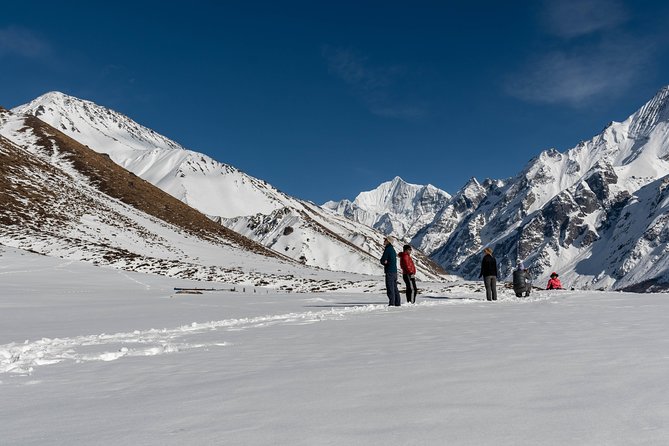
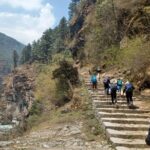
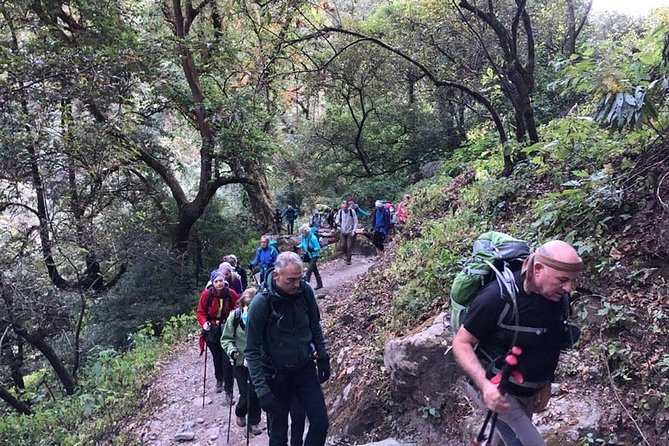
Day 2 takes you from Syabrubesi to Lama Hotel, and it’s the classic Langtang “get your rhythm” phase. Expect a mix of forested stretches and river-valley walking as the scenery shifts with altitude. These are the days where trekking time starts to feel natural: one steady pace, a few regular breaks, and more chances to notice small details like how locals use the trail for daily life.
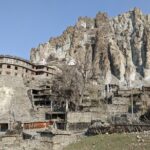
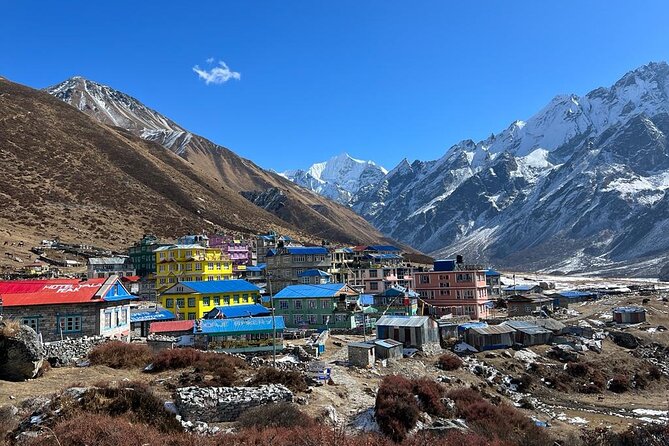
Day 3 continues from Lama Hotel to Langtang Village, going deeper into the valley. This is where you start feeling the character of the place. The Tamang communities in this region aren’t just background scenery—they’re part of the rhythm of tea house conversations, the cadence of daily chores, and the way traditions show up around monasteries and community life.
One practical note: these middle trekking days are where your food and hydration habits matter most. You’ll burn energy, and tea houses can be welcoming—but you’ll still want to keep water intake steady (bottled water isn’t included, so plan for that).
Day 4: Kyanjin Gompa and the spiritual side of the trek
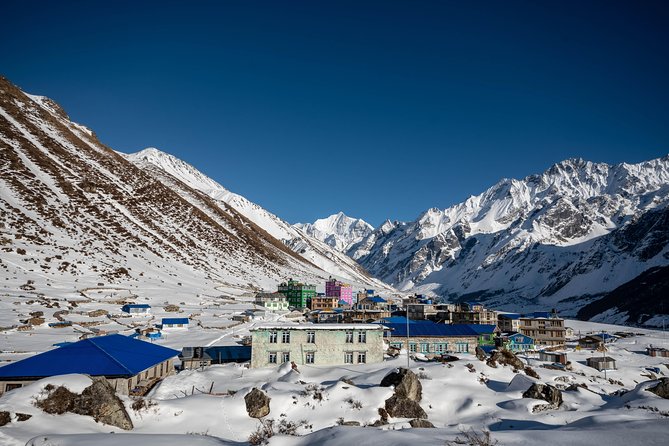
On Day 4, you move from Langtang Village to Kyanjin Gompa. This is often the day people remember—not only for the views, but for the shift in atmosphere. The route is dotted with spiritual sites, monasteries, and gompas, and Kyanjin Gompa is the kind of place where you feel the mountains and faith in the same frame.
If you like trekking that has meaning beyond altitude gains, this is a strong fit. You’re not just hiking through scenery; you’re walking through a living cultural landscape (and yes, I mean that literally). Tamang hospitality also tends to show up in small, human ways: how you’re received, how meals are served, and the way guides help you understand what you’re seeing.
Possible drawback: spiritual stops mean you may slow down a touch. If you’re chasing “only distance,” you might find yourself spending a little extra time pausing. For me, that’s the point—this part of the journey keeps it from feeling like an endurance event.
Day 5: Tserko Ri and Kyanjin Ri—your big view payoff
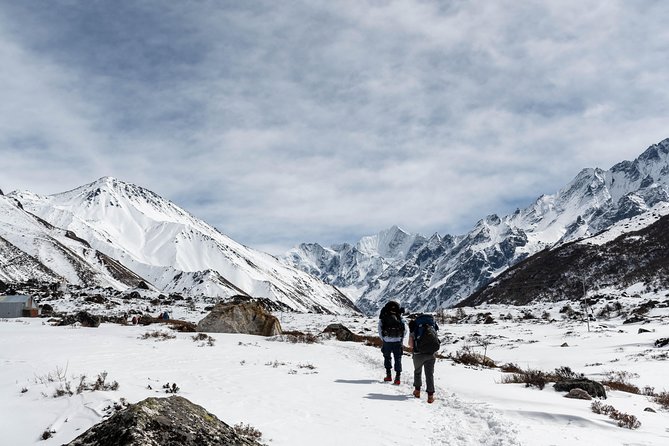
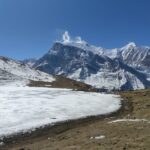
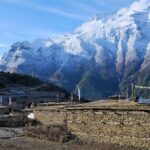
Day 5 is the payoff day. You’ll hike up toward Tserko Ri and Kyanjin Ri for wide views of the Langtang Himal. The route is built for that moment when you step out at the right angle and realize why people keep coming back to this valley.
From a practical standpoint, viewpoint days are about pacing and energy management. You’ll want to start early-ish within the day, move steadily, and save enough “mental battery” to enjoy it once you’re there. If you go too fast at the beginning, you’ll spend the final part of the hike fighting your own lungs instead of looking around.
You’ll also get a sense of how the trek ties together. Earlier days are about settling in. This day connects everything: the valley you walked through, the villages you passed, and the higher terrain you’ve been working toward.
Days 6–8: the return to Syabrubesi and the Kathmandu wrap-up
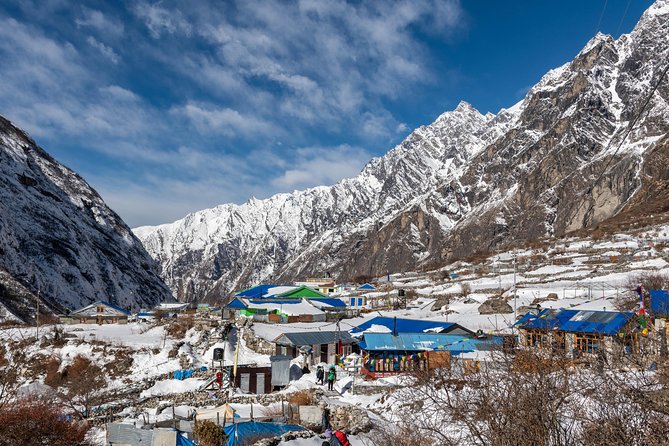
After the viewpoint day, the itinerary turns back toward Lama Hotel (Day 6) and then down to Syabrubesi (Day 7). The return trek can feel both easier and harder: easier because you know the valley already, harder because you still have to move on tired legs.
Day 7 ends with a full descent back to Syabrubesi, which sets you up for Day 8. Then you’ll take the drive back to Kathmandu, finishing at the meeting point. This last stretch matters more than people think. A good operator helps keep the experience from turning into chaos at the finish line, so you can actually enjoy the end—not just survive it.
One small truth: walking back through familiar bends and teahouses can make you nostalgic fast. By Day 7, you’re not only tired—you’re also aware that the trek is slipping away.
Teahouses, food, and what you’ll actually spend money on
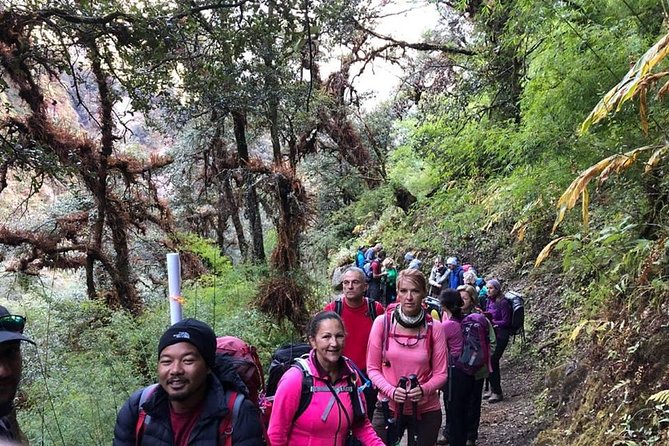
The Langtang Valley trek runs on teahouses, and the vibe is usually simple: warm meals, basic rooms, and a common space where people compare notes about weather and sightings. In the better-run treks, you get clean, cozy places to rest, and guides who explain what you’re looking at—wildlife, vegetation, and local life.
Food highlights tend to include local favorites like yak cheese, sea buckthorn juice, and Tibetan bread. These aren’t just tasty; they’re a way of tasting the region. If you’re the type who likes to eat your way through a place, you’ll probably enjoy Langtang more than you expect.
For budgeting: the tour includes breakfast, plus one lunch and one dinner during the trek. Bottled water, snacks, coffee/tea, soda/pop, and alcohol are not included, so you’ll buy those along the way. I’d treat snacks as part of your plan, not an afterthought. Even when tea houses are welcoming, you’ll move differently if you can top up energy between meals.
Pack for cold nights and early mornings, and don’t assume you’ll always want the same drink option. The menu can be limited at higher points, and weather can affect how much time you spend indoors.
Price and value: what $1,050 buys you (and who will love it)
At $1,050 per person, this trek is priced in the “organized Nepal adventure” category—not backpacker-budget, not luxury-only. So the real question is value: what do you get beyond walking in mountains?
You get a private setup (only your group participates), a driver component from Kathmandu to Syabrubesi and back, and guides who help the day make sense. The guide care is a recurring theme in strong experiences here: people talk about guides taking care from breakfast through dinner, and pointing out things on the trail—from wildlife possibilities to cultural details.
You may see guides named like Dhruba, Nima, Lhakpa, Timbi Sherpa, Dorje Sherpa, Rinji Sherpa, Hira, Jiwan, Anish, Gopi, and others in the booking ecosystem. What matters isn’t the name on paper—it’s the result: calm guidance, solid planning, and someone helping you connect dots you’d otherwise miss.
Then there’s the part that most people forget to value: the tour includes support for post-2015 earthquake recovery, helping community resilience and preservation of cultural heritage. Even if you don’t see a big “tourism souvenir” side to that, it’s meaningful. You’re paying for a trek, but you’re also paying to keep communities and traditions moving forward after a major disruption.
Who should book? If you want:
- a structured, day-by-day trek without fighting logistics,
- Tamang culture plus spiritual stops (not only viewpoints),
- and a realistic chance at wildlife sightings in Langtang National Park,
…then this is a strong match. If you’re chasing a fast, minimalist hike with zero cultural pauses, you might feel the pacing is a bit too human.
Should you book this Langtang Valley Trek?
I think you should book it if you want a trekking week that feels grounded: steady walking, clear organization, and moments that go beyond photos—like Kyanjin Gompa and the viewpoint day up to Tserko Ri and Kyanjin Ri. It also works well if you appreciate food and local traditions, because Langtang has flavors worth looking forward to.
Don’t book it if you’re unprepared for daily walking and cold-season variability. The trek requires good weather, and conditions can change plans. Also, because bottled water and snacks aren’t included, your comfort depends on how you manage small purchases along the way.
If you’re the kind of traveler who likes your mountain days paired with culture and a good guide, Langtang Valley is a very good idea.
FAQ
Where is the meeting point for this trek?
The meeting point is Sorhakhutte, Kathmandu 44600, Nepal, and the experience ends back at the same meeting point.
What time does the trek start?
The start time is 6:15am.
How long is the Langtang Valley Trek?
It’s an 8-day trek (approx.).
What meals are included?
Breakfast is included, and during the trek you get 1 lunch and 1 dinner included. Snacks and other drinks aren’t included.
What is not included in the price?
Bottled water, snacks, coffee/tea, soda/pop, and alcoholic beverages are not included.
Is this a private tour?
Yes. It’s listed as a private tour/activity, so only your group participates.