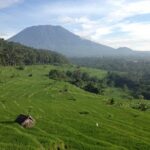
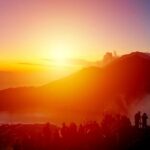
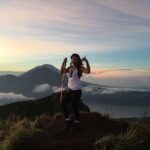
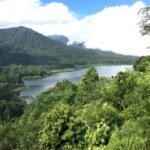
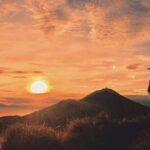
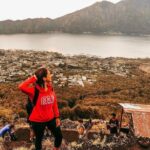
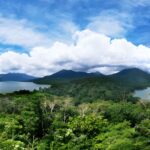
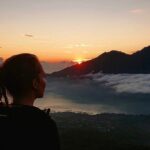
Mount Batur at sunset hits different than the early-morning rush. You get a calmer climb, big views across Bali from the summit, and a guided descent with flashlights when the light fades. My favorite part is the late-day timing and the fact that the tour keeps things small, usually a handful of hikers.
I also like that you’re not doing this with zero support: a certified English-speaking guide/driver handles transfers, and you get snacks plus bottled water. One thing to consider: this is not a gentle stroll. The hike can be steep and slippery in spots, and the summit sunset depends on weather.
In This Review
- Key Things That Make This Sunset Trek Worth It
- Why Sunset on Mount Batur Works So Well
- Getting to the Trail: Pickup, Transfers, and the Kintamani Ticket
- The Trek in Real Life: Steep Sections, 5–6 Hours on Foot, Headlamps for Night
- What the climb feels like
- Descending in the dark (and why it’s handled well)
- At the Summit: Views Over Bali, Volcano Steam, and Photo Time
- Snacks, Water, and Small Extras That Add Comfort
- The Guide and Driver Experience: What Strong Local Support Changes
- Difficulty Reality Check: For Who It’s Great, and Who Should Think Twice
- You’ll probably love it if:
- You might want to reconsider if:
- Price and Value: Is $39 a Good Deal?
- Weather: When the Sunset Doesn’t Come Through
- Final Verdict: Should You Book This Sunset Trek?
- FAQ
- How long is the Mount Batur sunset trekking experience?
- Is hotel pickup included?
- Is the entry ticket included?
- What equipment do I get for the hike?
- Do I need to be very fit?
- What’s included in terms of food and drinks?
- What happens if weather ruins the sunset?
Key Things That Make This Sunset Trek Worth It
- Tiny group size for easier pacing and more personal attention
- Hotel pickup round-trip from Bali areas (coverage depends on your package)
- Flashlights + trekking poles to make the dark descent safer and less stressful
- Snacks and bottled water included, so you’re not hunting food mid-adventure
- English-speaking guide/driver for clear directions and local insight
- Steam and volcanic details at the top can add a unique feel (and yes, it can be warm)
Why Sunset on Mount Batur Works So Well
If you’re choosing between sunrise and sunset, the biggest practical advantage is simple: you can start later and avoid the early crowds. Sunrise treks around Mount Batur tend to pull you out before your body is ready. A sunset trek flips the schedule so you get to sleep in, enjoy Bali at a more human pace, then still climb during daylight.
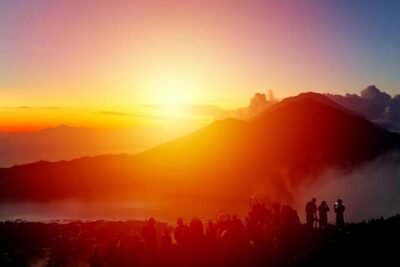
The second reason sunset makes sense is visibility and timing. On clear evenings, you trade the harsh early light for a softer glow over the island. From the summit, you’re looking out over Bali during the golden-hour shift, which is exactly when the views feel most dramatic.
That said, sunset hikes carry one reality check: the sky can be cloudy. When that happens, you may still get the hike and the summit experience, but the sunset show can fade. The good news is the tour is built around the hike itself, not just a guaranteed sunset photo.
You can also read our reviews of more tours and experiences in Seminyak.
Getting to the Trail: Pickup, Transfers, and the Kintamani Ticket
This is not a DIY hike. You get round-trip hotel transfer, and the tour includes admission tickets tied to Kintamani and Mount Batur. That matters because it saves you from coordinating transport to the trailhead, plus you don’t have to figure out entry paperwork on the go.
From Bali, you’re looking at a multi-hour drive (people often describe it as around a few hours depending on where you stay). Along the way, the tour often stops where the route makes sense for a break. One recurring stop you might encounter is a coffee plantation visit on the way to the mountain. If you care about local flavors, it’s a nice bonus because it adds a cultural pause without derailing the whole plan.
Practical tip: when they pick you up, keep your water and snacks plan in mind. You’re going to be active for most of the day, and you’ll feel better if you don’t arrive at the trailhead already hungry.
The Trek in Real Life: Steep Sections, 5–6 Hours on Foot, Headlamps for Night
This is best for moderately fit hikers who can handle a long walk—think 5 to 6 hours of walking through mixed terrain. The trek is described as moderately fit in the tour details, but multiple accounts point to real steepness. In other words: expect effort.
What the climb feels like
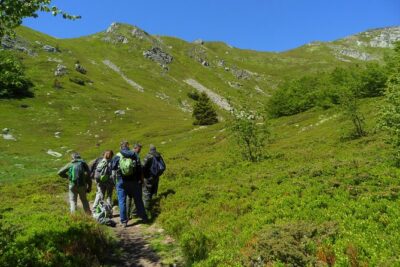
You’ll likely get an uphill push that can feel like a workout more than a casual hike. Some sections are steep enough that hikers call out moments that feel close to rock scrambling. Loose shale and slippery footing show up in descriptions, especially on the way up.
That’s why the tour includes trekking poles. Poles aren’t about making it easy—they’re about making your footing safer when the ground shifts under you.
Descending in the dark (and why it’s handled well)
One of the smartest parts of this sunset format is the way the tour prepares you for the end of the day. The hike descends when the light is fading, and the tour provides flashlights/headlamps and trekking support. That matters because going downhill is usually where tired knees and slippery steps turn into mistakes.
If you’ve ever finished a hike and immediately felt “surprise, it’s dark now,” you’ll appreciate that this tour plans for it. You still need to be careful, but you’re not walking blind.
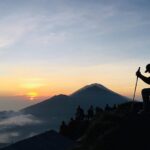
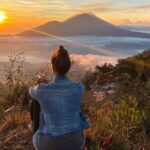
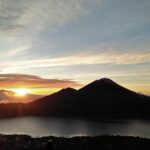
At the Summit: Views Over Bali, Volcano Steam, and Photo Time
The main event is time on Mount Batur’s summit to watch the sun drop. Your schedule is structured so you reach the top with enough breathing room to enjoy it, take photos, and soak in the island view.
A few summit details are worth knowing because they shape the experience beyond just scenery:
- You may see or feel volcanic steam in certain areas. People describe it as warm—almost like a natural sauna in spots.
- The summit vibe can feel peaceful compared to sunrise crowds. Accounts mention fewer hikers at the top in the afternoon than you’d typically see earlier in the day.
- You might get time to hang out, not just rush up for a photo and rush down again.
This is also a good moment to slow down and trust your guide. If the route or footing shifts, the guide’s job is keeping your group moving safely and at a pace that works.
Snacks, Water, and Small Extras That Add Comfort
Included in the tour are snacks and a bottled water. That seems small until you’re halfway up the mountain thinking, Wow, I’m glad I didn’t skip breakfast. Having food and water taken care of means you can focus on the climb instead of improvising.
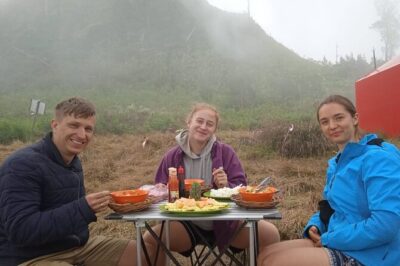
Some groups also mention simple summit treats—like a fried banana sandwich—plus extra fruit and drinking water while they take in the views. Not every departure may add the same flavor of snack, but the point is consistent: you’re fed enough to make the hike feel more comfortable and less “survive and move.”
If you’re sensitive to cold evenings or long gaps between meals, consider this your cue to eat before the pickup and plan for the hike’s energy rhythm. The tour provides some fuel, but it’s not a full meal replacement plan.
The Guide and Driver Experience: What Strong Local Support Changes
A lot of Mount Batur experiences live or die based on the guide. This tour includes a certified English-speaking guide/driver, and that’s not just for communication—it affects pacing, safety, and how smooth the day feels.
In accounts, you see patterns: guides who keep morale up when the climb gets steep, drivers who get you to the trailhead promptly, and leaders who help you navigate slippery steps. You also see guides helping with hands-on support for hikers who struggle on the descent. If you want your trip to feel controlled and not chaotic, this kind of small-group guidance matters.
Common names linked to top-rated experiences include guides like Aji, Nik, Kaden, Yus, Nic, Alex, Dante, Jonny, and Raka, and drivers such as Agus, Sari, Manda, Ketut, Rudi, Nyoman, Konami raja, and Mangku sarwa. The takeaway isn’t the names—it’s that real local professionals run the show.
Also, some groups mention that music or morale-boosting touches can make the hike feel less punishing. That’s small, but it’s memorable when your legs are burning.
Difficulty Reality Check: For Who It’s Great, and Who Should Think Twice
Let’s talk straight about fit, since that’s what keeps most people happy—or disappointed.
You’ll probably love it if:
- You can walk for 5–6 hours comfortably.
- You’re okay with steep uphill sections and slippery footing.
- You want a sunset payoff without waking at 2–4 a.m.
- You like the idea of a guided group that stays small.
You might want to reconsider if:
- You’re uncomfortable with long, steep climbs.
- You hate descending in the dark, even with headlamps.
- You’re expecting an easy nature walk with mostly flat trails.
One smart idea mentioned in experiences: if you’re worried about the downhill fatigue, there can be options to shorten the route with help (some mention motorbike service). That isn’t guaranteed in the tour details you have here, so treat it as something to ask about rather than a certainty.
Price and Value: Is $39 a Good Deal?
At $39 per person, this isn’t an expensive “luxury activity.” But it’s also not a bare-bones hike. For that price, you’re getting:
- Round-trip hotel transfer (a real cost driver in Bali)
- Entry tickets for Kintamani and Mount Batur
- A certified English-speaking guide/driver
- Snacks and bottled water
- Trekking poles and flashlights
When you add those pieces up, you’re paying for logistics as much as you’re paying for the hike. And that’s why the value works for many people: you don’t have to organize transport, tickets, and equipment.
One more factor: the group is capped very small (your info shows max 10 in one place and max 5 travelers in another). Either way, it’s clearly designed for a smaller group than typical big-bus excursions. Small groups often mean better pacing and less waiting around.
Weather: When the Sunset Doesn’t Come Through
Mount Batur sunrise and sunset both depend on weather. If clouds roll in, the sunset show may not happen as planned. The key point is that the operator handles weather risk by offering a different date or a full refund.
So you’re not buying a guaranteed Instagram moment. You’re booking a guided hike to a famous viewpoint—and the company is set up to deal with conditions. If you’re flexible, this makes the experience easier to trust.
Final Verdict: Should You Book This Sunset Trek?
Book it if you want the Mount Batur payoff without the early wake-up and you’re comfortable with a steep, sometimes slippery hike. I think the small-group feel, the included flashlights/poles, and the hotel pickup make it a strong choice for first-timers who want structure and safety.
Skip it (or switch plans) if you’re looking for an easy walk, you’re afraid of going downhill in the dark, or you know you struggle with steep terrain. Also, if sunset is the only reason you’re going, be aware clouds can happen—though you still get the summit and the volcanic experience if weather cooperates.
FAQ
How long is the Mount Batur sunset trekking experience?
The duration is about 7 to 8 hours.
Is hotel pickup included?
Yes. The tour includes round-trip hotel transfer, with coverage depending on the package you select.
Is the entry ticket included?
Yes. Admission tickets for Kintamani and Mount Batur are included.
What equipment do I get for the hike?
You’ll receive trekking equipment including a flashlight and trekking pole.
Do I need to be very fit?
You should have moderate physical fitness. The trek is best for moderately fit travelers who can walk for about 5–6 hours.
What’s included in terms of food and drinks?
The tour includes snacks and a bottled water.
What happens if weather ruins the sunset?
This experience requires good weather. If it’s canceled due to poor weather, you’ll be offered a different date or a full refund.