REVIEW · SEMINYAK
Tenganan Village Rice Field Trekking Tour
Book on Viator →Operated by Tour Bali Driver · Bookable on Viator
Rice terraces and village paths make this day feel different. This Tenganan rice field trek turns a simple outing into a close-up look at how people farm, live, and share space around Mount Agung. You also get time to cool down at Virgin Beach after the walk.
What I like most is the mix of hands-on scenery and real local details. The route includes rice terraces, a natural bamboo bridge, and a stop to understand subak water-management, plus a rest with local palm wine. I also appreciate the people behind it: guides like Arya are known for clear English and strong explanations about Hinduism and Bali.
One thing to consider: it’s a moderate hike with about 4 hours on foot, so you’ll want proper shoes and pants. And since lunch isn’t included, plan for an extra meal if you get hungry after the beach time.
In This Review
- Key highlights that make this trek worth it
- Rice terraces to Tenganan: what this East Bali trek really feels like
- Getting picked up from Candidasa or South Bali without losing time
- Kastala Village start: rice terraces, bamboo bridge, and subak lessons
- Mount Agung area viewpoints and the palm wine rest
- Tenganan Village time: meeting a traditional community
- Virgin Beach swim: the best reset after 4 hours on foot
- Price and value: what you’re paying for at about $41
- Guides matter: Arya, Toto, Kota, and why English explanations help
- What to bring and how to pace yourself
- Should you book this trek? A practical decision guide
- FAQ
- How long is the Tenganan Village Rice Field Trekking Tour?
- Where does the trek start and where does it end?
- Is hotel pickup included?
- What’s included in the tour package?
- Is lunch included?
- How fit do I need to be to do the hike?
- How many people are in the group?
- What happens if the weather is bad?
Key highlights that make this trek worth it

- Kastala-to-Tenganan walking route through East Bali’s stepped rice terraces
- Bamboo bridge crossing and a visit connected to the Mount Agung area
- Subak system education on how water is managed for irrigation
- Small group size (max 10), which usually means a calmer, more personal pace
- Virgin Beach swim time to reset your energy after hiking
- Transport + guide support included, including bottled water and a cool towel
Rice terraces to Tenganan: what this East Bali trek really feels like
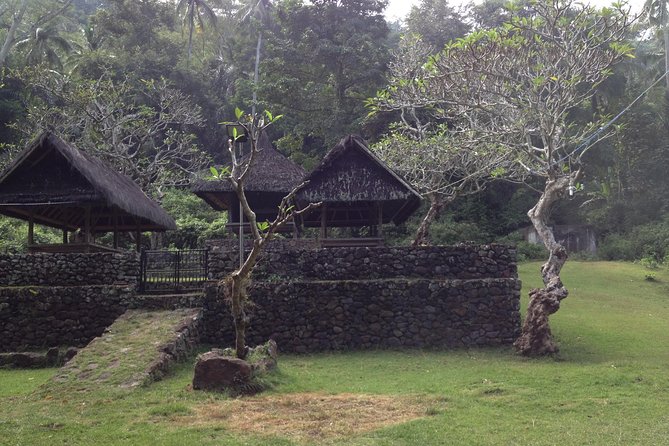
This is the kind of day tour that stays out of your way. You’re not just being driven from “spot to spot.” You walk through active farm country, where the terraces shape the route and the work behind them shapes the views.
The key is that the trek isn’t random. It’s built around moving from Kastala Village toward Tenganan Village, a traditional community in Karangasem Regency. Along the way, you get short pauses and interpretive moments so the scenery comes with context, not just photos.
The pace generally feels manageable for people with moderate fitness. In the dry season, the walk is often less punishing than you’d expect, and the route has rest points rather than nonstop effort.
You can also read our reviews of more tours and experiences in Seminyak.
Getting picked up from Candidasa or South Bali without losing time
The day runs on a simple rhythm: pickup, drive to the start, trek, then return you to your hotel area. You’ll start in an air-conditioned car from Candidasa or South Bali hotels, and that matters because East Bali roads can eat time if you’re doing it on your own.
Another practical win is that this tour keeps the “thinking” part low. You get a driver/guide, bottled water, and even a fresh cool towel. That’s useful in Bali’s heat, especially if you’re hiking for hours and then adding a beach stop.
Group size is capped at 10 travelers. Smaller groups usually make it easier for the guide to adjust pacing, answer questions, and manage the time you’ll have at Virgin Beach.
Kastala Village start: rice terraces, bamboo bridge, and subak lessons
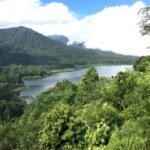
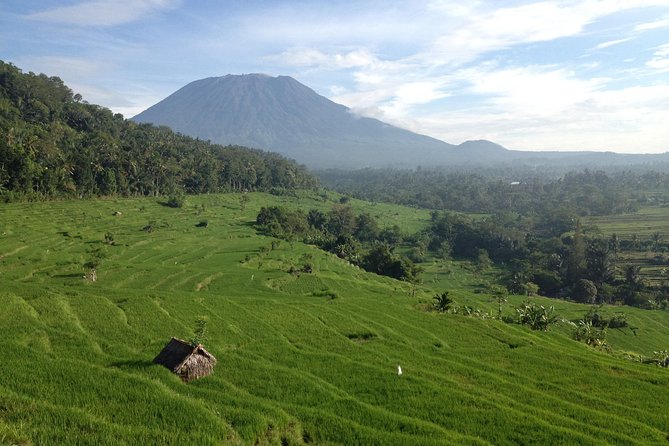
The trekking portion begins at Kastala Village, and the real payoff starts quickly. You move through terraced rice fields where every step seems to lead to another level of view, not just a long flat path.
One of the standout moments is crossing a natural bamboo bridge. It’s not just a photo stop; it’s a clear change in the terrain that helps you feel like you’re part of the landscape, not watching it from a distance.
The tour also includes a stop connected to how farming works here, including the subak system. In plain terms, it’s about water management—how irrigation is coordinated so rice can grow. That’s the kind of detail that makes your photos mean more, because you understand why the terraces and channels look the way they do.
If you care about Hinduism and local life, pick your guide time wisely. Some guides (like Arya, for example) are especially good at English explanations, including context around Bali’s religious practices.
Mount Agung area viewpoints and the palm wine rest
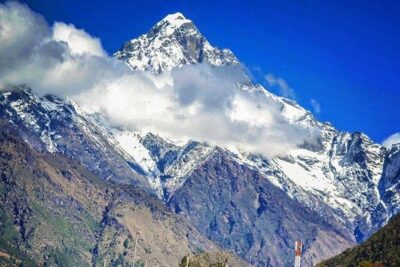
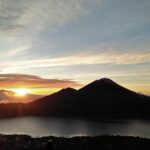
As you hike, you’ll reach points tied to the Mount Agung area, including a visit at the bottom of the volcano. You don’t need to be a geology person to appreciate it. Seeing the volcano in the background while you’re walking through farm terraces gives you scale—and it helps explain why agriculture here is so tied to water and weather.
You also get a rest stop along the way, and there’s a chance to sip local palm wine. That’s a small inclusion, but it’s the kind of pause that turns the trek into a cultural experience rather than just exercise.
Here’s the practical side of that rest: it gives you a mental reset. With a hike plus a beach at the end, you’ll want your energy for both, and those breaks help.
Tenganan Village time: meeting a traditional community
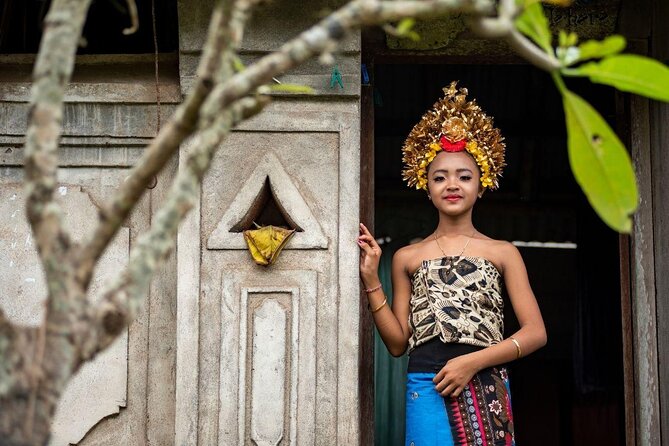
When you arrive, you don’t just get “arrived at.” You get a transition period: water and a cool towel, then time to walk around Tenganan Village. This is one of the older traditional villages in the area, so the feel tends to be different from modern tourist zones.
This is also where a guide can make a big difference. Some guides are great at pointing out vegetation and small details along the way rather than rushing past them. One guide highlighted in past experiences, Kota, is praised specifically for stopping to show what’s around you in a safe, thoughtful way.
If you like asking questions, this is the moment to do it. Use the village time to understand daily life, not just capture it. Even brief explanations can help you notice patterns—how people use space, how paths connect homes, and how the village’s setting fits the surrounding agriculture.
You should also keep in mind that traditional visits sometimes involve community donations. In at least some cases, a donation is requested at the start and end of the walk. Bring small cash just in case, so you’re not scrambling mid-day.
Virgin Beach swim: the best reset after 4 hours on foot
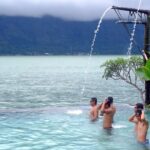
After the hike, the itinerary shifts gears. You’ll head toward Virgin Beach, where you get free time to swim or relax on the sand.
This beach break is more than a perk. It’s a smart way to balance the day. Hiking can tighten up your legs and turn everything into effort, but water time changes the mood fast. Plus, it gives you a chance to cool down before the drive back.
You’ll likely want to use this time actively if you can. Swim, walk, stretch, and give your body a chance to recover. You don’t need to do anything fancy, just enjoy the contrast: terrace views in the morning, open beach views in the afternoon.
One more practical tip: since this is a full day, plan your timing for sun. If you burn easily, you’ll be happier if you protect your skin and pace your swim.
Price and value: what you’re paying for at about $41
At around $41.03 per person, this tour is priced like a “day adventure” rather than a luxury private outing. The good news is what’s included: hotel pickup and drop-off, bottled water, a driver/guide plus a local guide, entrance fees and government taxes, and that cool towel.
What that means for you is fewer surprise costs tied to access. You’re not paying separately for entry fees on the day.
The main thing not included is lunch. That’s the one gap in the package. If you don’t want to think about food later, you might want to eat before the pickup window or plan where you’ll grab lunch after. Also remember the possibility of a donation being requested during the trek in some cases.
When value works best is when you compare time saved. If you tried to arrange transport and a guided trek on your own, you’d likely spend more on the logistics alone. Here, the structure is doing the heavy lifting.
Guides matter: Arya, Toto, Kota, and why English explanations help
This is one of those tours where the guide can genuinely shape the day. Past experiences highlight guides like Arya and Toto for clear communication and for weaving local beliefs and farming practices together.
Arya is specifically praised for being a very safe driver and for giving interesting explanations about Hinduism and Bali. Toto is noted for making the trip a mix of farming culture, nature, and viewpoints, and for keeping the walk in a manageable zone for the season.
Kota gets strong mentions for stopping to show vegetation along the way and doing it safely. If you’re the type who likes learning from what you’re walking past, that style is ideal.
If you have a chance to request a guide in advance, and you care about explanations, Kota is a name worth remembering from feedback. Even if you don’t get the exact guide, the pattern is clear: the best days tend to happen when the guide takes time, not when they rush you through.
What to bring and how to pace yourself
The tour specifically recommends comfortable hiking shoes and pants. Do that, and you’ll prevent a lot of day-ending discomfort. Even in “reasonable” trek days, the ground underfoot can be uneven, and terraces often mean changes in footing.
Bring a camera. You’ll have plenty of chances for photos—bamboo bridge moments, terrace views, and the Mount Agung area setting. If you plan to swim at Virgin Beach, you’ll also want something sensible to change into and dry off with.
For pacing, trust the structure. There are rest stops and you’re given walking support like a walking stick and water. Use that support and don’t force speed—your enjoyment will track with your pace.
And if you’re traveling with kids, keep expectations realistic. One family itinerary included children around 3.5 and 6.5 years old, and they described the walk as reasonably hard. That suggests it can be doable, but it won’t feel like a gentle stroll.
Should you book this trek? A practical decision guide
Book it if you want a day that’s active but not chaotic. This tour hits a sweet spot: 4 hours of guided walking, cultural context around farming (including subak), and a beach reset at Virgin Beach. It’s also good if you want hotel pickup without dealing with transportation planning.
Skip it if you don’t want moderate physical effort. The hike is part of the point, and if your legs or knees aren’t happy with hours on foot, you may end the day tired rather than satisfied.
Also consider whether lunch planning matters to you. Lunch isn’t included, so if you want everything handled, you’ll need a simple plan for food.
Finally, if you care about explanations, look for a guide style that matches you. If you’ve got questions about Bali life, Hinduism, or the plants around the route, guides like Arya, Toto, or Kota have a track record for turning the day into something more meaningful than a checklist.
FAQ
How long is the Tenganan Village Rice Field Trekking Tour?
The duration is about 8 hours total, including transportation and the trek.
Where does the trek start and where does it end?
The hike starts from Kastala Village and continues toward Tenganan Village.
Is hotel pickup included?
Yes. Round-trip transport is available from Candidasa or South Bali hotels, with hotel pickup and drop-off included.
What’s included in the tour package?
Included items are driver/guide and local guide, bottled water, fresh cool towel, all government tax, and hotel pickup and drop-off.
Is lunch included?
No. Lunch is not included.
How fit do I need to be to do the hike?
This tour is geared for travelers with moderate physical fitness.
How many people are in the group?
This experience has a maximum of 10 travelers.
What happens if the weather is bad?
The experience requires good weather. If it’s canceled due to poor weather, you’ll be offered a different date or a full refund.
If you want, tell me your hotel area (Candidasa, Seminyak, or somewhere else) and your hiking comfort level, and I’ll help you judge whether this timing and pace fits your trip.