REVIEW · SA PA
Sapa: Ta Phin Village Trek with Lunch and Bathing Experience
Book on GetYourGuide →Operated by HELEN · Bookable on GetYourGuide
A Sapa day where your legs earn the soak. This Ta Phin village trek mixes rice terraces, Hmong and Dao traditions, and a traditional herbal bath after a real walk. I like the small-group feel and the fact that you actually see farm life up close, not just a quick photo stop.
One thing to keep in mind: the day can feel like a long stretch of walking, and the cave stop depends a lot on conditions and how your guide runs it.
In This Review
- Why the Ta Phin trek works (and when it might not)
- Key highlights worth your attention
- 9-hour Sapa trek value: what $28 really covers
- From Hoàng Văn Thụ to cardamom valleys: the walk begins early
- Suoi Ho and farm animal encounters: a quick lesson in daily life
- Rice terraces and the Ma Tra route: scenery plus steady effort
- Lunch in Ma Tra: eating with a Hmong family and a view
- Ta Phin village: Hmong traditions and Red Dao herbal medicine
- Ta Phin Cave: what to expect underground
- Herbal bath experience: the recovery you came for
- Pace, breaks, and the guide’s role (Su and Vang come up)
- Clothing, shoes, and weather: your day will live or die here
- Who should book this trek (and who should skip it)
- The massage discount: a nice bonus if you plan ahead
- Should you book the Sapa Ta Phin village trek with lunch and herbal bath?
- FAQ
- What’s included in the Ta Phin Village trek?
- Is lunch included?
- How long is the tour?
- What language is the guide?
- How many people are in the group?
- Do I need to pay extra for drinks at lunch?
- What time does the tour start?
- Is Ta Phin Cave part of the experience?
- What should I bring?
- Can I cancel and get a full refund?
- Is it suitable for kids or people with mobility issues?
Why the Ta Phin trek works (and when it might not)
I found the best part here is the combo: you get culture stops (Suoi Ho, Ma Tra, Ta Phin village, Ta Phin Cave) and you end with a local remedy bath that makes sense after hiking. Second, the lunch is planned with an outdoor view from a traditional Hmong family restaurant, so you’re eating in the same mountain world you just walked through.
The main drawback is uneven pacing. On some days it can feel like there aren’t enough breaks, and the cave can be dark and a bit slippery. If you’re hoping for lots of seated time and a very structured history lesson, you might need to set your expectations for a more hands-on walking day.
Key highlights worth your attention
- Small group (max 10) keeps the walk more personal and questions easier to answer
- A lunch at a traditional Hmong family restaurant with mountain views, not just a quick meal
- Village time in Ta Phin to see everyday life of Hmong and Dao communities
- Ta Phin Cave visit as a real change of pace from the trails
- Herbal bath experience to soothe your legs with a local remedy after trekking
You can also read our reviews of more tours and experiences in Sa Pa.
9-hour Sapa trek value: what $28 really covers
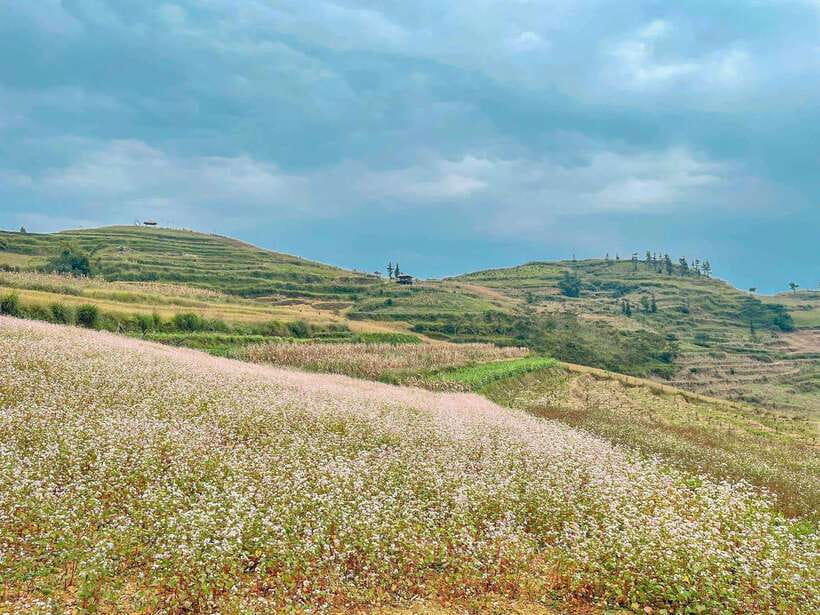
At $28 per person, this is one of those Sapa tours that looks simple until you add up what’s included. You’re getting pickup and drop-off from your accommodation, an English-speaking guide, lunch at a Hmong family restaurant, the Ta Phin Cave entrance, and the herbal bath experience. Drinks at lunch are not included, so budget a little extra if you want water or soda during the meal.
In practice, that package matters because Sapa can be pricey when you add separate transport, cave fees, and guided food. Here, the price feels more like paying for a day out with coordination already handled—especially with a small group.
From Hoàng Văn Thụ to cardamom valleys: the walk begins early
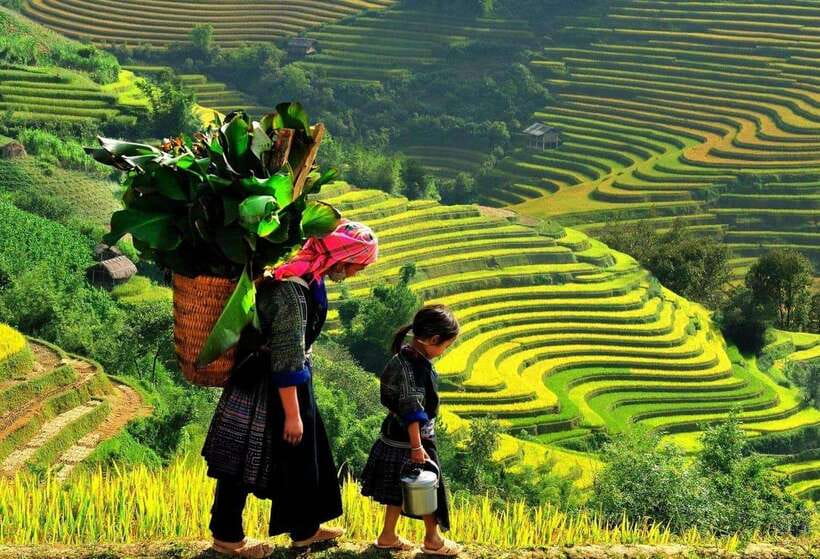
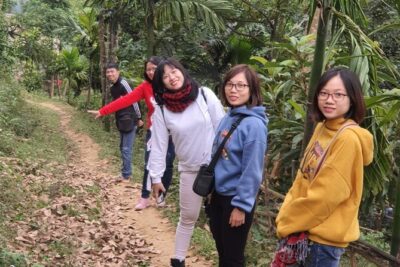
The day starts with pickup around 9:00, and you’re moving from the Hoàng Văn Thụ area to a small trail. Right away, you’ll get a chance to see cardamom trees in the little valleys—one of Sapa’s precious crops—and it’s a nice way to break the ice before you commit to longer walking.
Then you hike down toward Suoi Ho, a small settlement of the Black Hmong minority. Expect older, smaller houses and a focus on farm rhythms rather than staged performances. If you like learning how people live day to day, this first part sets the tone well.
Practical note: that early walking is where you’ll want to have your water ready. The tour guidance also recommends bringing snacks for the trek.
Suoi Ho and farm animal encounters: a quick lesson in daily life
As you walk, you may meet animals used by local people—things like water buffalo, chickens, dogs, and pigs. This isn’t a “zoo stop.” It’s more of a reminder that agriculture isn’t separate from life here. Watching how animals move around homes and fields helps you understand why the terraces and paths matter.
You’ll also notice the tour has clear rules: no feeding animals and no touching plants. That’s good. It keeps the experience respectful and reduces the chances of anyone getting pressured or startled along the trail.
If you’re the type who likes questions, this is a good stretch to ask your guide what’s different between the Hmong and Dao ways of life you’ll see later—because your brain is still in “curious mode” before lunch.
Rice terraces and the Ma Tra route: scenery plus steady effort
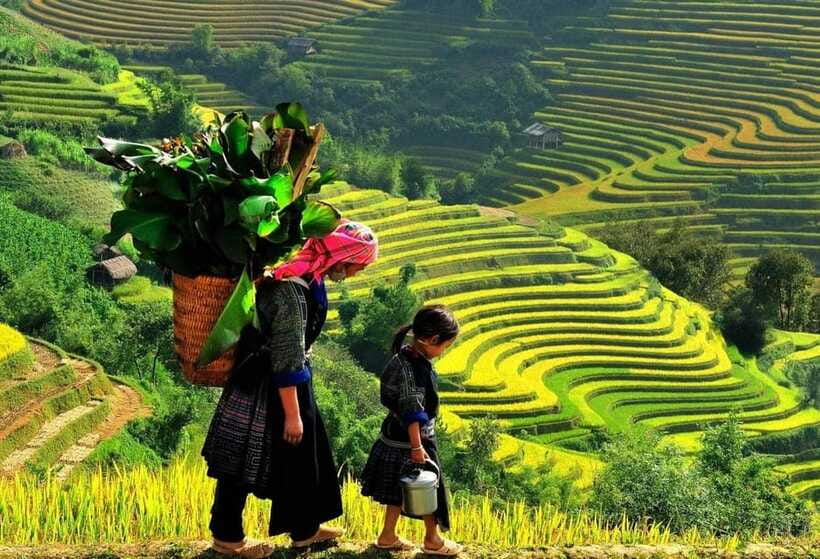
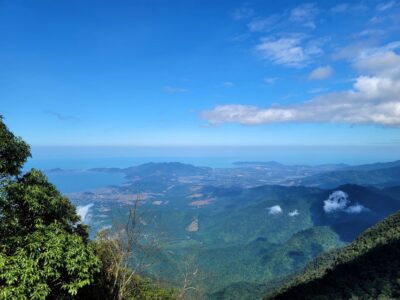
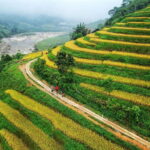
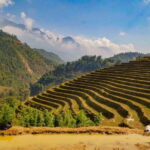
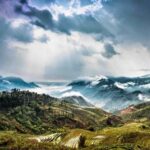
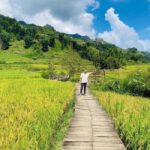
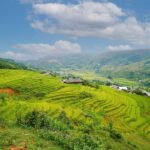
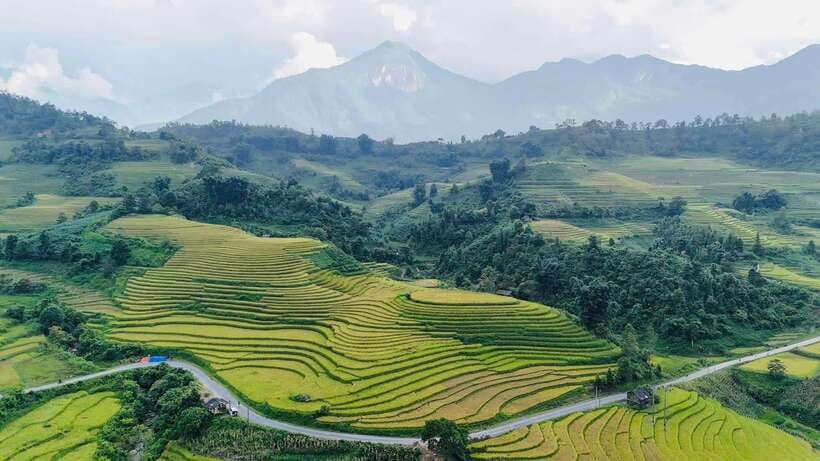
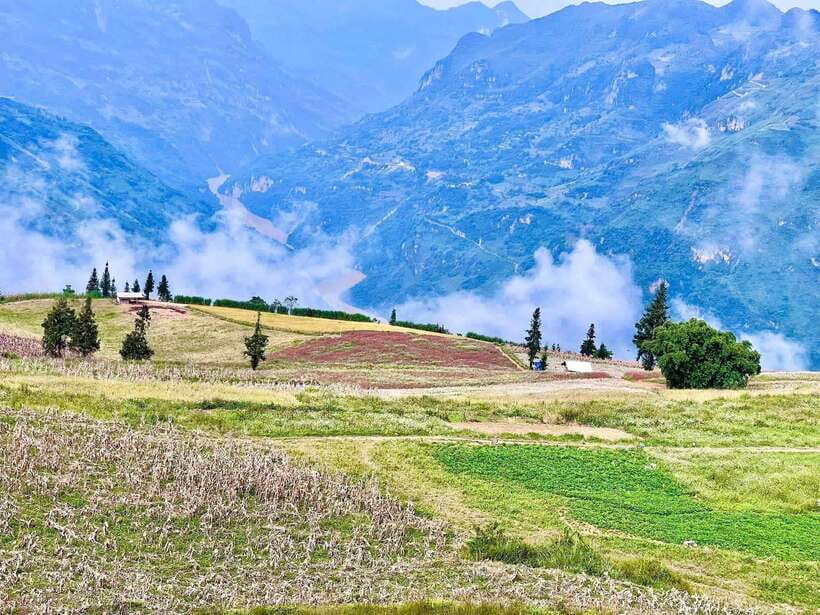
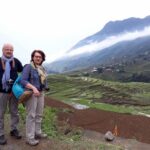
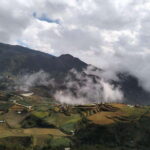
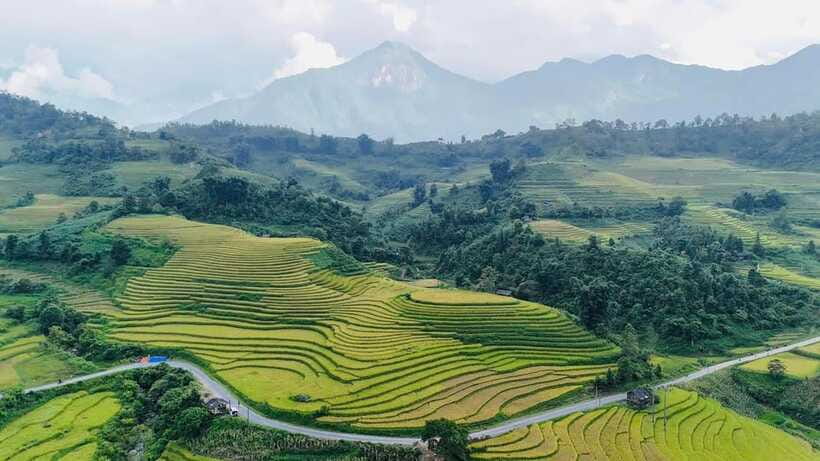
After Suoi Ho, the trek continues on paths and smaller roads, including sections inside rice paddies. You’ll get mountain views and those wide Sapa terraced rows that look like they were drawn by hand.
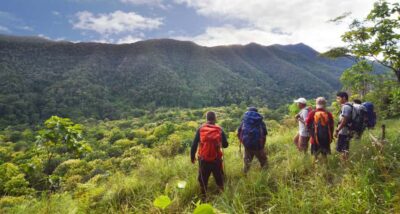
This is also the part of the day where your pace matters most. The trek isn’t described as a short stroll, and the tour info is clear: you’ll be doing a considerable amount of hiking. One guide name that came up in English-speaking tours is Su, and people appreciated that the walking level was manageable—around 15 km total was mentioned in one case—but “manageable” still means don’t plan this like a relaxed sightseeing bus ride.
Wear comfortable, grippy shoes. Even if the trails look normal, conditions can vary with rain and mud.
Lunch in Ma Tra: eating with a Hmong family and a view
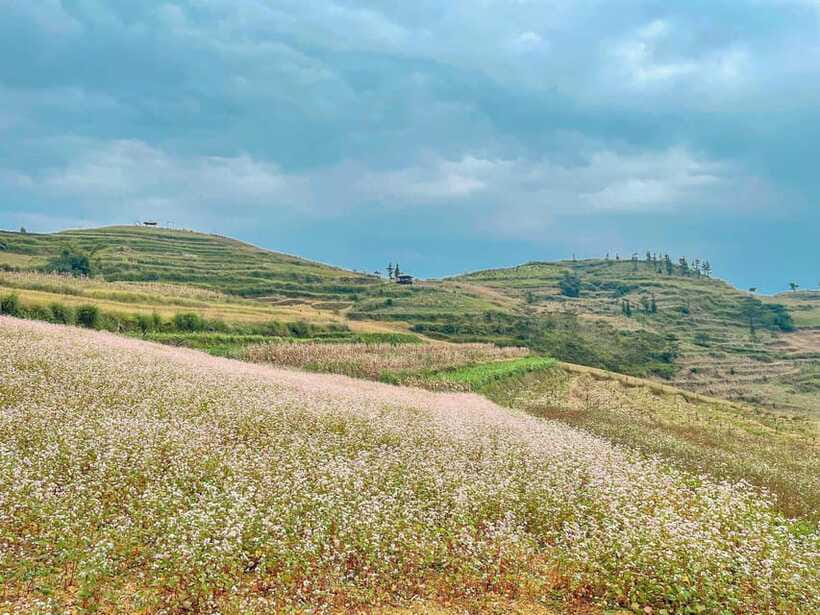
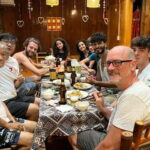
Lunch is a highlight for a reason: it’s hosted at a small restaurant run by a traditional Hmong family in Ma Tra village, and the meal has an outdoor patio with amazing views. This is the kind of lunch where you can actually take your time. You’re not rushed into a 20-minute stop and pushed back onto the trail.
Also, this is where you get a better feel for local hospitality. If you ask questions politely, your guide can help translate what you’re seeing—crops, daily routines, and what it means to live in these mountain communities.
Small planning tip: drinks at lunch aren’t included, so if you tend to get thirsty on hikes, bring water earlier and plan to purchase anything extra you want during the meal.
Ta Phin village: Hmong traditions and Red Dao herbal medicine
After lunch, you head to Ta Phin village, described as a living village where Hmong and Dao ethics are part of everyday life. This isn’t just a quick “look and go.” You’ll visit, get guidance, and have some time for photos and walking around.
Two specific cultural points the tour focuses on are:
- Hmong marriage traditions
- Red Dao herbal medicine, including the use of plants from the land to treat illnesses
That’s not abstract. When you’re already walking through the same hills and terrace systems, the connection between plants, health, and daily survival feels more real. And since you’re also likely to see women making brocade products to sell, the tour gives you a glimpse of the craft economy too, not just the scenic parts.
Respect matters here. The tour rules say no littering, no smoking, and no touching plants. You’ll get the best experience by watching first, photographing carefully, and saving bargaining for when your guide handles the situation.
Ta Phin Cave: what to expect underground
Ta Phin Cave is included, and it goes very deep into the mountains. It’s a good change of pace—different smells, darker air, and surfaces you don’t get on open trails.
Here’s the key caution: there’s at least one downside story linked to cave conditions, where it was described as dark and slippery, and safety felt questionable. So your takeaway should be simple:
- Choose shoes with good traction.
- Move slowly on cave ground.
- If you’re not sure about footing, tell your guide immediately so you can proceed safely.
Also, since the tour includes cave entrance but not any gear like headlamps, rely on the guide’s setup and your own careful steps. If you’re prone to slipping, this stop can be stressful.
Herbal bath experience: the recovery you came for
After the long walk, you’ll head to the bathing place for a traditional herbal bath experience. The day’s effort is real, and this part is designed as the payoff.
In one account, the bath felt comfortable enough that people had the option to bathe in private or shared spaces, and they didn’t feel rushed between checkpoints. That’s what you want from a “finish line” stop: time to actually soak, not a rushed wash-and-go.
On the flip side, there’s also a caution from a less positive experience describing the room as small, damp, and not feeling very clean. Because you’re dealing with a bath area that may vary in cleanliness standards, go in with the expectation that it’s a local setup, not a spa facility.
Practical suggestion: if you’re sensitive to cleanliness, bring a small towel or use whatever basics you’re given carefully, and go with patience. This is about the remedy and the custom, not luxury.
Pace, breaks, and the guide’s role (Su and Vang come up)
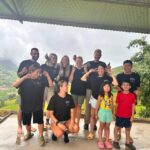
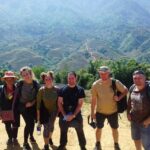
This tour is run by a guide (English), and the group size is capped at 10 participants, which generally makes the day feel smoother. In guides mentioned for this experience, Su and Vang came up as strong examples—friendly, helpful, and good at explaining agriculture, people, and the place.
What you should know about pacing: the itinerary has natural points to pause—cardamom trail, Suoi Ho photo and village area, lunch, Ta Phin village time, cave, then bath. But if your group timing slips or the guide keeps the movement tight, you can end up walking more continuously than you’d like. There are also accounts where the day seemed to end earlier than expected.
So if you’re planning your evening in Sapa, keep some flexibility. This is a full-day trek that can’t be treated like a short afternoon activity.
Clothing, shoes, and weather: your day will live or die here
The tour gives a clear packing list, and I agree with all of it:
- Comfortable shoes (seriously)
- Hat and sunscreen (the trail sun can be strong)
- Camera
- Water
- Insect repellent
Also note: you should be ready for varying weather conditions. In Sapa, that can mean sudden cool air or damp trail surfaces. If the ground is wet, the cave portion can feel tougher—again, grippy shoes help.
Who should book this trek (and who should skip it)
This is best for people who like walking and don’t need a museum-style history lecture. You’ll enjoy it most if you’re curious about Hmong and Dao life, rice terrace farming, and how local remedies work.
It’s specifically not suitable for:
- Children under 6
- Pregnant women
- People with back problems
- People with mobility impairments
- Wheelchair users
If any of those apply, don’t force it. You won’t get the experience you want.
If you’re sensitive to dark, slippery areas, consider whether the cave stop is a good match for you. You don’t want to spend that time fighting your footing.
The massage discount: a nice bonus if you plan ahead
After the trip, there’s a 20% discount on massage at Massage Lits, 01 Hoang Van Thu. That’s a smart add-on because your legs will likely feel it. If you’re staying near that area, it can be a convenient way to turn the day into a full reset instead of hobbling around searching for recovery.
Should you book the Sapa Ta Phin village trek with lunch and herbal bath?
Book it if you want a real Sapa hiking day that includes culture time, a satisfying lunch, and a local herbal bath as recovery. The value at $28 is strong because the price bundles guide time, lunch, cave entrance, and the bath—things that add up if you try to DIY.
Skip or choose carefully if you prefer frequent long breaks, clear step-by-step pacing, or a more controlled “safe and clean like a resort” experience. The cave and bath are the two spots where conditions and setup can make or break comfort.
If you do book, go in with the right mindset: wear solid shoes, bring water and insect repellent, keep your expectations grounded in local customs, and ask your guide questions. When it clicks, it’s exactly the kind of Sapa day that feels like you actually left with a better understanding of how people live here.
FAQ
What’s included in the Ta Phin Village trek?
Pickup and drop-off from your accommodation, a guide, lunch at a traditional Hmong family restaurant, entrance to Ta Phin Cave, and a herbal bath experience are included.
Is lunch included?
Yes. Lunch is included at a small restaurant run by a traditional Hmong family, served with an outdoor patio and views.
How long is the tour?
The total duration is about 9 hours, with transport back to Sapa scheduled around 16:30–17:00.
What language is the guide?
The live tour guide is English.
How many people are in the group?
The group is small, limited to 10 participants.
Do I need to pay extra for drinks at lunch?
Yes. Drinks at lunch are not included.
What time does the tour start?
Pickup starts around 9:00, after which the day’s activities begin.
Is Ta Phin Cave part of the experience?
Yes. You’ll have entrance included to Ta Phin Cave.
What should I bring?
Bring comfortable walking shoes, a hat, camera, sunscreen, water, and insect repellent.
Can I cancel and get a full refund?
Yes. Free cancellation is available up to 24 hours in advance for a full refund.
Is it suitable for kids or people with mobility issues?
It’s not suitable for children under 6, pregnant women, people with back problems, people with mobility impairments, or wheelchair users.