REVIEW · KATHMANDU
14 days Annapurna Base Camp Trek
Book on Viator →Operated by Asian Heritage Treks and Travels · Bookable on Viator
Nepal starts before the trail even begins. In 14 days, you get Kathmandu UNESCO sights, then a guided moderate grind to Poon Hill sunrise and finally Annapurna Base Camp’s mountain-walled sanctuary.
What I like most is how the trek builds in steps (villages first, then higher walking), and how the route saves time for real viewpoints instead of just moving from one bed to the next.
I also appreciate the practical support: a government-licensed English-speaking trek leader, porter help (with weight limits planned for you), and transport lined up so you’re not chasing logistics. The one real catch is effort: several long hiking days and some serious stair work, including an early 3 A.M. sunrise option on trek day 10.
In This Review
- Quick hits before you commit
- Kathmandu first: Thamel, briefing day, and the UNESCO walk
- Pokhara Lakeside: where the trail starts to feel real
- Nayapul to Ulleri: the gateway hike with terraced views
- Ulleri to Ghorepani: rhododendron and the Dhaulagiri peek
- Poon Hill sunrise and on to Tadapani
- Chhomrong and the Fishtail + Annapurna South views
- The tough day: Chhomrong steps, Sinuwa, Bamboo Village, Dovan
- Deurali, Hinku Cave, and Macchapuchare Base Camp
- ABC arrival day: optional 3 A.M. sunrise and the Annapurna Sanctuary
- The return trail: hot springs at Jhinu and stepping downhill with purpose
- Back to Kathmandu: a final city reset before your flight
- Price and logistics: what $1,028.41 really buys you
- Where the trek can feel hard: altitude, stair days, and lodge basics
- Who should book this Annapurna Base Camp trek
- Should you book it?
Quick hits before you commit
- Kathmandu UNESCO circuit on Day 2 before you ever lace boots
- Poon Hill at first light with a sunrise-driven schedule
- Annapurna Base Camp views of multiple named peaks from the sanctuary plateau
- Porter support with weight planning so you carry less on steep days
- Bamboo Village Lemur chance and Jhinu hot springs for recovery
- Room-only lodge nights during the trek, with breakfast included but not every meal
Kathmandu first: Thamel, briefing day, and the UNESCO walk
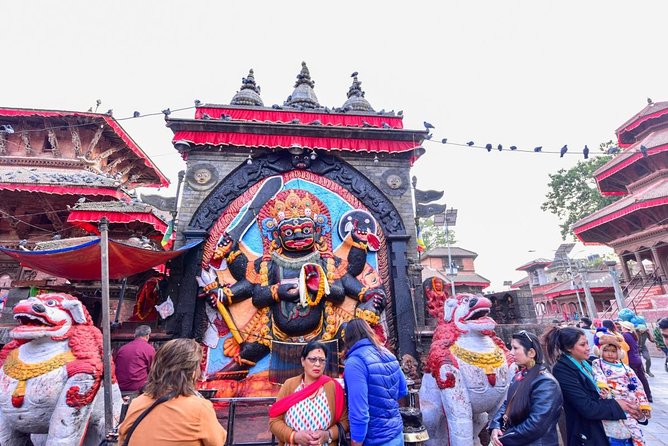
Your trip begins in Kathmandu, with arrival pickup and a transfer to Thamel, the classic traveler base in Nepal. You’ll have time to wander on your own, then you meet for a briefing in the hotel lobby. That briefing matters more than it sounds. In mountain trekking, the small details—pace, altitude caution, what’s included, what’s extra—can make the whole trip feel calm instead of chaotic.
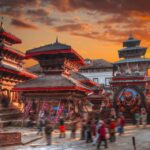
Day 2 is a full city day with three major stops: Kathmandu Durbar Square, Swayambhunath Temple (Monkey Temple), and Boudhanath Stupa. It’s a good setup for a trek because it blends history, religion, and everyday Kathmandu movement in a few hours. You’ll also learn how people actually live around these sites—vendors, pilgrims, school life, temple routines—rather than treating the city like a museum box.
Practical note: entrance fees for UNESCO sites aren’t included in this package. So expect to pay for those tickets on the day, and plan to keep some cash handy for small purchases like snacks or bottled water.
You can also read our reviews of more tours and experiences in Kathmandu.

Pokhara Lakeside: where the trail starts to feel real
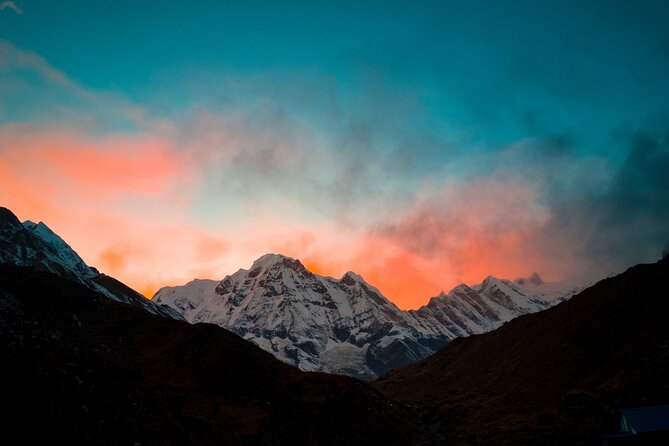
On Day 3 you shift from city energy to lakeside calm in Pokhara. The itinerary leaves you about four hours in the Lakeside area, which is enough time to reset your legs after Kathmandu walking and to soak in mountain air without yet starting the long hike days. This is also the moment when Annapurna stops being a name on a map and becomes something you’re about to earn step by step.
Even if you don’t do formal activities here, I like the pacing. You’re not rushed straight from sightseeing into a hard trek. You’re given a small buffer—valuable if you’re arriving with jet lag or just want the trip to feel human.
Nayapul to Ulleri: the gateway hike with terraced views
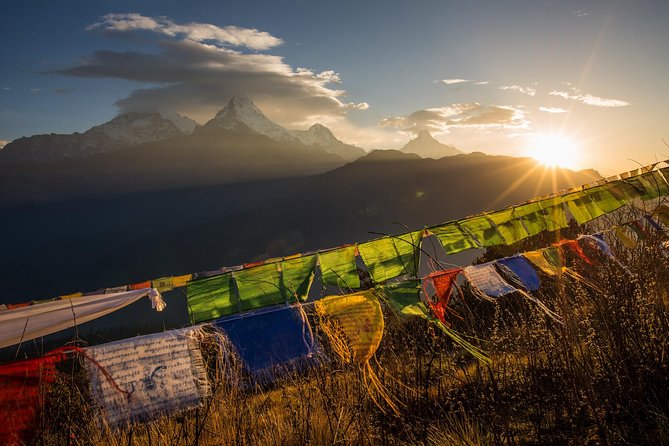
Day 4 begins with a drive to Nayapul, the launch point for many treks in the Annapurna region. From there, you start walking to Ulleri. This is where the route gives you a classic mix: terraced farm fields, fresh air, and that feeling of climbing steadily without needing technical skills.
The itinerary describes the day’s rhythm as: ascend through Tikhedhunga area, then continue with a hard, straight uphill section toward Ulleri. That’s your first test of stamina and pacing. If you go out too fast on this kind of climb, you’ll feel it later. So I’d treat Day 4 like training: steady effort, frequent short stops, and keep your breathing controlled.
Ulleri to Ghorepani: rhododendron and the Dhaulagiri peek
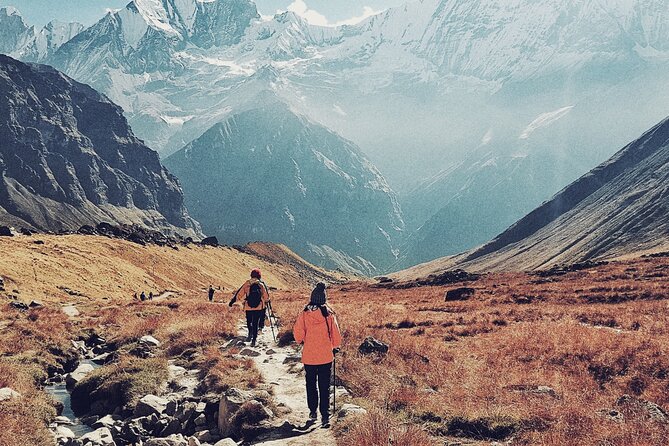
Day 5 moves you toward Ghorepani. This section is framed as easier than Day 4, and you’ll walk through rhododendron and pine forests, crossing small bridges along the way. I like this day because it tends to feel less like a fight and more like a walk with scenery payoff. You’re still gaining elevation, but you’re not constantly grinding.
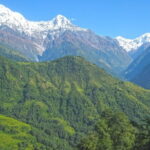
From upper Ghorepani, you get views including Mt. Dhaulagiri (8167 m) and other mountains. This isn’t just pretty. These sightlines help you understand where you are in the greater Annapurna and Dhaulagiri world before you reach the higher, more dramatic viewpoints later.
Poon Hill sunrise and on to Tadapani
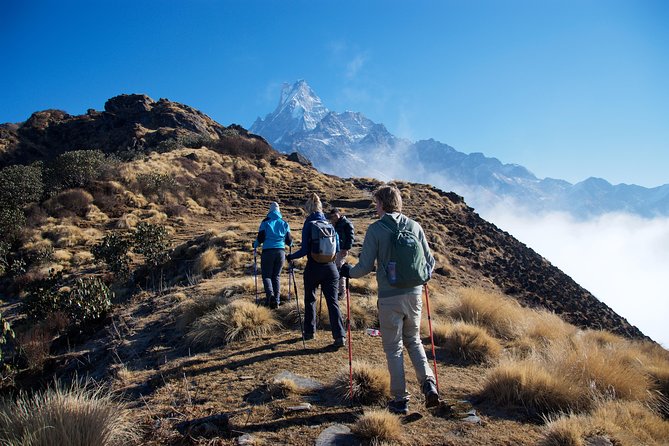
Day 6 is built around early morning. You’ll go from Ghorepani to Poon Hill (3210 m) first, aiming for sunrise light, then return for breakfast before trekking onward to Tadapani (2650 m).
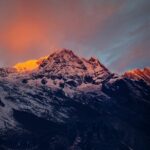
This is one of the most popular detours in the region for a reason: sunrise at Poon Hill is a timed payoff. You’re not only walking—you’re showing up at the moment the mountains look their best. The route also promises panoramic views and sunrise over Mt. Annapurna, plus a wide view of other peaks like Dhaulagiri.
Then the day shifts to Tadapani through rhododendron forest again. It’s a reminder that even when the day starts with a “wow” moment, you still have hiking left. Pack energy for the full day, not just the sunrise.
Chhomrong and the Fishtail + Annapurna South views
Day 7 takes you from Tadapani to Chhomrong. You’ll descend, cross the Kimrung River, and walk alongside rice fields and small settlements before ascending again to Chhomrong. This is a nice change of pace because it adds more variety to the walking day: river crossing, village patterns, and a climb that ends with big views.
From Chhomrong you get a fantastic outlook toward Fishtail and Annapurna South. If you like the mix of effort and reward, this is one of your “camera, then keep walking” days.
The tough day: Chhomrong steps, Sinuwa, Bamboo Village, Dovan
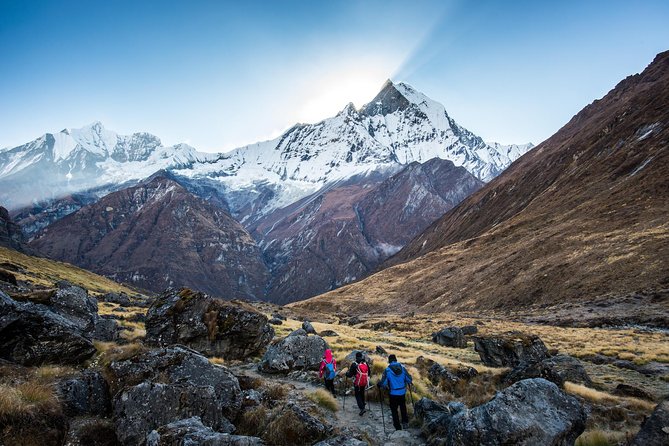
Day 8 is described as short in distance but long in effort. You’ll handle 2000+ stone steps down to cross the Chhomrong River, then deal with a climb up to Sinuwa. After resting in Sinuwa, you descend again through rocky steps and bamboo forests to Bamboo Village (2300 m), then continue to Dovan.
Here’s the value of including this day in the itinerary: you experience the real texture of trekking in the Annapurna region—steep stair sections, forest walking, and village-to-village movement. You also get a fun, specific stop at Bamboo Village. It’s noted as famous for large lemur colonies, and you may spot them hanging around trees if luck is on your side. That kind of detail is why these treks feel alive, not like a scripted bus ride.
But it’s also the day where you should pay attention to your knees. If your body doesn’t love downhill steps, Day 8 is where you’ll learn that.
Deurali, Hinku Cave, and Macchapuchare Base Camp
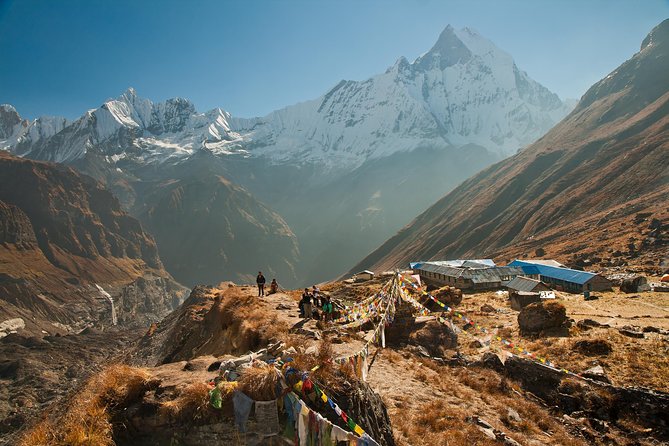
Day 9 pushes from Dovan toward Deurali and then to Macchapuchare Base Camp (MBC). The itinerary includes a sequence that’s part forest, part river-side scenery, and part higher, drier sections.
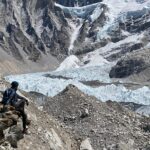
You’ll cross areas through rhodo and bamboo forests, move past Hotel Himalaya, and then climb a steeper section through drier forest before reaching Hinku Cave. After that, the trail drops closer to the river and then climbs again toward Deurali (2920 m). Later you walk alongside Modi Khola, then ascend up to MBC for views of Fishtail, changing shape depending on viewing angle.
This is a good day for photographers and for trekkers who like “route variety.” Not every day is only steps or only forests. You get multiple walking moods, which helps keep tiredness from becoming boring.
ABC arrival day: optional 3 A.M. sunrise and the Annapurna Sanctuary
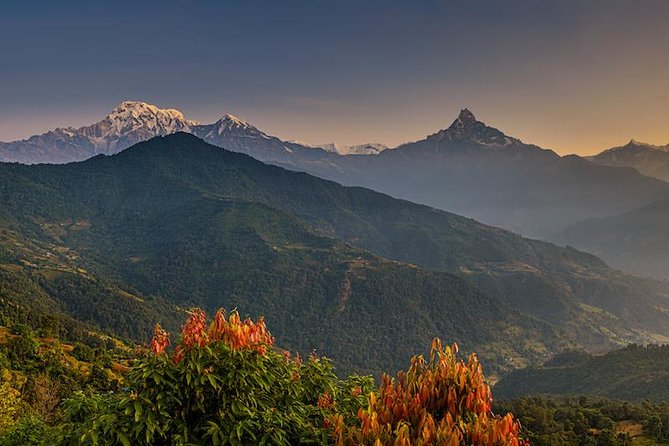
Day 10 is the big moment: Annapurna Base Camp. The itinerary offers an optional sunrise plan. If you want sunrise at ABC, you wake up early around 3 A.M. and hike about 2 hours upward, moving carefully due to altitude.
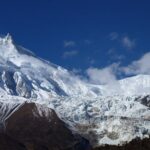
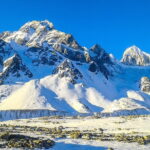
Once you arrive, the setting is described as absolutely spectacular, with views of Machhapuchhre (Fishtail), Mt. Hiunchuli, Annapurna South, Annapurna I, Annapurna III, Gandharvachuli, and Gangapurna. ABC is also called Annapurna Sanctuary because the base camp area sits on an oval-shaped plateau surrounded by a ring of mountains.
I love how many named peaks you get in one place, but more than that, I love the mental shift this day brings. You stop thinking about “the next village” and start thinking about “I’m in the amphitheater.” It’s why people come to Annapurna.
The return trail: hot springs at Jhinu and stepping downhill with purpose
Day 11 brings the turnaround. You descend past settlements including Himalaya, Dovan, and Bamboo, then climb stone staircases back toward Sinuwa. From there, you descend to the Chhomrong River and then follow the trail to the left toward Jhinu, famous for hot springs.
This is your payoff for enduring the trekking effort. The hot springs are described as a way to melt fatigue. Even if you’re not a spa person, after repeated hikes and stair days, your body will be grateful for warmth and a change in routine.
Day 12 is the final trekking day, and it’s framed as easier. You descend through stone staircases, pass villages and settlements, and walk through farmlands and tea houses. Then you reach Nayapul and the Asian Heritage private jeep transfers you to Pokhara.
Back to Kathmandu: a final city reset before your flight
Day 13 continues the two-step travel rhythm: a morning breakfast in Pokhara, then a drive back to Kathmandu. You arrive late afternoon and stay the night in Kathmandu.
Day 14 is your flight day. You’re transferred to Tribhuvan International Airport about 3 hours before departure, and you’re guided to the check-in hall. It’s a small thing, but it reduces stress when you’re tired and just want the day to go smoothly.
Price and logistics: what $1,028.41 really buys you
At $1,028.41 per person, this trip isn’t a bargain trekking-only deal. But it’s also not overpriced when you look at what’s included.
Included items of real value:
- Permits and access: Annapurna Conservation Area permits, TIMS, and other necessary permits are included
- Professional leadership: an experienced English-speaking government-licensed trek leader
- Porter support: one porter can carry up to 18 kg, and that porter capacity is shared between two clients
- Transport as outlined in the itinerary: airport transfers, city drives, and the jeep segments
- Accommodation: 3 nights in Kathmandu at Yatri Suites & Spa (or similar) on breakfast basis, 2 nights at Hotel Crystal Palace (or similar) on breakfast basis, and 8 nights during the trek in local lodges (room only)
- Breakfast: listed as included for 5 days
What costs extra (and you should budget for):
- Personal trekking gear and personal expenses
- Food and drinks beyond included breakfasts
- Tipping for guide, porter, and drivers
- Entrance fees for UNESCO sites in Kathmandu
- Any upgrades, if you choose them
- Emergency rescue evacuation insurance (not included)
Also, there’s no emergency rescue policy here. If you care about that risk, add separate coverage before you go.
Cancellation is offered with a full refund if you cancel up to 6 days in advance, with partial refunds closer in. If your dates might change, read the timing rules carefully so you’re not surprised.
Where the trek can feel hard: altitude, stair days, and lodge basics
The itinerary says a large distance hike is required and that you should have moderate physical fitness. That’s honest. Even though the trek is described as moderate, Annapurna’s “moderate” can still mean long walking days and lots of stair work.
Altitude comes up explicitly around ABC. The sunrise hike to ABC involves a careful climb and “catch your breath” guidance. I’d take that seriously. If you feel unwell at altitude, don’t try to win the day.
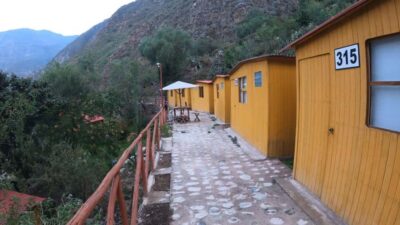
Lodges are also part of the reality. Your trek lodging is “room only basis,” which means you’ll rely on tea houses or lodge dining for many meals. That’s not bad—tea house food is often part of the trekking vibe—but you should expect to pay extra for it.
Who should book this Annapurna Base Camp trek
This plan fits you if:
- you want a guided trek with permits handled
- you like the idea of starting with Kathmandu culture before mountains take over
- you enjoy moderate hiking with scheduled viewpoint moments like Poon Hill sunrise and Annapurna Base Camp
- you want a private setup where your group hikes together, not with random mixing
This plan may feel wrong if:
- you hate steep descents and stair-heavy walking (Day 8 includes 2000+ steps down)
- you’re very new to hiking or want a low-effort trek
- you don’t want early mornings, since Day 10 includes a 3 A.M. optional sunrise climb
Should you book it?
If you want a well-run Annapurna Base Camp trek where the big moving parts are handled—leader, porter, permits, transport, and a clear day-by-day route—this is a strong match. The value sits in the structure: you get culture in Kathmandu, a Pokhara reset, and then a steadily rising trek with clear rewards at Poon Hill and ABC.
I’d book it if you’re realistic about effort, plan for extra costs (meals, drinks, tips, UNESCO entrance fees), and you’re ready for some hard stair days. Skip it if you need a gentler hiking plan or you want everything fully pre-paid down to every meal and entrance ticket.