REVIEW · KATHMANDU
14 Days Private Everest Base Camp Trekking Tour
Book on Viator →Operated by Yolo Hike · Bookable on Viator
Everest Base Camp is a simple plan with huge payoff. This 14-day private trek through Sagarmatha National Park puts you on the classic route to Everest Base Camp and the sunrise viewpoint of Kala Patthar, with flights between Kathmandu and Lukla built in.
I especially like the way this tour handles the busy parts for you: airport transfers in private vehicle, flights, permits/park fees, and a guide-led trek with a porter setup (1 porter per two trekkers). You’ll also get a smart acclimatization rhythm in places like Namche Bazaar and Dingboche, not just a long slog up and hope for the best. One thing to consider: since the trip relies on flights to Lukla and back, you’ll want a flexible mindset if timing shifts.
In This Review
- Key highlights before you go
- Private Everest Base Camp Trekking Value: Where Your Money Goes
- Kathmandu Setup in Thamel: Start Easy, Not Flustered
- Fly to Lukla, Trek to Phakding: The Trail Begins with a View of Reality
- Monjo Checkpoint and Suspension Bridges: Sagarmatha National Park Right Away
- Namche Bazaar Acclimatization and Everest View Hotel: Your Best Chance to Breathe
- Tengboche Gompa to Dingboche: Spiritual Stops and Rhododendron Color
- Dingboche Second Acclimatization and Nangkartshang Peak: A Purposeful Altitude Test
- Lobuche to Gorakshep Setup: Wind Management and Rocky Walking
- Everest Base Camp Day: The 5,346 m Moment
- Kala Patthar Sunrise: When “Good Enough” Isn’t the Goal
- Back Down to Namche and Lukla: Relieve, Don’t Rush
- Kathmandu Return and Farewell: A Mountain Day Ends in City Reality
- Guides, Porters, Food, and Lodging: Comfort Without Pretending
- Price and Logistics: A Reality Check on $1,490
- Who This Trek Is Best For (and Who Should Rethink It)
- Should You Book This Everest Base Camp Private Trek with Yolo Hike?
- FAQ
- How long is the Everest Base Camp trek on this private tour?
- Where does the experience start?
- Do I fly to Lukla as part of the trek?
- What lodging is included during the trek?
- Are meals included?
- Does the tour include permits and Sagarmatha National Park fees?
- Is there a guide and porter support?
- Are private bathrooms available?
- What’s not included in the price?
Key highlights before you go
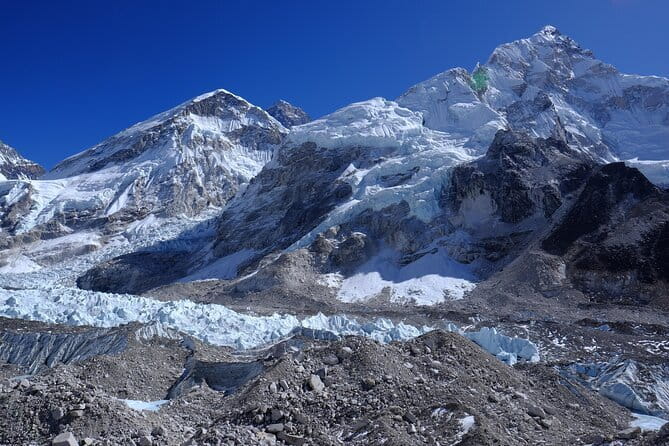
- Private group trekking with only your group participating, so the pace can feel more yours.
- Real acclimatization days in Namche Bazaar and Dingboche, plus a hike to Nangkartshang Peak.
- Kala Patthar at dawn for the best shot at sunrise over Everest (not guaranteed from Base Camp).
- Guides and porters: certified guide support and a porter ratio of 1 per 2 trekkers.
- Comfort upgrades where they matter: private bathroom in Phakding, Namche, and Lukla.
- Big route, classic experience: Everest Base Camp plus Sagarmatha National Park checkpoints and suspension bridges.
Private Everest Base Camp Trekking Value: Where Your Money Goes
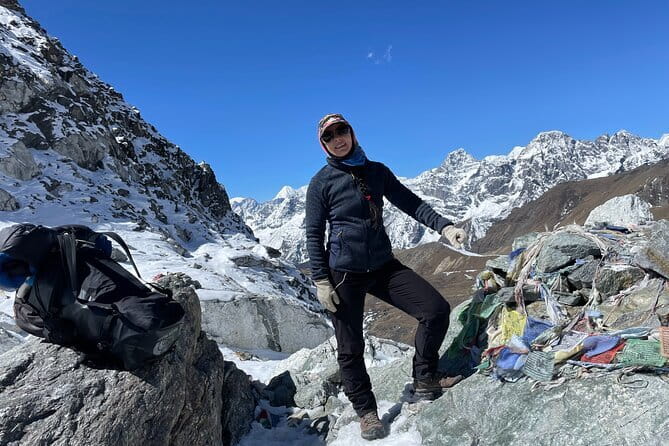
At $1,490 per person for a private 14-day Everest Base Camp trek, the value is less about luxury and more about reducing friction. You’re paying for a guide who’s built for altitude days, a porter system, and the paperwork side (Sagarmatha National Park fees and government taxes are included).
This matters because the hardest part of Everest-area trekking often isn’t the technical scenery. It’s the coordination: getting you from city to trail, managing daily logistics, and keeping you moving safely through altitude. With Yolo Hike, the tour is set up so you’re not hunting for permits, negotiating lodge space, or figuring out transfers on your own.
You should still read the fine print on comfort. The trek runs on tea house-style lodging, and while the tour includes best available tea house lodge stays, it isn’t a hotel stay. The included private bathrooms are a good sign, but they’re listed for specific stops, not every night.
You can also read our reviews of more tours and experiences in Kathmandu.



Kathmandu Setup in Thamel: Start Easy, Not Flustered
You land at Tribhuvan International Airport in Kathmandu, then you’re met by a Yolo Hike representative and transferred to your accommodation (private transport suited for your group). After a short reset, you get the right kind of first-day freedom: stroll Thamel, eat well, and use the evening to get oriented.
Why this first day matters: Kathmandu can be loud, busy, and surprisingly stressful if you arrive with zero plan. Having pickup handled gives you the mental bandwidth to adjust to time, food, and the idea that tomorrow you’ll be flying toward the mountains instead of driving.
Your Kathmandu stay is twin-sharing for two nights. That’s a normal baseline for most Nepal trek packages. If you’re the type who wants a quiet room and hot showers, it’s worth setting expectations now.
Fly to Lukla, Trek to Phakding: The Trail Begins with a View of Reality
The itinerary shifts gears fast on Day 2. You fly from Kathmandu (or Ramechhap, depending on the flight schedule) to Lukla. The flight time is short on paper—around 25 minutes from Kathmandu or about 20 minutes from Ramechhap—but it changes the whole feel of the trip. This is where you go from city altitude anxiety to mountain-air altitude reality.
From Lukla, the trek starts toward Phakding on a stone-paved road, about a 3-hour hike to a small settlement where you sleep overnight. It’s a gentle on-ramp compared to what comes later, which is exactly what you want after traveling and before you start gaining real altitude.
A practical note: stone paths can be slippery when cold or wet. If you’re sensitive to knees, pack trekking poles and plan for careful footwork early.
Monjo Checkpoint and Suspension Bridges: Sagarmatha National Park Right Away
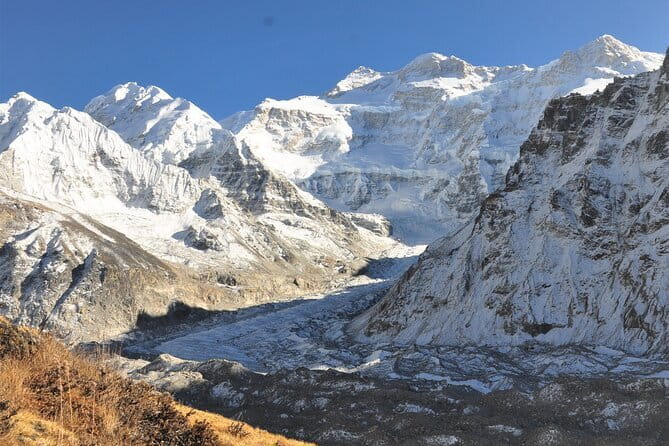
On Day 3 you enter through the Monjo checkpoint in Sagarmatha National Park. The walking isn’t just scenic sightseeing; it’s also your first clear “you’re in the real system now” moment. There are checks, paperwork rhythms, and the sense that you’re trekking through protected territory with rules.
You’ll cross suspension bridges (including Larpchen Bridge and Hillary Bridge), often with prayer flags fluttering overhead. This section is useful training for the later bridges you’ll keep seeing: don’t stare down at your feet the whole time—look ahead, keep steady pace, and treat it like a rhythm walk.
Day 3 also pulls in some social energy. You reach Namche Bazaar by the end of the day, and it’s lively in a way that feels different from smaller villages. It’s good for morale, and you’ll be able to interact with fellow trekkers before your acclimatization routine takes over.
Namche Bazaar Acclimatization and Everest View Hotel: Your Best Chance to Breathe
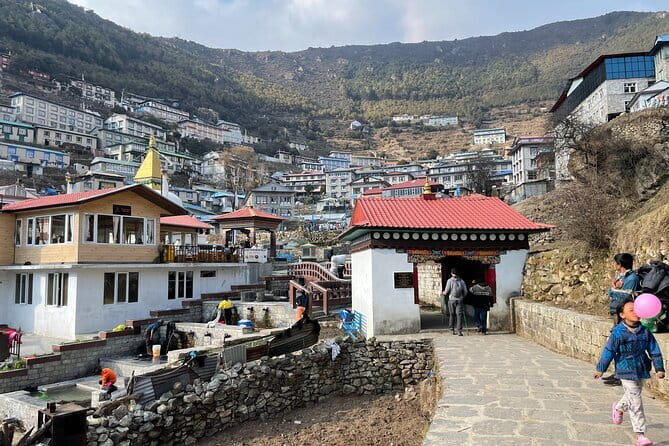
Namche Bazaar isn’t just a town on the way; it’s a strategy day. Your Day 4 focuses on acclimatization, plus a visit to the Everest View Hotel—a high-altitude stop with major “wow” factor.
You’ll see views of key peaks in the Everest region: Mount Everest, Ama Dablam, Nuptse, Lhotse, Thamserku, and Cholatse. Then you return to Namche for the night.
Why I like this approach: acclimatization days that feel like a real hike (with good payoff) are easier to follow emotionally. You’ll likely feel tempted to push harder after days of views and teahouses—but the whole point of this day is to give your body time to adjust while you keep moving gently.
If you’re prone to altitude headaches, take the day seriously. Hydrate, keep your pace relaxed, and don’t treat acclimatization as a free day to sprint.




Tengboche Gompa to Dingboche: Spiritual Stops and Rhododendron Color
Day 5 heads toward Tengboche Gompa, exploring one of the oldest monasteries in the Khumbu region. After that, you hike with shifts in terrain—climbing and descending through forests and settlements.
You’ll pass through areas like Phungi Thanga with views back toward the Namche Valley. The day also includes long enough walking to feel like progress, plus lunch among village areas before the route splits toward Gokyo and Everest.
Then you descend toward an army checkpoint and continue into Tengboche for the night.
Day 6 moves onward toward Dingboche. It includes pine and rhododendron forest walking, with a color shift that’s more than just pretty. Forest sections tend to feel calmer and more breathable than bare, exposed stretches. You’ll also hike up to the area near Pangboche on the edge of the Lobuche River of Imja Valley for lunch, then continue through fields and settlements where buckwheat and potatoes are grown.
This section is also described as easier in the overall trek rhythm. Even so, you’re still moving through increasing altitude, so keep your effort controlled. Dingboche is your next acclimatization anchor.
Dingboche Second Acclimatization and Nangkartshang Peak: A Purposeful Altitude Test
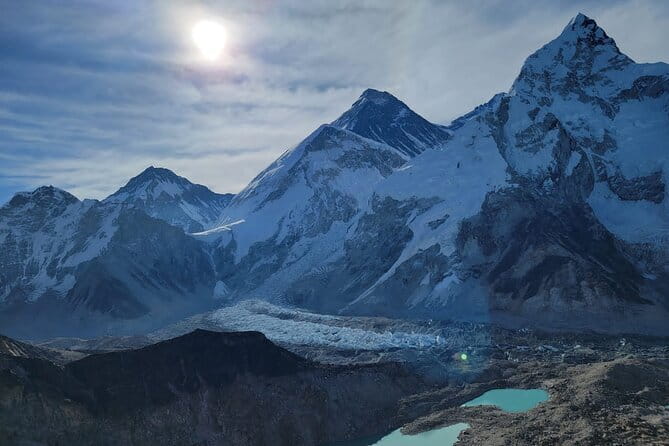
Day 7 is the second acclimatization. Dingboche is described as the last Sherpa village on the Everest Base Camp route, and that matters because services and support shrink a bit beyond it.
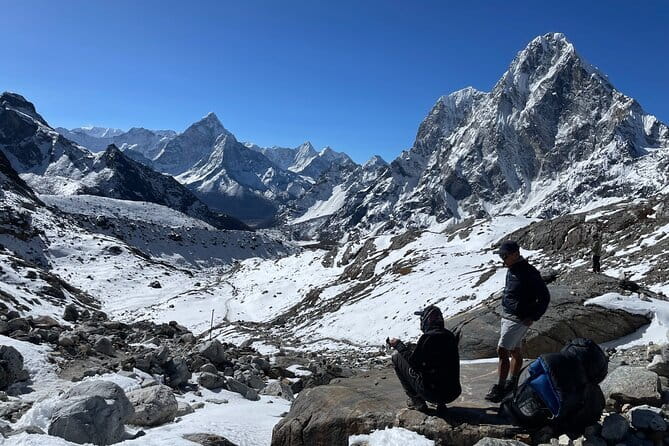
You hike to Nangkartshang Peak at 5,083 m as part of acclimatization, taking in wide views that include Taboche, Island Peak, Ama Dablam, Lhotse, and Everest. Even though it’s a short acclimatization hike, it gives you a taste of the thinner air without going full “summit day.”
This is where the tour’s structure feels smart: it doesn’t just schedule rest. It schedules useful movement. If you’ve ever had altitude fatigue spiral because you did too little too late, you’ll appreciate this design.
Lobuche to Gorakshep Setup: Wind Management and Rocky Walking
Day 8 brings you to Lobuche. You start early—partly to avoid stronger winds and partly because early starts often make the later sections feel more manageable. The route is described as a bit uphill and rocky compared with earlier days.
You hike toward Thukla viewpoint, with expansive views of peaks like Ama Dablam and Lobuche in the distance. Along the way, you’ll see manes and small chortens—quiet markers that make the trek feel respectful, not just adventurous.
Then you descend for hours to reach Lobuche. The day’s value is not just reaching the next bed. It’s preparing your legs and mindset for what comes next: Base Camp and Kala Patthar are the headline days, but the roads leading into them can be tiring.
Everest Base Camp Day: The 5,346 m Moment
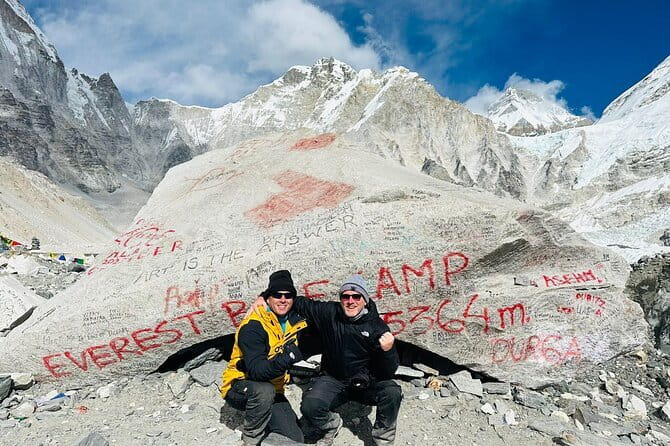
Day 9 is the heavy-hearted day people dream about: Everest Base Camp. You start early from Lobuche, walking uphill on a rocky path between high mountains to Gorakshep. You rest there and have breakfast.
From Gorakshep, you trek on toward Everest Base Camp (5,346 m). You’ll reach a vibrant climber-related base area, the start point for Everest expeditions. This is where the world-famous geography stops being abstract and becomes real: stone under your boots, cold air in your throat, and the sense that you’re in a place with history written in footsteps and weather.
A practical expectation to set: Base Camp is impressive, but the tour’s own plan signals something key—you may not get the clearest view of Everest from Base Camp. That’s why the next day matters so much.
Kala Patthar Sunrise: When “Good Enough” Isn’t the Goal
On Day 10, the tour sends you to Kalapatthar at dawn. The reason is straightforward: you approach for sunrise because Everest proper often isn’t seen clearly from Base Camp.
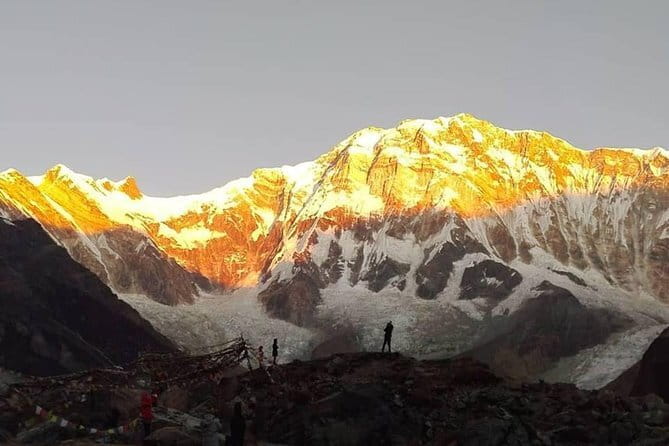
You’ll experience a sunrise view over Mount Everest and the surrounding peaks. The colors are described as yellowish and reddish tones on the peak—exactly the kind of lighting that makes you understand why people wake up before they feel ready.
Then you descend back toward Pheriche for the night.
This day is the best argument for choosing a guided, structured package. Sunrise efforts are schedule-driven. If you wing it, you can lose the timing you actually paid for.
Back Down to Namche and Lukla: Relieve, Don’t Rush
Day 11 retraces part of the trail back to Namche Bazaar, staying for the third time. The emotional rhythm shifts here. You’ve already done the hard highlight. Now the goal becomes steady movement with gratitude, saving your energy for the final flight segment back to Lukla.
Day 12 continues to Lukla through the Dudh Koshi River area, including suspension bridges over the river. In Lukla you get time to explore shops and pick up small memories.
Why this return phase is worth mentioning: it’s where many people make knee mistakes. You’ll feel stronger than you did on the way up, which is exactly when sloppy descent technique can hurt you. Keep steps short, slow down on rocky sections, and let the porter system work for you.
Kathmandu Return and Farewell: A Mountain Day Ends in City Reality
Day 13 takes you back to Kathmandu by flight from Lukla. You’ll start with that “bird eye view” feeling as landscapes change quickly—from mountains to hills and settlements—then a vehicle picks you up and transfers you to your accommodation.
A small celebration for completion is included. Day 14 ends with assistance to Tribhuvan International Airport and your flight home.
If you’re the type who likes closure, this structure helps. You don’t just arrive and disappear. You finish as a trekking group, then head to real life.
Guides, Porters, Food, and Lodging: Comfort Without Pretending
Here’s what you can reasonably expect from the included services:
- Certified guide + porter system: 1 porter per two trekkers, with salary, food, accommodation, and insurance included.
- Accommodation: two nights in Kathmandu (twin-sharing), plus tea house lodges on trek with best available options.
- Private bathrooms in Phakding, Namche, and Lukla. That’s a real comfort upgrade on this route.
- Meals: dinner is included 13 times, lunch 11 times, and breakfast 13 times. In practice, it means most mornings and evenings are covered, while some lunches may be your own depending on the day.
- Park fees and taxes: Sagarmatha National Park fees plus government service charges are included.
What’s not included is also clear: international flights, Nepal visa fee, travel insurance, and personal expenses like laundry or bar bills. Soft drinks (including water and other beverages not listed) are not included, so plan on buying water and drinks separately.
I also like that Yolo Hike’s operator planning effort shows up in the background. In past experiences with the company, the tour operator has been described as handling permits, registrations, and hotel booking so the guide can focus on the trek itself. That’s the right division of labor.
Price and Logistics: A Reality Check on $1,490
This trek is priced like a full-service private package, not a budget trek. For many people, the value comes from four things you get together:
- Private transfers in Kathmandu plus airport-to-airport support.
- Flights to and from Lukla handled as part of the plan.
- Guide and porter support that reduces your physical load and stress.
- Park fees included, so you’re not scrambling late.
If you’re traveling solo and trying to build your own team, a private guide and porter ratio can cost more than this package. If you want to share logistics with others and keep costs down, there may be cheaper group options in the market—but you’d lose some of the private-group control.
So ask yourself: do you want Everest Base Camp with planning handled, or do you want to manage the details yourself? For most people, that $1,490 buys peace of mind as much as it buys miles.
Who This Trek Is Best For (and Who Should Rethink It)
This tour is for you if you:
- want a private trek where only your group participates
- are comfortable with tea house style lodging
- want structured acclimatization days rather than a straight-line grind
- care about having a guide and a porter ratio so you can focus on altitude and walking
You might rethink it if you:
- want hotel-grade comfort on every night (tea houses are still tea houses)
- dislike early mornings, especially for Kalapatthar sunrise
- cannot handle the physical effort of a 14-day trek with altitude gain
The tour also states you should have a strong physical fitness level. That’s not marketing language. The itinerary builds in long walking days, rocky sections, and altitude pressure.
Should You Book This Everest Base Camp Private Trek with Yolo Hike?
Yes, if your priority is a guided, well-structured Everest Base Camp experience with acclimatization built in and the logistics handled for you. The combination of Namche’s acclimatization stop, Dingboche’s second adjustment, and the Kala Patthar dawn plan makes the route feel like it’s designed around reality, not wishful thinking.
I’d book it if you appreciate practical support: a certified guide, a porter ratio that keeps loads manageable, and the comfort perks of private bathrooms on key nights. If you want to maximize your odds of a meaningful Everest view experience, the Kalapatthar sunrise day is the deciding factor.
If you’re unsure, compare two things: your comfort with altitude-driven pacing and your willingness to depend on Lukla flight timing. If you can live with those realities, this is a strong, classic way to reach Everest Base Camp.
FAQ
How long is the Everest Base Camp trek on this private tour?
The tour runs for about 14 days.
Where does the experience start?
It starts with pickup/meeting at Tribhuvan Airport in Kathmandu, Nepal.
Do I fly to Lukla as part of the trek?
Yes. The tour includes flights Kathmandu (or Ramechhap) to Lukla and then Lukla back to Kathmandu.
What lodging is included during the trek?
You’ll stay in tea house lodges during the trek, listed as best available. You also get two nights in Kathmandu on a twin-sharing basis.
Are meals included?
Yes. Dinner is included 13 times, lunch 11 times, and breakfast 13 times.
Does the tour include permits and Sagarmatha National Park fees?
Yes. Sagarmatha National Park fees with government taxes and service charges are included.
Is there a guide and porter support?
Yes. A certified guide is included, along with a porter for every two trekkers. Porter salary, food, accommodation, and insurance are also included.
Are private bathrooms available?
Private bathrooms are included in Phakding, Namche, and Lukla.
What’s not included in the price?
Not included are international flights, the Nepal entry visa fee, travel insurance, and personal expenses like laundry and bar bills. Soft drinks (including water and other drinks not listed) are also not included.