REVIEW · SA PA
1 Day Sapa Trek&Home-cooked Lunch HmongSisterHouse&Trekking
Book on GetYourGuide →Operated by GOWHERE VIET NAM JOINT STOCK COMPANY · Bookable on GetYourGuide
One-day treks in Sapa feel simple.
Then you notice what makes this one special: you follow the same kind of route Hmong families once took on foot to reach the market, with an English-speaking guide explaining village life along the way. I like the rice paddies walk through main villages, and I also like the home-cooked lunch with Zizi’s family in Hau Thao village, because it turns the day from sightseeing into a real human pause. One thing to plan for: the tour ends at Zizi Mekhoo Sapa Homestay, about 9 km from Sapa town, so you’ll need transport back.
You start in Sapa town and join a small group (up to 10 people), which keeps the pace realistic and the questions flowing. On the trek, you’ll learn the story of the path, how people live, and what the Hmong culture looks like day to day, not just in photo captions. At the end, you can also add the optional family dinner at 7:00 pm for $3 per person.
In This Review
- Key Things I’d Watch For in This Sapa Trek
- Entering Sapa: Why This Trek Works in One Day
- Meeting in Sapa Town and Starting the Market-Path Walk
- Rice Paddies, Main Villages, and the Viewpoints Your Feet Earn
- Hau Thao Village: The Meal with Zizi’s Family
- Zizi Mekhoo Sapa Homestay and the 9 km Return-to-Town Factor
- Guides Matter: What I’d Expect From Bao and Su
- Price and Value: Is $19 a Smart Use of Your Time?
- Small Group Pace: Why Up to 10 People Is a Big Deal
- What to Bring for This Sapa Hike (So You Don’t Regret It)
- Health and Age Reality: Who Should Skip This Trek
- Should You Book This 1-Day Sapa Trek with Hau Thao Lunch?
- FAQ
- FAQ
- What is the duration of the Sapa trek with home-cooked lunch?
- How much does this Sapa trek cost?
- What language is the guide?
- Is this a small group?
- Where do you start the day?
- What’s included in the price?
- Where does the tour end, and is transport back included?
- Is dinner included?
- Who is this trek not suitable for?
Key Things I’d Watch For in This Sapa Trek
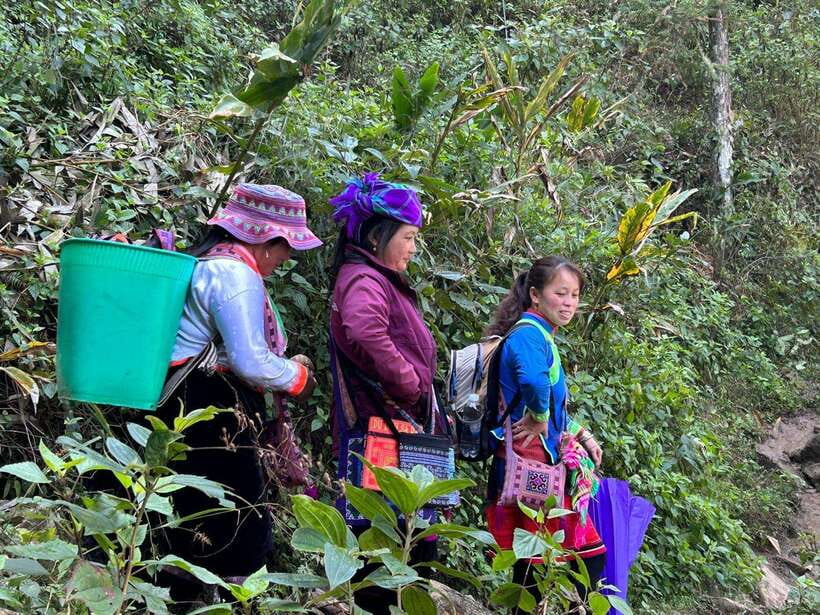
- A market-path route on foot: you walk the kind of trail Hmong people used to hike to Sapa market.
- Rice paddies plus village viewpoints: the day is built around main hamlets and terrace views.
- Lunch at Hau Thao village with Zizi’s family: the meal is the highlight, not an afterthought.
- English Hmong guide storytelling: you get context about the path and daily village life.
- End point is outside town: Zizi Mekhoo Sapa Homestay is 9 km from Sapa town, so plan your return.
Entering Sapa: Why This Trek Works in One Day
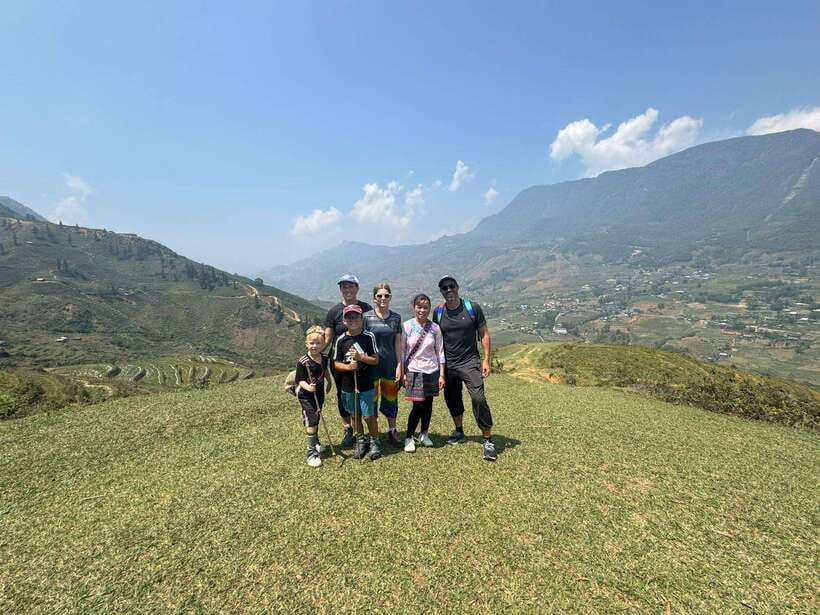
Sapa can swallow your whole schedule if you let it. This trek is designed for a one-day visit, but it still gives you the feeling of moving through local space, not just checking off stops.
The value here is simple. You get a guide, valley access, and a full village-meal experience built into a manageable day. For many people, that’s the difference between an average “walk in the hills” and a trek that actually teaches you something.
You can also read our reviews of more tours and experiences in Sa Pa.
Meeting in Sapa Town and Starting the Market-Path Walk
You meet in Sapa town, and pickup is included at your hotel address in the town centre. That matters because it removes the annoying part of day tours: figuring out where to rendezvous while you’re already tired from travel.
Then you head out toward Hau Thao village area, following a route with historical meaning. The idea is that Hmong families in the past hiked to the Sapa market by foot, and you get to experience that same kind of journey—slow enough to notice details, guided enough to understand what you’re seeing.
A good practical tip: start the day with comfortable shoes and a hat ready. This isn’t a paved stroll, and you’ll feel it after a few hours if your footwear is wrong.
Rice Paddies, Main Villages, and the Viewpoints Your Feet Earn
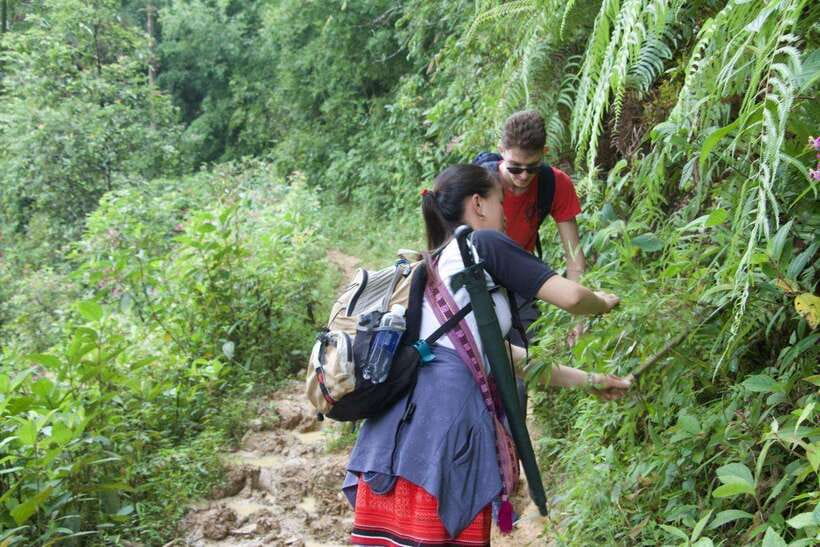
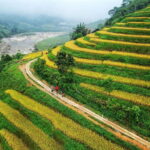
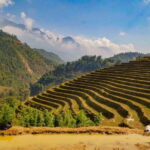
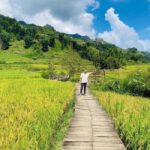
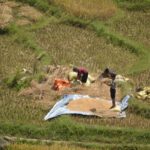
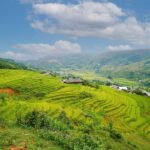
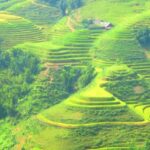
The trek takes you through rice paddies and gives you an overview of the main villages in the valley. This is where Sapa’s cool mountain air helps—your legs can handle the effort because you’re not baking in the sun the whole time.
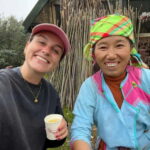
As you walk, your English-speaking Hmong guide explains more than directions. They share the story of the path and talk about life in the village and Hmong culture, so you’re not just snapping pictures—you’re translating what you see into something you can actually remember later.
Two things I like about this stage. First, the route feels purposeful because you’re connecting villages, not just looping around. Second, the views are earned through walking, which makes them feel more satisfying than a quick photo stop.
Hau Thao Village: The Meal with Zizi’s Family
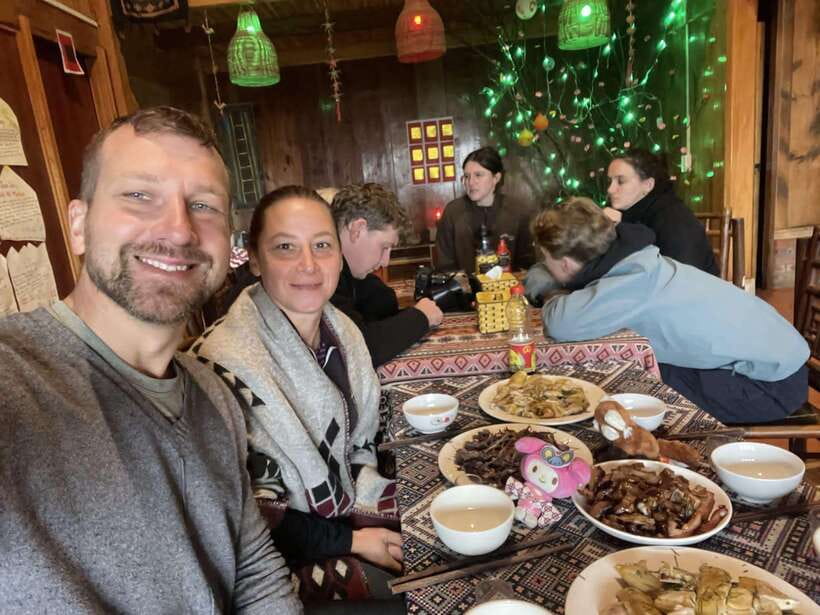
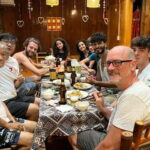
Eventually you arrive in Hau Thao village, where Zizi’s family lives. This is the pivot point of the day. The trek becomes quieter and more social, because the main focus shifts from walking to living—at least for a few hours.
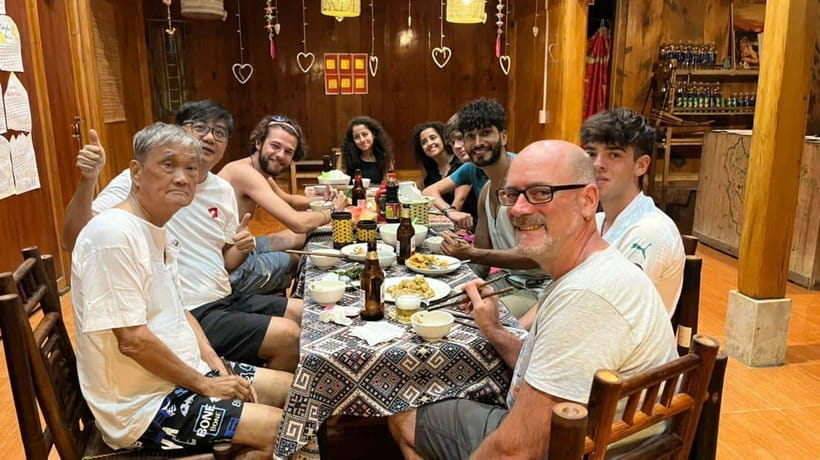
You get time to enjoy the breathtaking view from the village area, and then you’ll have lunch at the home. The important part is not just that lunch is included; it’s that it’s home-cooked in a real household setting.
Here’s what to keep in mind so you enjoy it. Village meals have their own rhythm. You’ll likely be eating with people who live this way every day, so keep your expectations flexible and your manners simple: be present, ask respectful questions, and take your cues from your guide.
I also like that this stop is tied directly to the trek’s theme: the same community you’ve been walking through now welcomes you to share a table.
Zizi Mekhoo Sapa Homestay and the 9 km Return-to-Town Factor
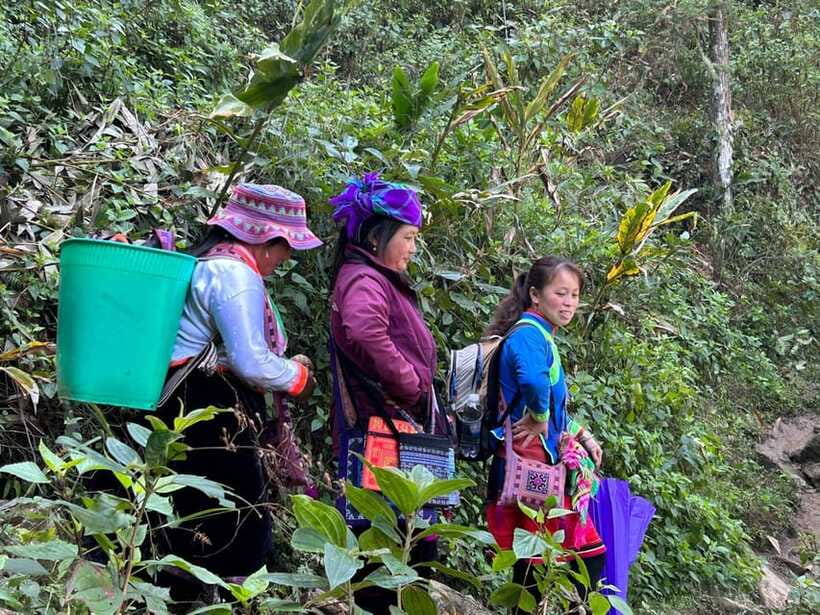
The day ends at Zizi Mekhoo Sapa Homestay. It’s a logical finish point because the homestay connects the trekking experience to the community.
But here’s the one logistical consideration that can affect your whole evening: the homestay is 9 km from Sapa town, and transport back isn’t included. That means you should plan your dinner and night plans around getting back—either by arranging transport after the tour or building time for it.
In practice, this end point is great if you want a slower landing in a homestay setting. It’s less ideal if you’re trying to squeeze in a late night in town without thinking about logistics.
There’s also an optional family dinner at 7:00 pm cooked by Zizi Homestay for $3 per person. If you enjoy the idea of extending the home-table experience, this is a nice add-on.
Guides Matter: What I’d Expect From Bao and Su
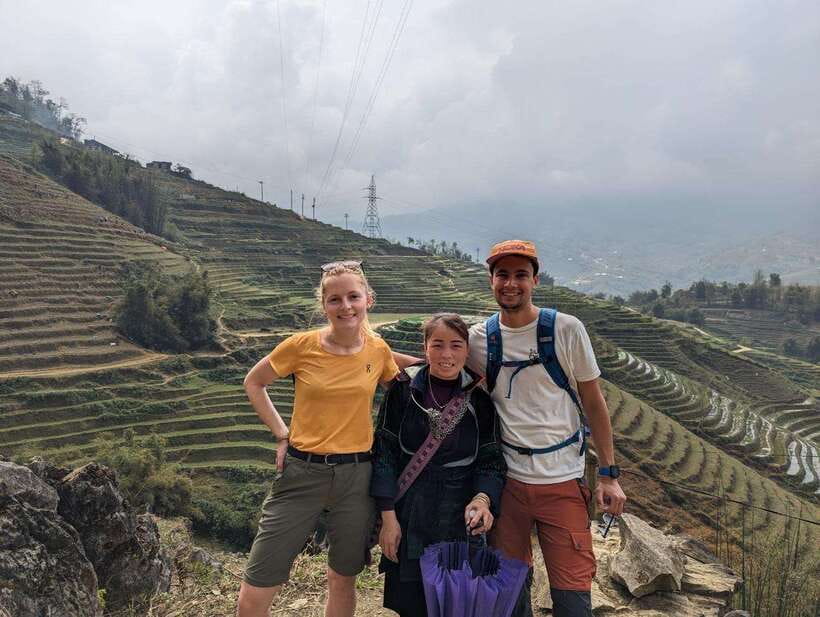
This experience is built around the guide. The trek includes an English-speaking Hmong guide, and that’s what turns the route into a story.
In the feedback I received from recent bookings, names came up like Bao and Su, both praised for being lovely and for explaining the day clearly. That’s exactly what you want on a cultural walk: a person who can translate what you see into why it matters.
One small reality check: local guiding is not a theme-park script. If you’re hoping for perfectly rehearsed energy at all times, you might be disappointed. Still, the core value is that the guide helps you understand the path and village life, and that part is consistently emphasized.
Price and Value: Is $19 a Smart Use of Your Time?
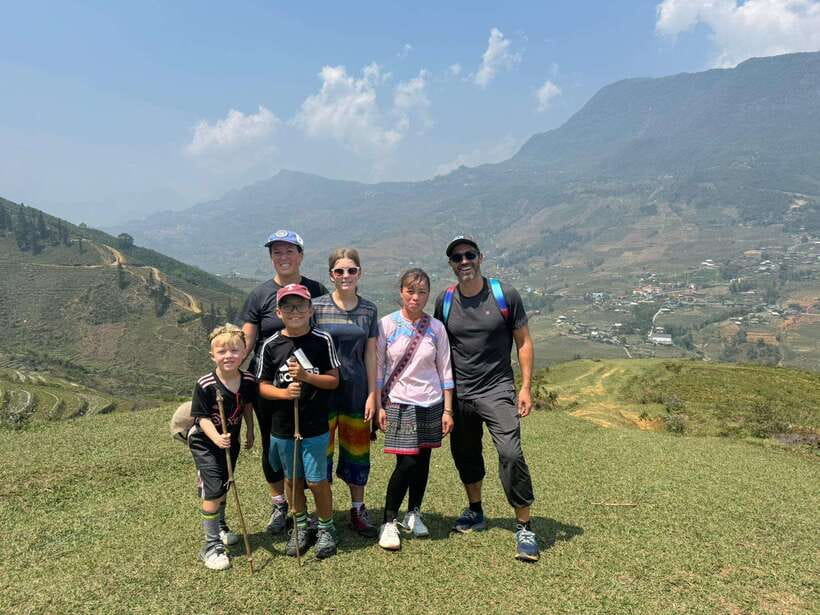
At $19 per person for a 1-day trek, this is priced like a budget-friendly cultural experience. But the real question is what you get for that money.
Included:
- Local Hmong guide
- Entrance fees for the valley
- Lunch
- 1 water bottle per person
- Pickup from hotels in Sapa town centre
- Small group size (limited to 10 participants)
Not included:
- Dinner (unless you add the optional $3 family dinner)
- Other beverages
- Personal expenses
- Travel insurance
- Transport back to Sapa town after the homestay (the 9 km gap is on you)
So where does the value land? You’re paying for access, guidance, and a meal in a home setting. If you’ve been comparing tour prices in Sapa, this is one of the more direct ways to get local context without paying for a long multi-day itinerary.
If you’re the type who spends money to save time and avoid confusion, the included pickup and valley access matter. If you’re trying to keep costs ultra-low, budget separately for getting back from the homestay.
Small Group Pace: Why Up to 10 People Is a Big Deal
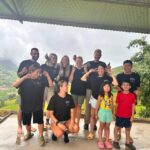
A group capped at 10 people changes your day. It’s not just comfort; it affects how often you can ask questions and how smoothly the guide can manage the walk.
On a trek through rice paddies and villages, spacing matters. Too many people can turn it into a traffic jam, and then you lose the calm feeling of walking through local space.
The small group size is also part of why the day can stay focused on culture, not only distance. You’re not racing from one stop to the next.
What to Bring for This Sapa Hike (So You Don’t Regret It)
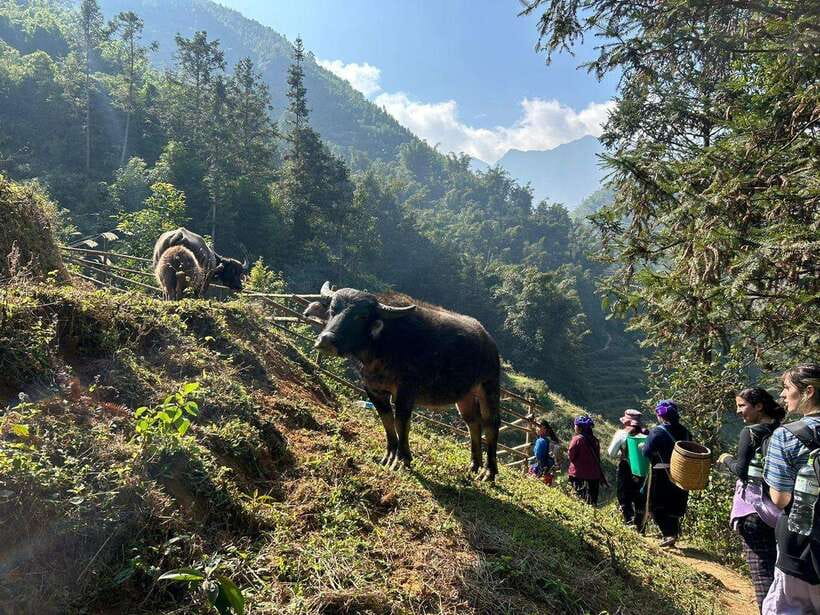
The essentials are straightforward, and they’re worth following closely:
- Comfortable shoes
- Sunglasses
- Sun hat
- Comfortable clothes
Even if Sapa feels cool, you can still get sun exposure during active walking. Also, good shoes save your day. If your feet are unhappy, you’ll focus on discomfort instead of views and conversation.
You’ll get a water bottle included, but you might still want a simple plan for staying hydrated. If you run hot or tend to get lightheaded while walking, consider bringing a small extra snack or drink on your own, since other beverages aren’t included.
Health and Age Reality: Who Should Skip This Trek
This isn’t for everyone. It’s not suitable for children under 6, people with altitude sickness, or anyone over 70.
If you’ve had altitude issues before, treat that as a signal. Even if the trek is only one day, you still need to respect how Sapa sits at elevation.
If you’re unsure, it’s worth being conservative. A cultural walk is only a good experience if you can enjoy it comfortably.
Should You Book This 1-Day Sapa Trek with Hau Thao Lunch?
Book it if you want a one-day Sapa plan that mixes walking with a real village meal. You’ll get an English-speaking Hmong guide, a route tied to how people historically reached the market, rice paddies, and lunch at Hau Thao village with Zizi’s family.
Skip it or reconsider if you strongly want to stay right in Sapa town after the tour. The finish is at Zizi Mekhoo Sapa Homestay, about 9 km from town, and transport back isn’t included. If you can’t easily handle that return, the logistics can steal your evening.
If you’re choosing between a generic trek and one with cultural storytelling built in, this leans toward the cultural side. And if you like the idea of ending at a homestay and possibly adding the optional 7:00 pm family dinner, you’ll probably enjoy the full arc of the day.
FAQ
FAQ
What is the duration of the Sapa trek with home-cooked lunch?
The experience lasts 1 day.
How much does this Sapa trek cost?
It costs $19 per person.
What language is the guide?
The tour is guided in English.
Is this a small group?
Yes. It’s limited to 10 participants.
Where do you start the day?
You start in Sapa town, and pickup is included at your hotel address in the Sapa town centre.
What’s included in the price?
The price includes a local Hmong guide, entrance fees for the valley, lunch, and 1 water bottle per person.
Where does the tour end, and is transport back included?
It ends at Zizi Mekhoo Sapa Homestay, which is 9 km from Sapa town. Transport back to town is not included.
Is dinner included?
Dinner is not included, but there is an optional family dinner at 7:00 pm for $3 per person.
Who is this trek not suitable for?
It’s not suitable for children under 6, people with altitude sickness, or people over 70.