REVIEW · MASINDI
Experience Chimpanzee Trekking in Budongo Forest
Book on Viator →Operated by Murchison Backpackers · Bookable on Viator
Chasing chimps in Uganda takes real patience. Budongo Forest is one of the best places in Uganda to track these smart primates, and your trek is run with a private guide plus a ranger briefing as you hunt for a chimp community. With them sharing 98% of our DNA, it’s the kind of wildlife encounter that feels personal, not like a checklist.
What I like most is the human-scale experience: your guide walks with you through the forest trails and helps you understand what you’re seeing while you’re still on the move. I also appreciate that the tracking has a built-in rhythm—after the trek, you get a full hour where you can watch chimps interact and take photos without rushing.
One thing to plan for is uncertainty at the start if your booking details aren’t tied down smoothly. I’d treat confirmation like part of the adventure and double-check you’ve got the right dates and details before you head out.
In This Review
- Key things to know before you go
- Budongo Forest chimp trekking: what you’re really buying
- Price and logistics: value of the $150 private trek
- Getting to the forest: Royal Mile and the ranger briefing
- The itinerary pace: how the 4-hour tracking day unfolds
- Possible drawback to keep in mind
- Watching chimps for an hour: photos, behavior, and what to notice
- More primates and plants: why the walk matters even before you find chimps
- Half-day trekking vs full-day habituation upgrade
- Tips for a smoother chimp day in Budongo
- Should you book Chimpanzee Trekking in Budongo Forest?
- FAQ
- Where does the chimp trekking tour start and end?
- How long is the experience?
- Is chimp tracking done in the morning or evening?
- What’s included in the price?
- What’s not included?
- What do you do during the chimpanzee tracking?
- What’s the upgrade for a full-day tour?
- What happens if weather is poor or you need to cancel?
Key things to know before you go
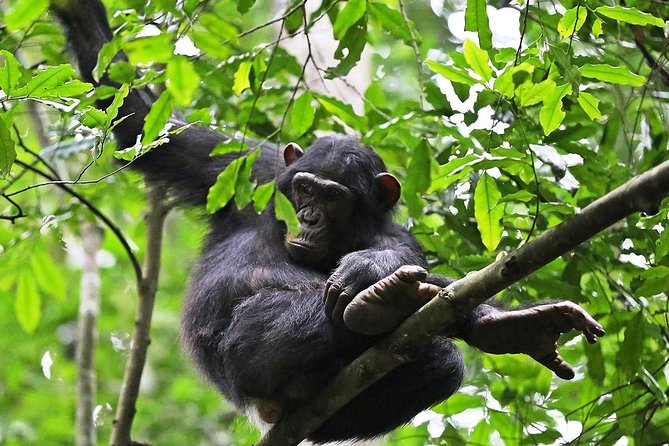
- Private guide, private pace: you’re not mixed into a large group shuffle.
- Ranger briefing first: you start with orientation from a designated park ranger.
- Tracking is a set, timed flow: trek to the chimp community, then an hour of viewing and photos.
- Half-day or full-day options: choose trekking only or add habituation time.
- More than chimps: you’ll also pass other primates and forest plants along the way.
- Weather matters: the activity needs good conditions to run.
Budongo Forest chimp trekking: what you’re really buying
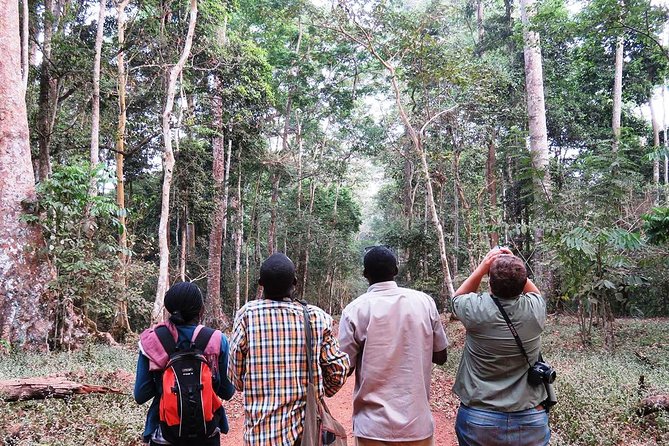
This is a chimpanzee trek in Budongo Forest near Masindi, Uganda, and the “product” is simple: you get guided access to a chimp community in their forest world. That matters, because chimp tracking isn’t like spotting birds from a parking lot. You’re walking into a living ecosystem, following signs, and letting the forest lead the timing.
You’re paying for more than a pair of eyes in a tree. Your tour includes private transportation and all fees and taxes, which keeps the day from turning into a scavenger hunt for extra payments. When wildlife experiences go wrong, it’s usually because logistics are messy; here, the structure is tighter from the start.
Also, chimp tracking is one of those experiences where context changes everything. Your guide isn’t just there to escort you. They explain what chimps are doing, what behaviors you might notice, and what to pay attention to while you’re close. That turns the hour of viewing into something you’ll actually remember.
Price and logistics: value of the $150 private trek
At $150 per person, this isn’t a cheap safari add-on—but it’s also not priced like a luxury day spa with monkeys on the side. The reason it can be good value is what’s included:
- Private transportation
- All fees and taxes
- A mobile ticket
- Admission included for the half-day tracking format
Meals are not included, so you should plan to eat before you go or grab something after. But from the pricing standpoint, the big-ticket pieces are covered. Private guiding plus access and fees is typically where costs add up on safari-style days, and here you avoid surprises.
Booking about a week in advance is common (average is 7 days). That’s a helpful hint for you: if you’re traveling around fixed dates, don’t wait until the last minute.
One practical note: your trekking timing can be morning or evening depending on chimp permit availability. That’s not something you control, so think of the “day plan” as flexible within the broader schedule.
Getting to the forest: Royal Mile and the ranger briefing
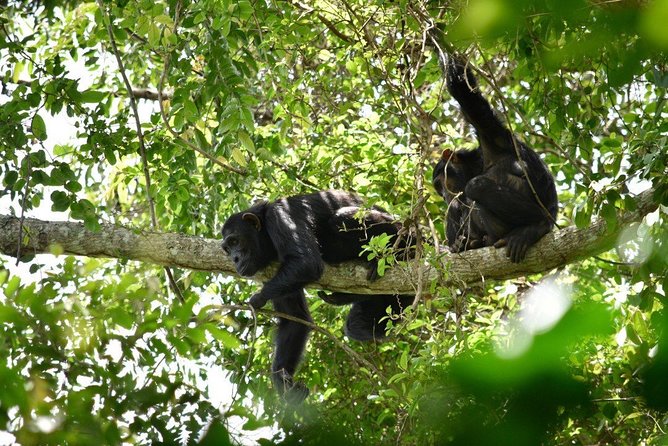
Your tour starts at Murchison Backpackers in Masindi (the meeting point is listed as Kampala–Masindi, Masindi, Uganda). After pickup and a drive into the reserve area, you get a briefing from your designated park ranger.
That ranger briefing is more important than it sounds. It sets the rules for moving in and around the forest and helps you understand what the tracking process will look like that day. When you’re about to trek for about three hours (as part of the overall activity), you want your head in the game—water, shoes, and attention all matter.
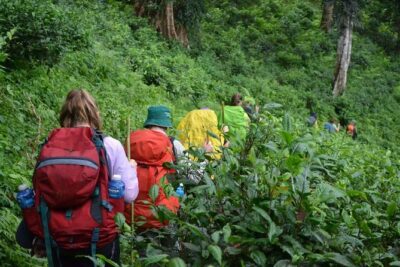
Then the walk begins toward the chimp community. The setting is real forest, not a staged walkway. You’ll be following forest trails and working with the pace your guide sets so you can find chimps while still staying safe and comfortable.
The itinerary pace: how the 4-hour tracking day unfolds
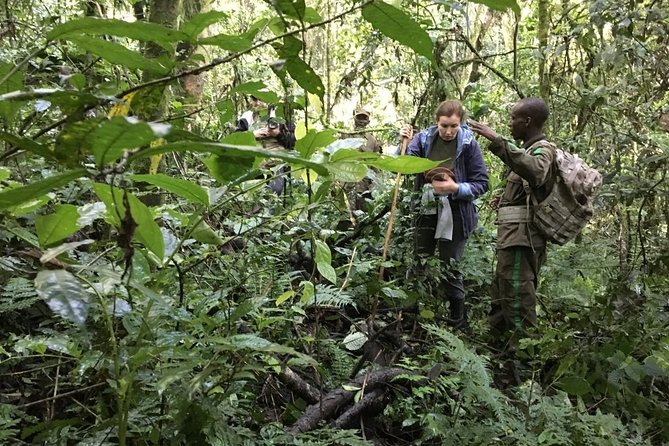
This experience is listed as about 4 to 6 hours, but the standard half-day version runs around 4 hours with admission included. The core chimp tracking time is about three hours, and it breaks down into three distinct parts:
1) Trek to the chimp community
You walk along forested paths as your team searches for where the chimps are active. This is the part that rewards people who stay patient. If you push, you’ll miss signs; if you rush, you’ll fatigue before the best hour begins.
2) One full hour with the chimps
Once you reach the chimp community, you get a dedicated viewing window. This is where you’ll watch their interactions and take photos.
3) Walk back to the starting point
After the chimp time, you head back. Your guide helps keep the day from feeling like a nonstop effort, because once you know what you’re looking for, the forest can start to feel like it’s giving you bonus lessons.
For you, the real advantage of this timing is focus. You don’t spend the whole day waiting with no payoff. You have a clear “search” phase, then a clear “watch” phase, then you’re done.
Possible drawback to keep in mind
If your schedule is tight, the morning-versus-evening choice based on chimp permit availability can throw off your planning. Build in buffer time around pickup and don’t treat the trek as something that can be swapped like a restaurant reservation.
Watching chimps for an hour: photos, behavior, and what to notice
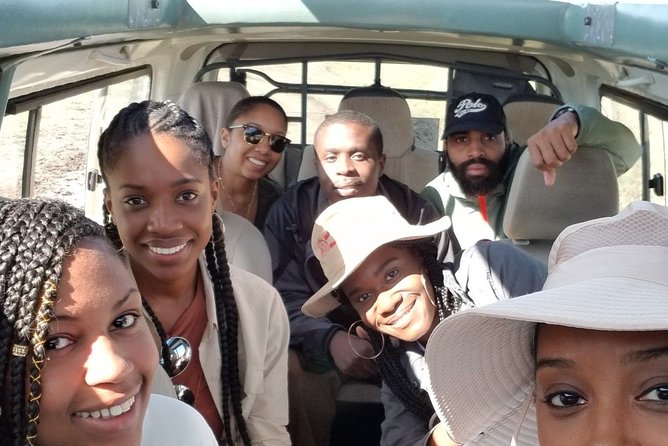
The best part of chimp trekking is the moment you’re close enough to see how they move and communicate. In Budongo, that happens during the one-hour interaction and photo time after the trek.
Here’s what’s valuable about this hour: your guide helps you read chimp behavior as it happens. When you understand what you’re seeing—how chimps react to calls, how they position themselves, how they interact with one another—you stop just photographing and start observing.
For photos, you’ll want to be ready for forest lighting and movement. That means keeping your phone/camera hand safe, not trying to sprint for angles, and listening to your guide’s advice on where to stand. The goal isn’t to get the “perfect shot”—it’s to get a solid look without disrupting the chimp community.
Also, this is not a zoo experience. You’re visiting an active group in their environment. That makes the encounter feel more real, but it also means you should go in with a patient mindset and expect that the chimps control the timing.
More primates and plants: why the walk matters even before you find chimps
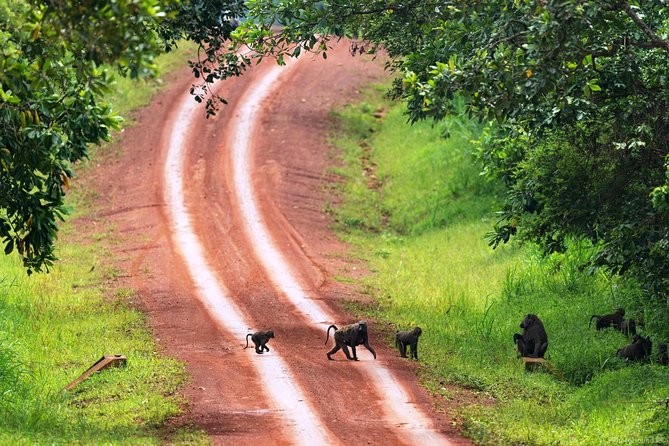
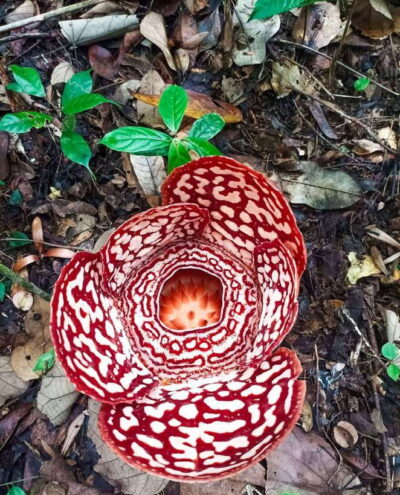
Even when the spotlight is on chimps, your walk isn’t wasted time. The experience is set up so you’re exposed to other primates, along with plants and shrubs of the forest.
This is where good guiding pays off. Once you’re noticing plants, calls, and movement patterns, the trek becomes richer. You’re not just “waiting for chimps to appear.” You’re learning how a primate-rich forest works.
And if the chimps are active nearby, you may spot other wildlife movement along the way. Even if you don’t, the guide’s explanations can turn the forest into an educational trail—not a slog.
If you’re the kind of traveler who loves nature walks but gets bored on long “nothing happens” hikes, this design helps. The walk has layers.
Half-day trekking vs full-day habituation upgrade
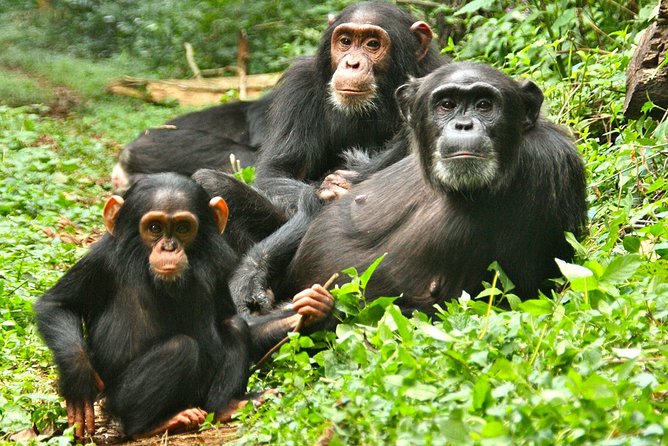
You can choose a half-day trekking option or upgrade to a full-day chimpanzee habituation experience. The idea of habituation is simple: you’re there to see how chimps slowly get used to humans over time.
In practice, a full-day format gives you more hours in the chimp space, which can help you understand their routines and behavior patterns. It’s the better choice if you want deeper immersion and more patience for what may happen.
For you, the tradeoff is time. A half-day trek is more efficient. The full-day habituation option is for travelers who want to commit to the longer rhythm of watching.
If you’re short on vacation days or you’re pairing this with other activities around Masindi, the half-day option is easier to fit. If you’re in a slower travel mode and really want to learn and watch, the upgrade makes sense.
Tips for a smoother chimp day in Budongo
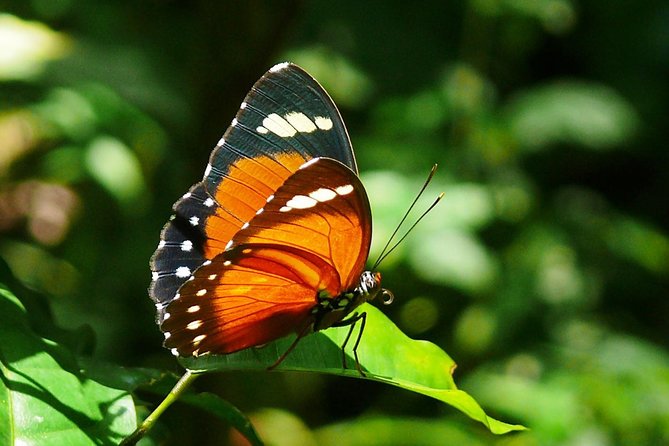
Based on how these treks run in the real world, a few practical choices can help you enjoy the day more:
- Wear footwear made for walking on uneven forest paths. You’re trekking as part of the tracking process, not just sightseeing.
- Keep your day flexible around the morning/evening timing that depends on permit availability.
- Bring what you’d need for several hours outdoors, since meals aren’t included.
- Listen early to the ranger briefing. It sets the pace and safety rules for the day.
If you’re a first-timer to primate tracking, go in curious rather than competitive. The best moment happens when you’re calm enough to notice the small signals—body posture, calls, and movement from the trees.
Should you book Chimpanzee Trekking in Budongo Forest?
If you want an authentic chimp experience with real guiding and a clear schedule, I think this is a strong choice. The value is helped by what’s included: private transportation, all fees and taxes, and a private tour where your group isn’t competing with strangers for attention.
Book it if you:
- love wildlife and want guided interpretation, not just a distant sighting
- can handle a few hours of forest trekking
- want the option to go half-day or commit to habituation full-day
I’d hesitate if you:
- have a super rigid schedule that can’t absorb morning/evening shifts
- hate the idea of weather affecting outdoor plans (the experience requires good weather)
Overall, this is one of those Uganda experiences where careful guidance really changes the outcome. When you get the hour with the chimps, you’ll be glad you showed up ready to walk and watch.
FAQ
Where does the chimp trekking tour start and end?
The tour starts at Murchison Backpackers (Kampala-Masindi, Masindi, Uganda) and ends back at the same meeting point.
How long is the experience?
It runs about 4 to 6 hours approximately. The chimp tracking activity itself is about three hours, and the typical half-day format is listed as 4 hours.
Is chimp tracking done in the morning or evening?
Chimp tracking is done either in the morning or evening based on your preference and the availability of chimpanzee permits.
What’s included in the price?
The price includes private transportation and all fees and taxes. The 4-hour option also lists an admission ticket as included.
What’s not included?
Meals are not included.
What do you do during the chimpanzee tracking?
You start with a briefing from a designated park ranger, then trek to the chimpanzee community. After that you have about one full hour to interact with the chimpanzees and take photos, and then you walk back to the starting point.
What’s the upgrade for a full-day tour?
You can upgrade to a full-day experience for chimpanzee habituation, where the chimps are slowly used to humans.
What happens if weather is poor or you need to cancel?
The experience requires good weather. If it’s canceled due to poor weather, you’ll be offered a different date or a full refund. You can also cancel for a full refund if you cancel at least 24 hours in advance of the experience start time.